
Insightful — Transformative — Practical — Results
“How Do You And Your Finances Stack Up Today?”
“What Is Your Networth Is Truly Worth?”
“Find Out Your Potential Financial Success Results Within Minutes!“

Wealth Puzzle: Mastering Your Money
Do you ever feel stuck, frustrated, or confused about money?
Ready to Unlock Your Financial Breakthrough?
The #1 thing holding most people back isn’t the economy or how much they earn—it’s the their lack of understanding the “Wealth Puzzle” their hidden beliefs and habits quietly sabotaging their progress.
The Wealth Building puzzle refers to the comprehensive strategies and steps involved in accumulating wealth over time, emphasizing the importance of saving, investing, and managing resources effectively. It is often depicted as a series of interconnected pieces that contribute to overall financial success.
- The Key Components — Include saving, investing, and asset management..
- Timeframe — Building wealth typically requires a long-term commitment, often taking years to see significant results.
- Strategies — Effective wealth building includes diversifying investments and creating multiple income streams.
- Education — Financial literacy is crucial for understanding investment options and making informed decisions.
Now you can create an empowered relationship with your finances and open the door to infinite abundance
Create a New Financial Reality
Learn the ins and outs of the wealth puzzle, how to tackle your financial fears, tips for managing your money, and more.
Building Your Money Machine With the Wealth Puzzle
Shift your money mindset and learn wealth creation and growth strategies from Professor Kissinger’s and his own team of trusted financial coaches.
Puzzle [1]: Personal Wealth Building Action Plan
Professor Michael Kissinger’s Personal Wealth Building Action Plan Puzzle is a comprehensive framework designed to help individuals achieve financial independence through strategic planning and actionable steps.
It emphasizes understanding personal values, setting clear financial goals, and implementing effective wealth-building strategies.
Overview of the Wealth Building Action Plan
This plan integrates various elements for effective wealth management.
- Core Components — The plan includes identifying personal values and financial goals, which are crucial for motivation and direction.
- Action Steps — It outlines specific actions such as budgeting, investing, and eliminating unnecessary expenses to enhance financial health.
- Mindset Shift — Emphasizes the importance of a positive mindset and belief systems in achieving financial success.
- Continuous Learning — Encourages ongoing education about financial markets and investment opportunities to adapt to changing conditions.
Systematic wealth building transforms financial stress into lasting security by following a structured, repeatable process that moves beyond luck or income level.
Establishing a clear baseline and actionable targets serves as the essential foundation for turning your goals into measurable progress.
Prioritizing debt repayment versus retirement savings for wealth building
| Action Category | Core Objective | Primary Deliverable |
|---|---|---|
| Baseline Assessment | Calculate net worth by subtracting all liabilities from total assets | One-page financial snapshot |
| Spending Plan | Create spending plan to track transaction patterns | Monthly expense analysis |
| Liquidity Safety | Safeguard your plan with 3–6 months of essential expenses | Emergency fund account |
| Debt Management | Eliminate high-interest debt before aggressive investing | Priority debt list |
Strategic Wealth Development
Setting clear, motivating goals requires moving beyond vague intentions to embrace the SMART framework, which ensures every target is specific, measurable, achievable, relevant, and time-bound.
This discipline keeps you focused on both short-term milestones, such as building an emergency fund, and long-term aspirations like achieving total financial independence or funding legacy projects.
- Clear wealth targets act as a compass to ensure your money aligns directly with your personal values, lifestyle, and future.
- Diversified investment portfolios utilize various assets to combat inflation and ensure purchasing power does not erode over time.
- Automatic transfer systems remove human error from the equation by directing funds into savings or investment accounts without manual intervention.
Effective planning is an iterative process that benefits from regular check-ins to monitor progress and adjust for changing life circumstances. By treating your plan as a commitment device rather than a static document, you significantly increase the likelihood of achieving your objectives.
Implementation and Maintenance
Successfully building momentum involves more than just budgeting; it requires creating a sustainable system that automates the transition from earning to saving and investing. Establishing these habits early in your career maximizes the power of compounding, which remains the single most impactful lever for long-term growth.
- Maximized compounding power is best achieved by starting as early as possible and maintaining a consistent contribution schedule.
- Quarterly review dates provide a scheduled opportunity to reassess your progress and rebalance your portfolio according to your risk tolerance.
- Core asset allocation should favor broadly diversified index funds to maintain consistent growth across different market cycles.
Consistent follow-through on these foundational steps creates the necessary framework to move from basic stability to high-level wealth accumulation. By regularly reviewing your trajectory against established benchmarks, you can adapt your strategy as your income, dependents, and goals evolve over time.
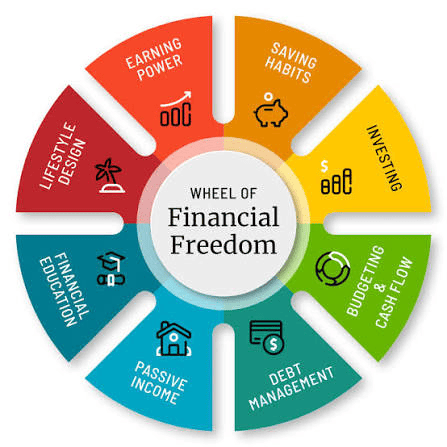
Puzzle [2]: Educational Action Plan
Developing a Personal Financial Action Plan involves creating specific, measurable, and time-bound goals that serve as a roadmap for your long-term success.
While the term is often applied to professional training, its core structure mirrors a personal growth strategy designed to transform your aspirations into actionable steps.
How does the Million Dollar Personal Schooling plan affect college admissions?
| Category | Primary Focus | Key Action Requirement |
|---|---|---|
| Goal Setting | Defining targets | Clear SMART goals must be established to anchor your actions |
| Strategic Planning | Time management | Appealing alternatives to distractions help integrate new habits into daily routines |
| Performance Tracking | Progress monitoring | Continuous feedback loops ensure your strategy remains intentional and effective |
| Skill Development | Targeted learning | Focused practice sessions should be divided into manageable weekly tasks |
Designing Your Growth Strategy
Building a successful plan requires breaking high-level objectives into smaller, manageable milestones that keep you focused on your progress. By shifting your perspective from overwhelming tasks to micro-habits, you create a sustainable system for self-improvement that fits into your existing schedule.
- Purpose identification — Clearly defined values act as the driving force behind your long-term aspirations and overall life satisfaction.
- Micro-habit implementation — Practical tweaks taking less than three minutes help build momentum before you optimize for complexity.
- Attainable goals — Smaller sequential goals function as the modules of a syllabus to make final objectives easier to reach.
Execution and Consistency
Consistency is the bridge between a theoretical plan and actual results, requiring you to actively protect the time you dedicate to your growth.
Prioritizing these blocks against other demands ensures that your development receives the necessary attention rather than being left to chance.
- Time commitment — Calendar reservations force other demands to work around your dedicated development periods.
- Weekly actions — Small enough tasks like watching one lesson or completing one exercise ensure you can finish what you start.
- Enrollment processes — Documented renewal systems create predictable outcomes by removing owner mood and manual effort from the equation.
By consistently refining these processes, you transform abstract ideas into a reliable system for achievement.
Puzzle [3]: Career Action Plan
Building a million-dollar career requires a deliberate approach that focuses on high-leverage activities, consistent skill stacking, and the strategic management of multiple income streams.
Reaching this milestone is rarely the result of a single salary, but rather a long-term commitment to increasing your earning potential while systematically growing your net worth through disciplined habits.
.Which high-income skills are most profitable right now?
| Path Component | Strategy Focus | Core Action |
|---|---|---|
| Income growth potential | Career advancement | Switch jobs every 2–3 years for substantial salary increases |
| Strategic income stacking | Revenue diversification | Combine base salary with equity, bonuses, and advisory fees |
| Wealth building engine | Automated investing | Set up recurring contributions to capture compound returns |
| High-leverage business | Entrepreneurial scaling | Focus on product development, strategy, and market partnerships |
Key Components of a Million Dollar Career Action Plan.
Understanding the essential elements can enhance your career strategy.
- Goal Setting — Clearly define your career objectives and financial targets to create a focused plan.
- Skill Assessment — Evaluate your current skills and identify gaps that need to be filled to reach your goals.
- Action Steps — Outline specific actions to take each quarter, ensuring they align with your long-term vision.
- Progress Tracking — Regularly review and adjust your plan based on your achievements and any changes in your career landscape.
- Networking — Build relationships within your industry to open up opportunities and gain insights.
Career Acceleration Tactics
Developing a million-dollar earning profile involves more than just hard work; it requires professional positioning and the constant evolution of your market value.
High earners often treat their careers as a portfolio of assets, focusing on roles and skills that offer compounding returns over a 10 to 15-year runway.
- High-value skill development serves as the foundation for commanding premium pay in competitive fields like engineering or specialized consulting.
- Long-term career planning should prioritize building deep expertise and an expansive professional network rather than chasing short-term paycheck bumps.
- Personal brand authority acts as a prerequisite for seven-figure roles, ensuring you are recruited for high-impact opportunities rather than just applying for them.
- Strategic job switches every few years can accelerate your salary growth, often yielding 20–30% increases per transition.
Building this momentum requires consistent effort, but the cumulative effect of these moves eventually opens doors to elite compensation packages that were previously inaccessible.
Wealth Management Framework
Accumulating a million dollars in net worth demands a strict adherence to financial discipline that balances aggressive growth with defensive habits. By separating your earning strategy from your spending habits, you can ensure that your increased income translates into lasting wealth rather than lifestyle inflation.
- Avoiding lifestyle inflation is critical; as your income rises, you should maintain your current standard of living and invest every surplus dollar.
- Automated investment contributions remove the need for daily decision-making, ensuring that your wealth-building engine operates consistently regardless of market conditions.
- Tax-advantaged retirement accounts should be prioritized to shield your capital gains from taxes, which significantly impacts long-term compounding.
- Diverse income streams such as rental properties, freelance consulting, or side businesses protect you from relying on a single employer.
Mastering these financial fundamentals creates a robust foundation that supports the volatility often found in high-growth career paths, ultimately stabilizing your trajectory toward millionaire status.
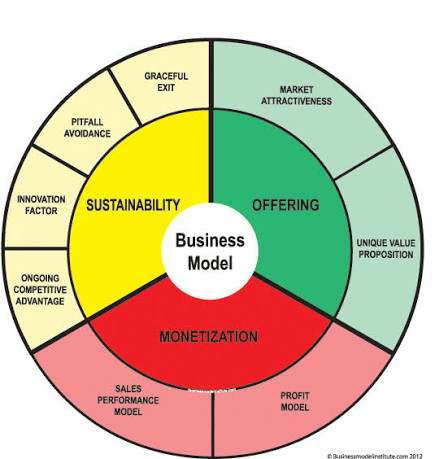
Puzzle [4]: Business Action Plan
Reaching a million-dollar milestone in business is less about fortune and more about intentional business planning supported by disciplined execution and scalable leadership.
A successful plan of action treats growth as a deliberate, reverse-engineered process that requires you to define your identity, refine your operational systems, and maintain consistent daily progress.
How do I structure a million dollar revenue roadmap for my startup?
| Action Phase | Strategic Focus | Expected Outcome |
|---|---|---|
| Define revenue goals | Break down the $1M target into daily or weekly milestones to ground your efforts | Clearer focus on specific daily performance metrics |
| Identify profitable niches | Locate market gaps or underserved customer segments where your unique offering can dominate | Reduced competition and increased ability to scale |
| Measure performance metrics | Track key indicators like TTV and LTV to CAC to ensure long-term stability | Pivot operational strategies based on actual data |
Strategic Development
Building a million-dollar company starts with a shift in your internal identity and the discipline to survive the pressures that accompany rapid expansion. These leaders emphasize that how you lead directly dictates what you ultimately build, turning a simple strategy into a scalable foundation.
- Refining operational systems — Actionable business plans act as a roadmap that breaks down complex revenue goals into manageable steps aligned with your core model.
- Applying consistent pressure — High-performance leadership thrives under the growth pressure that separates average operations from scalable, million-dollar enterprises.
- Executing with precision — Reverse-engineering business goals allows founders to identify necessary resources and potential investor requirements early in the development phase.
Execution and Scaling
Once a foundational plan is set, the transition from “knowing” to “doing” becomes the primary driver of wealth. Successful owners focus on ruthlessly optimizing their most profitable offerings while preparing for the operational shift required when demand exceeds current capabilities.
- Focusing on profitability — Ruthless sales strategy encourages you to double down on your best-performing products and services while shedding non-essential expenses.
- Validating business models — Proven home-based models allow entrepreneurs to test demand with minimal overhead before scaling to more complex, high-ticket systems.
- Scaling your company — Sustainable profit growth serves as the primary signal to begin diversifying product lines, entering new markets, or considering a franchise model.
Achieving this financial milestone ultimately serves as a vehicle for personal legacy, allowing you to contribute more significantly to your industry and community through both professional impact and philanthropy.
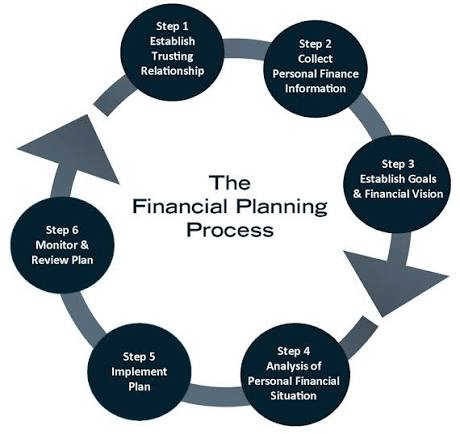
Puzzle [5]: Personal Action Plan
Personal action plans translate broad financial ambitions into structured, sequential steps that align your daily activities with long-term wealth targets. By defining specific milestones and tracking progress, you can systematically close the gap between current financial behavior and the discipline required to reach a seven-figure net worth.
A Million Dollar Personal Action Plan is a strategic framework designed to help individuals set and achieve financial goals tailored to their unique skills and aspirations. This plan typically includes actionable steps and milestones to guide personal and financial growth.
.Structuring a Million Dollar Personal Action Plan
| Milestone Framework | Focus Area | Action Deliverable |
|---|---|---|
| First $100 | Proof of concept | Identify a small revenue stream to validate your approach |
| $1,000 | Skill monetization | Generate income by applying a specialized service or talent |
| $100,000 | Systems and leverage | Scale your assets through consistent investing and automation |
Key Plan Components
Understanding these essential elements can enhance your planning process.
- Goal Setting — Establishing clear, measurable financial objectives is crucial for success.
- Personalization — The plan should reflect your unique talents and vision, ensuring it aligns with your personal values.
- Action Steps — Specific, actionable tasks are outlined to help you progress towards your goals.
- Review and Adjust — Regularly assessing your plan allows for necessary adjustments based on changing circumstances.
Strategic Roadmap Design
Effective financial planning requires a living document that forecasts all money flows, including income, expenses, and asset growth, to guide you from your current situation to your ideal future. A successful strategy integrates risk management with disciplined saving to ensure your resources are maximized over time.
- Defined SMART goals serve as the anchor for your efforts, providing measurable targets like accumulating $1 million in retirement savings within a specific timeframe.
- Personal balance sheets provide a clear snapshot of your current net worth by listing all assets, such as savings and investments, against your total liabilities.
- Monthly check-ins act as essential review periods to adjust your spending or savings rate, ensuring you remain accountable to your long-term roadmap.
- Tax-advantaged accounts like a 401(k) or IRA help shield your wealth from unnecessary risk while lowering your annual tax burden.
Clarity drives action, so revisit and adjust your milestones annually to ensure your plan reflects changes in your life, income levels, or personal priorities.
Execution and Tracking Systems
Tracking systems and accountability ensure that your financial progress stays transparent through regular monitoring of revenue goals and individual performance metrics. By breaking large numbers into manageable chunks, you avoid the overwhelm that often leads to inconsistent financial habits.
- Quarterly and monthly milestones allow you to digest a million-dollar goal into smaller, actionable tasks that can be managed on a weekly or bi-weekly basis.
- Automated investment accounts remove the friction from wealth building, allowing your savings to compound effectively without requiring manual intervention every month.
- Emergency fund creation provides a buffer against unexpected expenses, protecting your long-term assets from being liquidated during temporary financial setbacks.
- Low-cost index funds keep your expense ratios minimal—ideally under 0.20%—to prevent excessive fees from eroding your portfolio gains over time.
Consistency and patience remain the most reliable predictors of success, as the compound effect of smart, daily financial decisions is what eventually builds substantial wealth.
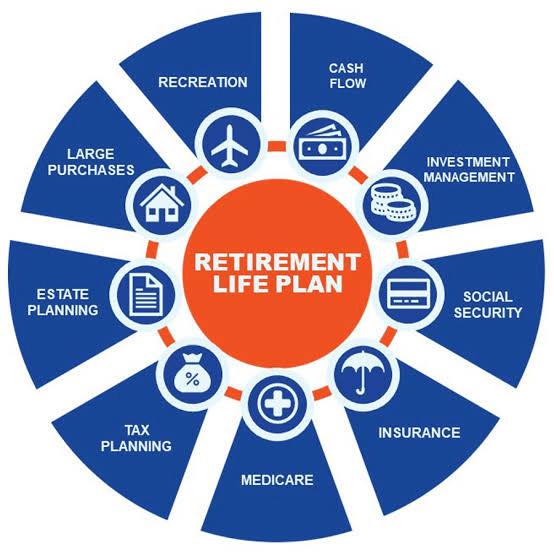
Puzzle [6]: Retirement Action Plan
Achieving a landmark retirement achievement of $1 million requires a disciplined strategy that balances long-term growth, tax efficiency, and structured withdrawal planning to ensure your nest egg sustains your lifestyle for decades.
By focusing on your specific financial goals and maintaining consistent savings habits, you can transform your portfolio into a reliable source of passive income.
How much should I contribute to my 401k to reach one million dollars?
| Goal Type | Key Focus | Strategy Highlight |
|---|---|---|
| Wealth Preservation | Portfolio withdrawal rates | Implementing the 4% rule ensures your savings last throughout retirement |
| Asset Growth | Compound interest power | Starting early allows your investments to grow exponentially over time |
| Tax Efficiency | Retirement account optimization | Utilizing tax-advantaged accounts lowers your overall lifetime tax burden |
Strategic Growth and Savings
Building a million-dollar nest egg is rarely about luck; it is about setting up systems that automate your success and shield your assets from common pitfalls.
By increasing your savings rate as your income rises and consistently leveraging employer matches, you effectively shorten the time required to reach your target.
- Automatic investment systems reduce emotional decision-making and ensure you stay committed to your plan during market fluctuations.
- Employer retirement plans provide a massive advantage, as each dollar contributed is amplified by the company match.
- Targeted savings rates of 15% or more are highly recommended to keep pace with lifestyle goals as your career progresses.
- Annual portfolio rebalancing ensures that your asset allocation remains aligned with your long-term risk tolerance and goals.
Maintaining these habits creates a foundation that protects you from chasing volatile market trends or overtrading your positions.
Managing Income and Longevity
Once you reach your milestone, shifting your focus toward sustainable withdrawal and healthcare management becomes essential for long-term security.
Because healthcare expenses often represent the largest variable cost in retirement, coordinating your benefits carefully can significantly extend the life of your portfolio.
- Social Security coordination can add thousands of dollars to your annual household income if you and your spouse time your claims strategically.
- Healthcare cost management remains a primary concern, as early retirees must bridge the coverage gap before Medicare eligibility begins at age 65.
- Diversified income streams such as dividend stocks, annuities, or fixed-income securities help mitigate risk by ensuring you do not rely on a single source of returns.
- Investment bucket strategies allow you to keep short-term expenses in cash while keeping your remaining assets invested for necessary long-term growth.
Deciding on these strategies early provides the clarity needed to enjoy your retirement years without the constant stress of potential financial shortfalls.
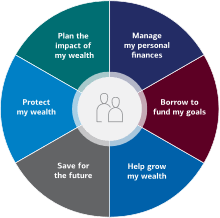
Puzzle [7]: Investment Action Plan
Reaching the million dollar milestone requires a disciplined, long-term framework that combines consistent saving with strategic, automated investment to capture the power of compound growth.
Successful wealth building often begins with a formal financial plan that maps your path toward specific goals, ensuring your contributions are optimized and your strategy remains steady across market cycles.
How can I build a million dollar portfolio starting from zero?
| Investment Priority | Time Horizon | Expected Outcome | Strategic Focus |
|---|---|---|---|
| Retirement accounts | 20+ years | Maximum tax efficiency | Maximize 401(k) and Roth IRA contributions |
| Broad market funds | Long-term | Steady capital growth | Invest in total stock market index funds |
| Strategic asset allocation | Multi-year | Risk-adjusted returns | Balance core index funds with satellite growth |
Core Wealth Strategies
Building substantial wealth is rarely the result of luck, but rather the predictable outcome of applying a consistent financial framework over many years. By prioritizing tax-advantaged accounts and avoiding the urge to pick individual stocks, you allow your capital to work as a resilient engine for future security.
- Automatic investment contributions ensure your savings reach the market on payday, removing the temptation to spend discretionary funds before building your future.
- Diversified index funds serve as the safer core of a portfolio, offering reliable long-term returns while minimizing the volatility risks often associated with individual stock picking.
- Meaningful asset location becomes critical once you cross the seven-figure threshold, allowing you to optimize tax-drag across your growing balances.
Advanced Optimization Tactics
Refining your approach as your portfolio grows can significantly accelerate your progress by keeping more of what you earn through intelligent management. At this higher level, the focus shifts toward protecting your gains and maintaining flexibility for future market opportunities.
- Consistent tax-loss harvesting allows you to offset taxable gains elsewhere, providing meaningful value additions when implemented across larger, volatile account balances.
- Small cash allocations maintain your optionality, giving you the liquidity needed to take advantage of market dips without being forced to sell your long-term positions.
- Smart tax planning helps minimize the bite taken from your investment returns, potentially adding hundreds of thousands of dollars to your net worth over a lifetime of compounding.
Consistency remains the most powerful tool in your arsenal, as staying the course during market downturns is what ultimately separates successful portfolios from those that fail to reach their full potential.
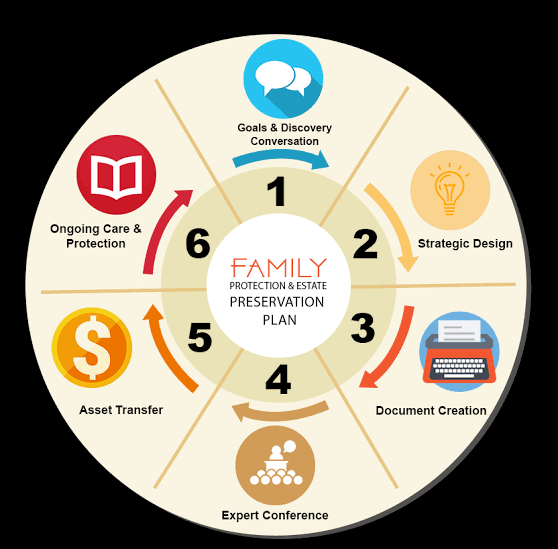
Puzzle [8]: Legacy Action Plan
A comprehensive legacy plan acts as a multi-generational blueprint that goes beyond simple wills, encompassing asset documentation, heir preparation, and tax-efficient structures to ensure your wealth preserves family harmony.
While terms are often used interchangeably, legacy planning builds upon traditional estate planning by focusing on the intentional transfer of your values, life lessons, and long-term impact alongside your financial assets.
How do I create a Million Dollar Legacy Action Plan for my family?
| Legacy Focus | Primary Objective | Key Documentation |
|---|---|---|
| Estate planning focuses on legal organization, minimizing tax burdens, and ensuring assets are distributed to specific beneficiaries according to your legal wishes | Wills and trusts | |
| Legacy planning emphasizes the emotional and social impact by passing on values, philanthropic intentions, and family history to the rising generation | Personal legacy letters or videos |
Developing Your Legacy Blueprint
Effective legacy planning requires moving away from reactive measures toward a systematic, values-driven process that involves your beneficiaries early on.
By treating qualitative wealth—such as your family’s aspirations and history—with the same intentionality as your financial accounts, you help ensure that your life’s work continues to benefit future generations rather than dissipating within one.
- Financial legacy strategies aim to take care of your family while minimizing tax burdens and providing clear directions for asset distribution.
- Impact investing opportunities allow you to align your investment portfolio with your personal values, seeking to generate measurable social or environmental returns alongside financial growth.
- Family governance policies establish structures that guide wise decision-making and ensure a commitment to community beyond the family unit.
Implementation and Maintenance
Creating a lasting impact is rarely a one-time event, as life circumstances and family needs shift over time. Most professionals recommend treating this as a lifelong practice that evolves as your family grows and your vision for the future matures.
- Regular plan reviews should occur every three to five years, or whenever significant life events signal that it is time to update your documentation.
- Heir preparation activities are essential for ensuring that future generations understand their inheritance responsibilities and are equipped to manage the resources they receive.
- Charitable giving plans provide a structured way to share your values with loved ones by involving children and grandchildren in the decision-making process.
Establishing a consistent dialogue with your beneficiaries is the most effective way to foster long-term harmony and ensure your vision is carried forward as you intended.
Smarter Money Moves with Professor Kissinger and the Wealth Puzzle
Personalized coaching and insights to level up your financial freedom—anytime, anywhere.
Take the First Step Towards Riches
Join us to Change How You See Your Financial Life
Engaging in our coaching can increase your sense of money, help you view yourself as more capable and worthy of financial happiness.

Reitenbach-Kissinger Institute
Sydney Reitenbach
Michael Kissinger
Text: 650-515-7545
Email: mjkkissinger@yahoo.com
LinkedIn: https://lnkd.in/gE7s99mP
See: Reach Your Peak Performance Results. Embrace Your Unlimited Potential and More. Valued Between from $2,350 to $5,500+
This is a Free event, but you need to Contact us, Qualify and Register for it. mksmasterkeycoaching.com


