
Insightful — Transformative — Practical — Results
“How Do You And Your Life Stack Up Today?”
“What Is Your Life Is Truly Worth?”
“Find Out Your Potential Life Success Within Minutes!“

Double or Triple Your Income and Results While Working Less: The Question Focus Method
Reach Your Potential Life Success Within Minutes!
Professor Kissinger’s Life Success Puzzle often frames life improvement through a comprehensive pyramid of mastery that connects physical, emotional, and mental well-being to your broader life goals.
While the specific term “Life Success Puzzle” is often used colloquially to describe this approach, his core philosophy emphasizes that neglecting one area of life can destabilize your entire personal structure.
It emphasizes that success is a multifaceted puzzle, requiring a balance of emotional, physical, and financial well-being. His coachingings focus on personal growth, effective strategies, and the importance of mindset in achieving one’s goals.
The Core Concepts in The Life Success Puzzle
| Focus Area | Core Principle | Strategy for Growth |
|---|---|---|
| Science of Achievement | Specific rules exist to turn dreams into reality | Mastering the cycle of taking action, measuring results, and adjusting |
| Physical and mental states determine your actions | Mastery of your physiology, focus, and language | Changing your state instantly through movement and patterned rituals |
| Personal Life Mastery requires radical honesty | Assessing current levels in areas like health and finance | Celebrating small wins to build momentum and confidence |
Key Components of the Success Puzzle
Understanding the elements that contribute to success is crucial.
- Mindset — A positive and growth-oriented mindset is essential for overcoming challenges and achieving goals.
- Emotional Mastery — Managing emotions effectively can lead to better decision-making and resilience.
- Physical Health — Maintaining physical well-being supports mental clarity and energy levels necessary for success.
- Financial Literacy — Understanding financial principles is vital for achieving financial independence and security.
- Contribution — Giving back and helping others can enhance personal fulfillment and drive.
Aligning Your Internal Blueprint
True fulfillment often requires balancing your external achievements with your internal state, as success without personal satisfaction can feel like a failure.
Professor Kissinger teaches that your level of happiness is dictated by the alignment between your current life conditions and your internal blueprint—your core expectations of how life should be.
- Internal world thoughts act as the foundation for everything you achieve in your external environment, requiring you to master both realms.
- Progress equals happiness because it helps bring your day-to-day reality closer into alignment with your deepest values and needs.
- Effective personal development starts with focusing on your desired outcomes rather than trying to solve problems by looking at what you lack.
Mastering Your Daily Patterns
Breaking free from old habits is essential to changing your life trajectory, and Professor Kissinger emphasizes that pattern interrupts are a key tool in this process.
By choosing to change your physical state through movement, you can shift your focus and language, effectively breaking the cycle of disempowering thoughts.
- Pattern interrupt kits can be created by listing simple actions like clapping, stretching, or changing your environment to snap out of stress.
- Physiology and language combined into incantations serve as a cornerstone for identity change, helping you embody the person you want to become.
- Morning priming routines involving gratitude and breathwork help build the neural pathways necessary for maintaining lasting, positive change over time.
Mastery is a continuous journey of adjustment and growth rather than a final destination to be reached.
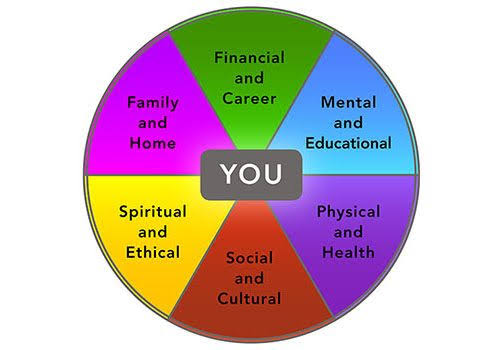
The Life Success Puzzle Action Plan
Professor Kissinger’s provides a comprehensive results system designed to help individuals move from dreaming about their goals to making them a reality through focused, intentional action.
While there is no singular document formally titled the “Life Success Puzzle,” his coaching and teachings emphasize a three-part framework for creating an extraordinary life by aligning your psychology, strategies, and execution.
His Life Success Puzzle Action Plan emphasizes a structured approach to achieving personal and professional goals by focusing on key areas of life. This plan encourages individuals to take actionable steps, assess their motivations, and continuously improve across various dimensions of life.
Implementing the Life Success Puzzle Steps
| Core Component | Focus Area | Goal |
|---|---|---|
| Science of Achievement | Producing results | Turning any dream into reality |
| Art of Fulfillment | Emotional balance | Maintaining progress across life areas |
| Massive Action Plan | Concrete strategy | Transitioning from point A to point B |
Principles for Breakthroughs
Building an extraordinary life requires addressing the specific “gaps” between your current situation and your desired future. By shifting your focus from solving problems to creating a life of your own design, you can effectively re-engineer your habits and reach your goals.
- Personal development progress starts with identifying exactly what you want rather than focusing on what you wish to avoid.
- Three specific decisions regarding what to focus on, what things mean, and what actions to take help you control your state during challenges.
- Mastering the Triad of physiology, focus, and language allows you to interrupt disempowering patterns like procrastination or negative self-talk.
Establishing this mindset ensures that your internal state supports the external actions you take every day to move toward success.
Key Components of the Life Success Puzzle Plan
Understanding the essential elements can enhance your success journey.
- Seven Key Areas — Professor Kissinger identifies relationships, emotions, physical health, time management, finances, career, and contribution as crucial for a fulfilling life.
- 5-Step Action Plan — The plan includes identifying actions to take, understanding barriers, and linking past experiences to current motivations.
- Empowerment Through Decisions — Professor Kissinger emphasizes that the decisions we make shape our lives more than our circumstances.
- Continuous Improvement — The approach advocates for regular assessment and enhancement in all life areas to achieve extraordinary results
Developing Your Action Plan
Creating a strategy for success involves more than just setting goals; it requires a roadmap that connects your values to your daily efforts. A structured plan helps you visualize your progress and remain flexible when hurdles inevitably arise along your journey.
- Massive Action Plan frameworks require you to ask “How much?”, “By when?”, and “For what purpose?” to ensure your goals remain tangible.
- Continuous improvement goals should be limited to two or three primary priorities at once to avoid feeling overwhelmed by the process.
- Quantifiable result targets spark passion more effectively than vague desires, helping you stay motivated when you need to adjust your approach.
Celebrating small wins throughout the process keeps your momentum high and provides the encouragement needed to stay consistent until you reach your ultimate vision.
The Life Success Puzzle Plan of Action
A personal development plan is a set of self-improvement goals, and actions that you’ll take to achieve them. These can include goals in:
Your Personal Life, Your Career, Income, Relationships, Hobbies
Any other field where you’d like to see continued growth and learning.
In other words, a self development plan is all about deciding what you’d like to achieve, and figuring out a roadmap for how you’re going to get there.
Establishing goals for what you want to achieve — where you would like to go in the short term or long term — can improve your personal development.
Why is Personal Development Important?
Personal development serves a number of purposes. These include helping you to meet your personal and professional goals. On a personal level, personal development plans offer benefits including:
- Mental health and self-esteem
- Enjoyment
- Building relationships and networks
- Feeding a love of lifelong learning
At the same time a personal development plan for work offers the following benefits:
- Learning new skills
- Helping you to use your time better
- Opening new life, career, or business opportunities
- Improving your earnings or financial prospects
Professor Kissinger helps you understand what personal development means and its importance, what a personal development plan is and why you should make one, and how to write a personal development plan.
He’ll also share with you his personal development plan template to get you started on your path to reach your personal development goals, complete with helpful examples and resources to support you.
The Life Success Puzzle Mastery Contents
- What is a Personal Development Plan (PDP)
- The 7 Categories of Personal Development
- Why Make a Personal Development Plan
- How to Set Personal Development Goals
- Personal Development Plan Template
- Personal Development Courses and Programs
[1]: What Is A Personal Development Plan (PDP)?
A personal development plan is a guideline for your life and your future success.
Personal development is the process of improving oneself through conscious habits and activities. It is the pursuit of personal growth to enhance your quality of life and to achieve your dreams and aspirations.
When you create a personal development plan, you start to define the kind of person you want to be, skills you want to have, and accomplishments you want to achieve. And then you map out your long-term and short-term goals to realize these aspirations and set timelines for when you want to reach them.
Many people underachieve in their careers because they do not realize the areas of personal development that can help achieve mastery in any field.
Effective leaders focus on continual self-improvement and know there is no substitute for hard work.
When you practice self-discipline by setting a goal, making a plan, and working on it every day, you will see personal development and progress within your career.
[2]: The Importance Of Personal Development
Most of the time, what you think about is what you become. From the moment you wake until the moment you close your eyes at the end of the day, everything you experience plays a factor in your development.
When you take greater control over your experiences, you are able to guide your personal development and accelerate toward what you want to become instead of leaving it to chance.
Setting, striving for, and meeting personal development goals opens up a world of new possibilities for you to increase your quality of life.
For example, as a result of creating and following your personal development plan, you may gain more responsibility for work and open up opportunities for higher pay.
This growth could qualify you for a better career trajectory to increase your overall happiness, job satisfaction, and ability to provide for the life you want for you and your family.
Focusing on your personal development also gives you better decision-making abilities so you can avoid problems that may have plagued you in the past or are holding you back now.
At the end of the day, personal development helps you create more positivity and harness the power of positive thoughts, which can transform your life.
When you give time to yourself by focusing on your professional and personal growth, you are better able to achieve your version of success because of personal development.
[3]: Personal Development vs Self-Improvement
Recognizing the difference between self-improvement and personal development can be a little tricky.
While they are similar in that they are both very instrumental in achieving your goals and improving yourself, there are key differences between a self-improvement plan and a personal development plan.
Personal development is the work you are putting in to transform yourself on a daily basis. It’s the efforts you’re making to advance in your work, lifestyle, attitude, physique, and sociability.
Setting personal development goals and creating a plan helps you take full advantage of any opportunity that may come your way and make the most of your potential.
Self-improvement is an inner transformation. It is a self-motivated study to improve one’s character, status, or knowledge by their own efforts.
Self-improvement is a lifelong process of constantly searching for ways to change your habits so you can reach your fullest potential.
The specific efforts you put into personal development lead to self-improvement.
[4]: The 7 Categories Of Personal Development
Focusing on personal development categories such as personal skills, personal growth, and personal power can create habits for personal improvement.
Personal growth is founded on education and skill. Through education and experience, you increase your skill level and your ability to succeed in your field.
There are seven main categories of personal development.
Personal Skills
Personal skills can be ones you were born with as well as skills gained through deliberate practice. They’re often referred to as soft skills.
Examples of personal skills are decision-making, teamwork, organization, and communication.
If you’re interested in growing your skills at work, try working on your personal skills. The highest-paid, top individuals in their field are the ones that focus on growing their personal skills.
Knowing what areas you excel in and which need development is very useful in your personal and professional life.
Personal Growth
Having a personal growth plan is one of the first steps toward bettering yourself and stepping out of your comfort zone.
Humans and the human mind are constantly evolving. Think about it: you are not the same person you were a year ago. You’ve learned more, grown in many different ways, and have experienced more life events to further shape your personality, beliefs, and world outlook.
In order to experience personal development and growth, strive to be a better version of yourself today than you were yesterday.
Personal Power
Personal power is the authority others believe you to have in certain situations and is fueled by your contacts, knowledge, and financial status.
Developing an ever-widening circle of contacts, seeking to learn more, and growing financially increases the number of doors that others will leave open for you to step into.
Expanding your network, knowledge base and financial status will also allow you to help others do the same, further increasing your personal power and opportunities for personal development and growth.
Personal Improvement
Personal improvement stems from good work habits and having a positive mental attitude.
Thinking before you act is critical to developing a strong amount of personal improvement. To help you think first, try to set priorities on a list and consider the likely consequences before beginning.
Working on personal improvement and generating a positive mental attitude will also reduce the amount of time that it takes you to achieve your goals.
Personal Empowerment
Personal empowerment is similar to Personal Power, except empowerment is the power you see within yourself, instead of how others view you.
Promoting a positive image and adopting creativity within your daily life can speed up the time it takes to achieve personal empowerment and your goals.
To help you increase your personal empowerment, consider looking for new, creative ways to finish a project in a faster, easier or cheaper way without compromising the end result.
Personal Analysis
It is very important to be conscious of areas in which you are naturally gifted as well as analyze areas in which you need improvement. This is called personal analysis.
Being truthful about where you currently stand is the first step to moving forward. You should be constantly evaluating where you are in relation to achieving your goals and ambitions.
Personal Objectives
Ambition goes to waste when there are no clear goals in sight. Developing short-term and long-term goals is a pivotal step in actually accomplishing them and growing as a person.
Having a set plan will help you have a clear understanding of which strategies are necessary in order to reach your desired destination.
[5]: Why Make A Personal Development Plan?
The reason you need a personal development plan is that making a plan will help guide you to better decision-making and remind yourself of where you want to go.
In other words, good preparation increases the probability of success and decreases the risk of things going wrong along the way.
Creating a plan for personal development helps you get a better sense of control over your life and will make you better prepared for whatever comes your way.
Consider these Benefits to Having a Personal Development Plan
- It brings your vision to reality.
- It ensures you take appropriate and logically planned action.
- It helps you improve your time management skills so you can achieve your goals.
- It’s a plan to keep track of progress, which serves to motivate you when you want to give up.
- It’s been proven to reduce stress, improve balance in life, and increase self-confidence.
Developing personal development goals for work can make the difference between success and failure. Creating a self-growth plan for your personal life can mean the difference between life-long happiness and regret.
Skills & Objectives
The objectives of personal development are continuous personal growth, increased potential for success, and capitalizing on potential opportunities.
You can practice your personal development skills by setting aside time for the important people in your life, performing action exercises that force you to perform at the highest level, and studying growth performances to help ensure you continue to climb the ladder of success.
An action plan has to include measurable objectives so you know the exact steps it will take to reach your goals. Objectives break your larger personal developments goals into bite-sized pieces so you are able to know where you are headed and check off your progress along the way.
There are no limits except for the limits you place on yourself with your thinking.
Commit yourself to a life of constant learning. Even if you are at the top of your field, there is always something to learn.
Once you have mastered a new skill, move on to learning another one. Constantly learning new skills keeps your mind fresh and active and opens doors that would otherwise be closed to you.
You will become unstoppable and you will see your entire future open up in front of you if you live a goal and growth-oriented life.
[6]: How To Set Personal Development Goals
Before you can set up a plan, you need to do some self-reflecting and answer personal goal questions.
A few questions you should develop before laying out a specific plan of action are:
- What do I want to make out of my life?
- What are my goals and ambitions?
- What is currently standing in my way of achieving these goals?
After answering those questions, you can create a personal plan that contains a few key components.
The key components you should focus on are having a specific outcome that you are constantly working towards, planning and paving a path towards achieving it, being mindful of the obstacles, and understanding the bigger motivation behind your actions.
When developing a personal development plan for work, you should focus on SMART goals. SMART stands for “Specific”, “Measurable”, “Achievable”, “Relevant”, and “Time-Bound.”
By following this easy-to-remember acronym when goal setting, you can improve both your personal and professional life:
- Specific: Write goals that are detailed and clear instead of broad and general.
- Measurable: Set milestones that will let you know you are achieving your goal.
- Achievable: Make goals that are challenging yet can realistically be achieved.
- Relevant: Align your goals with your personal self-improvement plan.
- Time-Bound: Pick an end date by which you want to achieve your goal.
[7]: Set Goals For Professional Life
In order to make progress that you can see and track in your professional life, you need to document a detailed plan of action for your personal development.
Some personal development plan examples for work include answering the following questions:
- What do I want to learn?
- What do I have to do?
- What support and resources will I need?
- How will I measure success?
Be as specific with your answers as possible. The more precise, the easier it is to track your progress.
Seeing how far you have come and how your hard work is paying off will give you a boost of confidence and provide a sense of accomplishment.
THE GOLDEN HOUR RULE
The Golden Hour Rule steers the trajectory of your day. Beginning your day early and investing your first hour in yourself will make a tremendous difference in the way you feel, and you will begin to see positive results in your day.
You will begin to see yourself in a more positive light and improve on your personal development.
Charges for The Life Success Puzzle Plan of Action
While there is no specific program titled “The Life Success Puzzle Plan of Action,” many of Professor Kisingr’s foundational systems and training programs are available at different price points depending on the level of support and depth of content you choose.
Professor Kissinger’s coaching programs, including the Life Success Puzzle Plan of Action, typically range from $4,500 to over $18,000 for multi-month packages. Specific pricing can vary based on the type of coaching and duration selected.
.Professor Kissinger Charges for Personal Life Coaching Sessions
| Program / Tool | Price | Key Details |
|---|---|---|
| RPM Fast-Track | $47 | Focuses on the proprietary Rapid Planning Method for goal setting |
| Ultimate Edge | $97 | Includes personal development strategies and audio programs |
| Momentum Plan | $7,495 | Structured as a deposit of $1,995 followed by five monthly payments |
| Platinum Partnership | $85,000 | Comprehensive annual membership with advanced coaching access |
Personal Development Resources
Many of Professor Kissinger’s entry-level and digital programs are designed to provide structured guidance for those seeking to create a personal plan for success.
These materials often combine mindset exercises with practical tools to help users bridge the gap between their current circumstances and their desired future.
- Proprietary systems like the 3-part breakthrough process are utilized by millions of people to define their own outcomes and achieve fulfillment.
Comprehensive Coaching Programs
For individuals looking for more intensive or personalized support, professional-level coaching and business result plans are available. These higher-tier options are structured to provide direct interaction with coaching staff or exclusive access to long-term mentorship programs.
- Business results training programs typically require a full payment of $6,995 for the complete curriculum or follow an installment-based momentum structure.
- Platinum membership acts as an elite tier that requires a significant financial commitment and includes both services and charitable contributions.
Most of these offerings are designed to provide the specific structure and accountability necessary to help you execute a plan of action and achieve your desired results.
Pricing Details for Professor Kissinger Coaching
Understanding the costs associated with Professor Kissinger’s coaching can help in decision-making.
- Cost Range — The Life Success Puzzle Plan of Action can cost between $4,500 and $18,000+ depending on the package duration.
- Business Results Plan — One specific business coaching plan is priced at $6,995.
- Personalized Coaching — The coaching is designed to help individuals break through personal limits and achieve their goals.
- Long-Term Commitment — Many packages are structured over several months, emphasizing sustained growth.
4 steps to get started in tony robbins The Life Success Puzzle Plan of Action
Tony Robbins outlines a four-step plan to help individuals achieve their goals effectively. This plan emphasizes clarity, commitment, and consistent action to create lasting change in one’s life.  CNBC
CNBC
Professor Kissinger Four Steps to Life Success
These steps provide a structured approach to achieving personal goals.
- Define Your Goals — Clearly articulate what you want to achieve, as this sets the foundation for your success.
- Take Action — Commit to taking immediate steps towards your goals, reinforcing your dedication.
- Monitor Progress — Regularly assess your progress to stay on track and make necessary adjustments.
- Stay Flexible — Be open to changing your approach if obstacles arise, ensuring you remain focused on your ultimate objectives.
- Contact us to get started — Wishing you prosperity and success. Remember You Were Born To Win!!

Michael Kissinger and Sydney Reitenbach
Phone: 650-515-7545
LinkedIn Profile: https://www.linkedin.com/in/michael-kissinger-a66b214/
E-mail: mjkkissinger@yahoo.com
Facebook: https://www.facebook.com/michael.kissinger.35
CONTACT US: [LIFE SUCCESS ASSESSMENT] [READINESS ASSESSMENT] [SERVICES] [ABOUT COACHES] [FAQs] [FEE RANGE] [COACHING AGREEMENT] [SURVEY] [PRESS RELEASE] Home
Web: https://mksmasterkeycoaching.com
Terms of Use | Testimonials and Results Disclosure | Privacy Policy
© Copyright 2026 –Reitenbach-Kissinger Institute – All Rights
Disclaimer
The Reitenbach-Kissinger Institute makes no guarantee, makes no promises regarding the outcome of using any of the information on this site or its product or service. The Reitenbach-Kissinger Institute is not liable for any damages arising in contract, tort or other wise from the use of or inability to use this site or any material contained in it, or from any action or decision taken as a result of using this site or the information hereon.
The information on this site is informational only.
The materials on this site comprise the The Reitenbach-Kissinger Institute views; they do not constitute legal or other professional advise or guarantee of any kind. You should consult your professional advisor for legal or other advice.
This site offers links to other sites thereby enabling you to leave this site and go directly to the linked site. The The Reitenbach-Kissinger Institute is not responsible for their content of any linked site or any link in a linked site.
The The Reitenbach-Kissinger Institute is not responsible for any transmission received from any linked site. the links are provided to assist visitors to the Reitenbach-Kissinger Institute site and the inclusion of a link does not imply that the The Reitenbach-Kissinger Institute endorses or has approved the linked site


