
Reitenbach Kissinger Institute programs for kids focus on teaching financial literacy, instilling confidence, and fostering a growth mindset, helping young individuals understand money management and develop essential life skills

Financial Literacy Lessons that Build Independence in Your Children
Many people appreciate the focus on financial literacy for children, emphasizing the importance of teaching kids about money management from a young age. These programs can empower children to make informed financial decisions and develop a positive relationship with money
Many people who are parents today grew up in families where it wasn’t polite to talk about money. Yet with national debt at an all-time high, the average American household carrying over $15,000 in credit card debt, and recent college grads facing the highest student loan debt ever, many parents lack confidence when it comes to teaching their kids about money – at the very time that financial education has become more important than ever.
How to Can You Raise Kids Who Are Financially Savvy?
If possible, start early
Most financial experts agree that children have a basic understanding of money as early as three. And financial habits are mainly formed by the age of seven, according to a study by University of Cambridge.
Most toddlers could care less about money, but a rewards system that consists of a favorite television show or a tasty treat can help these little ones learn the concepts of money early on. When your toddler displays particularly good behavior, give them a homemade coupon. You can attach the value of a small treat for one coupon and a greater reward for 3-5 coupons. Your child will start learning about saving, spending and delayed gratification before you know it.
As your toddler begins to grow, play ‘store’ to introduce the concepts of trading money for things (just play with items you’ve collected from around the house). If you play with coins this would be a great time to help your child recognize the different values of the different coins.
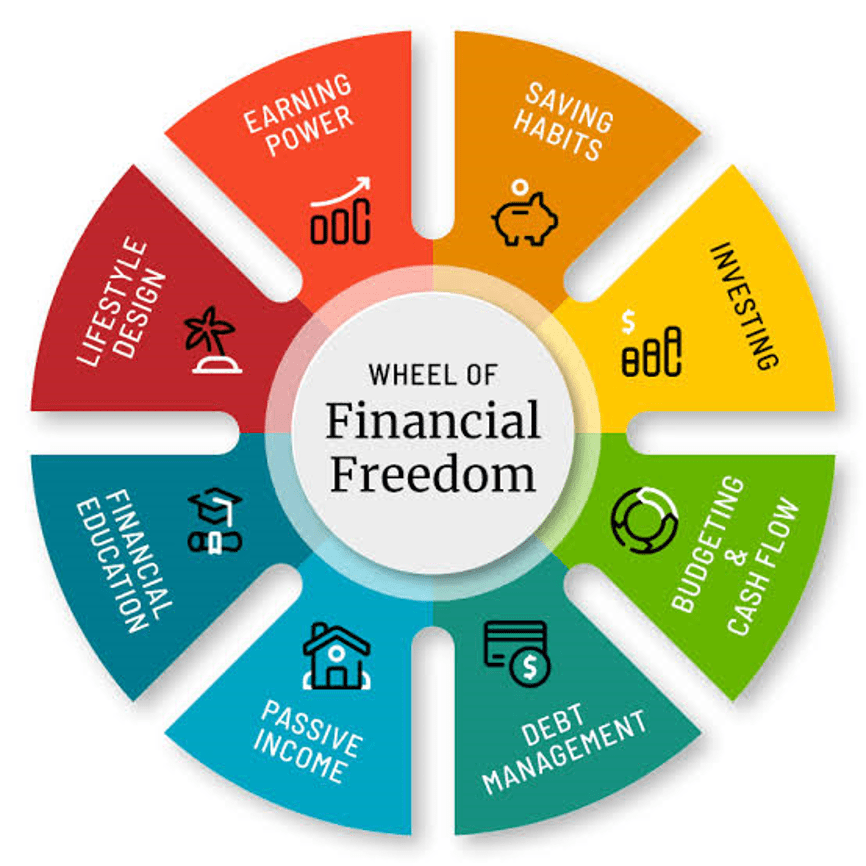
The Financial Wheel of Life
The Financial Wheel functions as a visual tool designed to help you assess your current satisfaction across multiple life domains, serving as a structured starting point for setting meaningful financial and personal goals. By mapping your life into distinct segments, you can identify which areas are thriving and which require more attention to restore balance and harmony.
| Category | Typical Focus | Why It Matters |
|---|---|---|
| Financial satisfaction | Money management | Identifies gaps between current reality and future goals |
| Health and fitness | Physical well-being | Forms the foundation for sustained energy and daily performance |
| Career growth | Professional path | Aligns your daily work with core values and passions |
| Personal growth | Internal development | Deepens your sense of purpose and overall contentment |
Understanding the Framework
The Wheel of Life originated in the 1960s, developed by Paul J. Meyer as part of his coaching programs to help individuals visualize their holistic well-being. It relies on a circular diagram—often resembling a pie cut into pieces—where each segment represents a key aspect of your experience, such as relationships, career, or environment.
- Satisfaction scores ranging from 1 to 10 help you evaluate your comfort level within each specific domain.
- Visualizing the shape of your completed wheel provides an instant snapshot of your life balance, allowing you to see which segments are neglected.
- Dynamic exercise adjustments ensure the tool remains relevant as you pass through different seasons of life and your priorities naturally shift.
Applying the Results
Using this tool effectively often acts as a launching point for identifying where your true priorities exist, helping you move from general feelings of imbalance to concrete action. Because each area of your life is interconnected, neglecting one segment can eventually drag down the others, making holistic assessment a vital part of personal planning.
- Identifying financial priorities becomes much clearer once you reflect on your satisfaction, which can unlock new possibilities for communication and goal setting.
- Spousal conversations often benefit from individual reflection on the wheel, as it helps clarify differences in perspective that might otherwise cause disagreement.
- Planning intentionally after completing the exercise allows you to distribute your time and resources with more purpose, reducing stress and increasing confidence in your progress.
Achieving a fulfilling life is not about attaining perfection in every segment, but about nurturing your overall life harmony to align with your deepest values.
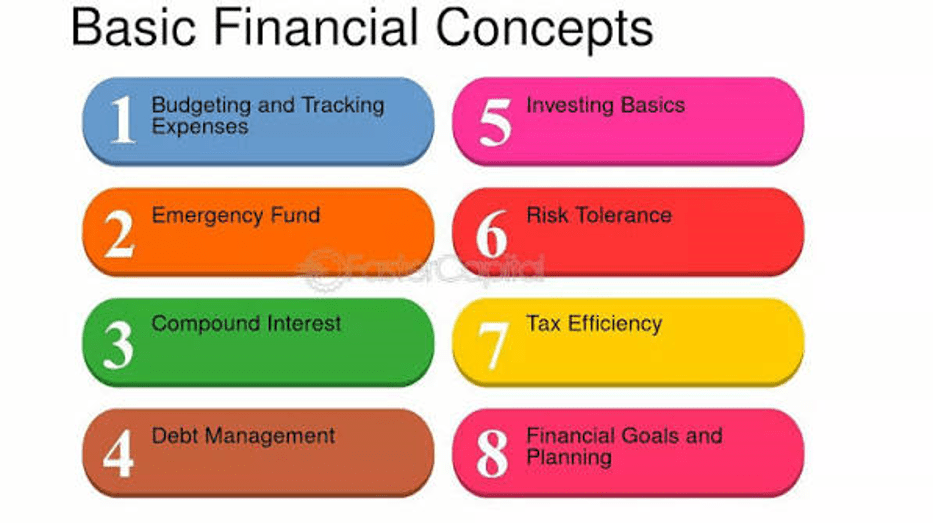
Understanding the Financial Basics For Kids
Budgeting basics
Allowance
An allowance is one of the best ways to teach your child to manage their finances well. However you determine your kids should earn their allowance, giving it to them on a regular schedule will help them learn these management lessons rather than sporadic installments. When deciding how much your child should get for an allowance, there are a few things to think about: their age, your family income and what their allowance is meant to cover.
As soon as your kids start receiving an allowance, teach them to budget by providing them a breakdown of where their money goes. Percentages and categories will differ between households, but you might consider something along the lines of 40% allocated to spending, 40% to savings, 10% to charitable giving and 10% towards family taxes (more on this later).
For younger kids, provide their allowance in small denominations for easy allocation and save them into separate labeled clear jars or plastic bins so they can watch their money grow in each category.
As soon as you think they are ready – probably between ages six and nine – take your child to the bank and open up a savings account. This is also a great opportunity to discuss the concept of interest. When your child is a teen, take them to open a checking account so that they can learn to responsibly use their debit card before leaving home.
Saving
A savings chart is a great tool for kids of all ages. When your child has a savings goal, whether that be a new toy or a car, create a chart with a picture of the desired item at the top. Then, for younger kids, figure out how many weeks of allowance it will take to buy it and draw a box for each week. The child can then fill in the box with a marker or sticker when the money for that week is saved. They will feel so proud of themselves when that item is theirs and they bought it with their own money.
For older kids, this may be a separate savings account that they deposit allowance and/or earnings into to reach their goal. But their satisfaction in themselves and the pride they take it their new possession will still reflect that of a younger child!
Spending
Teach your kids the value of making thoughtful purchases by allowing them to buy the luxuries they want. For example, keep food in the house for your kids to be able to pack their own lunches, but if they want to buy food at school, then they pay for it themselves. It could save you money, help your kids to be thoughtful about what they spend their money on, and likely ensure they eat healthier foods than what the school provides.
Kids don’t usually understand the cost of things aside from the sticker price, so it’s up to you to teach your kids about less obvious (or even hidden costs). If your older kids want to make a big purchase like an iPhone or a car, teach them about the added expenses of monthly data plans, insurance, repairs, etc.
When it comes to spending, your kids are going to make mistakes, and that’s okay! They will likely experience buyer’s remorse at some point and may turn to you for help. If this happens, compassionately let them experience the consequences of their actions, particularly if you warned them before they made the purchase. The pain they experience now will help them make better choices when the stakes are higher..
A deeper dive
Remember when you were working your first job and you were so excited to get your first paycheck? You’d worked hard for that money and probably already spent it in your head a dozen times. Then when that day came, you were shocked by how much smaller it was then you thought – because of taxes.
Issuing a “family tax” will creatively teach your kids about taxes from an early age. Steve Shaffer, Offers.com CEO, recommends a tax of 25%, but your family ‘tax bracket’ may differ. Then use the taxes to do fun things as a family.
Increase your teen’s investing savvy (perhaps your own as well) by allowing them to choose one company (or a few) that they know of and think are ‘good investments’ and the pretend to invest a specific amount in them. Follow the activity on the market together and see how you do.
Much like the family taxes example, you can teach your older kids powerful lessons about debt and credit now, too. If there is something they really want, give them three options: 1) Buy it now, 2) Save to be able to buy later, or 3) Borrow the money from you with an interest rate attached. Teach them that if they are going to borrow money it will cost them – and the longer they wait to pay it back the more it costs. Set up the rules of borrowing in advance.
Watch your language
Rather than saying “we can’t afford it” or even, “it’s not in the budget,” try saying “we’re choosing to not spend our money on that right now.” Talk to your kids when you decide not to spend money on something and be open about why you chose not to spend.
Particularly with young kids, teach delayed gratification by associating today’s “no” with tomorrow’s ‘yes.” For example, if you say no to a dinner out or a movie in the theater, explain that you’re not spending money on those things because we’re going to put that money toward an upcoming vacation. And, when your child asks a challenging question, try responding with, “Why do you ask?” This will help you understand their line of thinking behind the question before responding.
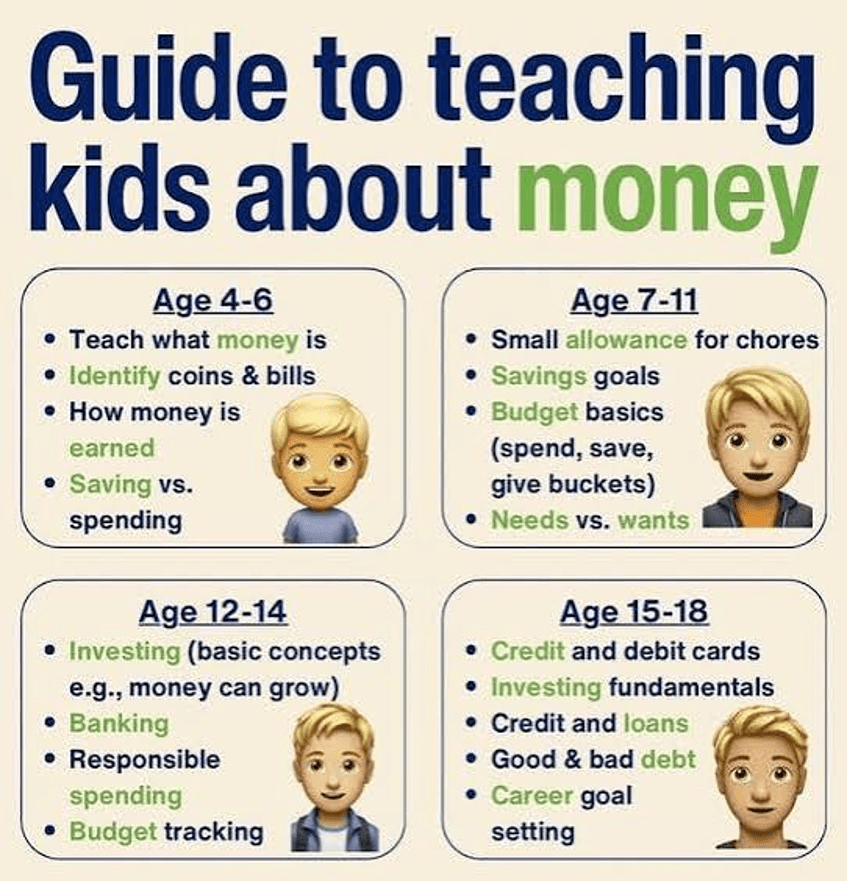
Smart Programs and Ways to Teach Kids About Money and Money Management
Welcome to Reitenbach Kissinger Institute and Old Money Opulence – your exclusive destination for timeless luxury, understated elegance, and a life well-lived.
We delve into the world of wealth and sophistication, showcasing everything from vintage fashion and opulent interiors to refined art collections and high society etiquette. Whether you’re fascinated by the legacy of old money families, the art of living with discretion, or simply appreciate the finer things in life for yourself or children you’re in the right place

10 Reasons Old Money Teaches Kids to Value Time Over Luxury

Why the Wealthy Buy Land They Never Use – The Hidden Strategy Behind Ownership

The Hidden Curriculum of Old Money Families – How They Quietly Shape Success and Character

How Old Money Raises Independent Kids – Skills They Learn Early for Lifelong Success

How Old Money Teaches Kids Emotional Control – Lessons You Won’t See Online

The Manners Old Money Teaches From Childhood – 12 Rules That Are Never Spoken

The Soft Power of Old Money Parenting – Rules That Shape Calm, Confident Kids

Why Old Money Kids Grow Up Confident—Not Entitled: 10 Parenting Rules That Actually Work

The Quiet Habits Old Money Kids Practice Daily – That Build Lifelong Advantage

What Old Money Kids Are Taught About Money – Lessons You’ll Never Hear Online

What Old Money Families Never Allow Kids to Do – The Rule That Shapes Everything

Why Old Money Kids Rarely Misbehave in Public – The Quiet Training You Never See

Why Old Money Limits Screen Time – What Their Kids Learn Instead of Scrolling

How Old Money Parents Build Strong Character in Their Kids – You Won’t Find on Social Media

10 Social Skills Old Money Kids Master Before Age 18… You Won’t See on Social Media

When You Get Rich Tell NO ONE – A Machiavellian Guide used by OLD MONEY

This is Why You Stay Broke While They Get Rich… A WAKE UP CALL

The Secret Revenue Streams That Keep Old Money Rich Forever… Teach Your Kids This Early

How To Get Rich From Nothing – The Machiavelli Way

Old Money’s Quiet Businesses That Print Wealth for Generations

How To Get Rich Without Anyone Knowing – Machiavelli’s 9 Hidden Rules

Why Old Money Kids Never Brag – 15 Rules of Upbringing

These are The RICHEST Old Money Kids In The Philippines… RICHER Than Many Nations

These Are The RICHEST OLD MONEY KIDS in London… Presidents Respect Them

These are the RICHEST Old Money KIDS in Mexico… You Won’t See Them in Public

These Are the RICHEST Old Money Kids in Canada… Their Family Controls Canada’s Economy

Secrets Of The Rothschild Family Revealed… You Won’t Believe This

Old Money Christmas Traditions You Need to Learn From…

How This Old Money Family Built & Controls the Philippines..

10 Everyday Habits That Quietly Separate Old Money From Everyone Else

Why Old Money Avoids Social Media… Learn and Change Your Mindset

How this Old Money Family Built & Control Canada…

This is the Richest Old Money Family in Europe… They Control Europe

12 Silent Rules of Old Money Families… This Rules Will Change Your Life

8 Things Old Money Families Never Buy…

These Old Money Secrets will Teach You How to Make Money…

How Old Money Spends Money Without Ever Losing it…

How Old Money Turns Luxury Into Generational Wealth…

How Old Money Uses Family Trusts To Protect Their Fortune…

How Old Money Avoids The Mistakes That Ruin New Money…

15 Habits That Quietly Separate Old Money From New Money…

How Old Money Families Prepare their Kids For Inheritance

15 Things Old Money Teaches About Power and Responsibilities…

15 Traditions Old Money Still Follows Today…

How Old Money Thinks About Marriage, Family and Legacy

10 Rules That Separate Old Money From Everyone

12 Old Money Secrets That Keep Them Rich Forever

Secret Childhood Rituals of Old Money Families. You won’t See on Social Media

7 Rules Old Money Kids Learn Before Age 10…

10 Lessons Old Money Parents Teach at the Dinner Table

Old Money Secrets To Becoming RICH Learned From Jewish Families

How Old Money Raises Kids.. 9 Rules You Won’t see on Social Media

Become a Money Master Today
The Money: There’s nothing quite like it. Money has the power to create or destroy. It can be a blessing that turns your dreams into reality or a burden you always carry. One thing is for sure:
“You either master money, or, on some level, money masters you.” —Tony Robbins
“When you lack confidence about money, it affects other areas too. But when you take charge of your finances, it empowers you.”
We have taught money management and investing strategies for decades, noticing specific patterns to success. Uncover your hidden patterns and stories keeping you from building true financial freedom
How To Become a Money Master
No one wants to go through life not being able to afford the things they not only need, but want. Money may not buy happiness, but it can buy comfort, freedom and the ability to give back and contribute to society.
1. Understand that 80% of wealth is psychology
We often consider money the ultimate power, but that’s a limiting belief. Money has no power by itself, only the power you give it. That’s why mindset – your ability to focus and the state you put yourself in – is the ultimate power. Once you can achieve your peak state, you can adopt empowering beliefs such as “I deserve to make money” or “I will use the money I make to create a positive impact on the world.”
Only 20% of the money game is mechanics, while 80% is psychology. If you fall into the trap of thinking you can’t master the money game, you’ll find ways to sabotage yourself. Wealthy people turn obstacles into opportunities and see every failure as an opportunity to learn and grow. Focus on your strengths, and adopting an abundance mindset allows you to get out of your own way.
2. Work on your self-discipline
We live in an age of instant gratification where we may not know what we want, but we want it now. Mastering money is a long game, which takes patience, strategy, a willingness to fail, and a desire to learn from those failures. Master your own mind, and you’ll put yourself in a position to master the game of money.
Delayed gratification is the ability to hold out now to get a better reward later and is closely related to willpower and self-control. These aren’t traits we are naturally born with or without – they are essential skills you must develop to become a money master.
3. Become financially literate
Another common limiting belief is that you’re just not smart enough to figure out all the numbers and new information involved in becoming a money master. It can feel like learning a new language, but reading financial statements and knowing common vocabulary are essential. Even if you plan on using a financial advisor, you’ll want to become financially literate so you can be involved in important decisions.
You’ll also need to learn how to invest to achieve true financial freedom. Think about your risk tolerance, goals, and how much you want to invest. Get started with lower-risk investments like real estate investment trusts and build from there. As your financial literacy grows, so will your investment funds.
4. Set goals
Financial freedom is a must for anyone who wants to live a fulfilling life. But financial freedom in itself isn’t a concrete, actionable goal. To truly master your money, you need to make a massive action plan.
First, ask yourself what you want – that’s your end goal. Then, ask yourself why you want it. Connecting your goals to your purpose is vital. Finally, set smaller, measurable SMART goals that will help you work toward your bigger goal. Track and celebrate your progress, and you’re on your way.
What are the best goals? Start with basic money management: Make a budget. Pay off your debt. Create an emergency fund. Then, you can start investing and create goals like diversifying your assets, achieving a certain yearly return, and more.
5. Get the tools you need
Though only 20% of the money game is mechanics, you still need the right tools to master this part of the equation. We’ll give you a step-by-step guide to develop financial strategies that work.
Other helpful resources include a financial coach who can help give you more information about investing, a business coach who can guide you on your journey to money mastery
6. Use the law of attraction
Did you know you can use the law of attraction to get whatever you want in life – including mastering your money? The law of attraction is the idea that what you focus on, you attract. If you focus on what you want and approach life positively, you’ll attract even more positivity and reach your goals.
One of the best ways to do this is to use the power of proximity: surround yourself with successful people and model them. You can join a mastermind group, attend events like MKS Master Key System Business Mastery, or find a coach or mentor. Most successful people have had mentors in their lives, including us.
7. Be the creator of your own life
Become a money master, and you’ll also master and creator of your life, not a manager of your life’s circumstances. You’ll realize you are in control when you view life as happening for you instead of to you.
As the creator of your life, you can start turning setbacks into successes and change your reactions to circumstances, so they always benefit you. You can develop a hunger that destroys your fear of failure and empowers you to go out and pursue your dreams. Financial freedom isn’t really about a number in your bank account — it’s about empowering yourself to master money and shifting your mindset in a way that becomes a part of your everyday life.
“Success is doing what you want, when you want, where you want, with whom you want and as much as you want.” —Tony Robbins
Take control of your financial future today

Step Into Financial Freedom—Make Money Work for You and Your Kids
At the end of the day, money is a tool—nothing more, nothing less. It’s not about how much you have, but about the meaning you give it and the standards you set for your financial life. When you take ownership of your financial destiny, you move from being a manager of circumstances to the creator of your future.
Remember, wealth is built not just by strategy, but by the psychology of abundance, discipline, and consistent action.
Decide today to raise your standards, educate yourself, and surround yourself with people who elevate your thinking. Take massive action, track your progress, and celebrate every step forward.
The journey to financial mastery is not about perfection—it’s about progress. Live with passion, and let your financial life become a reflection of your highest values and your greatest vision for what’s possible.
Change your story with proven strategies and plans to create endless momentum and change the trajectory of your life and your child’s life.
Connect with like-minded individuals and start living the life of your dreams
Before we get there, we want to address three things we’ve been hearing recently from people who almost join us and then talk themselves out of it.
1. “I have debt, so this doesn’t apply to me yet.”
2. “I don’t know how to start.”
3. “I read the books. I still don’t know what to do.”
Look, we will coach you and give you the system and the date you’ll become a master.
Not having access to this information has never been the problem. The missing pieces are having a real number on a real calendar, a plan, a system and action.
Contact now. You’ll and your child will walk away as financial masters.

Reitenbach-Kissinger Institute
Sydney Reitenbach
Michael Kissinger
Text: 650-515-7545
Email: mjkkissinger@yahoo.com
LinkedIn: https://lnkd.in/gE7s99mP
See: Reach Your Peak Performance Results With Coaching. Embrace Your Unlimited Potential With World Class Experts and More. Valued Between from $2,350 to $5,500+
This is a Free event, but you need to Contact us, Qualify and Register for it. mksmasterkeycoaching.com


