Transformational – Actionable Techniques – Motivational – Inspirational – Energizing – Renewed Sense of Purpose – Clearer Vision of Goals – Overcoming Obstacles – Results
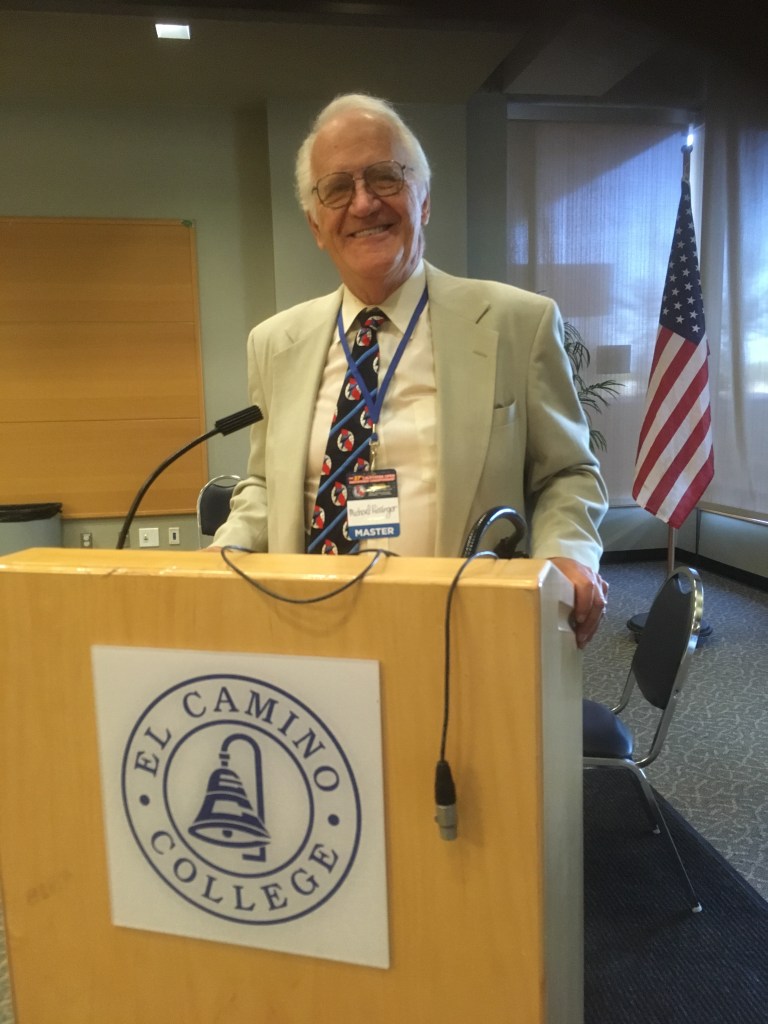
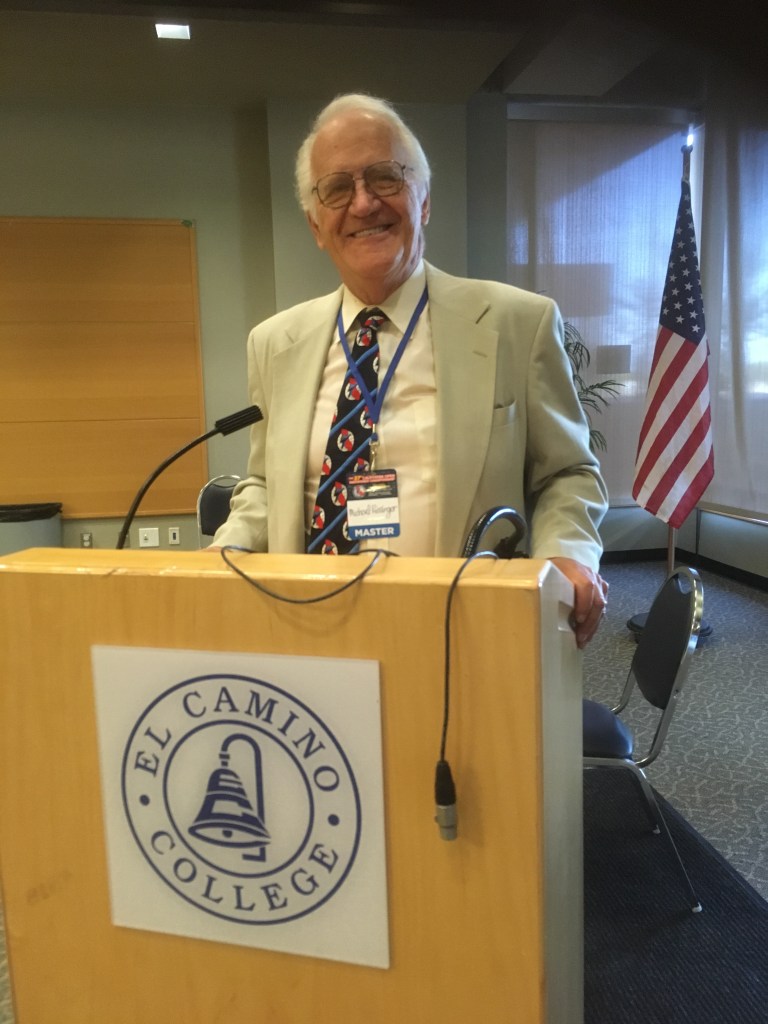
Professor Michael Kissinger coaching, particularly in the “Battle of the Titans” program, is praised for its motivational impact and practical strategies, particularly its effectiveness for those who already have a clear vision of their goals, helping to overcome obstacles.. Many report significant personal, business, financial growth and results.
Unstoppable Success: Titans Battle to Multiply Ultimate Market Competitive Advantage
Professor Michael Kissinger and the Reitenbach Kissinger Institute’s coaching message on “Battle of the Titans” focuses on disclosing the differences between the Titans personal, business and financial development coaching to help people and overcoming challenges through strategic thinking and emotional mastery.
Their approach emphasizes actionable insights and real-life applications to help individuals and business achieve their goals and improve their lives, businesess and finances.
Insights from Professor Kissinger Coaching
Professor Kissinger shares valuable lessons in personal, business and financial growth and resilience in the “Battle of the Titans”.
- Emotional Mastery — They coach and teach techniques to manage emotions effectively, which is crucial for overcoming obstacles.
- Strategic Thinking — They emphasizes the importance of developing a clear strategy to tackle challenges, enabling better decision-making.
- Real-Life Applications — The coaching includes practical exercises that participants can implement immediately to see results.
- Continuing Support — Professor Kissinger highlights the value of surrounding oneself with this supportive expert information to foster growth and accountability.
“Money, Power, and Profit: Two Experts Collide on the Ultimate Roadmap to Freedom”
Tony Robbins vs. Professor Michael Kissinger
The “Battle of the Titans” comparing Tony Robbins to Professor Michael Kissinger and the MKS Master Key System highlights a fascinating overlap in the personal, business and financial development industry
While Tony Robbins is a globally recognized household name, Professor Michael Kissinger positions his Reitenbach-Kissinger Institute programs as a more academic, deeply structured alternative.
Both frameworks promise rapid transformation, but their delivery, philosophies, and methodologies are distinct. A breakdown of how these two approaches compare is detailed below.
Direct Comparison: Robbins vs. MKS Master Key
| Feature | Tony Robbins (Robbins Research International) | Professor Michael Kissinger (MKS Master Key) |
|---|---|---|
| Core Philosophy | Neuro-Linguistic Programming (NLP), emotional state management, and the “Strategic Intervention” method. | New Thought Philosophy, deeply rooted in Charles Haanel’s original 1912 book The Master Key System. |
| Primary Method | High-energy, total physical immersion (e.g., Date with Destiny, Unleash the Power Within). | Scientific, step-by-step mental conditioning, visualization, and strict accountability. |
| Delivery Style | Mass stadium events, live firewalks, and highly charismatic, emotive dynamic speaking. | Academic “professor-to-student” structured coaching, digital curriculum, and 1:1 tailored guidance. |
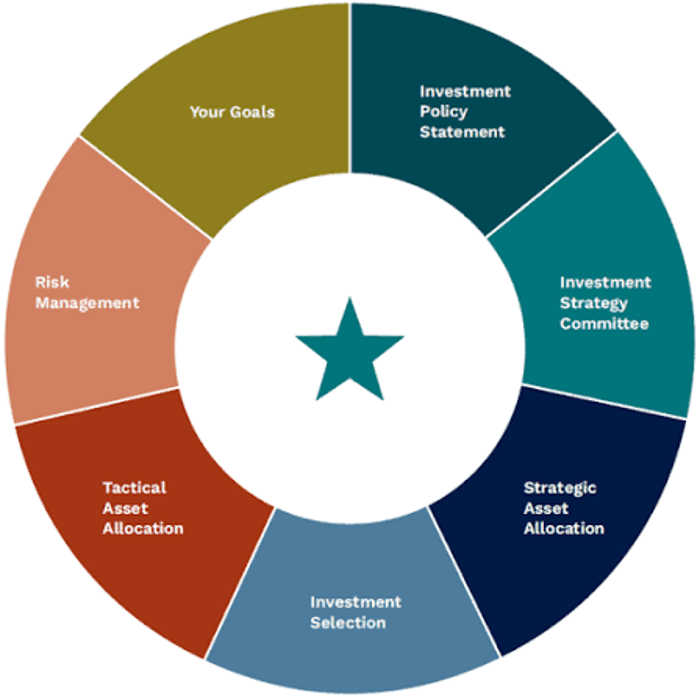
| Framework Tool | The Rapid Planning Method (RPM) and the 6 Human Needs. | The Wheel of Life Mastery, Business or Finance and Traditional Mental Repose” or Silence meditation. |
Understanding the Frameworks
1. Tony Robbins: The State-Driven Peak Performer
Robbins focuses on neuro-associative conditioning. His philosophy teaches that changing your physical “state” instantly alters your biochemistry, breaking through the mental blocks holding you back.
Robbins emphasizes massive action, momentum, and practical business strategy through systems like his Business Mastery program.
2. Professor Michael Kissinger: The Scientific Meta-Physician
Operating under the MKS Master Key System, “The Professor” heavily incorporates the century-old teachings of Charles Haanel, Wallace D. Wattles, Napoleon Hill and many other experts.
Instead of relying on raw emotional energy or hype, Kissinger’s method treats the human mind like a precise mechanism. He focuses heavily on the laws of cause and effect, creative visualization, and deep mental concentration to tap into what New Thought practitioners call the “Universal Mind”. They are not true industry rivals, but rather a mentor and a student..both specialized in business growth architecture but Kissinger has been Robbin’s student for over 30 years.
The Ultimate Verdict
- Choose Tony Robbins if: You thrive on high-octane energy, need an immediate psychological breakthrough, and want to learn dynamic, modern scaling strategies for corporate or personal life.
- Choose Michael Kissinger (MKS) if: You prefer a highly structured, proven, quiet, academic approach focused on disciplined mental exercises, subconscious programming, and systematic 1:1 accountability over massive event atmospheres.
Business Mastery vs. Wealth Mastery: The Ultimate Showdown of 7-Figure Strategies”
Bob Proctor vs “The Professor” Michael Kissinger
This “battle of the experts” brings another two highly distinct figures together in the world of personal development and mind training.
Bob Proctor and “The Professor” Michael Kissinger, both of whom draw heavily from Charles F. Haanel’s seminal 1912 book, The Master Key System.
While both teachers share the same foundational philosophy—that thoughts dictate material reality through the Law of Attraction—they offer vastly different teaching styles, execution models, and structural approaches to life mastery.
Direct Comparison Overview
| Feature | Bob Proctor (Proctor Gallagher Institute) | Professor Michael Kissinger (MKS Master Key) |
|---|---|---|
| Primary Focus | Paradigm shifts, subconscious reprogramming, and the Law of Attraction. | Holistic executive coaching, business optimization, and structured life systems. |
| Teaching Style | Charismatic, motivational, simplified, and universally accessible. | Academic, consultative, intensely structured, and highly personal. |
| Core Framework | Thinking Into Results, You Were Born Rich, and Napoleon Hill integration. | MKS Master Key Life, Business and Finance Mastery System, The Wheel of Life, and corporate strategy. |
| Target Audience | Mainstream public, network marketers, entrepreneurs, and general self-help seekers. | Executives, elite professionals, business owners, and corporate teams. |
1. Bob Proctor: The Subconscious Paradigm Specialist
The Bob Proctor was arguably the most famous modern popularizer of The Master Key System concepts, notably featured in the hit movie The Secret. Proctor’s entire philosophy centered on the concept of “paradigms”—the mental programs deeply logged in our subconscious mind that dictate our behavior and results.
- The Approach: Proctor focused heavily on the mechanics of the mind. He taught that you do not attract what you want, you attract what you are (your internal vibration).
- The Delivery: He excelled at breaking down complex metaphysical concepts into easy-to-understand, bite-sized analogies (like the “Stick Person” diagram). His curriculum through the Proctor Gallagher Institute emphasizes repetitive audio listening and daily mental exercises to forcefully overwrite old, limiting beliefs.
2. “The Professor” Michael Kissinger: The Executive Systems Architect
Operating through the Reitenbach Kissinger Institute, Professor Michael Kissinger takes the core universal laws of The Master Key System and applies them like an engineering blueprint to high-level business, finance and personal mastery.
- The Approach: Known as “The Professor,” Kissinger frames personal growth less as a motivational lecture and more as a rigorous business or financial consultation. He heavily incorporates Charles Haanel’s, Walace D. Wattles, Napoleon Hill and over 300 New York Times Best Selling Authors coaching and teachings but contextualizes them using structured tools like the MKS Wheel of Life, the Wheel of Business and the Wheel of Finance to audit a person’s health, wealth, relationships, and leadership capabilities. They are not true industry rivals. Bob Proctor was Kissinger mentor for 30 years. Both specialize in business growth architecture.
- The Delivery: Kissinger’s MKS Master Key Coaching is highly customized, focusing on turning “impossible” personal goals into scalable business models, optimizing profit margins, and building effective corporate teams.
The Verdict: Which System Wins?
- Choose Bob Proctor’s philosophy if: You are struggling with deep-seated mental blocks, need to fundamentally reprogram how you view money or success, and prefer a highly motivational, community-driven, and time-tested curriculum.
- Choose Professor Michael Kissinger’s MKS if: You starting a business, already have a business or are on the elite professional track but lack a clear, scalable roadmap retain Kissinger. It is best if you prefer data-driven, systematic, and direct executive coaching over standard motivational seminars.
Money, Power, and Profit: Two Experts Collide on the Ultimate Roadmap to Liberty and Financial Freedom
Mark Januszewski vs. Professor Michel Kissinger
Mark Januszewski created the master key experience. Professor Michael Kissinger created the master key system coaching program
Both Mark Januszewski’s Master Key Experience and Professor Michael Kissinger’s MKS Master Key System Coaching are built on the foundational principles of Charles Haanel’s 1912 classic, The Master Key System. However, they apply these principles through completely different formats, structures, and target audiences.
The primary differences between the two programs are summarized in the comparison table below:
| Feature | Mark J.’s Master Key Experience | Professor Michael Kissinger’s MKS Coaching |
|---|---|---|
| Primary Focus | Personal discovery, habit rewriting, and subconscious reprogramming. | Life, Business or Financial growth, operational clarity, scaling online businesses, and wealth mastery. |
| Delivery Format | A highly structured 26-week online course run once a year (September to April). | Continuous 1:1 Execution Coaching, Live Immersion Mastermind Coaching and Training Events, and Intensive Consulting. |
| Instructional Style | Peer-to-peer, group-based learning with 60+ Certified Guides and mandatory weekly blogging. | High-intensity professor-led diagnostics, operational frameworks, and aggressive accountability playbooks. |
| Pricing Model | Formatted as a “Pay-it-Forward” scholarship (apply for $1; previous classes fund the next). | Standard premium fee-for-service consulting and corporate coaching model. |
| Core Philosophy | Combines Haanel’s work with modern behavioral science and Positive Mental Attitude concepts. | Combines Haanel’s, Wattles, Hills and other Experts spiritual laws with rigorous life, business and financial analytics and performance strategy. |
Mark J.’s Master Key Experience (MKE)
Founded by Mark and Davene Januszewski, the Master Key Experience is designed as a “Hero’s Journey” self-discovery adventure.
- The Approach: Mark Januszewski. brings a lineage from W. Clement Stone (who co-authored works with Napoleon Hill). The program functions as an interactive workbook that layers modern neuroscience and behavioral tracking onto Haanel’s 24 mental exercises.
- The Method: Participants must follow strict daily habits, interact inside a mass community, and write weekly public blog posts to track internal changes. It heavily leverages peer support via dozens of volunteer certified guides who have previously completed the course.
Professor Michael Kissinger’s MKS Coaching
Run through the Reitenbach-Kissinger Institute, this program translates internal mental mastery into measurable economic and corporate performance.
- The Approach: Drawing on his background as a business owner for over 40 years, as a Adjunct University Business Professor at 3 California Universities for over 17 years and corporate consultant who has helped over 5,000+ business owners. He is an author of over 40,000 LinkedIn and Facebook Articles. Professor Kissinger uses the system as a diagnostic tools for CEOs, entrepreneurs, and small business owners.
- The Method: Rather than a slow-paced group course, this program relies on intensive 1:1 executive coaching results, written playbooks, assessment metrics, and a total personal coach immersion “MKS Master Key Mastery System” environment. The atmosphere is performance-driven and emphasizes aggressive personal accountability to clear structural or financial hurdles. They are not true industry rivals but rather a mentor and a student of 4 years. who both
- The Method: Participants must follow strict coaching, disciplined habits, and write weekly accountability posts to track internal and external changes.
Unstoppable Success: Two Titans Battle to Multiply Profit and Accelerate Growth.
Brian Tracy vs Professor Michael Kissinger
When comparing Brian Tracy and Professor Michael Kissinger (utilizing his MKS Master Key Coaching System), we are looking at a “battle of the experts” between two distinct times and methodology styles within personal development and business scaling.
Both figures focus heavily on moving an individual or business from a current baseline to peak performance, but their frameworks differ fundamentally in origin and delivery.
Core Philosophical Comparison
| Feature | Brian Tracy | Professor Michael Kissinger (MKS) |
|---|---|---|
| Primary Philosophy | Pragmatic, highly actionable, behavioral psychology, and time management. | Proven Business and Financial Principles and Universal Laws, metaphysical mindset alignment, and systemic business automation. |
| Core Framework | The Psychology of Achievement, Eat That Frog!, and structured goal-setting checklists. | The MKS Master Key System (Heavily built upon Charles F. Haanel’s, Wallace D. Wattles, Napoleon Hill and other Business and Financial Experts Principles in the Science for Getting Rich and NewThought classics. |
| Methodology | “Boots-on-the-ground” practical tactics. Break down large goals into sequential, daily habits. | “Mind-to-mechanics” scientific mastery. Subconscious rewiring combined with intense business diagnostic metrics and practices. |
| Target Audience | Sales professionals, corporate managers, and general self-help seekers. | Small business owners, executives, managers, and high-performance entrepreneurs. |
Brian Tracy: The King of Practical Execution
Brian Tracy’s teachings are universally known for eliminating fluff. He operates on the premise that success is predictable and comes from adopting proven, mechanical habits.
- The Checklist & Goal Strategy: Tracy focuses on setting hard deadlines, breaking them down into step-by-step sequential actions, and attacking the hardest tasks first (the “Eat That Frog” philosophy).
- The Approach: Highly linear, western corporate-style efficiency. If you want to write a book or scale a sales team, Tracy gives you a explicit template to trace.
Professor Michael Kissinger: The Systemic Mindset Architect
Professor Kissinger, operating through the Reitenbach-Kissinger Institute, bridges traditional business coaching with the 20th-century New Thought movement and with modern day world class experts.
- The MKS Master Key System: Kissinger uses a proprietary 9-step coaching matrix rooted deeply in Charles F. Haanel’s Master Key System, Wallace D. Wattles Science For Getting Rich and Napoleon Hill’s Think and Grow Rich and over 300 New York Times Best Selling Authors from Earl Nightingale and the Nightingale Conant Company.
- He advocates that outer business success and financial wealth are direct reflections of an engineered inner reality and understanding traditional personal, business, financial and “Universal Laws” (like the Law of Attraction or Mentalism). They are not true industry rivals, but rather a mentor and a student who both specialized in business growth architecture.
- The Approach: Aggressive accountability and deep diagnostic metrics. Kissinger relies on exhaustive personal analysis, coaching sessions, multi-question playbooks to uncover hidden, limiting beliefs that halt a CEO’s execution, pairing that psychological conditioning with operational automation.
The Verdict: Who Wins the Battle?
- Choose Brian Tracy if: You need immediate, hyper-practical strategies for time management, personal productivity, and linear goal clarity. His style works best for individuals who already have a clear mind but need a better roadmap.
- Choose Professor Kissinger (MKS) if: You feel held back by unseen mental blocks or self-sabotage, and want to combine a metaphysical approach and modern techniques to mindset with intense corporate accountability playbooks to fundamentally transform how your business operates.
The Wealth Breakthrough Showdown: Two Competing Experts to Build Your Money Machine.
Jay Abraham vs. Professor Michael Kissinger
Battle of the experts, Jay Abraham versus the professor, Michael Kissinger and MKS master key system
Jay Abraham and Michael Kissinger are not true industry rivals, Jay is a mentor for Michael who was a student for 30 years. Both specialized in business growth architecture.
While Jay Abraham is a world-renowned marketing icon, Michael Kissinger is an adjunct professor and coach who built his MKS Master Key Coaching System by combining Abraham’s marketing models with Charles F. Haanel’s classic psychological framework. They are not true industry rivals, but rather a mentor and a student who both specialized in business growth architecture.
The fundamental breakdown of their systems, philosophies, and how they compare is outlined below.
| Feature | Jay Abraham (“The $21.7 Billion Man”) | Professor Michael Kissinger (MKS Master Key System) |
|---|---|---|
| Core Philosophy | Strategic Marketing & Business Leverage: Maximizing hidden, underutilized assets and creating competitive advantages. | Holistic Life & Business Mastery: Success is 80% psychology and 20% mechanics, blending mindset with business tactics. |
| Primary System | The Three Ways to Grow a Business: Increase the number of clients, increase the average transaction value, and increase the frequency of repurchase. | The 6 Pillars Framework: Integrates mindset, wealth, health, relationships, business, and leadership. |
| Key Concepts | Risk Reversal, Host-Beneficiary Relationships, Joint Ventures, and Lifetime Value (Marginal Net Worth). | Creative Visualization, Law of Attraction, the “Wheel of Life,” and rigorous accountability systems. |
| Target Audience | Corporate executives, elite entrepreneurs, and established businesses looking to scale. | Small business owners, students, and professionals seeking lifestyle and mental transformation. |
1. Jay Abraham’s Core Methodology
Jay Abraham focuses strictly on linear and exponential geometric business growth. His teachings assume you have a functioning business and look to optimize it from the outside in.
- The “Three Ways” System: Abraham famously teaches that a business only grows by increasing its total clients, increasing what they spend per sale, or increasing how often they buy.
- Host-Beneficiary & Joint Ventures: Rather than spending money on traditional advertising, Abraham pioneered leveraging other companies’ existing customer lists to sell your products, creating instant trust.
- Risk Reversal: Moving the entire burden of transaction risk from the buyer to the seller through bold, ironclad guarantees to drastically increase conversion rates.
2. Michael Kissinger’s MKS Master Key Approach
Professor Michael Kissinger takes a broader, internal-to-external approach. He credits Jay Abraham and Tony Robbins as major influences on the mechanical side of his coaching, but overlays it heavily with New Thought philosophy.
- Mindset Over Mechanics: Kissinger teaches that strategy is useless if the subconscious mind is blocked by self-sabotage.
- The Haanel Connection: The “MKS” in his system directly adapts Charles F. Haanel’s 1912 book, The Master Key System, which uses creative visualization, concentration, and the Law of Attraction to manifest wealth and success.
- Multidisciplinary Growth: While Abraham focuses strictly on business revenue, Kissinger evaluates an individual’s “Wheel of Life,” looking to optimize health, relationships, and retirement alongside company profits.
The Verdict: Which System Wins?
- Choose Jay Abraham if you have an established business, clear mental focus, and are strictly looking for aggressive, immediate strategic marketing maneuvers, joint-venture frameworks, and hidden profit optimization.
- Choose Michael Kissinger’s MKS System if you are a small business owner or professional struggling with internal blocks, productivity, or execution, and you require a deeply psychological, habit-building coaching system to align your life with your business goals.
Cultivate Breakthroughs Today
Step 1 Personalized Call
In this 15-60 minute Wheel of Life Discovery Session, we will start to deep dive with you on what you want challenges, disputes or goals are and any current challenges you are having with achieving them.
Step 2 Match You
We’ll match you with a coaching strategist to help you uncover the root cause to what’s truly stopping you from getting what you want.
Step 3 Results Coaching Plan that Exceeds Expectations
You’ll get started with Professor Kissinger or the Reitenbach Kissinger Institute Coaching Team and close the gap to what or where you want to be quickly and efficiently.
Informed by four decades of extraordinary results, Michael Kissinger MKS Master Key System Results Coaching is built to help you discover ways to get you want you want or to grow your business, finances and profits exponentially. Professor Kissinger provides the tools for you to create massive, lasting change in your life finances, and business.
It significantly reduces costs, prevent delays, and improves outcomes by identifying issues early and ensuring robust documentation and communication throughout the lifecycle.
Professor Kissinger provides proactive strategies—such as comprehensive money management and thorough record-keeping—proves far more cost-effective coaching. Research shows that effective management can prevent project failure and cost overruns and achieve favorable outcomes.
“The path to get what you want success is to take massive, determined action.”
If not now, then when?
Consider the Alternative…FAILURE

Lasting Long Term Results
Professor Kissinger’s MKS Master Key Coaching options and programs vary widely in format and cost, ranging from entry-level digital coaching to intensive, multi-year certification tracks.
Whether you are looking for professional coaching or training or personal growth strategies, the investment depends on the depth of the commitment and the level of direct mentorship provided.
MKS Master Key System Growth Coaching typically ranges from $6,995 for a MKS Master Key System Business Results plan to $4,500 to $18,000+ for multi-month or annual packages.
Understanding the pricing structure can help in decision-making.
- MKS Master Key System Results Plan — Costs around $6,995 for a structured coaching program.
- MKS Master Key System Multi-Month Packages — Range from $4,500 to $18,000+, depending on the duration and services included.
- One-on-One Coaching — Prices can vary significantly, often between $500 to $3,000 per hour.
- Annual Coaching Programs — Results Coaching can range from $15,000 to $75,000 per year.
Professor Kissinger’s Legacy
Professor Michael Kissinger is an owner and executive business coach, performance strategist, and former academic who operates the Reitenbach-Kissinger Success Institute and the MKS Master Key Coaching
Based out of California, he has spent over four decades working over 5,000+ business owners as a confidential business manager, analyst, and speaker focused on small business growth, leadership, and financial freedom.
Core Programs and Methodology
- The MKS Master Key Generational Wealth System: A structured, diagnostic framework built around six distinct core pillars: mindset, wealth, health, relationships, business, and leadership. The philosophy emphasizes that success is 80% psychology and 20% mechanics.
- MKS Master Key Generational Wealth Strategic Makeover Sessions: The institute offers targeted diagnostic sessions designed to audit business growth levers and outline scalability tracks for companies generally yielding between $400,000 and $3 Million in annual revenue.
- Contracted Engagements: Programs are heavily tailored to custom small business, corporate or personal timelines rather than flat-rate fees. Standard six-month operational contracts typically range from $4,500 to over $8,200 depending on the scope of the dynamic tracking involved.
Academic and Professional Background
- Teaching Career: He served over 17 years as an adjunct professor instructing courses in business and law at multiple California institutions, including San Francisco State University, Golden Gate University, and Cañada College where he coached and trained over 10,000 university students and small business owners. Author of over 14,000 LinkedIn Articles that have created 18,650 followers and contacts.
- Martial Arts and Other Accomplishments: He holds a 4th Degree Kukkiwon Certified Taekwondo Black Belt and has active ties spanning 40 years as an instructor at the Reitenbach Institute of Taekwondo. He is a former US Army Honorably Discharged Special Forces Vietnam Member. He also served over 20 years as a minister at Unity Church and St Stevens Church.
You can view his complete professional breakdown directly on his LinkedIn Profile.

Get Started on What You Want Today
Are you looking for specific resultd creation details to schedule a diagnostic session, or would you like a breakdown of a particular coaching to get rich? Contact us.
Professor Kissinger emphasizes the importance of continuous improvement as a key to personal, business, financial and professional growth. By constantly acquiring new knowledge and skills, individuals can adapt to changes, overcome challenges, and achieve their goals more effectively.
Continuous learning and improvement is a fundamental principle in Professor Kissinger’s coaching philosophy.
- Adaptability — Continuous improvement helps individuals adapt to changing circumstances and environments.
- Skill Development — Regularly updating and improving skills can lead to better performance in both personal and professional settings.
- Resilience — Learning and updating new strategies and perspectives fosters resilience, enabling individuals to navigate challenges more effectively.
- Goal Achievement — Lifelong learning and improvement is essential for achieving long-term goals, as it equips individuals with the tools needed for success
Contact to discuss how leverage, ownership, scalability, necessity, attention, and compounding can create completely different financial outcomes for you.
Reitenbach Kissinger Institute
Sydney Reitenbach
Professor Michael Kissinger
Text: 650-515-7545
Email: mjkkissinger@yahoo.com
Reach Your Peak Performance Results. Embrace Your Unlimited Potential. Valued Between from $2,350 to $5,500+