
Participants frequently highlight these aspects of the Reitenbach Kissinger Institute programs: Transformative — Many clients report significant changes in their approach to client attraction and business growth. Empowering — The program is noted for boosting confidence and motivation among participants. Practical — It provides actionable strategies that can be implemented immediately to attract clients.

“Attracting Clients Consistently”
Reitenbach Kissinger Institute Coaching Success Systems and Tools are the only methodologies in the world designed specifically to move successful individuals from extraordinary performance to peak impact.
Reitenbach Kissinger Institute emphasizes the importance of understanding client needs and building strong relationships to attract clients consistently. He advocates for leveraging effective marketing strategies, providing value, and maintaining a positive mindset to create lasting connections with potential clients.
Key Strategies for Attracting RKI Clients
- Understanding Needs — Identifying and addressing the specific needs of clients is crucial for attraction.
- Building Relationships — Establishing trust and rapport with clients fosters loyalty and repeat business.
- Effective Marketing — Utilizing targeted marketing strategies can enhance visibility and reach potential clients effectively.
- Providing Value — Offering valuable content and solutions positions you as a trusted authority in your field.
- Positive Mindset — Maintaining a positive and proactive approach can significantly influence client attraction efforts.
- Official Certification — Provides a coveted professional badge that immediately distinguishes your expertise in a crowded market.
- Proven Breakthrough Techniques — Give you access to the same methodologies used by the world’s most successful entrepreneurs, small business owners, athletes, entertainers, and business leaders.
- Lasting result transformations: — Backed by 4 decades of research, giving you a scientific foundation to build momentum for your own clients.

The Potential of the Worldwide Coaching Business and the Personal Development Industry
The Business and Personal Development Industry is experiencing significant growth, with the global market projected to reach approximately $76.62 billion by 2032, reflecting a compound annual growth rate (CAGR) of 6.0% from 2025.
Market Potential and Trends
The industry is driven by various factors influencing its expansion.
- Market Size — The personal development market was valued at $40.1 billion in 2022 and is expected to grow at a CAGR of 7% from 2023 to 2032.
- Digital Learning — Increasing adoption of digital learning platforms is a key driver of growth.
- Awareness — Growing awareness of self-improvement and personal growth is fueling demand.
- Diverse Offerings — The market encompasses coaching services, wellness applications, and leadership development
The global personal development market is experiencing sustained expansion as individuals and organizations prioritize self-improvement, with the sector’s valuation reaching approximately $57.45 billion in 2026. This ecosystem has evolved from a niche self-help category into a sophisticated industry spanning online learning, coaching, leadership training, and mental wellness.
What is the projected growth rate for the personal development market by 2030?
| Market Segment | 2025 Valuation | 2030/2032 Projection | Primary Drivers |
|---|---|---|---|
| Personal Coaching | $50.88 Billion | $72.95 Billion | Increased disposable income and digital accessibility |
| Corporate L&D | $54.14 Billion | $78.87 Billion | Leadership training and skill enhancement needs |
| Digital Platforms | $53.73 Billion | $70.55 Billion | AI-powered personalization and coaching scalability |
| Global Aggregate | $51.00 Billion | $89.95 Billion | Rising self-awareness and career advancement goals |
Market Growth Drivers
The sector thrives as both individuals and enterprises recognize the strategic value of continuous self-improvement in an increasingly competitive landscape. Companies are shifting their budgets away from traditional technical training toward people-centric skills to better manage workforce pressures and job volatility.
- Corporate learning budgets represent the most significant growth opportunity, with enterprises investing heavily in leadership and productivity solutions that currently occupy only a fraction of total training spend.
- Digital transformation tools are lowering delivery costs for providers while enabling broader access to workshops and seminars via hybrid and online formats.
- Artificial intelligence integration is revolutionizing the delivery of content, with conversational coaching engines now providing personalized experiences at scale for global users.
Regional Performance Trends
North America maintains the dominant market share, though significant investment and interest are rising rapidly across European and Asian markets as the focus on mental wellness and career mobility intensifies. The industry landscape reflects a global shift where professional development is increasingly treated as a long-term asset rather than a discretionary expense.
- North American dominance remains anchored by established infrastructure and high demand for executive and personal coaching services.
- Asia-Pacific markets show emerging strength, particularly in Japan and China, where demand for skill enhancement is tied to rapid economic and technological evolution.
- Mental health awareness serves as a primary focus area, driving sustained demand for mindfulness and wellness resources that support holistic professional growth.
Projections indicate that this trajectory will continue through the next decade, with the industry moving toward a fully integrated ecosystem of professional and personal development solutions.

The Potential of the American Coaching Business and Personal Development Industry
The global personal development market is expanding significantly, with valuations climbing toward an expected $72.95 billion by 2030. This growth is driven by a shift toward digital-first learning, increased investment in professional coaching, and a heightened focus on mental wellness within both corporate and individual sectors.
What is the projected annual growth rate for the professional coaching industry?
| Market Segment | 2025 Market Share | Key Growth Driver |
|---|---|---|
| Personal Coaching | 30.2% | Individualized performance enhancement and mentorship demand |
| Mental Health | 31.9% | Growing awareness of emotional intelligence and wellness |
| Corporate Training | 36% | Priority shift toward continuous workforce skill development |
Market Expansion and Projections
Rapid digitalization of education and the increasing adoption of remote work models are fundamentally reshaping how individuals and enterprises consume development resources. This transformation is fueled by several evolving factors that continue to elevate the industry’s reach and impact:
- Artificial intelligence integration has become a primary catalyst for engagement, with immersive learning formats and personalized AI tools driving stronger results for users.
- Lifelong learning trends are shifting from niche interests to career imperatives, encouraging professionals to invest consistently in skill-building throughout their lives.
- Emerging market demand in the Asia-Pacific region is accelerating, with countries like India and Singapore contributing to the fastest compound annual growth rates globally.
Corporate and Regional Dynamics
North American enterprises currently maintain the largest share of the industry, fueled by heavy investment in leadership development and professional mobility. As organizations navigate shifting economic pressures, they are prioritizing strategies that foster both individual output and team-wide emotional intelligence.
- Employee wellness programs are becoming standard in major economies, as companies move to balance high-performance expectations with long-term mental health support.
- Subscription-based learning platforms now offer universities and multinational corporations scalable ways to deliver continuous self-awareness and management training.
- Analytical thinking skills remain a core focus for workforce development, as organizations leverage training data to address measurable social and professional pressures.
The industry shows clear momentum as it moves beyond traditional self-help models into a highly structured, data-driven ecosystem.
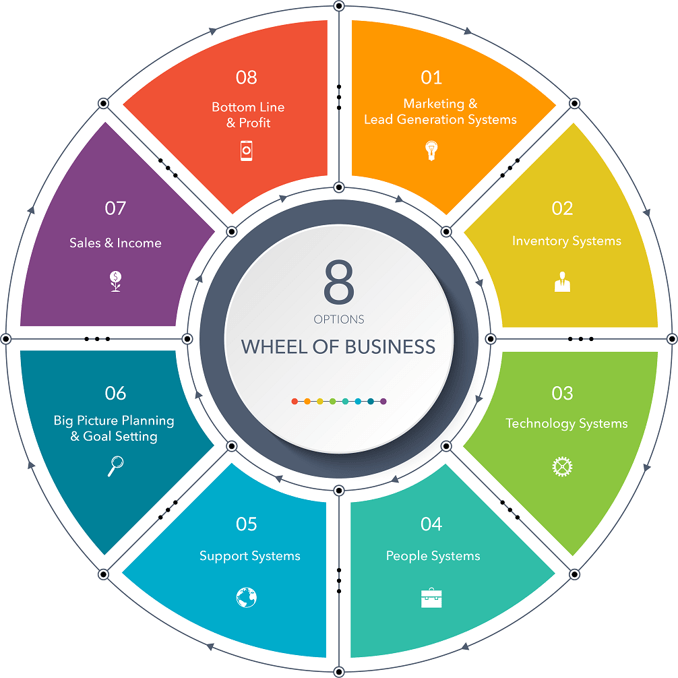
The Best and Most Effective Coaching Business Plan
A practical consulting business plan functions as an actionable roadmap rather than a lengthy document, keeping your focus on the highest-leverage activities necessary to build a sustainable practice. For a coaching or consulting business based in California, the most effective approach balances strategic clarity with strict regulatory compliance to avoid significant fines or operational disruptions.
What specific liability insurance do consulting firms need in California?
| Plan Component | Focus Area | Key Strategic Objective |
|---|---|---|
| Executive Summary | Business overview | Define your specific service, target market, and primary goals for the first year. |
| Niche Analysis | Relentless specialization | Differentiate your practice by moving away from broad categories toward specific problem-solving. |
| Operational Roadmap | Service delivery | Map out consistent consultation structures to refine your conversion and feedback processes. |
| Legal Requirements | California compliance | Identify necessary permits and tax registrations to ensure your business remains legally sound. |
Strategic Development Sections
A successful plan focuses on the “Efficiency Gap” between manual drafting and modern execution, allowing you to pivot rapidly while maintaining high-level professionalism. By focusing on your niche and specific revenue model, you transition from a general practitioner to a boutique expert whose services are clearly valued by your target clients.
- Business plan structure should mirror a simplified version of the SBA’s nine-part model, aiming for a 5-to-10-page document that is reviewed and updated quarterly.
- Client acquisition costs must be tracked closely, especially if you are scaling with associate consultants or digital product offerings.
- Revenue model design helps you treat your own business as your most important client, monitoring systems and peer support to drive growth.
Navigating California Regulations
Operating in California requires diligence regarding state-specific labor laws and professional oversight, particularly if your business model expands to include employees or contractors. Professional boards may have specific requirements for your practice, so detailed research into your service offerings is critical to ensure you remain compliant with state tax and employment regulations.
- California tax requirements mandate registration with the CDTFA if you sell taxable services or goods, alongside Employment Development Department filings for any staff.
- Operational deficits and initial capital expenditures should be calculated within your five-year financial model to ensure you have adequate runway until the practice reaches profitability.
- Scaling your practice can be achieved through diverse income streams like online courses or productized frameworks, reducing your reliance on purely hourly billing as you grow.
Your actionable consulting roadmap is designed to guide you toward sustained growth, and by focusing on execution rather than just documentation, you build a practice that delivers real impact for your clients.
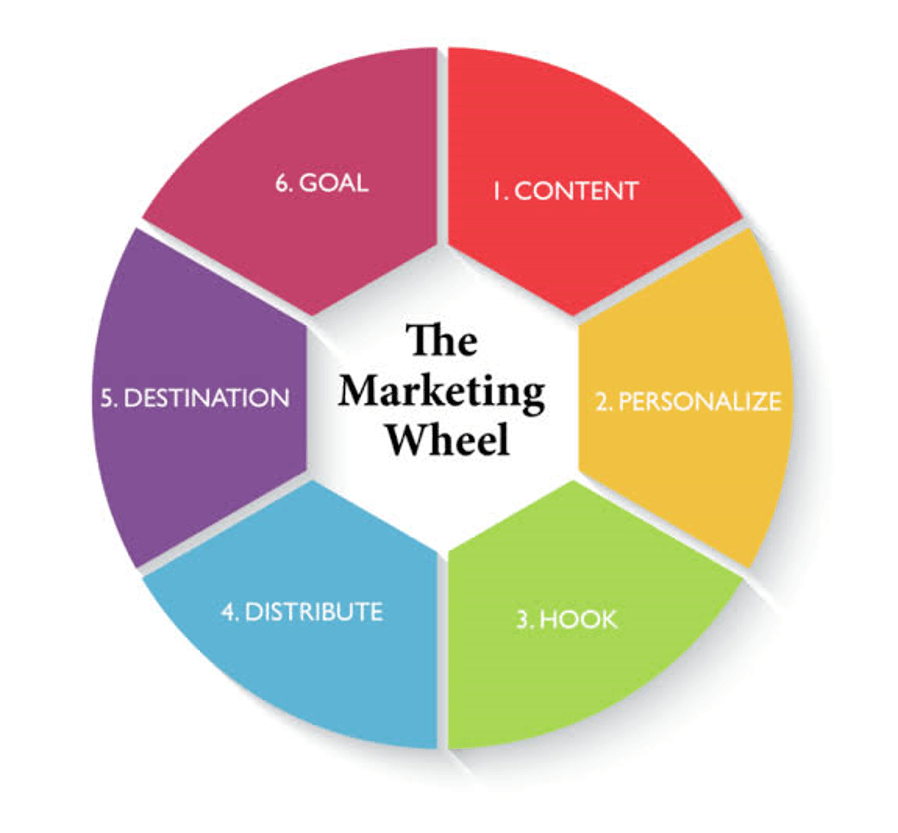
The Best and Most Effective Coaching Business Marketing Plan
The most effective marketing for consulting and coaching firms relies on a hybrid approach that builds authority, demonstrates clear expertise, and nurtures long-term relationships through consistent value. By aligning content strategy to specific buyer intent and maintaining a disciplined outreach rhythm, firms can transform prospects from initial awareness into booked discovery calls.
How do I target local clients in the competitive California consulting market?
| Marketing Strategy | Primary Goal | Implementation Method |
|---|---|---|
| Referral system programs | Acquire new clients | Ask existing clients for introductions immediately following a breakthrough |
| Targeted LinkedIn outreach | Generate B2B leads | Post strategic insights three to four times per week consistently |
| Owned email newsletters | Nurture warm leads | Share research and industry trends relevant to past or current clients |
| Content library development | Establish authority | Produce whitepapers and case studies that solve specific audience pain points |
Strategic Client Acquisition
High-touch strategies remain essential for acquiring high-value clients in California’s competitive professional services landscape. While digital methods dominate, persistence in direct communication often yields the highest conversion rates for consultants who view relationship-building as a continuous cycle rather than a one-time sales effort.
- Direct outreach calls — direct outreach phone calls remain surprisingly effective, with research indicating that persistence in a follow-up sequence significantly boosts response rates over time.
- Strategic industry events — networking and events consistently rank as top marketing methods for consultants, providing a venue to demonstrate value and build personal credibility rather than engaging in direct sales.
- Systematic relationship management — recurring task systems allow you to reach out to past clients every 90 days, ensuring you remain top-of-mind without the interaction feeling like an awkward, unsolicited sales call.
Optimizing Digital Presence
Digital marketing works best when you prioritize the platforms where your specific target audience already spends their time. By humanizing your brand through educational content and thought leadership, you make it easy for the right prospects to recognize your expertise and engage with your methodology.
- Short-form video content — short-form video platforms like Instagram Reels or YouTube Shorts help build visibility by sharing behind-the-scenes moments and quick tips that humanize your coaching brand.
- Strategic content pillars — implementing content pillars ensures that your social media presence remains consistent, educating and inspiring your audience while building long-term trust through reliable frequency.
- Conversion-focused measurement — measuring marketing effectiveness through leading indicators like discovery call conversion rates helps you understand which channels actually move the needle for your specific consulting practice.
Establishing a consistent 90-day commitment to optimizing your professional profile is often the single most transformative action a coach or consultant can take to sharpen their pipeline and attract qualified leads.
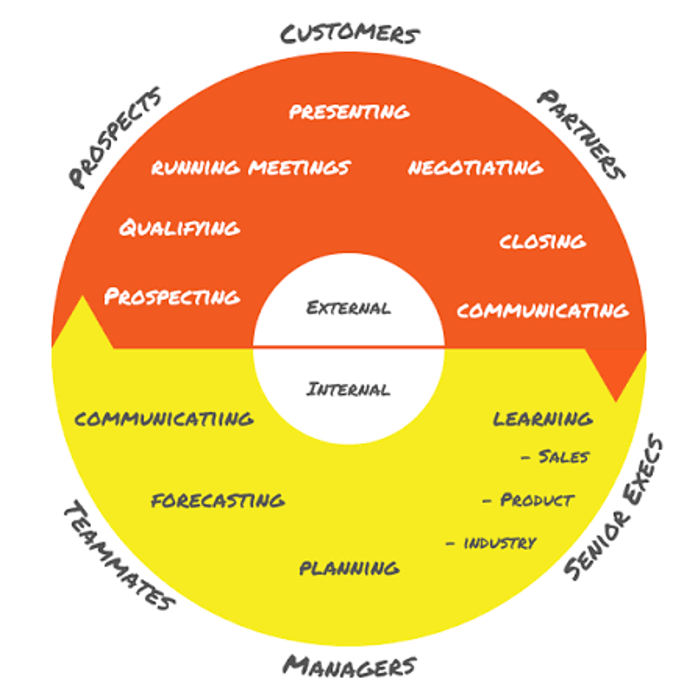
Best and Most Effective Coaching Sales Business Sales Plan
A repeatable outreach system designed for high-value executive clients serves as the foundation for a sustainable coaching or consulting practice. By focusing on specific pain points and meaningful conversations rather than immediate sales, you establish the professional credibility necessary to scale your business.
How do I structure a high-ticket coaching offer for California clients?
| Sales Stage | Focus | Key Action |
|---|---|---|
| Lead identification | Starting relationships | Reference specific sector bottlenecks |
| Discovery calls | Understanding situation | Use automated confirmation sequences |
| Needs assessment | Building proposal | Frame tiers around ROI |
| Internal review | Holding accountability | Define proprietary intellectual property |
Strategic Development
Coaching business success relies on moving away from passive marketing strategies toward a robust growth operating system. Defining your intellectual property and creating tiered offers allows you to scale your impact while effectively communicating your unique process for solving client problems.
- Niche definition — SaaS founders scaling from specific revenue targets represent a far more effective market focus than general business coaching.
- Product design — Tiered offer structures provide different levels of access, making it easier for clients to choose a container that fits their needs.
- Outreach activity — High-intent prospects respond better to proprietary assessments or high-value checklists than to long-form marketing content.
Pipeline Management
Consulting sales funnels effectively convert prospects by prioritizing genuine value and consistent follow-ups. Since the initial engagement is the most difficult sale to secure, your priority should be minimizing technical friction and maximizing the lifetime value of every new client.
- Automated check-ins — Onboarding sequence emails remind clients of the value you deliver while creating ongoing opportunities for referrals.
- Objection handling — Listening first techniques allow you to understand the underlying “why” behind a budget concern before formulating your response.
- Performance metrics — Call volume data tells you exactly where your funnel is leaking, helping you identify whether your messaging resonates with your target audience.
Sustainable coaching practices typically achieve break-even status within a few months, provided you maintain a disciplined approach to both your financial model and your client workflow.
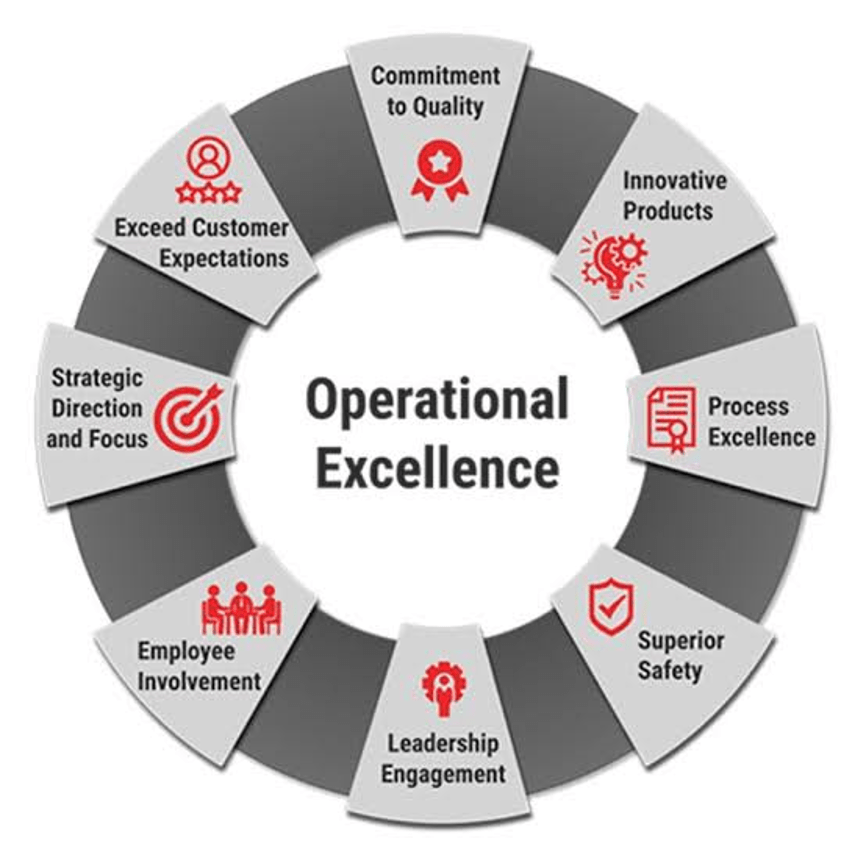
Best and Most Effective Coaching Business Operational Plan
A robust coaching business plan serves as your primary operational roadmap, outlining core strategies, service models, and financial projections essential for sustainable growth in the California market. Developing this document early provides the structure needed to manage resources effectively while tracking your progress toward specific income goals.
What are the specific licensing requirements for coaching businesses in California?
| Operational Component | Focus Area | Key Implementation Strategy |
|---|---|---|
| Positioning statement | Niche Definition | Clearly define who you help, the problem solved, and the resulting outcome. |
| Client path | Discovery Process | Establish one or two reliable channels where potential leads discover and trust you. |
| Delivery framework | Session Structure | Standardize agreements, intake forms, and action plans to maintain professional boundaries. |
| Revenue model | Financial Scaling | Utilize a simple pricing structure, such as package deals or retainers, to ensure consistency. |
Establishing Core Operations
Your operational foundation should remain lean in the early stages, focusing on the minimum viable setup required to deliver value to your clients. By documenting your workflows and best practices, you create a scalable “playbook” that defines exactly how your business functions daily.
- Administrative workflows within a central knowledge hub allow for consistent service delivery and easier onboarding as your team expands.
- Secure storage for client notes and documentation is essential for maintaining privacy standards while streamlining your coaching sessions.
- Service offerings should be defined by the specific outcomes provided, allowing you to establish clear pricing models based on hourly rates or project retainers.
- Market analysis helps you differentiate your brand by identifying the strengths and weaknesses of local California competitors.
Financial and Growth Strategy
Scaling your practice successfully requires transitioning from casual operations to a structured professional model that supports long-term revenue targets. Maintaining a focus on high-leverage activities while bootstrapping your initial launch helps eliminate the need for external funding.
- Financial projections should map out your journey toward six-figure revenue, often achievable within 9 to 18 months of consistent client acquisition.
- Sales and marketing energy is best directed toward specific sectors, such as technology or healthcare, to build a reputation as a specialized expert.
- Initial client acquisition costs must be closely monitored to ensure that your business remains profitable as you scale your service offerings.
- Niche value propositions differentiate your practice from generic services, allowing you to command premium pricing for your specific expertise.
A well-executed operational plan ensures that your business goals, strategies, and day-to-day activities remain perfectly aligned.
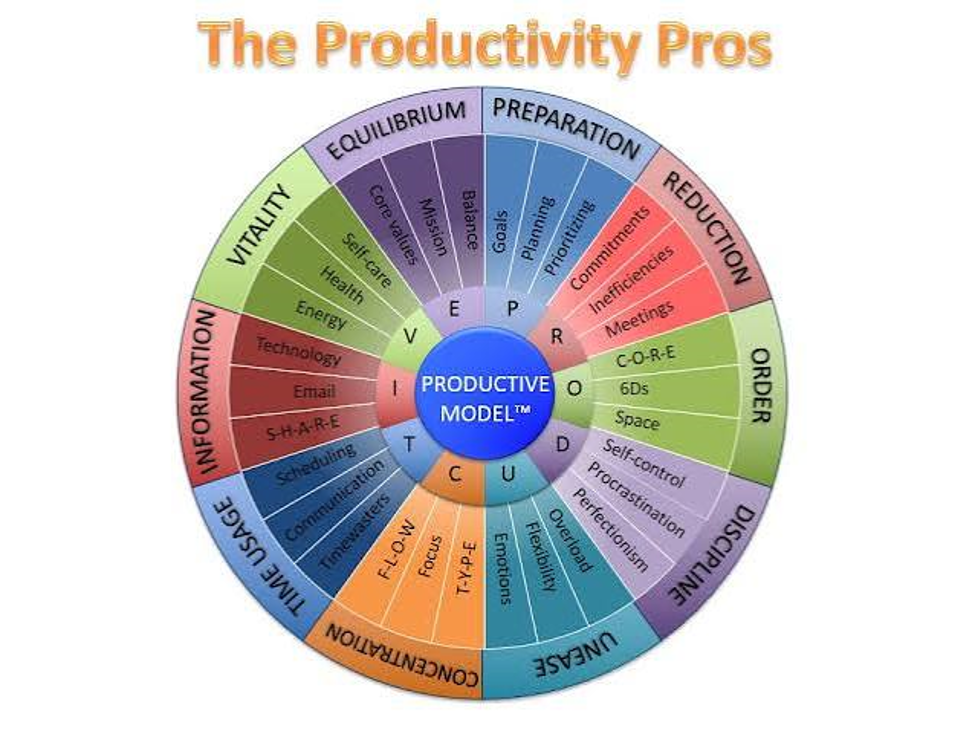
Best and Most Effective Coaching Business Productivity Plan
A well-structured business plan serves as the primary roadmap for coaching and consulting firms in California, transforming broad goals into specific, actionable strategies for long-term growth. By clearly defining your unique selling proposition and service model, you create the foundation needed to effectively scale your practice while maintaining operational efficiency.
What specific business licenses are required for consultants in California?
| Operational Component | Focus Area | Key Implementation Strategy |
|---|---|---|
| Business Positioning | Niche Definition | Specific client profiles prevent market dilution by focusing on targeted problem-solving rather than generalized coaching |
| Revenue Model | Pricing Strategy | Hourly rates or retainers ensure consistent cash flow while matching your income goals to package delivery |
| Client Acquisition | Marketing Funnel | Weekly structured conversations through a single primary channel provide clear conversion data over a 90-day period |
| Administrative Setup | System Automation | Client booking systems and secure digital storage form the minimum viable setup for solo practitioners |
Developing Your Core Workflow
Operational plan checklists act as the backbone for your business by ensuring that tasks are coordinated and resources are used effectively to achieve your professional goals. For a solo consultant or coach, maintaining a simple, repeatable system is more important than creating an overly complex corporate document.
- Actionable business roadmaps keep you focused on high-leverage activities like client acquisition and service delivery rather than administrative bloat.
- Minimum viable setup includes selecting the right tools, standardizing client agreements, and establishing clear boundaries for session work.
- Ready-to-use manuals hosted on platforms like Notion help document your SOPs and best practices as your team and client list eventually grow.
Strategic Growth and Scaling
Five-year financial models allow you to project scalability and EBITDA growth, providing a clear view of how your service offerings like strategic advisory or digital transformation will impact revenue. As your business matures, you should regularly analyze your competitive landscape in California to refine your marketing strategy and maintain a strong brand position.
- Competitive research analysis encourages you to evaluate what your peers are doing well or poorly to sharpen your own value proposition.
- Year-one revenue models typically target a baseline income of $96,000 annually by managing a steady load of ten active clients per month.
- Defined service offerings set a firm revenue floor, ensuring that your staffing needs are aligned with the high-touch advice you provide to startups or SMEs.
A focused business planning approach helps new coaches transition from part-time practice to full-time success by maintaining consistency until revenue reliably covers your living expenses.
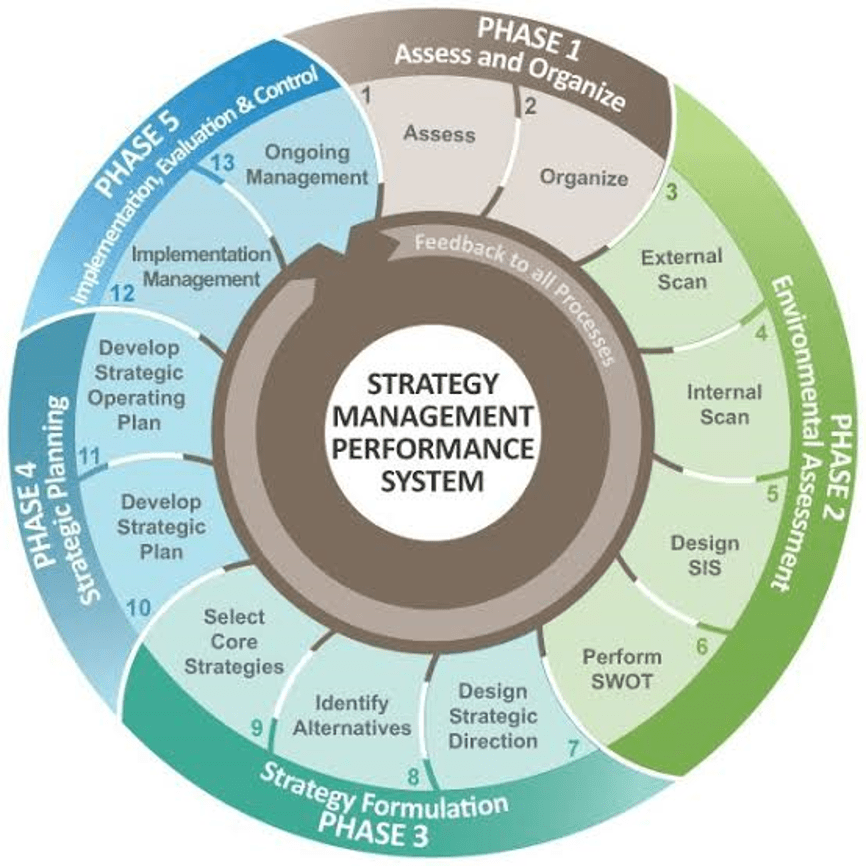
Best and Most Effective Coaching Business Administration Plan
Operating a successful practice in California requires a structured approach to compliance, operations, and client management to ensure long-term stability. Maintaining a lean administrative framework allows you to focus on your core expertise while mitigating risks inherent in the state’s regulatory environment.
What California business licenses are required for independent coaching consultants?
| Administrative Area | Focus Area | Key Implementation Strategy |
|---|---|---|
| Regulatory Compliance | State-level requirements | California tax requirements include mandatory registration with the CDTFA and potentially the EDD for employees. |
| Operations Model | Workflow efficiency | Clients book through a centralized system while signed agreements and intake forms are stored in a secure location. |
| Financial Management | Risk mitigation | Maintain 3-6 month cash reserves to offset long sales cycles and diversify income through retainers. |
| Professional Liability | Legal safeguards | Professional liability insurance with E&O coverage helps protect against potential reputation damage or claims. |
Streamlining Core Operations
Developing a sustainable business model relies on creating systems that handle repetitive tasks automatically. This ensures your time remains dedicated to high-value consulting engagements rather than administrative maintenance.
- Systemized intake processes — Intake and onboarding should be standardized so every client receives invoices and project documentation through the same secure platform.
- Project closure protocols — Standardized templates for project reports help formalize knowledge and ensure that every engagement ends with clear, documented results.
- Capacity-driven hiring — Current consultant utilization rates should be mapped against demand to determine when it is appropriate to onboard new staff.
- Agile quarterly reviews — Quarterly reviews and annual resets help keep your business plan relevant by adjusting to shifts in market trends and client needs.
Navigating California Requirements
The regulatory landscape in California is extensive, necessitating proactive attention to labor and tax laws. Establishing a robust foundation early prevents future penalties and ensures your business is prepared for growth.
- Compliance with regulations — General operating permits may be required beyond professional licenses, so consulting with a local advisor familiar with state mandates is recommended.
- Employee labor laws — California’s labor laws are comprehensive, covering everything from workplace safety to specific wage requirements for any staff you hire.
- Defined engagement letters — Clear engagement letters that limit your liability are essential tools for managing client expectations and protecting your firm from professional claims.
- Strategic risk management — Detailed SOW documents with defined deliverables help prevent scope creep, which is a common risk in long-term consulting engagements.
Adopting these administrative structures will help your practice scale effectively while maintaining the professional rigor necessary to succeed in a competitive market.
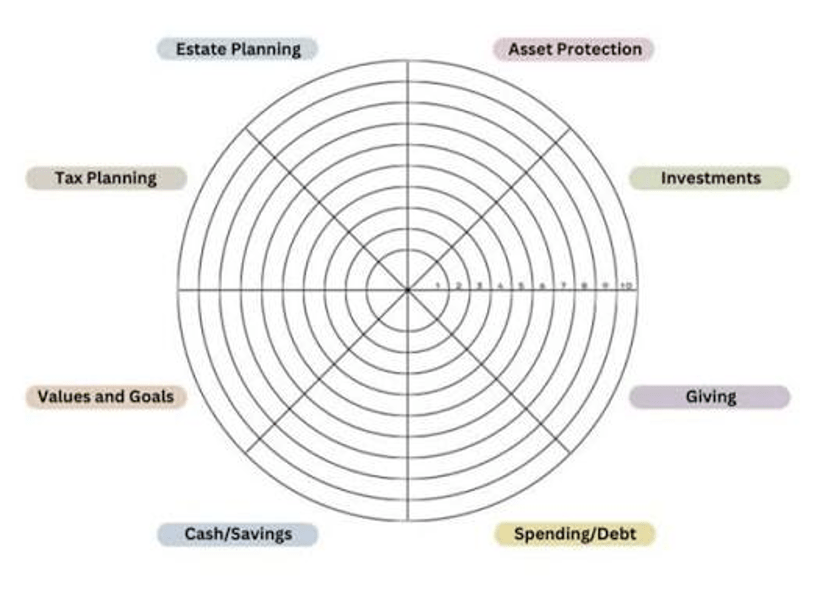
Best and Most Effective Coaching Business Financial Plan
A robust financial plan for your California-based coaching and consulting business should synchronize your professional scaling goals with your personal wealth targets through a recurring roadmap. Because California presents unique tax challenges, successful owners prioritize a unified strategy that encompasses entity structure, rigorous bookkeeping, and proactive tax mitigation year-round.
How should I structure my California consulting business for tax efficiency?
| Focus Area | Priority Strategy | Operational Impact |
|---|---|---|
| Business operations | Define your specific niche | Clarifies the target audience and service outcomes |
| Cash flow | Require upfront deposits | Front-loads project revenue while significantly reducing non-payment risk |
| Tax mitigation | Optimize S Corp salary | Avoids excessive payroll taxes by basing pay on market roles |
| Internal accounting | Reconcile accounts monthly | Supports accurate tax planning and improves overall financial visibility |
Core Financial Structures
Operating a consulting firm in California requires precise management of revenue and expenses to navigate state-level tax obligations. Building a sustainable model relies on consistency and the use of tools that automate the separation of business and personal finances.
- Accountable plan structures allow you to reimburse yourself for business expenses like internet, home office use, and mileage tax-free.
- Regular home office deductions often produce much higher annual savings in high-cost California markets compared to the simplified IRS method.
- Solo 401(k) plans provide high-income business owners with substantial opportunities to defer taxes while building long-term retirement wealth.
- Entity-level tax elections (PTE tax) offer a path for owners of qualifying S corporations or partnerships to receive credits against their personal income tax.
Scaling and Growth Systems
Transitioning from a solopreneur to a scalable consulting business requires shifting your focus from purely billable hours to strategic management. By dedicating time to administrative and developmental tasks, you protect your business against the typical famine cycles that affect many service-based firms.
- Time allocation rules suggest maintaining a 70/20/10 split between billable work, business development, and administrative tasks to ensure steady growth.
- Enterprise value increases significantly when you maintain clean, categorized books and an optimized entity structure, making your firm more attractive to future buyers.
- Estimated tax payments should be reviewed quarterly or whenever business growth spikes to avoid underpayment penalties as your income shifts throughout the year.
Consistency in your financial rhythm is the most effective way to ensure your business remains compliant and scalable as market conditions evolve.
The Best and Most Effective Professional Coaching Work Areas
In California, effective coaching and consulting business areas include executive coaching, life coaching, health and wellness coaching, and business consulting. These niches are in high demand due to the state’s diverse population and thriving industries.
Key Coaching and Consulting Areas
In California, the most effective work areas for coaching and consulting businesses include health and wellness, business and executive coaching, and personal development. These niches are in high demand due to the state’s diverse population and entrepreneurial spirit.
- Health and Wellness — This niche is booming, with a growing focus on mental health and fitness, attracting clients seeking lifestyle changes.
- Business and Executive Coaching — Many startups and established companies in California seek guidance to enhance leadership and operational efficiency.
- Personal Development — Life coaching and personal growth services are increasingly popular, catering to individuals looking to improve their skills and mindset.
- Career Coaching — With a competitive job market, professionals often seek coaching to navigate career transitions and advancements.
- Digital Marketing Consulting — As businesses shift online, expertise in digital marketing strategies is highly sought after.
- Executive Coaching — Focuses on leadership development and organizational performance, catering to corporate clients.
- Health and Wellness Coaching — Addresses lifestyle changes and wellness strategies, appealing to health-conscious clients.
- Business Consulting — Provides strategic advice to startups and established businesses, leveraging California’s entrepreneurial spirit.
- Career Coaching — Assists clients in navigating job transitions and career development, particularly relevant in a competitive job market.

The Official Reitenbach Kissinger Institute Success Systems Website
It acts as a comprehensive portal for personal and business development, offering an extensive range of resources, event information, and coaching programs.
Navigating the site reveals a structured approach to self-improvement designed to help users close the gap between their current circumstances and their desired potential.
Where can I access Reitenbach Kissinger Institute’s free personal development resources?
| Feature Category | Primary Focus | Key Offerings |
|---|---|---|
| Pillars for life | Holistic growth strategy | Mindset, health, wealth, relationships, leadership, and happiness |
| Resource library | Education and inspiration | Free blog posts and podcasts featuring expert guidance |
| Event registration | Immersion experiences | 4-day breakthrough events and business mastery sessions |
Core Success Systems
The Reitenbach Kissinger Institute Success system provides a framework focused on bridging the divide between where an individual currently stands and where they want to be. This approach is supported by rigorous research, including studies from Stanford University, which suggest that event attendees often experience meaningful, lasting personal benefits.
- Business Mastery programs offer strategies and tools for leaders to grow their organizations and innovate within competitive markets.
- Personal development resources include a variety of audio, video, and written content tailored to those seeking guidance on a budget.
- Executive coaching services are available for those looking for high-level, individualized support in their professional and personal lives.
Support and Multimedia
The Reitenbach Kissinger Institute podcast serves as a major multimedia hub, featuring frequent episodes that tackle complex topics like financial strategy, leadership, and emotional well-being. By integrating these digital resources with its live seminars, the website maintains a constant connection with a global audience of thousands.
- Social media integration is prominently featured, allowing users to quickly access content across platforms like YouTube, Facebook, LinkedIn or TikTok.
- Philanthropic initiatives are highlighted through the work of the foundation, emphasizing the importance of selfless contribution and community impact.
- Digital store access provides a convenient way for users to purchase books, training programs, and exclusive financial playbooks.
These diverse components ensure that whether a visitor is looking for immediate tactical advice or a long-term transformational experience, they have the necessary tools readily accessible.
Comprehensive Strategic Framework for RKI Client Business Coaching Programs
This document outlines a comprehensive, strategic framework tailored for client and coaches who want to build a premium practice modeled after RKI Business Coaching principles. It includes critical pillars such as market positioning, curriculum development using the Rapid Planning Method (RPM), sales conversion tactics, and premium financial modeling.
Executive Summary
A successful coaching business model targeting professional coaches and corporate advisers must merge cognitive mindset breakthrough with highly structured, repeatable tactical execution.
1. Market Positioning & Target Audience
- Primary Persona: Independent business consultants, boutique agency founders, and executive coaches earning $100k–$500k who are stuck behind an operational ceiling.
- Core Pain Points: Inconsistent high-ticket client acquisition, lack of structured client management frameworks, and personal time bottlenecks.
- Market Opportunity: Consultants need frameworks to stop trading hours for dollars. Providing them a systemized certification or structured approach—similar to how RKI Result Coaching implements the Reitenbach Kissinger Institute Success System—allows them to command premium retainers.
2. Core Curriculum & Program Architecture
The methodology mimics the Business Results Training modules to drive measurable ROI for professional clients:
- Emotional & State Mastery: Training consultants to shift their professional “state, story, and strategy” to optimize daily closing efficiency.
- Time Mastery (RPM System): Teaching a Results-Focused, Purpose-Driven, Massive Action Plan framework to replace basic to-do lists.
- The Value Chain Audit: Mapping out how consultants package, price, and transfer value to eliminate operational leakages.
- 7 Master Steps for Effective Leadership: Providing tools to help consultants navigate intense corporate interventions and align team cultures.
3. Marketing & Sales Strategy
- The Lead Magnet: Run value-first, educational entry points like online workshops (e.g., “How to Attract Coaching Clients Consistently”), utilizing automated workflows.
- The Enrollment Mechanism: Utilize a high-pressure, high-value Breakthrough Strategy Session where sales professionals diagnose business blockages and map out immediate value before asking for a contract.
- Premium Pricing Tiers: Aligning with industry-standard peak performance models, positions packages between $5,000 to $18,000 for 6-to-12-month commitments, paid upfront or via structured corporate retainers.
4. Operational Scaling
- The Associate Network: Scale operations by building a strict internal training process. Force your underlying coaches or delivery agents to complete extensive, standardized methodology training hours before they manage client accounts.
To refine this business plan for your exact goals, please tell us:
- What is your target annual revenue goal for this coaching practice?
- Do you plan to deliver the coaching primarily 1:1, via group programs, or digital courses?
- Do you currently have an existing audience or lead source you can leverage?
Sales Plan for RKI Coaches Coaching Program
A holistic business strategy focused on mindset and operational alignment forms the cornerstone of selling high-ticket coaching programs to consultants and business owners. By prioritizing internal thought processes before operational tactics, you can demonstrate the long-term value required to solve a prospect’s unique challenges.
What are the specific commission structures for coaching program partners?
| Core Offering | Primary Benefit | Strategic Focus |
|---|---|---|
| Business Results Coaching | Geometric business growth | Identifying untapped opportunities |
| Rapid Growth System | Record-breaking annual profits | Overcoming operational bottlenecks |
| Mastering Influence | Persuasive communication skills | Closing high-value deals |
Developing Your Sales Pipeline
Effective sales strategies for coaches start by moving beyond basic features to address the identity and belief systems of your prospects. When you articulate the specific value that sets your service apart, you help clients visualize their path to sustainable growth.
- Clear action plans should be mapped out during early sessions to transition prospects from passive interest to committed participants.
- Powerful identity branding requires that every member of your organization embodies the values you promote, radiating belief to potential clients.
- Pipeline diagnostic tools can be used to surface hidden growth bottlenecks, allowing you to tailor your coaching solutions to specific organizational needs.
Developing this narrative allows you to position yourself as a partner in success rather than just a service provider.
Execution and Accountability
Transitioning a client from knowing what to do to taking consistent action requires structured accountability and measurable milestones. By working with experts who challenge limiting beliefs, you ensure that the coaching intervention translates directly to the bottom line.
- One-to-one accountability sessions are vital for ensuring that the strategic plans developed during initial workshops are actually implemented.
- Optimizing time management helps your clients maximize their daily output, turning knowledge into measurable results for their business.
- Elite community networks provide a space for leaders to surround themselves with peers who are as focused on growth and accountability as they are.
RKI Business Mastery
Reitenbach Kissinger Institute builds and scales our portfolio by using two primary frameworks: Business Mastery (our core framework for corporate scaling and operations) and the RPM System (his framework for execution and time management).
Combined, these frameworks transform a company from a person-dependent hustle into an asset that runs independently of the owner.
1. Business Mastery
This is the foundational organizational framework Tony Robbins installs in every company he owns to drive geometric growth.
| Force | System Focus | Actionable Objective |
|---|---|---|
| 1. Business Map | Strategic Direction | Define exactly what business you are really in, who your customer is, and map out your current state versus your ultimate destination. |
| 2. Strategic Innovation | Product & Service | Build continuous innovation into the company culture so you are constantly delivering more value than anyone else in the market. |
| 3. Strategic Marketing | Lead Generation | Focus heavily on “value-added marketing” that educates the market and builds lifelong consumer trust. |
| 4. Sales Mastery | Conversion Systems | Create a repeatable sales architecture that turns prospects into repeat buyers through ethical influence. |
| 5. Financial & Legal Analysis | Risk Management & Optimization | Know your financial metrics inside and out, while anticipating legal shifts before they cap your growth. |
| 6. Optimization & Execution | Operations & Talent | Maximize people, culture, and business processes to improve efficiency by small increments that compound into massive revenue shifts. |
| 7. Raving Fan Culture | Customer Success | Shift your metric from customer satisfaction to creating “raving fans”—customers who advocate for your brand for free. |
2. The RPM System (Rapid Planning Method)
To execute these business systems without burnout, we relies on RPM, a metrics-driven cognitive system designed to turn overwhelming to-do lists into focused progress. Instead of tracking tasks, the system forces management to filter choices through three questions:
- R – Results-Oriented: What is the precise, measurable outcome the business wants to achieve?
- P – Purpose-Driven: Why is this outcome critical? What is the emotional leverage or financial penalty of failing?
- M – Massive Action Plan (MAP): What are the vital 20% of actions that will yield 80% of the results?
3. The 8 Triggers of Market Disruption
We trains our executive teams to run an environmental monitoring system based on the 8 Triggers of Business Change. This system forces leaders to anticipate market movements rather than react to them:
- Competition: Tracking changes in competitor positioning.
- Technology: Using disruptive technologies (like AI) as weapons instead of viewing them as threats.
- Culture: Capitalizing on shifts in consumer mindsets and cultural trends.
- Economy: Engineering business strategies that thrive during recessions.
- Government: Adapting quickly to legal and regulatory compliance changes.
- Employees: Managing the evolving life stages and motivations of internal staff.
- Customers: Anticipating what the consumer needs before they even realize it.
- Your Life Stage: Aligning the company’s growth timeline with the owner’s personal exit or scaling goals.
4. The 3-Step Human Leadership Blueprint
We maintains that “business growth is always capped by the personal growth of the leader.” He utilizes a specific psychological system to manage human capital:
- Mindset Mastery: Establishing an “invincible mindset” across leadership, erasing limiting beliefs that artificially bottleneck revenue.
- The 3-Step Training Cycle: Immersing staff via intensive onboarding, providing direct one-on-one accountability coaching, and reinforcing daily habits via digital execution tools.
- Owner vs. Operator Pivot: Forcing founders out of day-to-day firefighting and routing them strictly into four core responsibilities: networking, visionary design, high-tier talent recruitment, and leader training
Focusing on these tactical implementation steps ensures that your coaching program delivers the tangible outcomes required to maintain a high-value consulting practice.

Reitenbach-Kissinger Institute
Sydney Reitenbach
Michael Kissinger
Text: 650-515-7545
Email: mjkkissinger@yahoo.com
LinkedIn: https://lnkd.in/gE7s99mP
See: Reach Your Peak Performance Results With Coaching. Embrace Your Unlimited Potential With World Class Experts and More. Valued Between from $2,350 to $5,500+
This is a Free event, but you need to Contact us, Qualify and Register for it. mksmasterkeycoaching.com


