
The Success Puzzle System is the core framework used to help individuals close the gap between their current situation and their goals.
Personal Growth – Expert Results Coaching – Scientifically Proven Impact

Bridge the Gap Between Your Current Circumstances and Your Desired Future
Reitenbach Kissinger Institute structures our approach to success around several key concepts designed to help people achieve lasting change.
By modeling the strategies of successful individuals—ranging from professionals to athletes to business leaders. We offer methods, systems and controls to accelerate progress and bypass common trial-and-error phases in personal development.
Pillars for an Extraordinary Life
Mindset — Wealth — Health — Relationships — Business — Leadership — Happiness

Have a Hunger to Find Your Path
Determining which area of your life to focus on is often the first step in the framework. If you feel like one specific area is limiting your overall potential, tools such as the “Wheel of Life” are designed to help you quickly identify those hidden gaps.
- One overlooked area can often quietly limit your progress in health, finances, or relationships.
- Personalized coaching remains a central component for those seeking deeper customization beyond standard event content.
- Endless momentum is created by mastering your story and changing your state to achieve consistent results.
The most effective way to engage with these resources is through a complementary coaching information.
Master the Life Success Puzzle
The Major Pieces to the Life Success Puzzle is a foundational personal development framework that explores the essential components required to build a successful and fulfilling life.
Rather than chasing success as an external goal, true achievement is attracted by the person you become through daily practice and disciplined thinking.
Components of the Life Success Puzzle
| Life Puzzle Piece | Primary Focus | Key Development Aspect |
|---|---|---|
| Philosophy | How you think and what you know | Establishes your internal decision-making |
| Attitude | How you feel about your surroundings | Sets the tone for your daily outlook |
| Activity | What you do on a daily basis | Determines the quantity and quality of output |
| Results | Measuring your progress toward set goals | Provides feedback on your overall trajectory |
| Lifestyle | How you live your chosen daily existence | Represents the ultimate expression of your efforts |
Core Philosophical Framework
Reitenbach Kissinger Institute’s Coaching and Teachings emphasize that success is not a pursuit but a byproduct of personal growth. Our system is designed to help individuals move from a state of faltering to achieving what we call “certain success” by integrating these five distinct dimensions of human performance.
- Personal philosophy serves as the primary cornerstone because it dictates how you interpret events and make choices every day.
- Individual attitude is established by your philosophy and directly influences the intensity of the work you perform.
- Simple little processes practiced with discipline are what Rohn suggests for those looking to transform their lives in a short period.
- Proportionate results follow consistent activity, creating the feedback loop necessary to adjust your path.
Integration and Application
Building the good life requires balancing these pieces to ensure that your actions are aligned with your goals. By treating these dimensions as a system, we encourage you to constantly process and evaluate their habits to ensure they remain on a trajectory toward lasting meaning.
- Practical guidance is embedded throughout this coaching is to help you transition from abstract principles to concrete implementation.
- The Five Abilities are often taught alongside the pieces as the practical tools—absorb, respond, reflect, act, and share—used to build them.
- Turning life around is a common objective for those, who find the clear steps provided help simplify complex personal development concepts.
Lasting life change remains the ultimate goal for anyone applying these timeless principles to their modern personal and professional journeys.

Solve the Success Puzzle and Success Triggers
Solving the puzzle of a meaningful life often involves aligning your personal philosophy, actions, and mindset to create a lifestyle that reflects your true goals.
Integrating frameworks like Success Triggers or the Five Major Pieces to the Life Puzzle requires consistent, intentional practice rather than searching for a single “magic bullet” for achievement.
Identify the Life Success Trigger to Prioritize First
| Concept | Primary Focus | Best Implementation Method |
|---|---|---|
| Personal Philosophy | Foundation of your results | Upgrading your mindset through daily reading or gratitude journaling |
| Success Triggers | Mental strength and leverage | Implementing apply-it-now reminders to integrate new frameworks daily |
| Growth Mindset | Ability to change and learn | Looking for ways to improve skills when challenges arise |
| Identity-based Habits | Normalizing productive behavior | Using repetition and emotion to rewire your automatic neural pathways |
Developing Your Success Framework
Building a sustainable path to achievement starts with defining what success actually means to you, rather than adopting someone else’s metric of wealth or status. Since individual needs vary, identifying your personal “combination lock” numbers—such as peace of mind or happiness—allows you to see the target you are working toward.
- Defining your success is the essential first step because motivation stems from aligning actions with what truly makes you feel happy and accomplished.
- Consistency is key to moving forward, as success is rarely a miracle or a one-time event; it is built through the patient accumulation of small, meaningful daily actions.
- Avoiding chronic burnout protects your progress, as the stress of constant chasing can lead to reduced performance and cynicism that impedes your long-term goals.
Leveraging Mental Mastery
Mastering your internal state is often more critical than developing external strategies, as false beliefs can act as hidden barriers to your full potential. By shifting how you respond to daily triggers—viewing them as mirrors for growth rather than sources of blame—you can stop seeing life as a struggle and start taking active control of your mental environment.
- Success is a system that functions like a combination lock, where achieving specific results requires inputting the correct actions in the right sequence.
- Rewiring limiting beliefs involves using visualization and gratitude to reinforce new neural pathways, helping your nervous system feel safe holding onto bigger outcomes.
- Seeking external support from mentors, friends, or family provides the accountability and encouragement needed to stick to your commitments during difficult times.
Successfully navigating this path requires viewing your journey as a process of continuous, incremental progress rather than a quest for instant perfection.

Achieving Lasting Change and Success
Achieving lasting change is a complex journey that often requires navigating specific stages to ensure new habits stick. While various frameworks exist, successful transformation generally relies on a shift from initial awareness to sustained maintenance, grounding progress in emotional commitment and deliberate action.
Maintaining Consistency with New Habits Long Term
| Stage of Change | Focus of Phase | Key Objective |
|---|---|---|
| Acknowledge the need | Realizing change | Understanding that a necessary shift in behavior or strategy is required |
| Define the change | Planning scope | Detailing the objectives, potential impacts, and desired outcomes of the initiative |
| Implement the plan | Taking action | Putting strategies into motion through consistent effort and removal of obstacles |
| Analyze results | Reviewing outcomes | Assessing if objectives were met and refining strategies based on gathered feedback |
Core Principles for Transformation
Building sustainable habits involves more than just willpower; it requires understanding the psychological conditions that allow change to thrive. By focusing on the right foundational elements, you can prevent the common pitfall of reverting to old behaviors once the initial novelty fades.
- Connect emotionally with your goals because rational reasoning often fails when motivation dips, making purpose-driven change more resilient to challenges.
- Celebrate early wins to counteract the discomfort of learning new, awkward behaviors and help maintain the momentum needed to reach long-term targets.
- Maintaining new behaviors represents the most challenging phase of the process, requiring a shift from the strategies used to initiate change toward a focus on long-term sustainability.
Strategies for Long-Term Success
Lasting progress is rarely a linear path, often necessitating a mindset that embraces flexibility and perseverance. Whether you are leading a team or pursuing personal growth, recognizing the iterative nature of improvement is essential for long-term effectiveness.
- Regular evaluation: Allows your team to draw meaningful lessons from outcomes, ensuring that future efforts remain targeted and responsive to evolving needs.
- Embrace your perseverance: By viewing setbacks objectively rather than as failures, which helps you course-correct and regain motivation when you get off track.
- Claiming a new identity: Provides the psychological opening required to break away from limiting excuses and push beyond your comfort zone to create permanent transformation.
Continuous improvement depends on this iterative cycle of planning, acting, and reflecting to ensure that changes remain embedded in your daily routine.
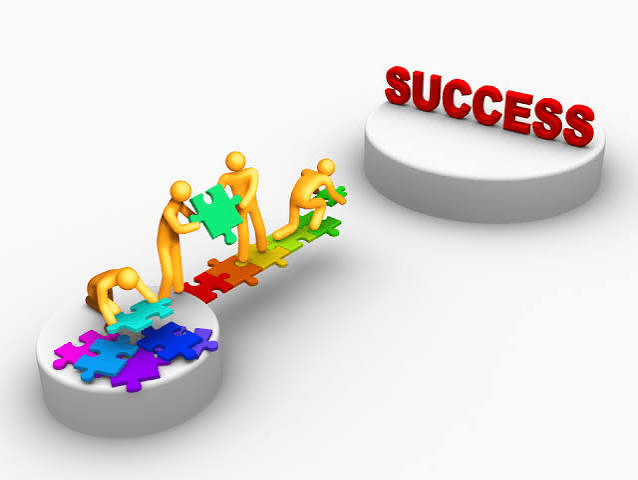
Ten Powerful Ways to Unlock The Success Puzzle
My thoroughly researched, rigorously tested, step-by-step courses make it easy to live your Abundant Life.
Way [1]: Solving the Career Transition Puzzle
Navigating a career transition requires a blend of strategic planning, patient execution, and a clear understanding of your personal motivations to ensure long-term fulfillment.
While the process can take 12 to 24 months, treating it as a marathon rather than a sprint allows you to build the necessary skills and confidence to thrive in a new field successful career change.
Highlighting Transferable Skills on a Resume for a New Industry
| Transition Stage | Primary Objective | Key Action |
|---|---|---|
| RKI Self-Assessment | Define your motivation | Identify your why to ensure the move aligns with your long-term goals and values |
| RKI Strategic Planning | Create a roadmap | Develop a strategy that includes financial planning and skill gap analysis |
| RKI Skill Acquisition | Build new competencies | Seek additional education through certifications or degrees relevant to your target industry |
| RKI Network Expansion | Leverage existing contacts | Reach out proactively to alumni and industry professionals for inside perspective and job leads |
Establishing a Solid Foundation
Successfully shifting paths often starts by identifying the root cause of your dissatisfaction, whether it is stress, boredom, or a lack of growth, so you can choose a direction that genuinely resolves those issues.
Rather than quitting impulsively, consider a gradual transition where you maintain your current income while testing new interests through consulting or part-time project work.
- Financial stability strategies help minimize stress during the move by allowing you to track your expenses and identify exactly what needs to be reduced before you leave your current position.
- Informational interviews serve as a low-risk method to learn about a field of interest by talking to people currently working in roles you might want to pursue.
- Bridge job strategy provides a way to combine your existing expertise with new responsibilities, which allows you to maintain your income level while gaining the experience you need.
Executing Your Professional Shift
Once you have clarity on your target role, you must translate your previous experience into a narrative that makes sense to potential employers in your new sector. The goal is to focus on transferable skills rather than past job titles, ensuring your resume and cover letter present your transition as a logical, intentional progression.
- Rebranding your profile involves updating your LinkedIn, portfolio, and resume to align with the language and requirements of the industry you are entering.
- Addressing your change directly during interviews helps you explain with confidence why you are shifting careers and how your unique background provides value to the new company.
- Adult internships provide a practical way to gain hands-on experience in an unfamiliar field without needing to commit to a full degree program immediately.
The professionals who navigate these shifts most successfully are those who remain patient and persistent, understanding that letting go of a previous professional identity is a normal part of becoming someone new.
Way [2]: Solving the Job Readiness Puzzle
Achieving career readiness involves a multifaceted approach that blends the development of job-specific skills with a proactive mindset for the transition from student or learner to professional.
Mastering this process requires deliberate preparation to align your personal values with industry trends while continuously updating your expertise to stay competitive in an evolving marketplace.
Tailoring You Resume for Automated Applicant Tracking Systems
| Skill Focus | Preparation Strategy | Practical Action |
|---|---|---|
| Professional communication | RKI Effective networking helps you build industry connections | Attend job fairs or events to practice your elevator pitch |
| Practical experience | RKI Applied training strengthens your competitive edge | Secure internships or contribute to portfolios to show results |
| Skill refinement | RKI Continuous learning targets identified skill gaps | Enroll in certifications or workshops focused on AI and leadership |
| New role entry | RKI Strategic planning sets you up for success | Outline a 30-60-90 day roadmap to guide your first few months |
Developing Employability Skills
Professional growth relies on your ability to showcase specific competencies that hiring managers prioritize. By understanding the skills gap, you can tailor your resume and application materials to demonstrate that you possess the exact qualifications required for your target role.
- Continuous learning — staying current through targeted online classes or certifications provides flexibility for busy professionals aiming to advance their careers.
- Portfolio building — showcasing measurable outcomes from past projects or technical screenings is often more effective than simply listing coursework when applying for technical roles.
- Skill identification — addressing the skills gap requires researching your desired position early so you can deliberately acquire the core abilities employers expect from day one.
Success in a New Role
Transitioning into a new position is an exciting milestone, yet it requires careful preparation to build visibility and trust with your new team. By taking a proactive stance during your first weeks, you can settle in purposefully and demonstrate your value as a motivated, action-oriented employee.
- Proactive communication — making contact with your manager before the first day helps clarify expectations regarding dress codes, team norms, and upcoming responsibilities.
- Taking initiative — showing motivation by volunteering for important tasks outside your immediate purview demonstrates confidence and a strong commitment to team success.
- Strategic goals — the first month is an ideal time to reflect on how you want to show up on the team while prioritizing tasks that support your long-term professional growth.
By combining these intentional preparation steps with a focus on your personal values, you ensure that your career journey remains both meaningful and sustainable as you navigate new opportunities.
Way [3]: Solving the Skill Building Puzzle
Mastering new competencies involves structured skill development that focuses on actionable goals, feedback, and deliberate practice rather than passive study. By prioritizing small, manageable sessions, you can ensure consistent progress while avoiding the burnout often associated with intensive, marathon-style learning.
Creating a Deliberate Practice Routine for New Skills
| Technique | Primary Benefit | Implementation Strategy |
|---|---|---|
| Distributed practice | Long-term memory retention | Return to topics during brief sessions over a long period |
| Skill sub-chunking | Easier goal attainment | Master smaller skill components one at a time |
| Interleaving effect | Relational knowledge building | Rotate through different topics within a greater subject |
| Active practice | Enhanced critical thinking | Apply new knowledge through real-life projects and feedback |
Strategic Learning Approaches
Effective learning often requires a shift in how you organize information and engage with new material. When you approach a subject, building a mental map helps you understand the “why” and “how” behind your goals, making the process more intuitive.
- Memory palace technique allows you to store complex details by mentally mapping them to familiar locations in your home.
- Growth mindset development fosters the belief that your capacities are expandable through consistent, dedicated effort over time.
- Physical exercise integration supports cognitive function and memory consolidation by managing stress and boosting overall brain health.
- Structured information organization ensures your notes and research remain accessible in a logical, personalized system.
Optimizing Your Process
Staying sharp requires that you treat your learning journey as a gradual development rather than a sprint to immediate mastery. By reflecting on which techniques yield the best results for your specific style, you can refine your approach and build compounding habits that make future learning faster and more enjoyable.
- Setting clear goals creates an actionable, trackable plan that keeps you motivated even when the initial excitement wanes.
- Feynman technique application improves conceptual understanding by forcing you to explain complex topics as if teaching a five-year-old.
- Distributed practice scheduling makes learning more efficient by spreading study time across days or weeks rather than cramming.
- Meaningful project application helps consolidate learning by requiring you to put new skills into practice immediately.
Consistency in your practice is the most important factor in long-term mastery.
Way [4]: Solving the Midlife Career Puzzle
Midlife career transitions have become a normal part of the modern professional landscape, offering individuals a strategic chance to align their daily work with their evolving values and personal aspirations.
Pivot to a New Career in Your Late Forties
| Focus Area | Strategy | Key Consideration |
|---|---|---|
| Personal Growth | RKI clarity provides a foundation for choosing paths that reflect your true self rather than external expectations. | Happiness should be a priority. |
| Skill Development | Transferable soft skills like communication and problem-solving serve as valuable assets in entirely new industries. | Seek structured, flexible learning. |
| Professional Network | Fresh connections help combat potential isolation and keep you visible to decision-makers in new fields. | Use tools like LinkedIn regularly. |
| Strategic Planning | Consultant mindset allows you to leverage decades of experience while adding immediate value to new organizations. | Evaluate risks and benefits. |
Navigating the Transition
Midlife professional stability often provides a unique advantage, as many people have already met early life milestones, leaving them better positioned to focus on finding fulfilling work. Rather than viewing this period as a time of uncertainty, successful changers embrace it as an opportunity for reinvention.
- Experiment with purpose — Purposeful experimentation allows you to explore interests and side projects without the pressure of an immediate, rigid career plan.
- Reframe your narrative — Articulate your story by practicing how you describe your background, focusing on how your past experience benefits your new goals.
- Prioritize well-being — Mental health benefits are a central reason to shift, as leaving high-stress environments can significantly improve your productivity and daily life.
You possess the self-awareness gained through years of work to define the next chapter intentionally.
Keys to Long-Term Success
Structured learning systems are often more effective than random online courses Ad, helping you respect your time and energy while building essential new capabilities. Instead of fearing age-related bias, focus on the intrinsic value you bring to any team or venture you join.
- Foster peer support — Midlife-friendly ecosystems connect you with mentors and peers who have navigated similar changes, providing guidance that you do not need to seek alone.
- Remain salary flexible — Flexible salary ranges can open doors to diverse job opportunities that you might otherwise overlook during your initial search.
- Stay adaptable — Core adaptability remains the most important trait, as it allows you to stay open to surprising, non-traditional paths that emerge during your journey.
Your experience is an asset, and by choosing to stay curious, you can continue to build a professional path that is both rewarding and sustainable.
Way [5]: Solving Dream Job Puzzle
Finding your ideal career starts by looking inward at your specific interests, strengths, and lifestyle needs before you commit to the formal search process. Achieving this goal requires a structured strategy, patience, and the discipline to align your daily work with your long-term objectives.
Tailor Your Resume for Automated Applicant Tracking Systems
| Phase | Strategy | Key Focus |
|---|---|---|
| Self-Assessment | RKI Personality tests help gauge interests | Identifying strengths and potential roles |
| Goal Setting | RKI SMART goal-setting keeps you motivated | Defining specific and measurable objectives |
| Application | Online job boards increase your visibility | Reaching recruiters and hiring managers |
| Interviewing | Specific situation examples showcase your skills | Demonstrating your value to employers |
Strategic Preparation
The process of landing a dream job is rarely an overnight success, as it often requires months of dedicated planning and self-reflection to ensure your search remains focused. Before diving into applications, take the time to define what you truly need from a role to feel fulfilled, whether that is stability, passion, or specific salary requirements.
- Career counselors can provide a sense of direction by identifying your professional strengths and weaknesses.
- Market research allows you to evaluate employment trends without feeling pressured to chase every high-profile role.
- Professional networks are invaluable for uncovering opportunities and securing recommendations before positions are widely advertised.
- Continuous application efforts enhance your overall chances of landing an interview and eventually your ideal position.
Execution and Refinement
Once you have identified your path, consistency and the ability to pivot are what ultimately separate successful applicants from the rest of the field. You must be prepared to tailor every document you submit, as hiring managers look for evidence that your background specifically matches the needs listed in their job postings.
- Effective resume templates and samples serve as critical guides for crafting a professional profile that gets noticed.
- Tailored applications prevent the exhaustion of chasing irrelevant roles and keep your energy focused on the right opportunities.
- Additional training or new certifications may be necessary to meet the specific requirements of your desired career path.
- Respectfully declining offers that do not align with your ultimate goals is a necessary step in protecting your long-term career trajectory.
Dedication to these stages will eventually help you transition from simply searching for work to securing a position that matters deeply to you.
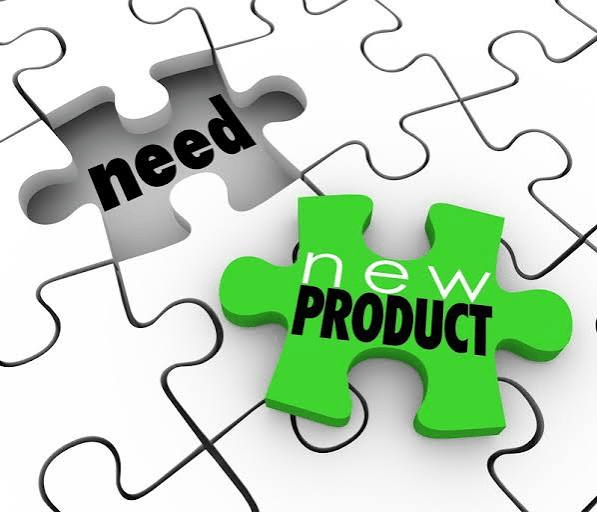
Way [6]: Solving the Be Your Own Boss Puzzle
Becoming your own boss involves shifting your perspective from a traditional employee mindset to one focused on growth, decision-making, and long-term personal responsibility for both your successes and your setbacks.
Creating a Sustainable Business Plan for Freelancing
| Goal | Strategic Approach | Key Consideration |
|---|---|---|
| Business Idea | Identify a business idea that aligns with your specific skills or experience before leaving your job. | Validate demand first to ensure you have a viable market before moving forward. |
| Financial Planning | Build a cushion of savings while still employed to help cover your living expenses during the startup phase. | Keep your costs clear and establish a basic financial plan to track your progress and sustainability. |
| Time Management | Start your venture on the side to test your concept without immediately losing the safety net of a steady paycheck. | Evaluate your readiness to work alone by assessing your motivation levels without a team environment. |
Developing Your Entrepreneurial Foundation
Building a successful business requires more than just a great idea; it demands careful planning and an ongoing commitment to refining your strategy. Staying flexible is essential in a fast-moving market where pivoting your approach based on new feedback or evolving trends can determine your long-term viability.
- Adopt a growth mindset by viewing every challenge as a lesson and an opportunity to transform your business operations.
- Hone your resilience to keep motivation high, as the path to self-employment is often filled with unpredictable ups and downs.
- Network with others by attending industry-specific meetups to build authentic relationships and share expertise with fellow entrepreneurs.
Consistency in daily management serves as the most effective teacher, helping you gain the practical knowledge necessary to navigate the complexities of running your own company.
Long-Term Growth and Sustainability
Scaling a business for the long term involves managing your resources effectively while planning for your future financial security. Setting up appropriate structures early on allows you to protect your personal assets and maximize your tax efficiency as your income grows.
- Form an LLC to gain personal liability protection, which shields your private assets from business debts and legal issues.
- Consider your retirement by setting up a solo 401(k) or a self-employed IRA to secure your financial future outside of a traditional employer plan.
- Automate daily tasks through CRM systems Ad that manage leads and boost productivity, allowing you to focus on high-level decision-making.
Maintaining a constant thirst for new information is essential for any solo business owner looking to remain competitive and innovative in their industry.
Way [7]: Solving the Road to $100,000+ Puzzle
Reaching your first six-figure milestone requires a combination of disciplined habits, clear goal-setting, and a strategic mindset toward building lasting wealth.
The Road to $100,000 and Passive Income Strategies
| Goal Type | Focus Area | Impact on Success |
|---|---|---|
| Short-term goals | Monthly budgeting(Sponsored) | Increases motivation by breaking overwhelming long-term numbers into manageable, bite-sized pieces |
| Consistent investing | Weekly contributions | Automated deposit schedules help you stay on track regardless of market swings or volatility |
| Increasing income | High-value skills | Professional field growth allows you to accelerate your timeline and widen the gap between your earnings and expenses |
| Mindset alignment | Prosperity focus | Conscious daily decisions reinforce financial well-being and strengthen your commitment to wealth creation |
Establishing Financial Habits
Consistent investment habits form the foundation of your wealth-building journey, often requiring significant initial sacrifice that serves as a launchpad for everything that follows. Prioritizing these practices allows your money to eventually do more heavy lifting than your manual contributions.
- Automated deposit systems remove the friction of manual saving, helping you reach your target in a more direct and predictable manner.
- Reducing waste areas by focusing on big-ticket expenses rather than small subscriptions helps you maximize the gap between income and living costs.
- Compound interest effects become materially visible once you hit the initial boiling point, significantly shortening the time required to earn your next six figures(Sponsored).
- Avoiding consumer debt prevents high-interest charges from eroding the capital you could otherwise use to grow your portfolio.
Consistency and discipline remain the most reliable way to navigate the early, often discouraging, phases of your financial journey.
Developing an Abundant Mindset
Abundance mindset cultivation involves shifting your perspective from merely wishing for wealth to actively creating it through focused intention and repeatable daily actions. It is less about luck and more about maintaining a sustained connection to your financial goals while celebrating the progress you make along the way.
- Actionable financial goals help transform vague dreams into concrete steps that prevent you from just going through the motions of life.
- Passive income streams offer a way to disconnect your earning potential from a fixed quantity of time, effectively removing limits on your growth.
- Professional value development makes you more irreplaceable in your field, which is essential for scaling income during the first phase of wealth accumulation.
- Celebrating small milestones raises your frequency and reinforces the perception that prosperity is already present in your daily life.
Prioritizing recurring income is a powerful strategy to ensure you are not shackled to the finite nature of time as your only resource.

Way [8]: Solving the Mental Puzzle
Achieving mental mastery requires a consistent foundation of sleep, movement, and nutrition, as the brain acts like a muscle that responds to sustained signals over time rather than short-lived efforts. This holistic approach ensures your brain stays efficient, plastic, and adaptive enough to support high-level focus and decision-making throughout your life.
Practicing Daily Mindfulness for Better Focus?
| Core Strategy | Primary Focus | Best Practice |
|---|---|---|
| Physical health | Heart-healthy habits | Engaging in regular aerobic exercise and resistance training |
| Cognitive challenges | Neural stimulation | Learning new real-world skills to boost memory function |
| Quality sleep | Brain recovery | Prioritizing a regular bedtime for deeper learning processes |
| Stress management | Emotional regulation | Using mindfulness and breathing exercises to build resilience |
Foundations of Cognitive Health
Building lasting brain health involves recognizing that your cognitive potential is not fixed, but rather a flexible instrument that can be sharpened through deliberate lifestyle changes. By moving away from generic brain games and toward structured routines, you create the necessary conditions for your neural networks to optimize their efficiency.
- Plant-based diets and nutrient-rich foods provide the essential support needed to protect brain-based skills and sustain intellectual prowess.
- Daily social interaction supports your emotional well-being and is statistically linked to improved cognitive performance in older adults.
- Nature exposure helps to sharpen working memory, even when simply experienced through office plants
- Priority management allows you to free up mental energy for high-level tasks by using tools like and designated spots for your belongings.
Advanced Mental Optimization
Once the foundational pillars of health are in place, you can employ more specific training protocols to push your cognitive performance to the next level. The goal is to move beyond simple maintenance and treat your brain like a finely-tuned instrument capable of extraordinary focus and information processing.
- Targeted cognitive goals should be set based on the specific skills you want to enhance, such as attention or processing speed, aiming for about 20 minutes of practice three times per week.
- Manual dexterity tasks like painting, drawing, or other crafts require both physical coordination and mental effort, serving as excellent forms of mental gymnastics.
- Intermittent fasting and other advanced methods can be integrated into your routine to help amplify cognitive gains once basic health protocols are firmly established.
- Consistent tracking of your progress helps you identify which mental exercises work best for your unique strengths, ensuring your development stays on an adaptable and sustainable path.
Mastery is not about achieving perfection, but about the steady, progressive application of these habits to ensure you remain mentally sharp and engaged well into the future.

Way [9]: Solving the Six figure Consulting Puzzle
Predictable six-figure income in consulting relies on shifting from a freelancer mindset to that of a business owner who delivers specific, high-value outcomes. This transition changes how you structure your engagements, price your services, and manage your pipeline to ensure long-term sustainability rather than constant scrambling for new logos.
Transition from Hourly Rates to Value-Based Consulting Fees
| Scaling Strategy | Focus Area | Impact |
|---|---|---|
| Value-driven pricing | Revenue Models | Increases margins beyond the ceiling of traditional hourly rates |
| Structured client onboarding | Operations | Improves lifetime value and boosts retention rates by 30% |
| Data-driven profitability | Financial Management | Enhances margins by 15–25% through real-time tracking |
| Specialized positioning | Market Strategy | Rewards expertise and makes your growth more manageable |
Optimizing Your Business Model
Building a sustainable firm requires moving beyond the “busyness” trap and focusing on systems that function without your constant involvement. By delegating outcomes instead of just tasks, you create the capacity needed to scale your practice to the next level of revenue.
- Team member training ensures your delivery process remains high quality as you delegate, preventing the common mistake of scaling a mediocre process.
- Total rewards structures help retain top talent by offering growth opportunities and professional culture rather than relying on compensation alone.
- Delegation of outcomes allows you to lead effectively, using regular feedback loops like check-ins to maintain quality across your growing team.
Effective organizational structure requires clearly defined reporting lines and decision-making authority, balancing specialized expertise with the need for cross-functional collaboration.
Driving Profitable Growth
High-growth firms distinguish themselves by auditing how time is spent and systematically removing constraints. Instead of working more hours, successful consultants identify their lowest-scoring dimensions and prioritize improvements that generate tangible evidence of systemization.
- Routine delivery tasks should be automated or AI-assisted to free up senior-level capacity for higher-impact relationship and insight work.
- Formal change orders must be enforced consistently to handle scope expansion, protecting your margins against “scope creep” during engagements.
- Strategic client selection helps focus your resources on accounts that align with your firm’s core strengths, reducing the need for costly discounts.
Firms that design for leverage avoid the trap of needing the founder’s direct involvement in every stage, allowing for a transition from a one-person practice to a more robust, scaling agency.

Way [10]: Solving the Procrastination Puzzle
Procrastination habits often masquerade as productive preparation, such as spending excessive time choosing fonts or designing spreadsheets instead of engaging in high-impact consulting activities like lead generation. Successfully launching a six-figure consulting practice requires moving beyond these administrative distractions and focusing on core revenue-generating actions.
Breaking Down Consulting Startup Tasks to Avoid Feeling Overwhelmed
| Strategy | Goal | Key Benefit |
|---|---|---|
| Break tasks down | Simplify complex projects | Turns intimidating goals into manageable, bite-sized steps |
| Define clear goals | Establish strategic focus | Helps you prioritize conversations that actually lead to clients |
| Use dopamine rewards | Maintain consistent momentum | Provides a necessary push when your natural motivation runs low |
| Partner with others | Increase personal accountability | Leverages check-ins to keep your consulting progress on track |
Strategic Workflow Adjustments
Small first steps are essential for reducing the mental friction that causes founders to delay critical business actions. Instead of focusing on the entire project, identify a single, tiny action that makes your consulting business official, such as finalizing your value proposition or reaching out to one person in your existing network. By clearing your workspace of low-impact “busywork,” you ensure that the high-value tasks necessary for a six-figure practice are the natural focus of your day.
Creative procrastination can be a useful pivot when your top-priority task feels too daunting to start. If you cannot summon the energy for your most important item, tackle a smaller but still relevant second or third priority on your list to maintain a sense of forward motion. This strategy prevents the total stall that occurs when you reach for distractions like aimless research or non-essential admin when you should be building your business.
Leveraging Mindset for Growth
Mindfulness practice helps you identify the psychological and cognitive processes that trigger your urge to avoid difficult work. By creating awareness around these feelings—whether they stem from fear of failure or the uncertainty of starting—you can address them as they arise rather than letting them dictate your schedule. Once you understand the emotional basis of your delay, you can consciously reframe these tasks and regain a sense of agency.
Deliberate procrastination creates the mental space needed for the innovation and inspiration required to scale a high-value consulting firm. Rather than viewing “mushy-mind time” as a failure of productivity, recognize it as an intentional break that allows your mind to wander and solve complex business problems. Balancing intense, focused work with these structured periods of rest prevents the burnout that often accompanies the pressure of building a profitable practice.
Ready to Live an Extraordinary life?
Your Abundant Life Success is Closer Than You Think
Now is your time.
Connect with us to learn more.
Reitenbach Kissinger Institute works with people across the country, helping them live their abundant and rich lives. We believe progress equals happiness. And no matter where you’re looking to excel, we’re here to help you forge your pathway to success.
Time Tested. Proven Results
Join thousands people across America who are achieving the extraordinary with Michael Kissinger and Reitenbach Kissinger Institute’s coaching and tools. Their stories paint the picture of what’s possible for you, too.
This is one-on-one coaching and programs designed to power your growth and extraordinary results. For nearly 4 decades, Michael Kissinger has educated 100,000+ people on how to achieve their most abundant lives through their money, business, and careers.

Reitenbach-Kissinger Institute
Sydney Reitenbach
Michael Kissinger
Text: 650-515-7545
Email: mjkkissinger@yahoo.com
LinkedIn: https://lnkd.in/gE7s99mP
See: Reach Your Peak Performance Results. Embrace Your Unlimited Potential and More. Valued Between from $2,350 to $5,500+
This is a Free event, but you need to Contact us, Qualify and Register for it. mksmasterkeycoaching.com


