
“The Executive or Manager Success Puzzle Solution” is a proven coaching and training system spanning four decades, featuring high-profile executive coaching and tools that emphasize actionable management plans, systems and controls for mastering growth and profit results
Executive Mastery–Management Fundamentals–Profit Growth Results
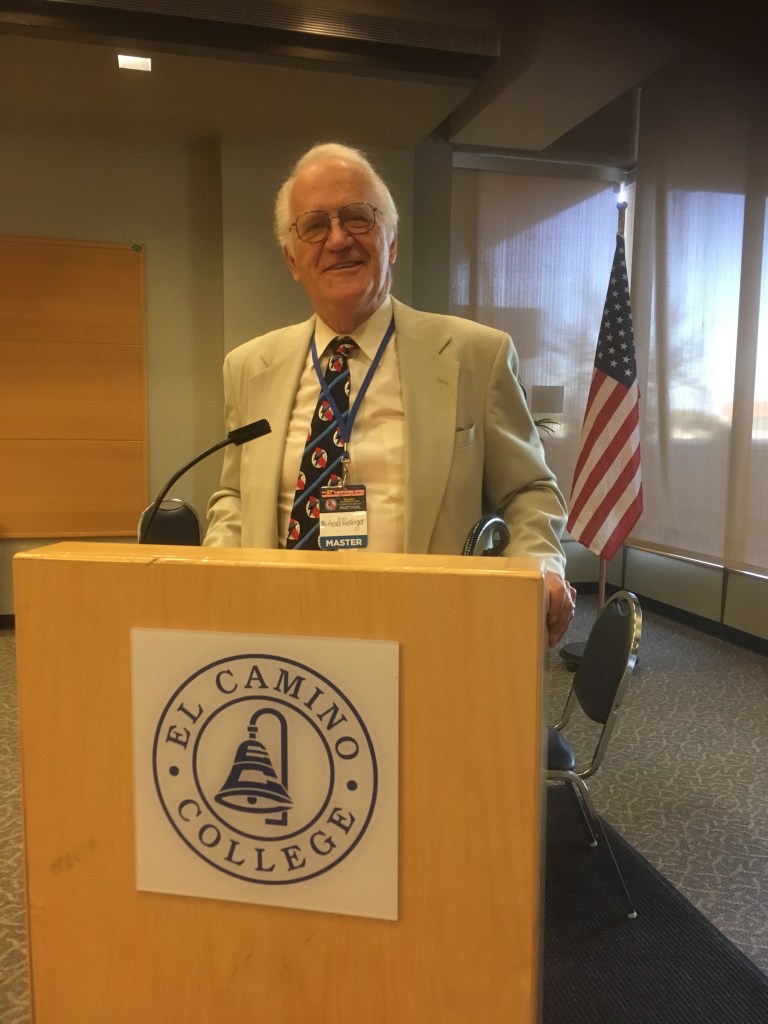
How Top Executive Leaders Transformed Their Business and Teams, Reduce Costs, Doubled Productivity and Profits in 90 days
They Get High-Performance Executive Management Success Puzzle Solutions
Competition is global, life is fast-paced, and the speed of change is accelerating every day. Solution: Get the experience and tools to help you navigate your future!
Request America’s premier coaching, mentoring and training. For over 40 years Michael Kissinger has helped thousands of people and business solve their personal, professional, business, and organizational challenges.
Did you know that clarity accounts for almost 80% of your business success and happiness? It’s true. A lack of clarity is probably more responsible for your frustration and underachievement than any other single factor.
Since 1980 Professor Michael Kissinger and Reitenbach Kissinger Institute are dedicated to helping executives and business owners and entrepreneurs attain professional success. Their work often involves executive management coaching, training and development programs that focus on leadership, strategy, success psychology and more.
They’ll show you how to assemble top teams boost, productivity, communicate effectively Improve motivation, develop perceptive leaders, streamline operations, retain talent, Increase sales up to 75%, select efficient employees and much more.
While they frequently writes about solving complex executive business problems and fine-tuning operations, they typically addresses these topics within their established library of articles and coaching rather than through a single publication under the specific title of “The Executive Business Puzzle Solution.”
Core Business Wisdom
Their approach to professional and business growth is defined by timeless and practical advice that aims to help professionals and small business owners at all levels to achieve their priorities and achieve their full potential.
Executives and business owners often seek out their coaching, articles and management guides to gain actionable steps for overcoming procrastination and increasing organizational efficiency.
Michael’s philosophy remains consistent across various media, emphasizing that developing the mindset and skill sets necessary for independence is the key to lasting executive, business, financial and professional achievement.
Michael’s coaching, mentoring and teaching style remains focused on providing clear, applicable executive blueprints for life, business and financial success that can be implemented immediately in one’s personal and business life.
The Successful Executive’s Solutions Guide
Start Solving the Business Puzzle, Setting and Achieving
Your Biggest Goals!
A 15-part Executive Solutions Guide Designed to Reduce Operational Costs while Simultaneously Driving Up Productivity and Profit Margins.
Professor Kissinger provides you with a Proven Process for business success in this executive guide. He is dedicated to helping you reach your business goals and achieve success in any area of your business or life.
This “Executive Business Puzzle Guide” provides proven methods on a variety of topics, like business development, marketing and sales coaching, leadership growth, time management, and setting smart goals solutions that will help you get you where you want in life or business.
Puzzle [1]: The Successful Executive’s Leadership Strategies and Solutions
Exceptional leadership is not a linear set of fixed formulas but rather a dynamic, evolving practice that requires consistent reflection and adaptation to meet the diverse needs of your team.
Effective leadership strategies blend fundamental skills like communication and emotional intelligence with specific, actionable techniques that transform abstract concepts into tangible results.
How do I adapt my leadership style for a remote team?
| Leadership Approach | Primary Focus | Best Used For |
|---|---|---|
| Situational leadership | Flexibility | Matching management styles to the specific skill level and motivation of individual followers |
| Adaptive leadership | Uncertainty | Navigating complex, long-term organizational challenges that require observation before implementation |
| Transformational leadership | Inspiration | Aligning team performance with organizational goals to foster collective success |
| Authentic leadership | Transparency | Building trust through candid communication and demonstrating genuine concern for stakeholders |
Core Competencies for Leaders
Developing a strong leadership foundation requires moving beyond managing solely for profit and toward inspiring others through clear, human-centered actions. Leaders who succeed in the modern landscape prioritize a culture of collaboration, ensuring that their approach is grounded in both evidence and empathy.
- Strategic communication serves as the bedrock of a strong organizational culture, as leaders who articulate values clearly help their teams resolve conflicts and make decisions independently.
- Active listening frameworks enable leaders to gather essential feedback, assert their opinions helpfully, and better understand the unique challenges facing their direct reports.
- Accountability practices ensure that leaders define clear metrics and principles, allowing their teams to maintain consistent progress even when the leader is not present.
- Coaching methodologies shift the leader’s role from a simple problem-solver to a facilitator who asks guiding questions and empowers others to develop their own creative solutions.
Building these abilities is a continuous process that involves establishing SMART goals and systematically refining your approach based on honest input from your team.
Techniques for Daily Success
Practical application of leadership skills often involves small, tactical moves that help establish your presence and influence within the organization. Whether you are leading a meeting or managing a crisis, your approach should be intentional to ensure your team remains united behind a common purpose.
- Strong handshake techniques remain a simple yet effective way for leaders to project confidence and acknowledge the importance of interpersonal touch during initial meetings.
- Multi-source feedback systems, such as 360-degree reviews, provide the honest, structural input necessary for leaders to identify and close gaps between their intended and actual impact.
- Directive action can be combined with inspirational communication during organizational crises to provide clear decision-making while maintaining psychological safety for the team.
- Actionable statements that embody your personal values help you maintain consistency and influence others, even when asking for buy-in on difficult or unpopular ideas.
By selecting two or three of these methods to master over the next month, you can create a measurable improvement in your ability to guide and motivate those around you.
Puzzle [2]: The Successful Executive’s Business Development Strategies Solutions
Effective business development strategies prioritize the systematic pursuit of growth opportunities, helping organizations identify new markets and convert prospects into long-term revenue. By blending targeted outreach with robust internal alignment, companies can transform abstract goals into repeatable, measurable success.
Qualifying for High-value Leads for B2B Partnerships?
| Focus Area | Primary Technique | Key Benefit |
|---|---|---|
| Lead Generation | Email prospecting campaigns | Scales efficiently for B2B engagement |
| Growth Models | Strategic network partnerships | Shortens cycles via warm introductions |
| Team Alignment | CRM data management | Prioritizes efforts at the perfect moment |
| Performance | Key performance indicators | Drives data-driven decision making |
Scaling Through Process
A strong business development plan acts as a roadmap, ensuring your team remains focused on long-term expansion rather than just short-term tasks. By clearly defining roles across marketing, sales, and product departments, organizations avoid duplicated efforts and ensure every prospect receives a consistent experience.
- Ongoing team training keeps staff motivated and technically sharp, which remains vital as market conditions and buyer habits evolve.
- Clear SMART goals turn vague growth ambitions into realistic, actionable targets that your entire company can rally behind.
- Continuous process review allows managers to assess results against metrics, ensuring the strategy stays adaptable as the landscape changes.
You should aim to balance daily operational duties with long-term initiatives to prevent your primary growth strategy from stalling.
Building Sustainable Value
True business development activities focus on acquiring and nurturing relationships rather than simply adding to a task list. By concentrating energy on tactics that generate high-quality leads, companies can improve their conversion rates and maximize the lifetime value of every customer they engage.
- Deep market research helps identify emerging trends, enabling firms to capitalize on new opportunities before competitors notice them.
- Cross-departmental collaboration aligns HR, finance, and sales teams toward a shared vision of organizational growth.
- Cultivating a mindset centered on mentorship and consistent feedback creates a culture where employees are empowered to drive better results.
Success in this field ultimately depends on knowing your target audience and choosing the specific channels that best reach them.
Puzzle [3]: The Successful Executive’s Business Setting Strategies and Solutions
Developing a successful strategic planning process requires a clear, evidence-based assessment of your market, customers, and internal performance. By shifting focus from static documents to an ongoing cycle of alignment and adaptation, organizations can better navigate volatility and drive real results.
Facilitating a SWOT Analysis For Executive Leadership Teams
| Strategic Situation | Recommended Planning Model | Focus Area |
|---|---|---|
| New strategy efforts benefit from simple, foundational approaches | Basic model | Establishing core processes |
| Addressing specific challenges requires targeted intervention | Issue-based model | Solving distinct problems |
| Aligning internal IT with broader organizational goals | Alignment model | Functional consistency |
| Preparing for changes in the external landscape | Scenario model | External flexibility |
Core Strategic Practices
Effective strategies rely on grounding your decisions in hard data rather than assumptions to ensure the plan remains credible when facing market realities. Integrating research and metrics directly into your planning cycle transforms the strategy into a living document that guides daily execution.
- Evidence-based planning prevents reliance on outdated snapshots and ensures that competitive positioning and customer feedback remain central to the strategy.
- Cross-functional collaboration ensures the plan benefits from diverse perspectives across departments like finance, HR, and sales while minimizing individual biases.
- Regular governance rhythms involving quarterly check-ins are statistically linked to higher success rates in achieving strategic objectives.
- Clear ownership structures and cascading OKRs help bridge the gap between high-level vision and the individual tasks required to execute it.
Driving Market Value
Creating unique value for your customers often serves as the cornerstone of a winning strategy, whether through pricing adjustments or service enhancements. Leaders should constantly evaluate their business model to ensure the organization is structured to capture and deliver that value effectively.
- Increasing willingness to pay by enhancing product longevity or quality allows companies to capture more value without necessarily lowering prices.
- Analyzing competitive landscapes identifies specific gaps in the market, enabling firms to differentiate their offerings effectively against rivals.
- Predictive analytics tools help leaders anticipate shifting market conditions and customer behaviors in real-time.
- Proactive risk management remains essential for identifying potential threats early and developing robust contingency plans to mitigate future challenges.
Strategic success comes down to the discipline of making honest choices about where to play and how to win, ensuring every activity is aligned with those central priorities.
Puzzle [4]: The Successful Executive’s or Managers Strategies and Solutions
Excellent management is built through a set of learnable behaviors that prioritize enabling team members to reach their full potential rather than simply focusing on individual output. Great leaders understand that effective management requires a blend of systematic methods and adaptive leadership styles, allowing them to adjust their approach based on the specific needs of their team and the current work environment.
How to give constructive feedback without discouraging high performers
| Management Technique | Primary Goal | Focus Area |
|---|---|---|
| Active stress management | Improves decision-making | Maintaining composure and team resilience |
| Continuous learning | Enhances leadership | Studying methods and learning from mistakes |
| Clear goal setting | Aligns team efforts | Providing shared expectations and direction |
| Meaningful delegation | Empowers team members | Shifting from problem-solving to coaching |
Developing Core Competencies
Developing as an effective manager involves shifting your focus from individual performance to enabling the growth and success of those you lead. Success depends on the ability to read complex, fast-paced situations and pivot between different leadership styles to ensure your team remains focused and pertinent.
- Strategic thinking skills help managers align daily tasks with overarching organizational objectives to drive long-term success.
- Self-awareness and empathy are essential tools for managing team dynamics, resolving conflicts, and building high-performing, cohesive groups.
- Real-time feedback loops enable managers to adjust their approach consistently, holding themselves and their teams accountable to high standards.
Mastering Adaptive Leadership
The most successful leaders do not rely on a single, static management style but rather act as versatile professionals who treat various methods as tools in a toolbox. By choosing the right approach for the specific context, managers can maintain consistent processes while keeping team engagement high.
- Transformational management styles motivate employees by presenting a clear vision and encouraging them to challenge the status quo.
- Servant leadership approaches prioritize the growth and development of team members, which strengthens trust and builds long-term capability.
- Defined communication windows serve as a highly effective alternative to traditional open-door policies, helping to protect team focus while maintaining accessibility.
Great managers consistently practice these leadership behaviors in their daily interactions, ultimately fostering a collaborative work environment where everyone can perform at their best.
Puzzle [5]: The Successful Executive’s Strategies To Hire and Fire Solutions
Managing a workforce effectively requires balancing operational speed with rigorous legal and ethical standards to protect your company’s culture and bottom line.
Establishing standardized hiring policies helps your team maintain consistency and confidence, while thoughtful termination practices ensure that departures are handled with dignity and minimal disruption.
Effective hiring and firing techniques are crucial for building a strong team. Key strategies include taking time to find the right candidates, addressing issues promptly, and maintaining clear communication throughout the process.
| Process Stage | Focus Area | Key Strategy |
|---|---|---|
| Hiring | Talent Selection | Structured interview processes ensure that you assess all candidates consistently |
| Hiring | Legal Compliance | Job-related interview questions help prevent legal issues by focusing solely on role requirements |
| Firing | Documentation | Document all details of termination decisions to protect yourself and the former employee |
| Firing | Meeting Protocol | Conduct the meeting as privately as possible at the start or end of the workday |
Hiring Best Practices
Building a strong team starts with clarity about what your organization truly needs and a commitment to keeping your process fair and objective. By removing unconscious bias and focusing on measurable values, you can build a more resilient workforce that stays aligned with your long-term goals.
- Core values integration during the initial hiring phase ensures that every new team member shares the foundational principles of your company.
- Applicant records retention for all hiring documents creates a clear audit trail that is necessary for long-term compliance.
- Comprehensive onboarding programs provide the support and feedback new hires need to integrate well and succeed in their roles.
Termination Procedures
Parting ways with an employee is often difficult, but adhering to a structured and compassionate process helps mitigate risk and maintain morale among the team members who remain. Focus on being direct and transparent during these transitions to avoid ambiguity and lingering friction.
- Succinct termination meetings ensure that you remain focused on concluding the employment relationship without unnecessary debate.
- Redistributing task responsibilities among the remaining team members immediately helps ensure that no critical functions are left unattended.
- Collecting company property such as laptops and phones is a necessary security step that should be coordinated with your IT department.
Properly executed, these transitions reinforce the strength and integrity of your workplace culture.
Best Techniques for Hiring and Firing
Implementing effective strategies can enhance your hiring and firing processes.
- Hiring Slowly — Taking time to thoroughly vet candidates helps ensure a better fit for the role and company culture.
- Firing Fast — Addressing performance issues quickly can prevent further complications and maintain team morale.
- Clear Communication — Keeping open lines of communication with employees fosters a transparent environment, making both hiring and firing smoother.
- Structured Interviews — Utilizing a consistent interview process helps in objectively evaluating candidates.
- Feedback Mechanisms — Implementing regular feedback can help identify potential issues before they necessitate firing
Puzzle [6]: The Successful Executive’s Delegation and Supervision Strategies and Solutions
Effective delegation and supervision serves as a cornerstone for leadership, enabling managers to distribute workloads efficiently while fostering team growth and confidence. Mastering these skills requires a shift from independent task completion to a collaborative approach that empowers employees, builds professional competence, and ensures high-quality outcomes.
Effective delegation and supervision acts as a bridge between a manager’s individual output and the collective success of their team. By shifting focus from task execution to empowering others, leaders gain the time necessary to address complex priorities while simultaneously fostering professional growth in their direct reports.
Effective delegation and supervision are crucial for enhancing team performance and productivity. Key techniques include clearly defining tasks, empowering team members, and maintaining open communication to ensure accountability and support.
| Technique | Primary Goal | Implementation Detail |
|---|---|---|
| Five Rights of delegation | Task alignment | Evaluate the right task and circumstance before assigning |
| Eisenhower Matrix application | Time management | Filter out non-urgent tasks to prioritize high-impact leadership |
| Process mapping tools | Operational excellence | Visually outline decision steps to connect individual work to goals |
| Two-way communication framework | Clarity | Establish closed-loop feedback to verify successful task completion |
Strategic Delegation Approaches
Effective delegation starts with matching the level of trust you have in both the process and the individual. While it is common for new supervisors to hesitate, moving beyond independent task completion is a required journey toward building departmental success.
- Employee growth serves as a key outcome when you assign important but non-urgent tasks to help staff develop new competencies.
- Clear authority must be communicated to the team so employees understand the boundaries of their decision-making power.
- Stretch tasks provide high-potential individuals with the capacity to build skills while managing larger responsibilities.
- Constructive debriefing allows you to reinforce positive outcomes and adjust future approaches without making employees feel defensive.
Supervision for Quality and Safety
Supervision ensures that delegated work is performed safely and competently, acting as the final verification step in the management process. This oversight is particularly vital in high-acuity environments where the standard of care must remain consistent across all team members.
- Ongoing professional development ensures that supervisors remain well-prepared to mentor junior staff and manage evolving clinical complexities.
- Direct oversight functions by verifying that tasks are performed correctly while providing support as client needs change during a shift.
- Coaching and Mentorship programs help build the confidence of supervisors, allowing them to better handle the complexities of guiding unregulated staff.
- Institutional support through regular workshops and clear policies is essential for maintaining consistent standards of quality and patient safety.
Mastering these skills takes time and commitment, but successful delegation ultimately transforms you into a leader who builds team confidence while achieving superior results.
Effective Delegation and Supervision Techniques
Implementing these strategies can significantly improve team dynamics and outcomes.
- Clear Task Definition — Clearly outline responsibilities and expectations to avoid confusion.
- Empowerment — Encourage team members to take ownership of their tasks, fostering a sense of responsibility.
- Open Communication — Maintain regular check-ins and feedback loops to address challenges promptly.
- Prioritization — Identify which tasks are best suited for delegation based on team strengths and workload.
- Training and Support — Provide necessary resources and training to equip team members for success.
Puzzle [7]: The Successful Executive’s Strategies to Motivate People Toward Peak Performance and Solutions
Unlocking peak performance in teams requires leaders to shift from traditional management to fostering autonomy, purpose, and clear paths for progress. While extrinsic rewards like bonuses can drive short-term results, the most durable engagement stems from intrinsic drivers that connect individuals to the broader mission of their organization.
How do you sustain employee motivation during long-term projects?
| Technique | Goal | Best Used When |
|---|---|---|
| Meaningful progress tracking | Boost daily motivation | Managers want to create consistent feelings of momentum for complex projects |
| Specific feedback loops | Drive rapid improvement | Teams need clear guidance within 48 hours of completing a task |
| Individual autonomy design | Increase work engagement | Leaders seek to foster creative self-endorsed goals among team members |
| Professional growth pathways | Sustain long-term drive | Employees are feeling stagnant or need concrete skills for career mobility |
Designing Motivating Environments
Building an environment for peak performance relies on removing the friction that stops talent from doing its best work. When leaders proactively clear obstacles, they signal trust in their team’s ability to execute, which is a powerful psychological lever for engagement.
- Clear path friction points are removed by managers who intentionally identify and resolve workflow bottlenecks that hinder team speed.
- Psychological safety foundational support allows employees to raise ideas and concerns without fear, which is essential for creative problem-solving and innovation.
- Physical space workplace settings that minimize noise and maximize comfort ensure that employees have the resources required to perform without unnecessary irritation.
Effective leadership acts as a catalyst for excellence by consistently removing the barriers that prevent individuals from achieving their highest potential.
Aligning Individual Motivators
Motivation is deeply personal, meaning that a one-size-fits-all approach often leads to disengagement rather than performance. Leaders who take the time to understand the unique drivers of each team member can tailor their management style to better match individual aspirations.
- Structured conversations one-on-one meetings provide the necessary space to discover what work excites team members and how their individual contributions align with larger company goals.
- Tailored recognition personal aspirations are acknowledged when managers move beyond “employee of the month” templates to offer appreciation that reflects an individual’s specific values and goals.
- Authentic communication transparent rationale for routine or boring tasks helps employees understand the “why” behind their work, preventing the cynicism often caused by forced purpose-washing.
True leadership is a continuous practice of refining these interactions to ensure every member of the team feels both supported in their current role and invested in their future growth.
Puzzle [8]: The Successful Executive’s People Management for Results Strategies and Solutions
Effective management relies on a blend of clear communication, task delegation, and consistent feedback to drive team performance. Balancing these human-centric skills with operational rigor helps you align individual strengths with broader organizational goals.
How do I balance micromanagement with effective employee oversight?
| Management Practice | Focus Area | Key Implementation Strategy |
|---|---|---|
| Delegating work | Project Efficiency | Assigning tasks to the right person based on their specific skills and providing necessary authority |
| Individualized motivation | People Management | Identifying what makes each team member tick rather than applying blanket approaches to everyone |
| Regular check-ins | Productivity | Maintaining a cadence of weekly one-on-ones or monthly development conversations to keep performance on track |
| Conflict resolution | Relationship Building | Mediating between members while focusing on specific behaviors rather than personality clashes |
Developing People Management Skills
Successful leadership requires moving beyond individual achievement to enable the collective success of your team. This shift involves creating a supportive environment where employees feel empowered to perform their best work while you focus on removing obstacles to their progress.
- Continuous performance conversations help team members course-correct in real-time, moving away from rigid annual reviews toward more impactful, ongoing coaching.
- Psychological safety ensures that your team feels comfortable raising issues or sharing creative ideas without fear of negative consequences.
- Strategic leadership balances the need for being uplifting and helpful with maintaining enough distance to remain effective in your executive role.
- Professional development should be a consistent investment, as it fosters long-term engagement and helps employees build their careers even if their paths eventually lead elsewhere.
Driving Results and Operational Success
Getting results is not about being the boss, but about building systems that allow your team to function consistently and deliver quality outcomes. The most effective managers optimize these processes while simultaneously growing the people responsible for executing the work.
- Clear measurable goals provide the necessary roadmap for your team to understand their KPIs and stay aligned with company objectives.
- Adaptive management allows you to adjust your approach based on the specific context of a project or the evolving needs of your team members.
- Effective time management helps you stay on top of milestones and deadlines without making the team feel overworked or over-watched.
- Trusting your team to exercise independence and realize their own strengths is a vital step in reinforcing loyalty and improving overall productivity.
One of the most effective ways to sharpen these techniques is through self-reflection and regular practice, ensuring that your leadership style continues to evolve alongside your team’s needs.
Puzzle [9]: The Successful Executive’s Negotiating Strategies and Solutions
Mastering negotiation is a skill built on preparation, emotional intelligence, and a structured approach rather than aggressive confrontation. By understanding the dynamics of human decision-making, you can shape outcomes and reach agreements that satisfy core needs without relying on brute force.
How to use tactical empathy during high stakes contract negotiations?
| Tactic | Best For | Key Mechanism |
|---|---|---|
| Anchoring the negotiation | Price-based discussions | Starting with a precise, justified number to set a reference point. |
| Strategic silence | Breaking stalemates | Shifting the conversational burden onto the other party to reveal info. |
| Mirroring the counterpart | Building rapport | Repeating the last few words to encourage further elaboration. |
| Using a bogey | Minor concessions | Pretending an issue is important to trade it for bigger gains. |
Strategic Preparation Methods
Effective dealmaking begins long before you enter the room, as the majority of your success is determined during the planning phase. Establishing a clear understanding of your alternatives and objectives prevents you from accepting unfavorable terms out of desperation.
- Best Alternative to a Negotiated Agreement, or BATNA, provides the most critical leverage by defining exactly what you will do if the deal fails to materialize.
- Defining stretch goals helps you identify the best-case outcome, while determining your walkaway point ensures you maintain clear boundaries during high-stakes pressure.
- Obsessive preparation enables you to enter the discussion with confidence, allowing you to focus on the other party’s needs rather than improvising under stress.
Applying Tactical Interaction
Once the conversation begins, your focus should shift toward gathering information and fostering an environment where mutually beneficial solutions can surface. Skilled negotiators move away from competitive tug-of-wars, instead utilizing emotional intelligence to foster trust and discover overlapping interests.
- Collaborative strategy treats the process as a discussion aimed at resolving issues, which supports long-term partnerships compared to purely competitive approaches.
- Calibrated questions encourage the other party to provide the information you need, preventing you from pushing too hard or making premature assumptions.
- Integrative solutions are designed to create value for both sides, turning the bargaining table into a space where each party finds a result they can live with.
By choosing these research-backed tactics, you gain the ability to remain composed and communicate your position effectively in any professional or personal dispute.
Puzzle [10]: The Successful Executive’s Time Management Strategies and Solutions
Executive time management allows leaders to strategically allocate resources toward high-impact decisions rather than getting consumed by daily operational firefighting. By identifying the critical activities that generate the vast majority of business value, executives can protect their bandwidth for growth-driving priorities and maintain a clear, strategic focus.
How should executives prioritize tasks during a high-stakes crisis?
| Management Strategy | Core Benefit | Best Application |
|---|---|---|
| Eisenhower Matrix | Improves prioritization | Managing competing tasks by lens of urgency |
| Time blocking | Protects focus time | Turning priorities into dedicated calendar slots |
| Strategic delegation | Builds capacity | Freeing up bandwidth for higher-value concerns |
| Task batching | Reduces mental load | Minimizing context switching during daily operations |
Structural Systems for Leaders
Core management systems provide the necessary routines and rules to minimize daily noise and keep leadership teams aligned on long-term objectives. Establishing standardized workflows reduces the frequency of habitual decision-making, which in turn preserves executive bandwidth for complex challenges.
- Strategic goal setting provides the necessary foundation for managing time, as achievable objectives define where effort creates the greatest business return.
- Conducting time audits reveals exactly where minutes leak, enabling you to make data-driven adjustments rather than relying on subjective feelings.
- Creating standard operating procedures for typical situations ensures that recurring tasks do not constantly demand personal executive input.
Effective leaders treat their schedule as a tool for protecting the ability to make smart decisions and support their teams.
Techniques for Daily Execution
Execution techniques serve as the tactical layer of a productive day, helping managers move from high-level planning to focused completion. Pairing these methods with consistent review cycles ensures that you remain aligned with your most important milestones and deadlines.
- Pomodoro technique cycles support sustained attention during deep work, with 50/10 intervals often being preferred for planning and strategy sessions.
- Tackling challenging tasks first thing in the morning leverages peak cognitive capacity before back-to-back meetings or daily distractions accumulate.
- Reviewing productivity plans at the end of each day helps you organize the next morning’s priorities and reduces the mental cost of starting new work.
Consistently applying these techniques transforms time management from a theoretical concept into a repeatable habit that sustains high performance.
Puzzle [11]: The Successful Executive’s Marketing Strategies for Quick Growth and Profit Solutions
Rapid revenue growth frequently stems from integrating multi-channel strategies that synchronize paid search, social media, and email outreach to reinforce your brand across every customer touchpoint.
Which marketing channels drive the fastest ROI for early stage startups?
| Strategy | Primary Goal | Implementation Focus | Key Benefit |
|---|---|---|---|
| Data-driven decision making | Operational efficiency | Track channel performance and conversion rates | Removes intuition from marketing choices |
| Generative Engine Optimization | Visibility in AI | Optimize content for LLM source attribution | Positions brand as truth for AI search |
| Performance Max campaigns | Lead acquisition | Amalgamate paid search and social channels | Enhances engagement through cohesive touches |
| Conversion-ready website | Foundation building | Refine site UX before scaling paid tactics | Directly impacts bounce rates and engagement |
Scalable Digital Tactics
Building a growth engine requires moving beyond intuition toward systematic execution and technical precision. Focus on foundational stability before scaling paid budgets to ensure every prospect journey is optimized for conversion.
- Agentic AI tools handle repetitive tasks like lead qualifying and data analysis, allowing your team to focus on high-level strategy and execution.
- A/B testing frameworks enable businesses to base choices on empirical evidence, helping identify the exact channels that deliver the highest quality customers at the lowest cost.
- Conversion-ready websites serve as the essential starting point for all growth efforts, as they directly dictate how effectively you capture and hold visitor interest.
- Meta retargeting ads allow stores to reach users who previously browsed but failed to purchase, keeping your brand top-of-mind.
Real-world execution of these methods should be prioritized one at a time to avoid coordinating chaos and instead ensure each individual strategy is fully optimized.
Human-Centric Engagement
While automation tools manage volume, the most effective growth strategies often rely on personalization and building authentic trust with your specific target audience. Balancing algorithmic efficiency with human interaction is what truly distinguishes modern market leaders.
- Personalized video messages or scheduled personal check-ins near major decision points can increase your team’s reply rates by nearly nine times.
- Buzz marketing campaigns leverage novel or intriguing content to encourage organic word-of-mouth referrals, significantly boosting brand awareness without aggressive sales lingo.
- Localized search outreach helps service-based companies establish themselves as the community authority, strengthening connection with nearby prospects.
- Detailed market insights allow you to refine messaging for unique customer concerns, which can effectively double engagement rates in niche segments.
Strategic human touchpoints remain the ultimate differentiator for businesses looking to convert skeptical prospects into long-term, loyal customers.
Puzzle [12]: The Successful Executive’s Sell Well Strategies for Quick Growth and Profit Solutions
The best sales techniques in the modern era prioritize buyer psychology and evidence-based behaviors over outdated, high-pressure tactics. By focusing on how buyers actually make decisions rather than following unexamined folklore, high-performing teams consistently move prospects off the status quo while meaningfully differentiating their value.
How do I close a sale without appearing too pushy?
| Sales Approach | Focus Area | Key Outcome |
|---|---|---|
| SPIN selling | Diagnostic questioning | Uncovers specific pain points |
| Value wedge | Unique strengths | Sets you apart from competitors |
| Multi-threading | Stakeholder engagement | Increases win rates across accounts |
| Negative reverse | Prospect autonomy | Makes buyers feel in control |
Strategic Execution
Effective selling in 2026 demands a blend of human insight and digital automation to maintain a competitive edge. Sales professionals succeed by strategically layering different methodologies to address the specific needs of modern, committee-based buying teams.
- AI-assisted personalization enables teams to research prospects at scale while maintaining an authentic voice throughout the sequence.
- Strategic gaps anchor your story by highlighting unconsidered needs that directly impact a buyer’s top-level business outcomes.
- Consultative selling utilizes diagnostic questioning to help reps build consensus among multiple decision-makers rather than relying on individual persuasion.
- Confidence and enthusiasm serve as top predictors of presentation success, helping buyers believe in the value of your offer.
These techniques provide the foundation for consistent, scalable growth in any industry.
Professional Development
Success is rarely a solo endeavor, as the most effective teams cultivate environments where feedback and continuous improvement are standard. Managers play a vital role in this evolution by coaching reps and sharing proven practices that align with broader organizational goals.
- Sales methodologies act as structured frameworks that guide your team through each stage, from initial prospecting to closing the final deal.
- Sales coaches and mentors help high-performers advance their careers by sharing tried-and-true tactics and navigating complex deal cycles.
- Defined objectives utilizing SMART goals allow teams to make data-informed decisions that improve KPIs and ROI quarter over quarter.
- Social proof integrated into demos provides the validation necessary to lower the perceived risk of change for hesitant stakeholders.
By testing these tactics within your specific organization, you can determine which approaches resonate most effectively with your target audience.
Sales Training and Professional Development
Developing the ability to sell is presented as a fundamental requirement for job security and financial growth, regardless of the industry. These training materials emphasize the importance of persistence in the face of rejection and provide tactical advice for closing deals more effectively.
- Sales Manager Growth Strategies offers a rigorous training path for recruiting, managing, and motivating a world-class sales team.
- Elite sales tactics are taught to help professionals reach the top 10% of earners in their field by powering through daily challenges and objections.
- Think Like A Leader focuses on modifying day-to-day habits to foster leadership success and motivate others toward shared organizational goals.
One of the defining characteristics of these resources is their emphasis on integrity and clear, actionable steps that remain relevant even as market conditions evolve.
Puzzle [13]: The Successful Executive’s Creative Strategies for Quick Growth and Solutions
Managing a creative team requires a flexible approach that balances the need for operational structure with the freedom necessary for artistic innovation. Because creative work is inherently non-linear and messy, leaders must protect their team’s focus while ensuring that business objectives and project deadlines are met consistently.
Effective creative management involves inspiring teams, fostering collaboration, and maintaining clear communication. By understanding the unique challenges creatives face, managers can create an environment that enhances productivity and innovation.
| Tactic | Focus Area | Impact on Workflow |
|---|---|---|
| Lead by example | Culture | Establishes professional expectations for deadlines and feedback |
| Protect focus time | Productivity | Minimizes costly interruptions to keep output on track |
| Combine diverse talents | Collaboration | Pairs creative visionaries with detail-oriented operational specialists |
| Use clear briefs | Communication | Prevents confusion and reduces unnecessary back-and-forth cycles |
Designing Creative Workflows
The most effective managers move beyond standard project management by creating environments where creativity is protected rather than flattened. By integrating tools that handle repetitive tasks, leaders allow their teams to prioritize meaningful design over administrative coordination.
- Creative operations managers act as essential buffers, managing intake and logistics so that designers can remain fully immersed in their projects.
- Cloud-based templates empower non-creative staff to handle minor content updates, which significantly reduces the workload on designers.
- Structured project management serves as a catalyst for efficiency, centralizing feedback to ensure teams ship assets in days rather than weeks.
Leading Through Trust and Candor
Successful leadership in creative industries relies on fostering an atmosphere of transparency where team members feel safe expressing their ideas. This requires a shift away from micromanagement, which often stifles the very talent that a company was hired to utilize.
- A flexible management style encourages creatives to take ownership of their work, which in turn boosts confidence and long-term motivation.
- Ed Catmull’s model of leadership prioritizes candor and collaboration, forcing managers to maintain visibility without interfering with the creative process.
- Big-picture guidance ensures that teams stay aligned with business outcomes without becoming overly focused on minor project details.
By prioritizing clear communication and a supportive environment, you can foster a team that is not only productive but also deeply invested in their creative output.
Key Tactics for Creative Managers
Here are essential strategies for managing creative teams effectively.
- Inspiration — A successful creative manager inspires their team to grow and innovate, balancing encouragement with accountability.
- Collaboration — Encouraging collaboration among team members can enhance creativity, as many creatives prefer working alone but benefit from shared ideas.
- Communication — Daily communication helps clarify expectations and allows creative thinkers to focus their energy on specific goals.
- Flexibility — Adapting processes to suit the creative workflow can prevent rigidity, allowing for more innovative outcomes.
Puzzle [14]: The Successful Executive’s Superior Sales Management Strategies and Profit Solutions
Superior sales management strategies prioritize the professional development of staff through structured onboarding, clear team segmentation, and consistent motivation to maximize revenue objectives. Effective leaders align their operations, strategy, and analytics to ensure teams work smarter while rewarding high-impact performance with meaningful incentives.
How do I conduct effective one-on-one sales coaching sessions?
| Management Focus | Operational Priority | Target Outcome | Primary Strategy |
|---|---|---|---|
| Sales operations | Hiring and onboarding | Retaining quality talent | Define team structure |
| Performance incentives | Rewards and praise | Improved staff retention | Bonus and recognition |
| Sales analytics | Reviewing won deals | Identifying growth trends | Optimize sales plays |
| Team collaboration | Sharing best practices | Enhanced closing rates | Peer-to-peer coaching |
Operational Excellence
Building a high-performing organization requires leaders to focus on the systematic development of their team members rather than just individual outcomes. By streamlining internal processes and removing friction, managers create an environment where sales representatives can remain focused on long-term value creation.
- Defined team structure enables specific role segmentation that aligns with your unique industry requirements and customer segments.
- Agentic AI tools serve as force multipliers by automating tedious record-keeping and data entry, which frees up time for high-value client interactions.
- Sales analytics platforms allow leadership to move beyond hunches, providing the data needed to refine plays and identify the trends that actually drive results.
- Collaborative team environments foster a culture where individual representatives can exchange successful tactics, such as unique lead qualification methods.
Providing clear pathways for professional growth ensures that your top talent stays motivated to exceed their assigned quotas.
Strategic Leadership
Success in modern selling hinges on the manager’s ability to pivot from tactical oversight to strategic coaching, helping reps navigate complex decision-making processes. By prioritizing consultative approaches and fostering consensus, managers help their teams win in crowded, digitally overloaded markets.
- Consultative selling methods guide reps to diagnose client needs deeply, which is essential when engaging multiple stakeholders in long decision cycles.
- Value-based selling approaches turn hesitant interest into momentum by ensuring every interaction addresses practical outcomes and helps prospects achieve success.
- Multi-threading account strategies increase win rates by engaging three or more stakeholders per account, a necessity for building consensus in committee-based buying.
- Honest consistent communication remains the foundation of all strong client relationships, serving as a reliable way to build and maintain long-term buyer trust.
Empowering sellers through consistent managerial advice and refined playbooks builds the predictability required to sustain growth in challenging cycles.
Puzzle [15]: The Successful Executive’s Pathways Toward Personal Progress and Results Strategies
Effective personal development strategies combine psychological shifts with concrete, repeatable habits to help you reach your full potential over time. By aligning daily actions with core values, you can build the resilience and clarity needed for meaningful growth.
Effective tactics for personal progress include setting clear goals, building positive habits, and engaging in continuous learning. These strategies help individuals transform aspirations into actionable steps, fostering growth across various life areas.
| Strategy Type | Implementation Technique | Primary Benefit |
|---|---|---|
| Mental Conditioning | Harnessing the power of visualization to program your subconscious for success | Increased motivation |
| Emotional Awareness | Noticing emotional triggers without judgment to influence behavior | Improved self-regulation |
| Habit Formation | Pairing new habits with existing routines through stacking | Consistent long-term progress |
| Physical Health | Weekly exercise routines involving varied movements and physical activity | Higher energy levels |
Pathways to Personal Progress
Exploring effective strategies can enhance personal development.
- Goal Setting — Establishing specific, measurable, achievable, relevant, and time-bound (SMART) goals can significantly enhance focus and motivation.
- Habit Formation — Developing consistent daily habits is crucial for long-term success, as they create a foundation for achieving larger goals.
- Continuous Learning — Engaging in lifelong learning through courses, reading, or workshops can expand knowledge and skills, promoting adaptability.
- Self-Reflection — Regularly assessing personal progress and adjusting strategies accordingly can lead to more effective growth.
Psychological Foundations
Building a strong foundation for progress starts with how you view yourself and your capacity for change. Adopting a growth mindset allows you to treat obstacles as essential feedback rather than permanent failures.
- Emotional intelligence development shapes every decision you make by helping you name and understand your feelings throughout the day.
- Mindfulness meditation practices cultivate self-awareness, an essential skill that helps you observe your thoughts and behaviors with clarity.
- Building personal resilience happens through facing challenges head-on, as each overcome obstacle strengthens your ability to handle future difficulties.
- Active listening skills foster authentic communication, which is vital for building the stronger relationships required for long-term satisfaction.
Developing these internal frameworks creates the psychological stability necessary for your external efforts to take hold and last.
Sustainable Action Systems
Translating abstract aspirations into real-world results requires a structured system that reduces decision fatigue. By managing your environment and tracking small, quantifiable wins, you ensure that your momentum continues even when motivation fluctuates.
- Time management techniques such as time-blocking or the Pomodoro method help you address distractions and maintain focus on high-impact tasks.
- Quantifiable progress tracking provides proof that your efforts matter, which helps your brain release the dopamine needed to stay motivated.
- Structured morning routines eliminate early-day decision fatigue by ensuring your most important activities happen before external demands arise.
- Cooking at home more frequently is a simple, effective change that can improve your energy and mental clarity within two weeks.
Consistent progress is the result of these small, repeatable steps becoming the backbone of your daily routine.
Give Professor Kissinger’s Executive Success Solutions 3 Months. You Won’t Recognize Your Business or Team
The changes are fast, exciting, and undeniable in effectiveness.
Michel Kissinger’s Solutions works with your company both at the micro and macro level. First, we work with your key leaders to strengthen your goals, values, and mission. Then we work with your managers, to create a cohesive plan to guarantee top results.
And then we work with your employees, to get them synergistically working toward company objectives, in a way that makes them feel great about themselves and appreciated by you for their contributions.
With the proper coaching, mentoring, resources, training, testing, and analysis, your whole team becomes a glorious machine where everyone works together.
What Your Executive Success Can Look Like After Personal and Team-Alignment Coaching
- If you’re an airline, you could have on-time departures, every time.
- If you’re a restaurant chain, you could be reducing server turnover by 25%.
- If you’re a sales organization, you could be raising average order values and customer retention rates without needing to change a thing about your actual product.
- If you’re a first-responder team like a city fire department, you could have a considerable reduction in response times.
That is how powerful true team-alignment is. Lives can literally be saved. Unprofitable years can turn into record-setting wins.
And all this can happen with excellent leadership and empowered staff. When your team communicates and works together in harmony, much of your company needs just take care of themselves.
Your customers then automatically enjoy better service, from happier employees. Profit increases can become a sure thing.
40 Years of Excellence and Successful Executive Coaching Experience
There’s a reason why organisations of all sizes trust Michael Kissinger with this crucial team-alignment mission.
Michael Kissinger has spent many years helping numerous companies achieve their highest goals, faster than they ever thought would be possible.
Since he started over 40+ years age, he has personally coached thousands of people in person, and educated thousands on peak business performance.
Michael Kissinger started for the purpose of systematizing his methods, and bringing powerful, profitable solutions to companies across America.
What surprises many business owners, executives, and leaders, is that these methods work just as well for the small business as they do for big corporations.
The principles are sound and have been proven in numerous industries, over decades of practice. We look forward to helping you with your challenges, so you can reach the highest goals in your company.
Why Choose Professor Kissinger’s Successful Executive Coaching Solutions
Over 100,000+ clients, followers, and students. For over 40 years, we have helped maximize performance and dramatically increase results
An Extensive selection of coaching, mentoring and training programs: Customised to suit the needs of business owners, managers, sales teams and staff members
We understand Adult Learning: Professor Kissinger with over 17 years of teaching at San Francisco State University and Golden Gate University has taught business owners and entrepreneurs to build businesses, business law, retention, achieving sustained behavoural change and getting a significant return on your investments
Our Promise: We Guarantee Our Results!
Big, medium or small, we will help you achieve your goals faster. Double your sales, decrease costs, attract new talent, innovate, make your workplace great!
Pay-As-You-Go-Pricing 4 Step Pricing
Four Steps Coaching System: More flexibility, greater customization, and pay-as-you-go- pricing – our competitors can’t match that.
Step 1. 30-60 Minute Phone Discovery Session
Step 2. 1-3 Day Analyst and Assessment
Step 3. Implementation Coaching, Mentoring and Training
Step 4. Determination of Implementation Results
Unlike our competitors, we combine proven coaching and assessments with unmatched customization and superior customer experience. We deliver everything you need without the limitations and restrictions others impose.
Take the NEXT STEP towards
ACHIEVING MORE!
Request an Online Executive Assessment that Works for Your Business
Take your online assessments to the next level with the world’s most trusted assessment technology! You’ll get infinite customizations and an intuitive platform with scientifically validated assessments, exceptional customer support, and flexible pricing plans — perfect for coaches and consultants, corporations and organizations of all sizes.
Join us to Master Your Business to Get All the Results, Wealth and Happiness You Want From Your Life and Business.
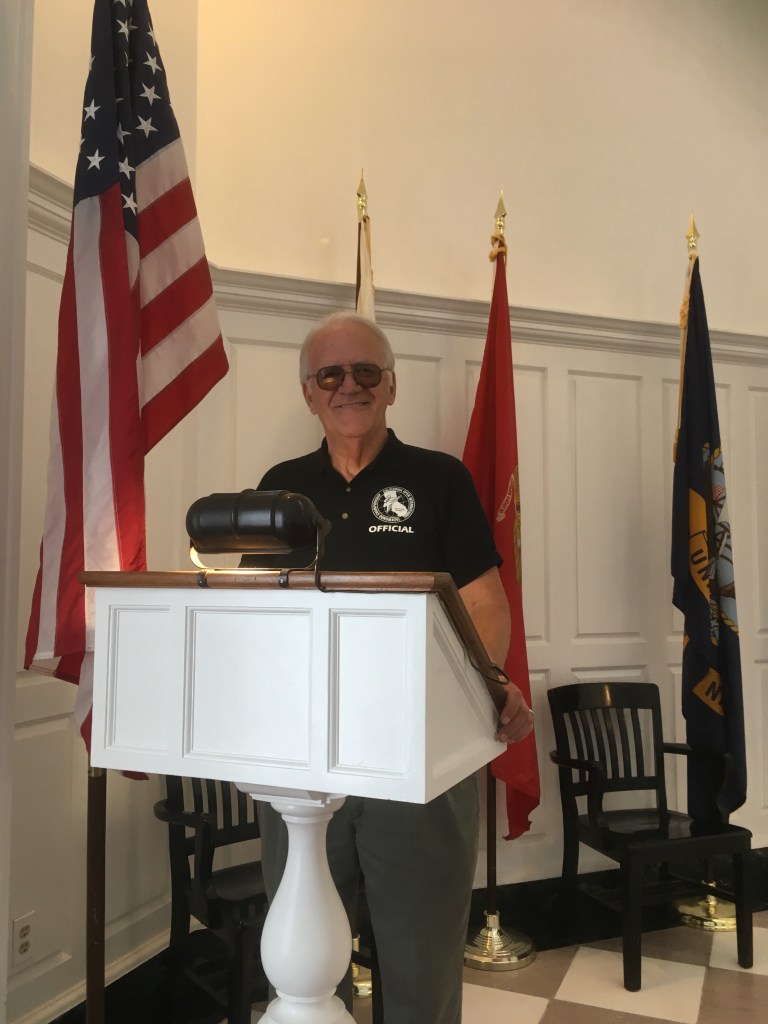
Reitenbach-Kissinger Institute
Sydney Reitenbach
Michael Kissinger
Text: 650-515-7545
Email: mjkkissinger@yahoo.com
LinkedIn: https://lnkd.in/gE7s99mP
See: Reach Your Peak Performance Results. Embrace Your Unlimited Potential and More. Valued Between from $2,350 to $5,500+
This is a Free event, but you need to Contact us, Qualify and Register for it. mksmasterkeycoaching.com


