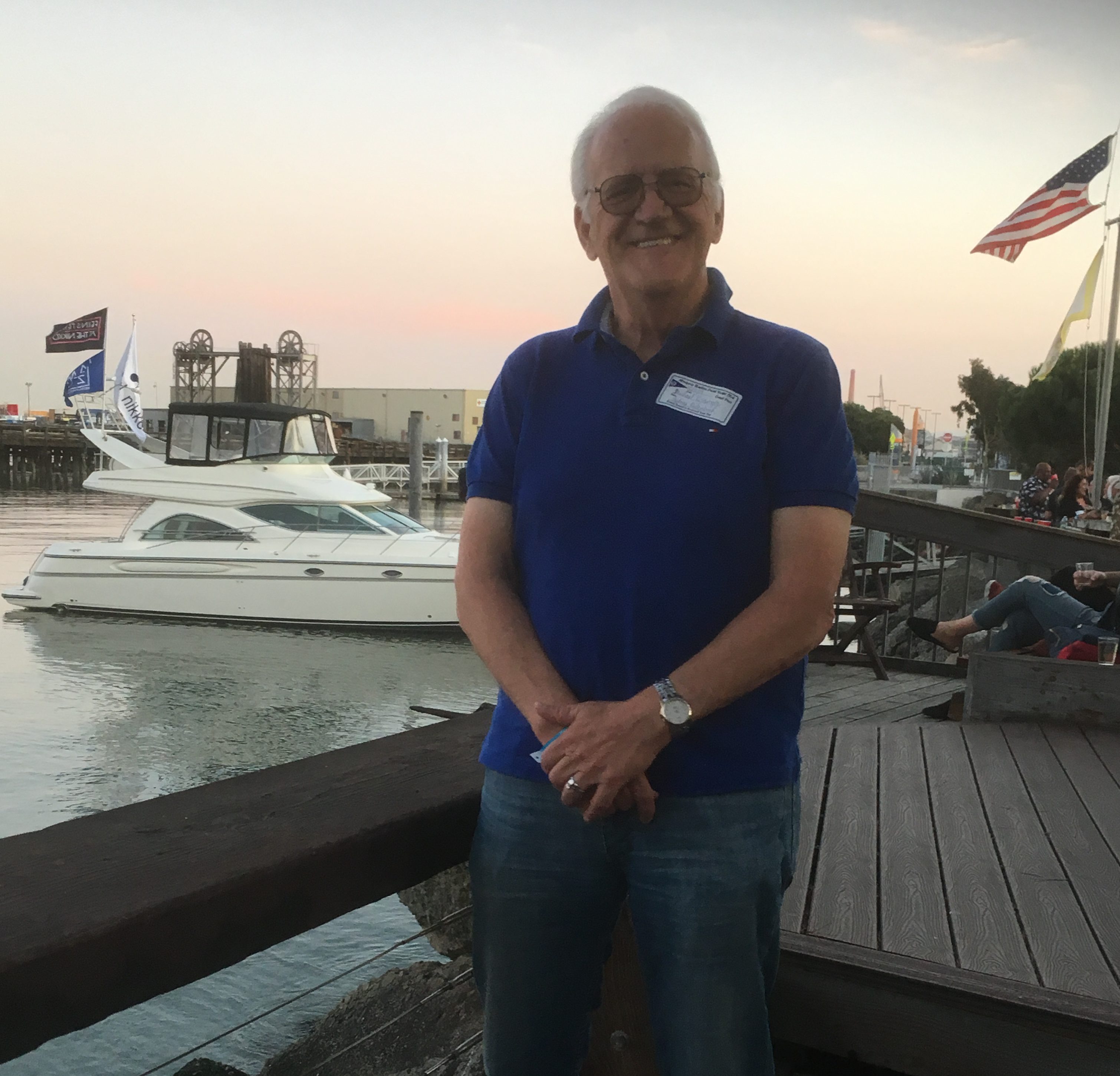
Many praise Professor Kissinger’s effectiveness in addressing life, business, and financial challenges, the significant personal, business, financial and professional growth and report substantial increases in their performance and results.
Substantial Improvements and Increases in Business Growth – Financial Improvement- Personal Development – Emphasizing Holistic Growth – High Investment Value
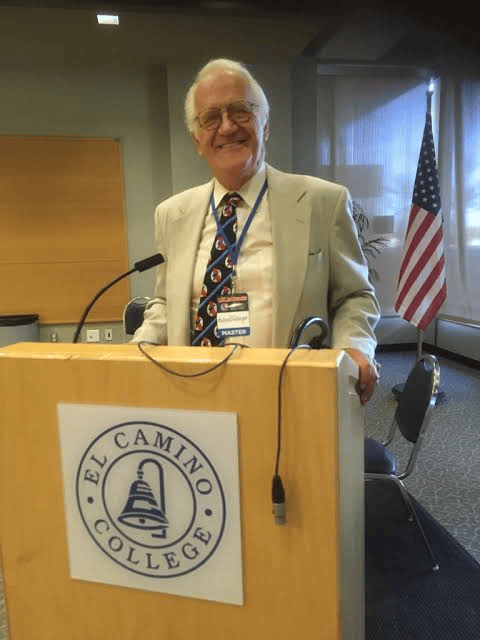
Unlock Your True Potential
Professor Michael Kissinger and the Reitenbach Kissinger Institute emphasize that coaching is a powerful tool for personal, business, financial and professional growth, advocating for leveraging expert guidance to optimize performance and achieve goals.
Below are the Experts and Masters that have been his coaches, mentors and teachers for over 45 years
Professor Kissinger believes that as a result of their coaching and mentoring that effective coaching can lead to significant transformations by addressing both mindset and execution strategies.
Professor Kissinger provides several key insights into the value of expert coaching.
- Coaching as Leverage — Professor Kissinger asserts that coaching isn’t a sign of weakness but a strategic advantage for leaders to enhance their effectiveness.
- Mindset Shift — He emphasizes that successful coaching involves changing the mindset of individuals, not just setting goals.
- Long-Term Growth — The return on investment (ROI) of coaching extends beyond immediate results, fostering long-term personal and organizational growth.
- Expert Guidance — Utilizing experts can help individuals make micro-adjustments that lead to substantial improvements without additional time or resources.
Mastery Insights to True Lifelong Potential
Professor Kissinger emphasizes that MKS Master Key System Results Coaching is essential for achieving sustainable growth because it provides the structure and accountability necessary to turn intentions into consistent action.
He argues that while motivation can provide a temporary spark, it is often unreliable, whereas a coach offers a fresh perspective and effective strategies to help you break through limiting beliefs and reach your highest potential.
Professor Kissinger Recommends Working with a MKS Master Key System Coach
| Coaching Concept | Primary Focus | Why It Matters |
|---|---|---|
| MKS Master Key System Results Coaching | Goal setting and accountability | Provides a system for consistent progress when motivation fades. |
| MKS Master Key System Executive Coaching | Mastering leadership skills | Acts as a mirror to identify blind spots and bridge the gap to your vision. |
| MKS Master Key System Personal Coaching | Sustainable transformation and growth | Aligns daily priorities with core values to make progress automatic. |
| MKS Master Key System Modeling Experts | Success leaves clues | Accelerates your results by studying and imitating those who have already succeeded. |
Philosophy of Personal Development
Professor Kissinger maintains that success is rarely a matter of luck but rather a result of what we do on a consistent basis. By working with a professional coach or mentor or experts, you can move beyond self-imposed limitations and gain the clarity needed to navigate complex challenges in both life and business.
- Internalizing a system is the core reason why even the most successful leaders—from elite athletes to heads of state—rely on coaches to hold them accountable.
- Facing the truth often requires getting out of your own head and seeking an external perspective to see the gap between your current reality and your desired future.
- Identifying limiting beliefs allows a coach to help you move past subconscious thoughts that might be sabotaging your progress or preventing you from taking meaningful action.
Coaching from MKS Master Key System Experts
Professor Kissinger credits much of his own growth to the power of learning from world class experts and modeling, which involves finding experts who have already achieved what you desire and learning from their successes and failures.
Professor Kissinger teaches that you should focus on becoming a “doer” rather than just a talker by feeding your mind with empowering knowledge.
- Modeling the few who actually take action is one of the most efficient ways to achieve your goals while avoiding the pitfalls they already navigated.
- Changing yourself is the fundamental requirement for changing your circumstances; as Professor Kissinger often says, if you want things to get better, you must first get better.
- Standing guard at the door of your mind is a daily discipline that ensures you nurture emotions like gratitude and courage rather than letting negative thoughts take root.
A coach helps you clarify your vision, ensuring that every action you take is aligned with your ultimate purpose, which serves as the emotional fuel for
Solve Challenges with 20+ MKS Mastery Key Mastery Masters
The world’s greatest life and business and financial experts who span diverse fields, with several names consistently dominating rankings across personal development, leadership coaching, and business strategy.
Reach your biggest goals faster. Get the strategies and support of the world’s best experts and see massive changes in your life, business, finances, relationships and more.
Charles F. Haanel Mastery
Charles Haanel built a remarkable entrepreneurial empire before becoming an author. He worked for National Enameling and Stamping Company for fifteen years while simultaneously developing a lucrative side business that reportedly generated around $400,000 annually (approximately $14.5 million in modern dollars) by 1895. His formal business roles included:
- President of the Continental Commercial Company (capitalized at $2.5 million, established 1905)
- President of the Sacramento Valley Improvement Company
- President of the Mexico Gold & Silver Mining Company
- Founder of the C.F. Haanel Publishing Company (1885)
Wallace Wattles Mastery
Wallace Wattles was an American New Thought author born in 1860 in Illinois who remains best known for The Science for Getting Rich published in 1910. Though personally obscure during his lifetime, his writing have been widely quoted and continues to influence the self help movement today, including inspiring Rhonda Byrne’s bestseller “The Secret”
Wattles Core Contribution
Was distilling New Thought principles into practical, actionable steps rather than abstract metaphysics. His “Science Trilogy” includes:
The Science of Being Well — explores health through New Thought principles
The Science of Getting Rich (1910) — argues wealth creation is a science achievable through specific thought and action principles
The Science of Being Great — companion work on personal greatness
He practiced creative visualization Forming mental pictures of success and working toward their realization—techniques are now central to modern self-help literature
James Allen Mastery
James Allen (1864–1912) was a pioneering self-help philosopher whose bestselling work
As a Man Thinketh has sold millions of copies worldwide. At age 15, after his father was murdered in America Allen left school to support his family as a factory worker and secretary.
He later retired to Devon, England, where he wrote 19 works in nine years, profoundly influencing the modern self-improvement movement and authors like Napoleon Hill.
Ernest Holmes Mastery
Ernest Holmes was an American New Thought writer and spiritual teacher and founded the Religious Science movement and authored The Science of Mind, a foundational text published in 1926 that synthesized philosophy, science, and spirituality. He left behind a legacy that influenced the self help movement and inspired generations of spiritual seekers worldwide.
Published the Creative Mind and Bible Mystery and Meaning
Thomas Troward Mastery
Thomas Troward was an English author and philosopher born in 1847 in Punjab, India, whose works profoundly influenced the New Thought Movement and modern spirituality.
He was a divisional judge in Punjab who, after retiring from the judiciary in 1896, devoted himself to studying comparative religion, mental science, and metaphysics until his death in 1916. Philosopher William James praised.
Troward’s Edinburgh Lectures n Mental Science as “far and away the ablest statement of philosophy we have met, beautiful in its sustained clearness of thought and style.”
His core Philosophy and Teachings centered on mental causation and the power of the mind to shape reality through universal laws:
- Mental Science: He believed that conscious and subconscious minds work together—the subconscious accepts uncritically whatever suggestion is impressed upon it, then works out its logical consequences with fidelity.
- Law of Attraction: By maintaining positive thoughts and aligning with universal intelligence, individuals can manifest desires and attract abundance.
- Divine Cooperation: “Nature obeys us precisely in proportion as we first obey Nature”—human progress requires conscious cooperation with cosmic intelligence.
- Synthesis of Traditions: His teachings blended Eastern philosophies (Hindu Raja Yoga, Buddhism), Christian mysticism, and Western logic into a unified spiritual framework.
Core Expertise Areas Philosophy and Teachings
His Philosophy centered on mental causation and the power of the mind to shape reality through universal laws:
- Mental Science: He believed that conscious and subconscious minds work together—the subconscious accepts uncritically whatever suggestion is impressed upon it, then works out its logical consequences with fidelity.
- Law of Attraction: By maintaining positive thoughts and aligning with universal intelligence, individuals can manifest desires and attract abundance.
- Divine Cooperation: “Nature obeys us precisely in proportion as we first obey Nature”—human progress requires conscious cooperation with cosmic intelligence.
- Synthesis of Traditions: His teachings blended Eastern philosophies (Hindu Raja Yoga, Buddhism), Christian mysticism, and Western logic into a unified spiritual framework.
His influence extends across multiple spiritual movements and modern institutions:
- Religious Science/Science of Mind: Ernest Holmes credited Troward’s works as the foundation for 25% of Religious Science philosophy; his teachings remain core curriculum in Science of Mind classes.
- Alcoholics Anonymous: Early AA members were strongly encouraged to read the Edinburgh Lectures by archivist Nell Wing.
- Popular Culture: The 2006 film The Secret credited Troward’s philosophy with inspiring its production and message.
- Notable Students: Geneviève Behrend was Troward’s only personal student throughout his lifetime, studying with him from 1912–1914.
Joseph Murphy Mastery
Joseph Murphy was an Irish-born American author and New Thought minister who became best known for his bestselling book The Power of Your Subconscious Mind published in 1963.
An experience with healing prayer led him to pursue spirituality outside Catholic orthodoxy. He emigrated to the United States in 1922 and became a pharmacist in New York before transitioning into ministry and writing.
Murphy authored more than 30 books that became foundational texts in New Thought and self-help literature. His most celebrated work,
The Power of Your Sebaceous Mind, sold over five million copies worldwide and remains widely read today. Other significant titles include How to Attract Money (1955), Believe in Yourself (1954), and Miracles of Your Mind (1952), all focusing on harnessing subconscious power for personal transformation.
Murphy deliberately maintained privacy throughout his life, famously refusing biography requests and stating that his life was contained in his published works.
He moved his ministry to Laguna Hills, California in 1976 and continued lecturing until his death in 1981; his wife, Dr. Jean Murphy, continued his ministry afterward.
Neville Goddard Mastery
Neville Goddard (1905–1972) was a Barbadian-born spiritual teacher and author who taught that imagination creates reality through the power of assumption and feeling.
He rose from humble beginnings in Saint Michael, Barbados, to become one of the most influential figures in the New Thought movement, developing a philosophy centered on the idea that consciousness shapes external circumstances.
His teachings emphasized that by vividly imagining a desired outcome and feeling it as already fulfilled, individuals could manifest their dreams into physical reality.
Neville’s philosophy rested on one revolutionary principle: your inner world becomes your outer world.
Rather than viewing imagination as mere daydreaming, he positioned it as a divine creative force with tangible results. His most famous teachings include the Law of Assumption, SATS (State Akin to Sleep), and the principle that “feeling is the secret”—the idea that emotion, not just visualization, imprints desires onto reality.
His teachings drew heavily on Bible reinterpretation and the poetry of William Blake, positioning Scripture as allegory for consciousness rather than literal history.
The Law of Assumption teaches that assuming the feeling of your wish fulfilled impresses the subconscious mind and shapes life circumstances.
Feeling is the Secret emphasizes that emotional conviction—not positive thinking alone—generates real-world outcomes.
Revision allows practitioners to mentally re-experience past events with desired outcomes, reshaping their psychological reality.
Genevieve Behrend Mastery
Geneviève Behrend was a French-born author and teacher of Mental Science who lived from 1881 to 1960, best known for her groundbreaking work on visualization and the law of attraction.
Her published works include Your Invisible Power (1921), How to Live Life and Love It (1922), and Attaining Your Heart’s Desire (1929), all of which remain influential in New Thought circles today and continue to be cited by contemporary self-help authors.
- Her emphasis on visualization as a tool for manifesting desires influenced generations of motivational thinkers
- She is quoted as an expert in Rhonda Byrne’s bestselling book The Secret
- Her teachings bridged esoteric philosophy with practical self-help methods accessible to general audiences
Your Invisible Power (1921), remains a bestseller and is cited as a foundational text in Rhonda Byrne’s The Secret.
Florence Scovel Shinn
Florence Scovel Shinn (1871–1940) was an American artist, illustrator, and New Thought spiritual teacher who became influential in the early 20th-century manifestation and self-help movement.
Florence was the daughter of lawyer Alden Cortlandt Scovel and came from a distinguished family—her great-great-grandfather, Francis Hopkinson, signed the Declaration of Independence.
She publishing The Game of Life and How to Play It in 1925, which remains a cornerstone text for manifestation teachings.
Florence’s metaphysical works emphasized the power of spoken words, affirmations, and the law of attraction
Her teaching is that thoughts and speech shape reality. Her core philosophy centered on the idea that invisible spiritual forces work in harmony with conscious intention.
Her legacy directly influenced contemporary teachers like Wayne Dyer, Louise Hay, and Rhonda Byrne, making her a foundational figure in modern manifestation culture.
The Game of Life and How to Play It (1925, self-published) became her signature work, outlining principles of visualization, affirmation, and divine timing.
Your Word is Your Wand (1928) and The Secret Door to Success (1940) followed, expanding her teachings on manifestation.
The Power of the Spoken Word (1945, posthumous) and The Magic Path of Intuition (discovered and published by Louise Hay in 2013) cemented her influence on modern spiritual writers and the law-of-attraction movement.
Key Mastery Elements from Modern Masters
Napoleon Hill Mastery
Napoleon Hill was an American self-help author born on who became one of the most influential figures in personal development literature.
He is best known for Think and Grow Rich (1937), which has sold over 100 million copies and remains a cornerstone of success philosophy. Hill’s central belief—”Anything the mind can conceive and believe, it can achieve”—shaped his entire body of work and continues to influence millions of readers seeking personal and financial growth.
The Carnegie Challenge & Research Foundation
In 1908, Hill received a life-changing assignment to interview steel magnate Andrew Carnegie for Bob Taylor’s Magazine. Impressed by Hill’s determination, Carnegie challenged him to research and distill the principles of success into a simple formula—without pay.
Over the next 20 years, Hill interviewed over 500 of the worlds riches men, including Thomas Edison, Henry Ford, and John D. Rockefeller, gathering the insights that would become his life’s work. This monumental effort transformed Hill from a struggling entrepreneur into the architect of modern personal development philosophy.
Hill’s influence is undeniable, yet historians and scholars remain skeptical of many of his claims, including whether he actually met Andrew Carnegie or held the title of attorney.
He faced multiple accusations of fraud throughout his career, including bankruptcy and mail fraud charges related to business ventures in Florida and Alabama. Despite these controversies, his teachings have profoundly shaped modern success culture, influencing contemporary figures like Tony Robbins, Brian Tracy, and Oprah Winfrey.
Earl Nightingale Mastery
Earl Nightingale was an American radio personality and motivational speaker born March 12, 1921, in Los Angeles who became the “Dean of Personal Development” through his groundbreaking work on success and personal transformation.
He recorded over 7,000 radio programs during a 40-year career and created The Strangest Secret in 1956, the first spoken-word recording to achieve Gold Record status by selling over a million copies. His central philosophy—”we become what we think about”—inspired generations of leaders and laid the foundation for the modern self-improvement industry. .
The Strangest Secret broke all precedent in the recording industry and sold in the multi-millions to corporations, retailers, salesmen, and people in virtually every walk of life worldwide.
Nightingale’s core insight—”we become what we think about”—came from reading Napoleon Hill’s Think and Grow Rich at age 29, after 17 years of searching for the secret to success.
He co-founded the Nightingale-Conant Corporation to democratize personal development, creating what became the world leader in the self-improvement industry and ensuring his legacy shaped modern success culture
Bob Proctor Mastery
Proctor transformed from a high school dropout working low-paying jobs into a millionaire entrepreneur after reading Napoleon Hill’s Think and Grow Rich at age 26.
He passed away on February 3, 2022, leaving behind a legacy of over 60 years devoted to helping millions reprogram their minds for success through abundance thinking and subconscious reprogramming.
Proctor authored numerous bestselling books emphasizing prosperity consciousness and the power of the mind, with You Were Born Rich becoming his most celebrated work.
His 2006 appearance in the film The Secret dramatically expanded his international reach, and he subsequently appeared on major television programs including Ellen and Larry King Live.
His core teachings centered on paradigm shifting, visualization, goal-setting strategies, and harnessing universal laws—principles that influenced millions globally and continue through the Proctor-Gallagher Institute he founded with Sandy Gallagher..
Jim Rohn Mastery
Jim Rohn was an American entrepreneur, author, and motivational speaker born September 17, 1930, in Yakima, Washington, who rose from poverty to become a self-made millionaire by age 31.
He spent over 40 years delivering more than 6,000 seminars to approximately 5 million people worldwide, fundamentally shaping the modern personal development movement before his death from pulmonary fibrosis on December 5, 2009.
Jim Rohn grew up as an only child on a modest farm in Caldwell, Idaho during the Great Depression, where he developed a strong work ethic through rigorous manual labor. By age 25, he was struggling financially with a young family and mounting debts until he met his transformative mentor,
Earl Shoaff, a successful direct sales entrepreneur who taught him that success is something you attract by the person you become.
Under Shoaff’s guidance, Rohn joined the Nutri-Bio direct selling company and built one of the largest organizations in the firm’s history, achieving millionaire status within six years.
Rohn’s speaking career began unexpectedly in 1963 when he was invited to address his local Rotary Club and share his personal story of transformation.
His approachable, philosophical style resonated with audiences, leading to invitations across the country and eventually worldwide, with estimates showing he spoke before over 5,000 different audiences and influenced millions through seminars, books, and recorded programs.
His most notable mentees included Tony Robbins, Brian Tracy, Mark Victor Hansen, and Jack Canfield, helping establish an entire generation of personal development leaders who credit him with shaping their careers and philosophies.
His net worth exceeded $500 million at the time of his death, accumulated primarily through speaking engagements, book sales, and business ventures.
He authored over 17 books and numerous audio and video programs, including 7 Strategies for Wealth & Happiness, The Five Major Pieces to the Life Puzzle, and My Philosophy for Successful Living He received the 1985 National Speakers Association CPAE Award for excellence in speaking, one of the industry’s highest honors
Tony Robbins Mastery
Tony Robbins is an American motivational speaker, author, and life coach born Anthony J. Mahavoric on February 29, 1960, in North Hollywood, California.
Known for seminars like “Unleash the Power Within” and bestselling books including Unlimited Power (1986) and Awaken the Giant Within (1991), he has built a $600 million net worth by coaching millions globally on personal development, financial freedom, and peak performance.
His influence extends to advising Fortune 500 CEOs, athletes, and world leaders, making him the nation’s #1 life and business strategist.
By the early 1980s, he began hosting his own high-energy seminars described as secular revival meetings, and launched his first infomercial Personal Power in 1988, which brought mainstream recognition.
- Promoted Jim Rohn seminars at age 17 and learned NLP from John Grinder
- Published Unlimited Power in 1986, establishing himself in self-help
- Created signature events like “Date with Destiny” and “Mastery University” attracting thousands annually
- Expanded into television with Breakthrough with Tony Robbins (NBC, 2010) and co-hosting Oprah’s Lifeclass (2012–present)
Robbins operates over 50 companies generating more than $1 billion in combined annual revenue, spanning wealth management, hospitality, sports ownership, and nutrition.
His foundation has provided over 850 million meals through Feeding America, and he donated profits from Money—Master the Game (2014) to combat hunger and provide clean water in rural India.
He holds stakes in the Los Angeles Football Club and owns luxury properties including a $25 million Florida mansion and a Fiji resort.
- Founder of Anthony Robbins Foundation (1991) supporting youth, homeless individuals, and incarcerated people
- Invested in LAFC (2014) as part of ownership group launching MLS franchise
- Honored by Harvard Business Press as one of the “Top 200 Business Gurus” and by American Express as a “Top Six Business Leader”
- Named in Worth Magazine’s top 50 most powerful people in global finance for three consecutive years
Jay Abraham Mastery
Jay Abraham Jay Abraham is a business strategist and marketing consultant born January 8, 1949, in Indianapolis, Indiana, who has advised over 10,000 companies across more than 1,000 industries and generated over $75 billion in documented revenue growth.
He founded and leads The Abraham Group, a consulting firm specializing in direct-response marketing, and is widely recognized as one of the most influential business minds of the past four decades, earning the nickname “The $75 Billion Man” for his transformative impact on client profitability.
Jay Abraham developed strategies in direct response marketing beginning in the 1970s and has become known for identifying overlooked business opportunities and underperforming assets that hold companies back from exponential growth.
His consulting approach focuses on helping leaders think differently rather than simply work harder—helping businesses across industries from small startups to Fortune 500 companies like Microsoft, FedEx, and Tony Robbins’ organizations unlock hidden revenue potential.
He specializes in recognizing the habits, systems, and positioning gaps that limit profitability and crafting tailored strategies to address them without increasing operational complexity.
Abraham has authored several influential books addressing economic strategies and business stagnation, including “Getting Everything You Can Out of All You’ve Got: 21 Ways You Can Out-Think, Out-Perform, and Out-Earn the Competition” (2000), “The Sticking Point Solution: 9 Ways to Move Your Business from Stagnation to Stunning Growth in Tough Economic Times” (2009), and “The Ultimate Real Estate Machine” (2021).
His work has been featured in The New York Times, USA Today, The Los Angeles Times, and The Washington Post, cementing his status as a thought leader in business strategy and executive coaching worldwide.
Brian Tracy Mastery
Brian Tracy is a Canadian-American motivational speaker and author born January 5, 1944, in Charlottetown, Prince Edward Island, who has become one of the world’s most prolific self-development experts.
He founded Brian Tracy International in 1984 and has since consulted for over 1,000 companies, addressed more than 5 million people across 5,000 seminars worldwide, and authored over 70 books translated into dozens of languages.
His most influential works include Eat That Frog!, The Psychology of Achievement, and Maximum Achievement, establishing him as a leading authority on personal and professional development.
Brian Tracy International specializes in training and development across leadership, selling, self-esteem, goals, strategy, and success psychology. His key accomplishments include:
- Chairman and CEO of three companies headquartered in Solana Beach, California, serving corporate clients including IBM, AT&T, and General Motors
- Addresses over 250,000 people annually as a keynote speaker and seminar leader
- Produced more than 300 audio and video learning programs, with Psychology of Achievement translated into 28+ languages and sold over 1 million copies
- Ranked #7 globally among motivational speakers according to Global Gurus 2021 list
- Prior experience as Chief Operating Officer of a $265 million development company with successful careers in sales, marketing, real estate, and management consulting
Tracy traveled to over 80 countries across six continents during his 20s, working aboard tramp steamers and gaining diverse business experience before transitioning to sales and eventually motivational speaking.
His bestselling books address productivity (Eat That Frog!), self-discipline (No Excuses!), and earning potential (Earn What You’re Really Worth), with titles translated into 40+ languages and over 10 million copies sold worldwide. He speaks four languages fluently and is married to Barbara with four children.
Robert Kawasaki Mastery
Robert Kawasaki is the American entrepreneur and personal finance author—not “Kawasaki.” Robert Kiyosaki was born April 8, 1947, in Hilo, Hawaii, and is best known as the author of Rich Dad Poor Dad, the #1 personal finance book of all time.
He’s an investor, educator, and founder of the Rich Dad Company, which has influenced millions worldwide on wealth-building and financial literacy.
- Graduated from Hilo High School in 1965 and attended the U.S. Merchant Marine Academy in New York, earning a Bachelor of Science degree and commission as a second lieutenant in the U.S. Marine Corps.
- Served as a helicopter gunship pilot during the Vietnam War, deploying to fight in Southeast Asia.
- Left the military in 1973 and turned down a lucrative job offer from Standard Oil to pursue entrepreneurship and sales.
After military service, Kiyosaki worked for Xerox Corporation as a salesman, eventually becoming the company’s top salesperson in Hawaii. In the 1980s, he expanded his reach by teaching motivational seminars on financial education before launching his breakthrough book in 1997.
- Started multiple businesses in the 1970s–1980s, including a nylon/Velcro wallet company (“Rippers”) and a rock band t-shirt venture—both initially failed, leaving him bankrupt at age 47.
- Published Rich Dad Poor Dad in 1997 with co-author Sharon Lechter, comparing his two fathers’ financial philosophies and emphasizing asset-building and financial independence.
- Founded Cashflow Technologies, Inc., which operates the Rich Dad brand, offering books, courses, and financial education products that have sold millions globally and translated into 51+ languages.
- Built a media presence through podcasts, YouTube videos, and speaking engagements promoting wealth-building, real estate investment, and cryptocurrency advocacy.
Brian Scott Mastery
Brian Scott is The Reality Revolution podcast creator is a writer, entrepreneur, and life coach who built a following of 805K YouTube subscribers.
His work focuses on manifesting wealth, parallel reality exploration, and consciousness expansion techniques including meditation, quantum jumping, and neurolinguistics programming.
After surviving a near-fatal shooting, he authored two books—The Reality Revolution and Activate Your Unlimited Power—and hosts daily podcast episodes averaging 66 minutes each.
Warren Buffet Investing Mastery
Warren Buffett’s investment philosophy relies on identifying high-quality businesses with durable competitive advantages and holding them for the long term.
Warren Buffett’s investment philosophy relies on identifying high-quality businesses with durable competitive advantages and holding them for the long term.
This approach, often referred to as value investing, prioritizes the intrinsic value of a company over short-term market fluctuations, allowing for compounding growth through patience and disciplined capital allocation.
| Investment Strategy | Focus Area | Goal |
|---|---|---|
| Value investing | Intrinsic business worth | Long-term capital appreciation |
| Economic moats | Competitive advantages | Protecting market share |
| Dividend reinvestment | Compound growth | Maximizing wealth creation |
Core Principles
Buffett’s success is rooted in a consistent set of principles that emphasize understanding every company within his portfolio. He prefers businesses with predictable earnings and strong management teams that operate with integrity.
- The concept of an economic moat describes a company’s ability to maintain its competitive advantage, ensuring that rivals cannot easily erode its profitability or market position.
- By maintaining a long-term horizon, investors avoid the common trap of reacting to market noise, instead focusing on the fundamental performance of the underlying assets.
- His commitment to frugal capital allocation ensures that Berkshire Hathaway retains earnings to reinvest in opportunities that promise high returns on invested capital rather than seeking quick payouts.
Strategy Implementation
Implementing these strategies requires a temperament that remains calm when others are panicking, as Buffett frequently emphasizes that price is what you pay while value is what you get. He looks for opportunities where the market price is significantly lower than the company’s true worth.
- Investors should aim for high-quality businesses that demonstrate consistent historical performance, which serves as a reliable indicator of their future potential.
- A disciplined buy-and-hold strategy reduces transaction costs and tax liabilities while allowing the power of compounding to work fully over many years.
- When market volatility increases, it often provides unique entry points to purchase shares of excellent companies at bargain prices compared to their long-term growth prospects.
Understanding these fundamentals allows investors to emulate the patience and analytical rigor that defined his decades of financial success.
Charlie Munger Investment Mastery
Charlie Munger’s investment philosophy served as the architectural anchor for modern value investing, relying on multidisciplinary mental models rather than standard market consensus. By prioritizing rational thought over emotional reactivity, he built a legacy centered on structural patience and the rigorous avoidance of catastrophic errors.
Charlie Munger’s investment philosophy served as the architectural anchor for modern value investing, relying on multidisciplinary mental models rather than standard market consensus. By prioritizing rational thought over emotional reactivity, he built a legacy centered on structural patience and the rigorous avoidance of catastrophic errors.
What are the core mental models Charlie Munger used for decision making?
| Core Strategy | Focus Area | Impact |
|---|---|---|
| Portfolio Concentration | High-conviction ideas | Limits return dilution by avoiding over-diversification |
| Inversion Thinking | Avoiding stupidity | Focuses on identifying fatal structural defects early |
| Fundamental Analysis | Business quality | Prioritizes high returns on invested capital over low price |
| Margin of Safety | Risk assessment | Insists upon compensation for the specific risk assumed |
Principles of Rational Thought
Munger’s approach to problem-solving was rooted in his constant search for better methods of thought rather than reliance on a single magic formula.
His framework encouraged investors to move beyond simple financial metrics and view the world through a broader lens of interdisciplinary knowledge.
- The Lollapalooza effect occurs when multiple mental models or biases act in compound with each other, frequently leading individuals to make irrational decisions.
- He advocated for intellectual humility as a requirement for success, noting that the ability to un-learn one’s own deeply held ideas is a rare but critical skill.
- By utilizing a latticework of mental models, investors can better solve critical business problems and reduce the likelihood of encountering preventable issues.
Long-Term Capital Discipline
Instead of chasing short-term market gains, Munger championed the idea that spectacular investment opportunities are rare and should be held with extreme patience. His strategy relied on identifying companies with inherent competitive advantages and allowing the compounding process to maximize value over decades.
- The big money is made in the waiting rather than the buying or selling, reinforcing his commitment to long-term ownership of winning positions.
- He maintained that a great business at a fair price is vastly superior to a fair business purchased at a bargain price, rejecting the idea that value investing is merely bargain-hunting.
- Munger avoided speculative technology companies that lacked predictable visibility, preferring businesses that could deploy incremental capital at very high rates of return.
His consistent focus on these durable operating principles allowed him to preserve purchasing power and navigate market fluctuations with a calm, disciplined approach.

Apply the Power Of MKS Master Key System Mastery
Professor Kissinger emphasizes that mastery is not merely about talent but involves consistent practice and the right mindset. He identified his mentors and coaches. He also identified key elements that contribute to achieving mastery in any field, which can lead to significant personal and professional success.
Overview of Professor Michael Kissinger
Professor Michael Kissinger is a peak performance coach and the creator of the MKS Master Key System, which focuses on personal empowerment and business mastery.
His coaching programs are designed to help individuals achieve their goals through transformative strategies and personalized support. mksmasterkeycoaching.com
Professor Kissinger has a rich background in coaching and personal development.
- Founder of the Reitenbach-Kissinger Institute — He established this institute to offer MKS Master Key System Coaching, focusing on personal and financial mastery.
- Experience — With over 40 years in coaching, he specializes in transformative strategies for business owners and entrepreneurs.
- Coaching Approach — His programs emphasize accountability and personalized strategies to help clients convert breakthroughs into actionable results.
- Educational Background — Kissinger’s coaching is rooted in the principles of the MKS Master Key System, which utilizes repetition as a key learning tool.
Key Elements of Mastery
Understanding the components of mastery can enhance personal growth.
- Repetition — Consistent practice builds confidence and skill, essential for mastery.
- Mindset — A growth mindset allows individuals to embrace challenges and learn from failures.
- Coaching — Engaging with a coach can accelerate the mastery process by providing guidance and accountability.
- Focus — Concentrating on specific goals and strategies is crucial for achieving mastery.
Investment for MKS Master Key Coaching
The cost of Professor Michael Kissinger’s coaching for the MKS Master Key System varies significantly, with structured programs priced around $6,995 and multi-month packages ranging from $4,500 to over $18,000 depending on the services included.mksmasterkeycoaching.com
Understanding the pricing structure can help in decision-making.
- Structured Programs — Costs around $6,995 for a comprehensive coaching experience.
- Multi-Month Packages — Range from $4,500 to over $18,000, depending on duration and services offered.
- Digital Coaching Options — Available at lower price points, making it accessible for various budgets.
- Intensive Certification Tracks — These can be more expensive, reflecting the depth and duration of the training.
- The above Masters have been Professor Kissinger’s coaches, mentors and teachers for over 45 years and are are widely recognized as the world’s best life, businessand financial strategist, having spent over decades empowering personal development across millions of people globally.

Design Your Mastery Blueprint for an Extraordinary Life Today
Creating an extraordinary life starts with clarity about where you are now and where you want to go, followed by intentional action aligned with your deepest values for Mastery.
Your personal development plan acts as both a mirror for self-knowledge and a map for your direction, transforming scattered motivation into systematic progress.
The key is recognizing that an extraordinary life requires mastering two complementary skills: the science of achievement (following universal rules of success) and the art of fulfillment (discovering what genuinely brings you joy and meaning).
Let’s Cultivate a 100% Mastery Breakthrough for You Today!
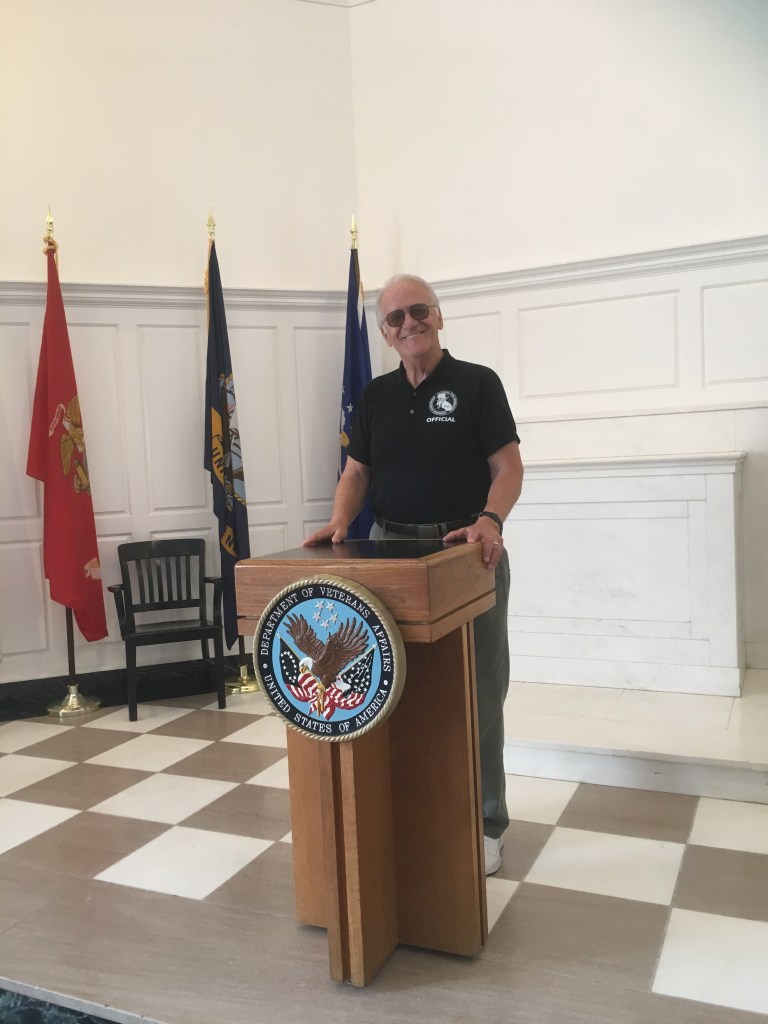
Reitenbach-Kissinger Institute
Sydney Reitenbach
Michael Kissinger
Text: 650-515-7545
Email: mjkkissinger@yahoo.com
LinkedIn: https://lnkd.in/gE7s99mP
See: Reaching Your Peak Performance
mksmasterkeycoaching.com


