
The Challenge: The normal business owner challenge is to identify the right pieces, fit them together, and achieve a clear, measurable results.
The Solution: Business Success Puzzle Solutions: High-touch, outcome-driven advisory for businesses committed to measurable results, drawing on the same expertise used by top world class business firms.

The Power of Success Puzzle Strategy to Unlock Small Business and Profit Success
Introducing a Totally New Way to Start Own or Grow Your Small Business
- Even if…you don’t have a failing business or idea
- Even if…you’re not a world-famous business
- Even if…you’re overwhelmed with no idea where to start turning your business around
- Especially if you want to increase your income by $10,000…or $50,000…or even $100,000 with your current business.
- If you desire to avoid another decade of work with nothing to show for it.
Professor Michael Kissinger and the Reitenbach Kissinger Institute offers business coaching that focuses on solving complex challenges through a structured approach, often referred to as the “success business puzzle.”
This method helps entrepreneurs and leaders identify key issues, develop strategies, and implement solutions to enhance business performance.
Professor Kissinger’s “Success Business Puzzle” coaching and training programs are designed to help entrepreneurs transition from business operators to owners by providing strategies for scaling, profitability, and leadership.
These immersive experiences combine expert insights with actionable systems to help participants navigate growth at any stage of their business journey.
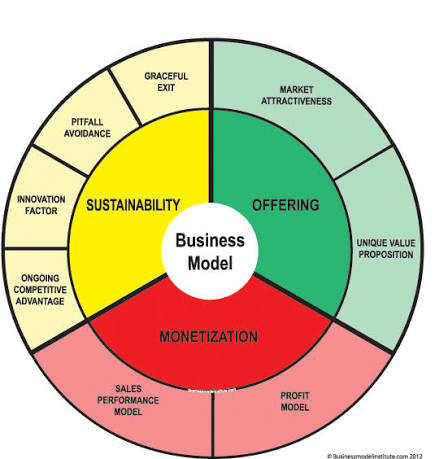
Focus for Business Mastery Coaching
| Program | Format | Key Focus |
|---|---|---|
| MKS Master Key Coaching System Business Mastery | 5-day immersive event | Shifting leadership roles from operator to true owner |
| MKS Master Key Coaching System Advanced Business Mastery | 5-day virtual experience | Accelerating profit margins and sales negotiation skills |
| MKS Master Key Coaching System Business Accelerator | Monthly membership | Record-breaking growth through live interactive training |
| MKS Master Key Coaching System Results Coaching | Six-month workshop | Tailored professional coaching and training on core business competencies |
Core Business Coaching
Professor Kissinger’s approach centers on giving business leaders the tools to work on their ventures rather than just within them. By addressing operational bottlenecks and teaching sustainable growth models, these programs help owners break through plateaus and optimize every aspect of their company.
- MKS Master Key System Business Coaching Mastery provides an interactive environment where entrepreneurs collaborate and solve unique challenges during five days of intensive training.
- MKS Master Key System Business Coaching Advanced Mastery serves as a high-level experience built for direct implementation, offering personalized support to re-engineer businesses from the inside out.
- MKS Master Key System Business Coaching Accelerator grants access to a curated community and a 7-step growth system, making it an option for those seeking ongoing guidance and monthly masterclasses.
Professional Coaching Support
MKS Master Key System Business Results Coaching is a foundational element for those looking for dedicated, one-on-one accountability to implement their specific growth plans.
These programs are facilitated by Professor Kissinger and certified experts who assess a company’s situation to ensure the training is not a cookie-cutter approach but rather tangible knowledge for immediate application.
- One-to-one sessions in advanced programs provide direct access to an experienced coach who helps keep leaders accountable to their strategic goals.
- Six core competencies form the basis of the long-term workshops, covering areas like emotional mastery, hiring, and leadership development.
- Customized training plans allow business owners to tailor the curriculum to their specific revenue or culture-building needs.
Every program is aimed at helping you build a thriving organization that leads the game with certainty.
Overview of Business Success Puzzle Coaching
Professor Kissinger’s business coaching utilizes a unique framework for success.
- Business Puzzle Concept — The coaching framework is designed to help clients piece together various aspects of their business to identify and solve problems effectively.
- Strategic Insights — Professor Kissinger provides actionable strategies based on psychological insights and practical business principles.
- Personalized Coaching — Each coaching program is tailored to the individual needs of the entrepreneur, ensuring relevance and effectiveness.
- Focus on Growth — The coaching emphasizes not just problem-solving but also fostering sustainable business growth
Small Businesses Failing?
Professor Kissinger emphasizes that many small businesses fail due to a lack of strategic planning and adaptability. He identifies key factors that contribute to business failure, urging entrepreneurs to build a solid foundation for long-term success.
Key Reasons for Small Business Failures
Understanding the common pitfalls can help entrepreneurs succeed.
- Lack of Planning — Many businesses fail because they do not have a clear business plan or strategy in place.
- Inadequate Market Research — Failing to understand the target market can lead to poor product-market fit.
- Financial Mismanagement — Poor financial practices, such as overspending or underestimating costs, aresignificant contributors to failure.
- Failure to Adapt — Businesses that do not evolve with market trends often struggle to survive.
Professor Kissinger identifies several critical pitfalls that cause many new enterprises to falter, noting that business failure is common with roughly 20% of companies closing in their first year.
Understanding the underlying causes of these setbacks is essential for entrepreneurs who want to scale effectively rather than succumbing to common operational and psychological hurdles.
The main reasons Professor Kissinger cites for small business failure
| Common Pitfall | Strategic Impact | Key Recommendation |
|---|---|---|
| Ineffective business plan | Hinders your team’s vision | Build a comprehensive business map for scaling |
| Product-centric focus | Alienates your target client | Fall in love with the customer instead |
| Inventory mismanagement | Threatens financial stability | Hire skilled managers or use specialized software |
| Reactionary mindset | Bottlenecks business growth | Anticipate future needs and build leverage |
Psychological and Cultural Barriers
The success of any company often hinges on the mindset of the leader, as entrepreneurs who remain stuck in reactive behaviors frequently become the primary limit to their firm’s expansion.
Shifting your focus from day-to-day operations to strategic leverage is necessary to break through these plateaus and drive lasting results.
- Internal cultural problems can escalate from small pain points into major roadblocks if they are ignored or left unaddressed by leadership.
- Limiting mental beliefs regarding personal worth or vulnerability often create invisible barriers that prevent leaders from asking for help.
- Excessive ego issues can destroy potential sales relationships by prioritizing personal validation over the needs of the client.
Effective leadership is about clearly seeing where you want to go and creating the systems that produce consistent results, ultimately moving you from an operator into an owner.
Strategies for Sustainable Growth
Growth is not simply about being busy; it is about focusing on the specific tasks that create the most significant impact for your business. By prioritizing innovation and deep customer connection, you can move away from merely scraping by and toward thriving in a competitive marketplace.
- Timeless business tips emphasize that creating a culture of innovation is vital to meeting client needs in unique ways.
- Healthy money rituals like creating a consistent spending plan are foundational steps for young companies looking to ensure long-term stability.
- Relentless customer focus allows you to anticipate needs that clients may not even be aware of yet, transforming them into loyal fans.
True business mastery involves a lifelong commitment to evolving, improving, and adding value to everyone within your sphere of influence.
15 Success Puzzle Mastery Fixes to Eliminate Failure
Professor Kissinger states that small business is more than just an idea — it’s a structured operation with multiple interdependent parts.
Here are 15 Major Components that make up a small business, based on best practices from business planning and operational frameworks.
[1]: Business Name & Brand Identity Effect
A unique, memorable name and consistent brand image that reflects your values and target market
Crafting a strong brand identity serves as the strategic foundation for your business, requiring a deep understanding of your purpose, audience, and market position before you begin naming or designing visuals.
How do I check if a business name is trademarked?
| Technique | Goal | Practical Application |
|---|---|---|
| Brainstorming methods | Concept Generation | Use mind maps to branch out from a central word, synonyms, or puns. |
| Positioning strategy | Differentiation | Define your audience, the problem you solve, and your unique value proposition. |
| Visual consistency | Recognition | Pair your chosen name with a clear color palette and distinct typography. |
| Schema strategy | Digital Authority | Launch your site with organization schema to help Google disambiguate your name. |
Strategic Naming Process
Choosing a business name effectively involves ensuring it remains distinct from existing competitors in your industry while confirming that your desired social media handles are available. You should aim to generate a high volume of options—often 20 to 50 or more—to move past generic first thoughts and find a name that truly resonates.
- Domain availability acts as an essential initial filter, as a unavailable .com can signal that a name might already be crowded or legally risky.
- Trademark filing should be handled by a qualified IP solicitor rather than through do-it-yourself methods to avoid future legal rebranding.
- Naming techniques can be tailored to your brand personality, whether you seek the clarity of descriptive names, the emotional weight of evocative ones, or the trendiness of a portmanteau.
Once your name is set, remember that it is merely a vessel that you must fill with meaning through a compelling launch story and consistent communication.
Building Brand Identity
Visual identity elements such as your logo, typography, and color palette form the recognizable face of your brand across every touchpoint, from emails to social posts. By establishing a list of dos and don’ts for your language, you ensure your brand voice remains consistent, whether you are positioning yourself as a trust expert, a muse, or a reliable friend.
- Customer perception shapes your marketing strategy, making it vital to understand the priorities of your audience so you can tailor your messaging accordingly.
- Color psychology plays an emotional role in purchasing decisions, which is why specific industries often gravitate toward recurring color combinations that trigger warmth or excitement.
- Brand personality is strengthened by your choice of typography, as different font styles—like calligraphy or script—can instantly convey elegance or approachability.
Successful branding requires you to narrow your identity down to just a few core adjectives and scrap any creative decisions that do not fit that original vision.
[2]: Mission & Vision Statements Effect
Define your purpose, long-term goals, and guiding principles.
Developing effective mission and vision statements involves clarifying your core values and the long-term impact you intend to make for your audience or community.
Collaborative development processes ensure these statements feel authentic and actionable, preventing them from becoming mere slogans that live only on an About page.
How do I involve my entire team in drafting mission statements?
| Process Step | Best Practice | Impact |
|---|---|---|
| Gathering diverse input | Invite team members from various business functions | Improves authenticity and organizational buy-in |
| Drafting initial statements | Start with a small, focused group of leaders | Prevents difficulty and confusion in early sessions |
| Setting review cycles | Revisit statements every six to twelve months | Keeps the company aligned during major growth |
| Ensuring statement clarity | Focus on core operations without using vague language | Distinguishes your business from market competitors |
Strategic Frameworks for Crafting Statements
Choosing a proven framework helps you structure your thoughts into clear, functional language. These tools provide the necessary scaffolding to transform abstract ambitions into specific, actionable guidelines for your daily operations.
- Simon Sinek’s template offers a structured approach using the format of “To [contribution] so that [impact]” to focus your primary purpose.
- Stephen Covey’s method centers on the principle of beginning with the end in mind to guide deep introspection regarding your ideal future.
- Brevity in writing is essential because statements exceeding three sentences often lose the power to inspire teams or drive daily decision-making.
Aligning Statements With Corporate Strategy
Once your statements are drafted, they must function as practical tools rather than static text. By embedding these values into your operations, you ensure that your team remains connected to the ultimate goal while executing specific, everyday projects.
- Operational bookends function as the starting line and finish line for every project, plan, and strategic initiative your team undertakes.
- Decision-making frameworks become invaluable during periods of career transition or organizational scaling by providing a clear compass for choices.
- Turning words into action requires that leaders consistently use their mission and vision statements to guide hiring, planning, and company growth.
By revisiting these goals regularly, you allow your organizational identity to evolve alongside your business or life trajectory.
[3]: Business Model Effect
How you create, deliver, and capture value (e.g., product-based, service-based, subscription).
Effective business modeling requires a systematic approach that balances strategic vision with practical, iterative testing to ensure long-term sustainability. These methods help you clarify how your organization creates value, manages costs, and generates revenue in a competitive landscape.
How do I structure a business model canvas for a startup?
| Technique | Primary Benefit | Best Used For |
|---|---|---|
| Business Model Canvas | Visualizes core operations on one page | Mapping essential activities and customer segments |
| BPMN standardized notation | Bridges business and technical teams | Modeling complex enterprise workflows |
| Lean Startup iterations | Turns hypotheses into proven facts | Prototyping and testing new ventures |
| Navigator frameworks | Facilitates continuous business innovation | Adapting models to changing market trends |
Strategic Frameworks
Crafting a successful model often begins with structured tools that allow you to visualize your entire business ecosystem. By using frameworks, you can quickly identify gaps, test assumptions, and align your team around a shared vision for growth.
- Business model templates provide a fast, efficient way to flesh out your core value proposition and ensure you do not miss critical components of your venture.
- Market research analysis serves as the foundation for a robust plan, involving a deep exploration of customer behaviors, industry trends, and competitor strategies.
- Visual process maps help teams understand workflows by outlining the sequence of tasks and the decision points that produce specific business outputs.
Developing a model is a living process rather than a one-time document, requiring consistent updates as you gather real-world feedback from your target market.
Testing and Adaptation
Once your initial draft is complete, the most critical step is moving from theory to execution through validation. This phase transforms your well-informed guesses into verified facts that support profitable operations.
- Viability prototyping focuses on whether your model can actually sustain itself, while desirability prototyping confirms whether the customer need you identified is real.
- Continuous improvement cycles allow you to monitor performance metrics and refine your operational steps to maintain efficiency as your organization scales.
- Innovation and adaptability foster a resilient business environment where risk-taking and experimentation lead to new product opportunities or improved service offerings.
Refining your approach based on customer response and financial performance is what ultimately separates a vague concept from a viable, scaling business.
[4]: Target Market & Customer Profile Effect
Developing a clear understanding of your ideal customer involves a rigorous, data-driven approach that combines behavioral insights with demographic research. By treating your profiles as living documents that evolve alongside market trends, you can ensure your marketing strategies remain effective and avoid the common pitfall of relying on stagnant, outdated assumptions.
How do I conduct effective customer discovery interviews for profiles?
| Technique | Primary Purpose | Key Focus Area |
|---|---|---|
| Data-driven analysis | Segmenting existing clients | Identifying high-value buyer characteristics |
| Market research | Pinpointing industry gaps | Monitoring competitor positioning and tactics |
| Social listening | Capturing customer voice | Tracking pain points and brand sentiment |
| Predictive testing | Validating your hypotheses | Measuring ad engagement through pilot campaigns |
Strategic Market Segmentation
Building a target market requires you to transition from broad demographics to specific, actionable audience groups. This process ensures you aren’t just reaching “people,” but specifically engaging the individuals most likely to convert into loyal customers.
- Demographic data serves as the foundation for your segments, helping you categorize potential customers by age, income, education, and marital status.
- Behavioral factors allow you to refine these groups further by observing how individuals interact with your products and navigate your website.
- Subculture targeting provides an opportunity to align your brand aesthetic and messaging with the specific values or interests of niche communities.
Refining your focus early prevents the costly mistake of attempting to sell to everyone, which often dilutes your brand messaging and wastes advertising spend.
Crafting Actionable Profiles
Creating effective customer profiles means moving beyond fictional, superficial descriptions to capture the tangible factors that drive real purchase decisions. You want to synthesize research into a composite character that helps your team empathize with the specific problems your product solves.
- Pain points are essential data points that keep your team focused on delivering genuine value rather than just pushing features.
- Buying patterns reveal whether your typical contact makes decisions independently or requires consensus, which is vital for tailoring your sales approach.
- Product service fit explicitly maps your offerings to the specific needs of each profile, ensuring your messaging resonates with the right challenges.
By maintaining these profiles as dynamic resources rather than static slide decks, your organization gains the agility to adapt when competition shifts or new technologies emerge.
[5]: Products or Services Effect
The offerings you provide, including features, quality, and pricing.
The right methodology for building new products or services balances project constraints like time and resources while ensuring the final result meets specific customer requirements. Choosing the correct approach depends on your existing knowledge of the market and the speed at which you need to learn.
How do I validate a new product idea before building it?
| Methodology | Best For | Key Focus |
|---|---|---|
| Design Thinking | Teams new to design | Five-stage process emphasizing empathy and rapid prototyping |
| Scrum | Teams needing speed | Iterative and incremental development through collaboration |
| Double Diamond | Mapping project phases | Divergent and convergent thinking to discover and deliver |
| Systems Engineering | Highly complex systems | Defining and managing components throughout their life cycles |
Core Frameworks and Strategies
Selecting an approach early helps teams avoid common pitfalls like scope creep or failing to validate a concept before full investment. Whether you are launching a startup or refining a complex service, these methodologies provide structured paths for navigating uncertainty.
- Lean Startup encourages constant experimentation and customer feedback to reduce the inherent risk of developing unsuccessful products.
- Human-centred design serves as the methodological foundation for most modern customer experience work, focusing on the empathy engine.
- Shape Up offers a distinct product development methodology that emphasizes clear project scopes and set timelines.
- Lean UX pairs short, iterative experiments with continuous user feedback, making it ideal for agile-focused product teams.
Understanding your organization’s capacity for change ensures that you select a framework that matches your actual team culture.
Selecting the Right Approach
Effective creation relies on more than just choosing a popular tool; it requires evaluating how the methodology impacts your team’s questions, involvement, and total development time. The most successful teams often adapt these frameworks to solve their most pressing problems without succumbing to excessive planning.
- Product-market fit is often more attainable when you focus on early customer research rather than just technical specifications.
- Waterfall processes remain a classic linear model where teams plan everything fully before moving into the building phase.
- Service design maps the specific interactions and touchpoints that shape a customer’s journey, even when the product itself is intangible.
- Agile development provides the flexibility needed to refine products constantly, though it requires a highly skilled and collaborative team.
The most effective teams treat these methodologies as living guides rather than rigid rules, adapting them as the project evolves over time.
[6]: Market Analysis Effect
Industry trends, size, growth potential, and competitive landscape.
Creating a robust market analysis requires a disciplined, structured framework that transforms raw data into actionable strategies while maintaining an honest assessment of what remains unknown. By blending quantitative metrics with qualitative insights, businesses can navigate uncertainty to make confident, evidence-based decisions about their future positioning.
How do I structure a professional market analysis report for investors?
| Market Research Method | Best For | Typical Data Type |
|---|---|---|
| Competitive analysis | benchmarking industry activities | Qualitative and quantitative |
| Customer data analysis | trend analysis and business cases | Real-life performance metrics |
| Large-scale surveys | gathering numerical trends | Quantitative statistical data |
| Expert consultations | gaining strategic advice | Qualitative industry insight |
Strategic Execution
Building a successful market analysis process starts by determining why you are conducting the investigation, as a clear purpose prevents researchers from getting lost in irrelevant information. This foundational step guides every subsequent choice, from the data sources you select to the specific consulting frameworks you apply to your findings.
- Secondary research methods offer a broad perspective on industry trends and purchasing behavior, often serving as a cost-effective starting point before diving into primary data collection.
- Qualitative research methods such as focus groups and interviews help businesses explore the “why” behind consumer preferences, balancing the numerical data gathered from other sources.
- AI-enabled research platforms are rapidly changing the field by allowing teams to work at greater scales, process large datasets quickly, and generate insights that were previously impractical to surface.
- Continuous learning processes ensure that your strategy remains relevant, as both the tools used for analysis and the market dynamics themselves are constantly shifting.
Conducting research effectively means connecting your findings directly to business decisions to move beyond abstract planning.
Presenting Insights
The real value of your research emerges when data is translated into clear, compelling narratives that stakeholders can act upon immediately. Presentation is not just about aesthetics, but about using the right structure to ensure your team grasps complex market dynamics without confusion or delay.
- Visual research findings are essential because they allow audiences to quickly digest key points and patterns that would otherwise stay hidden in dense spreadsheets.
- Structured slide decks provide a professional framework for communicating findings, with many top-tier consultants relying on pre-built templates to ensure consistency and methodological rigor.
- Regular team meetings foster internal alignment and make it significantly easier to turn theoretical research into meaningful operational results.
- Cleaned research data should be verified by removing errors, duplicates, and irrelevant entries before you attempt to finalize your reports for company stakeholders.
Focusing on clarity ensures that your analysis serves as a functional guide rather than a decorative report.
[7]: Competitive Analysis Effect
Who your competitors are, their strengths/weaknesses, and your competitive.
Systematic competitive analysis research allows businesses to identify their rivals’ strengths and weaknesses while uncovering strategic opportunities for growth. By maintaining a structured, ongoing approach rather than a one-time task, organizations can better anticipate market shifts and refine their own value propositions.
How do I structure a SWOT analysis for a new market entrant?
| Analysis Method | Primary Goal | Focus Area |
|---|---|---|
| SWOT analysis frameworks | Internal alignment | Assessing organizational strengths and weaknesses against external threats |
| Competitive matrix templates | Finding gaps | Organizing and prioritizing findings to reveal specific market opportunities |
| Strategy canvas mapping | Market positioning | Visualizing where your business falls relative to competitors in the industry |
| Digital marketing assessment | Technical performance | Evaluating competitor websites for conversion optimization and user experience |
Core Research Strategies
Developing a comprehensive competitive framework helps teams move beyond simple feature comparisons to understand how to actually win over customers. Instead of just tracking industry leaders, research should include a mix of direct and indirect competitors to get a full view of the landscape.
- Real-time competitor monitoring systems provide continuous insights into pricing changes and new content series as they happen.
- Primary research methods involving direct feedback from your own customers provide essential, non-public data that quantitative metrics alone miss.
- Quarterly content analysis keeps your strategy aligned with emerging trends while avoiding the trap of becoming overwhelmed by daily noise.
Strategic Execution and Tools
Executing actionable business goals is the final, most critical step that turns research data into a competitive advantage. When findings are shared across the organization, teams gain the context needed to make informed decisions regarding product development and marketing spend.
- AI-powered product management platforms automate the benchmarking process, organizing web intelligence into clear, decision-ready reports.
- Visual collaboration tools ensure that cross-functional teams remain aligned as they brainstorm and synthesize complex data.
- Continuous intelligence monitoring prevents a reactive posture, ensuring your company remains agile enough to pivot when market conditions change.
Following this structured approach ensures your strategy is always grounded in current, reliable market data.
[8]: Marketing & Sales Strategy Effect
How you promote, price, and sell your offerings.
Creating a successful marketing and sales strategy requires deep alignment between your team’s audience research and actionable, data-driven goals to ensure every campaign drives tangible revenue. By focusing on shared accountability and clear, trackable outcomes, organizations can bridge the gap between departments to maintain long-term, scalable growth.
How do I align sales and marketing teams for better lead conversion?
| Strategic Focus | Objective | Key Tactical Approach |
|---|---|---|
| Buyer personas | Targeted engagement | Map the complete buyer journey while identifying three high-impact content assets per stage |
| Channel strategy | Performance focus | Prioritize no more than three or four channels that match your audience’s habits |
| Account-based marketing | B2B success | Create tailored campaigns that resonate with specific pain points identified through research |
| Discovery frameworks | Sales effectiveness | Implement structured processes like BANT or MEDDIC to force reps to listen before pitching |
Strategic Alignment & Measurement
Building a resilient strategy demands more than just a traditional funnel, requiring teams to weave in complex data analytics and operate effectively across multiple channels. By involving sales teams early in the development of content marketing, organizations ensure that outreach and messaging align directly with the specific conversations representatives are having on the ground.
- Shared knowledge of buyer behavior guides consistent messaging and allows marketing to develop targeted resources that address buyer questions with confidence.
- Routine communication structures prevent silos by including sales in content planning and holding regular leadership reviews to evaluate trends and celebrate wins.
- Clear goals around revenue and client engagement allow marketing campaigns to support sales efforts directly, driving both results and brand growth.
- Measurement dashboards foster accountability and transparency by forcing teams to regularly review metrics, spot issues, and validate successes together.
Execution & Optimization Tactics
Translating strategic initiatives into daily operations is often where plans succeed or fail, making it vital to move beyond static documents. You should treat your strategy as a living process, ensuring every goal is tied to a specific task owner and a strict, measurable deadline.
- Storytelling frameworks like the Hero’s Journey or Simon Sinek’s methodology help capture attention and resonate emotionally with your target audience.
- Quarterly strategy reviews with cross-functional stakeholders ensure your plan stays compliant, repeatable, and aligned with market changes.
- Predictive models leverage high-caliber industry data to refine growth potential and improve engagement rates in competitive landscapes.
- Structured discovery frameworks help sales reps avoid the trap of talking more than listening, which consistently improves the quality of closed deals.
Effective strategies rely on continuous optimization, where teams remain agile enough to pivot based on real-world performance metrics rather than staying committed to outdated plans.
[9]: Operations Plan Effect
How you produce, deliver, manage products/services (location, equipment, processes)
The most effective operations plans serve as structured roadmaps that bridge high-level strategy with daily execution, ensuring teams remain accountable and aligned with business goals. By defining measurable targets and documenting granular workflows, organizations can transform abstract objectives into the day-to-day tasks that drive performance.
How do I map out key business processes for an operations plan?
| Process Component | Strategic Importance | Implementation Focus |
|---|---|---|
| Measurable goal setting | Connects daily work to broad organizational strategy | Quantifying specific targets like reduced ticket resolution times |
| Granular workflow mapping | Ensures clarity by documenting repeatable steps | Using process diagrams to illustrate daily procedures |
| Collaborative planning sessions | Builds alignment by identifying potential obstacles | Challenging assumptions through structured team brainstorming |
| Individual scheduling integration | Bridges the gap between planning and daily output | Translating team goals into specific calendar time-blocks |
Developing Your Plan
Structured operational planning involves turning tactical targets into concrete schedules, assignments, and activities that guide teams over the coming weeks and months. This approach requires leaders to move from high-level alignment to the granular detail needed for actual execution.
- Strategic goal alignment ensures that short-term tasks directly support the company’s long-term values, initiatives, and overarching mission.
- Clear accountability structures allow every output to be tracked against specific targets, which reduces wasted resources and prevents departmental silos.
- Resource budget allocation empowers managers to identify the tools, staffing, and budget needed to complete projects efficiently.
Regular review cycles help teams assess performance data against the baseline, allowing them to adjust their operations when business conditions change or deadlines begin to slip.
Monitoring and Scaling
Performance measurement tools like uptime percentages, activation rates, and support response times provide the benchmarks necessary to evaluate success following an operational launch. As a business expands, these metrics help leaders manage capacity, hiring, and supply chain demands with greater accuracy.
- Automated routine tasks enable staff to focus on higher-value work while turning rough notes into polished, accessible strategy documentation.
- Centralized documentation platforms keep all stakeholders informed, ensuring that the plan evolves in real-time alongside shifting business needs.
- Communication plan integration defines exactly what updates will be shared, how often they occur, and through which specific channels.
Transparent status tracking across the organization keeps employees informed of changes, ensuring the plan remains a dynamic tool that effectively guides daily work.
[10]: Management and Organizational Structure Effect
Roles, responsibilities, and team composition.
Creating an effective management and organizational structure requires aligning your internal design with your broader business strategy to ensure that teams and resources move in unison. By balancing operational precision with long-term strategic vision, you can minimize silos and build a foundation that supports your most critical objectives.
How do I determine the right span of control for my team?
| Design Priority | Primary Focus | Best Use Case | Implementation Tip |
|---|---|---|---|
| Efficiency-focused models | Hierarchical layers and vertical communication | Large manufacturing organizations | Focus on optimizing specialization |
| Learning-focused models | Flat structures and cross-functional teams | Rapid-growth technology startups | Leverage cross-functional voices |
| Matrix hybrids | Shared resources across diverse dimensions | Global enterprises with complex needs | Clarify all decision rights |
| Network archetypes | Speed and innovation through flexible design | Mature, highly collaborative cultures | Prioritize team empowerment |
Designing Structural Frameworks
The most successful organizations prioritize strategy as the primary driver for their structure, ensuring that the hierarchy enables the specific capabilities needed to compete. A thorough design process begins by mapping current reporting lines and decision rights to identify which elements serve your goals and which create unnecessary bottlenecks.
- Organizational strategy acts as the essential starting point for your design, whether you are competing through cost leadership or by offering distinctive, premium products.
- Departmentalization targets specific component tasks by organizing employees into specialized teams, which clarifies how work flows from the top to the frontline.
- Design criteria should identify your top three priorities—such as speed, specialization, or innovation—because no single structure can optimize for every outcome simultaneously.
- Digital dashboards and AI-driven insights allow managers to oversee larger teams effectively, enabling you to flatten layers to six levels or fewer while increasing the span of control.
You must accept that every structural choice involves trade-offs, so it is vital to select an archetype that aligns with your specific value logic and talent pool.
Management and Governance Techniques
Strong governance defines the forums and cadences that keep management teams aligned, ensuring that high-stakes tensions are surfaced rather than buried. When you implement these techniques, you build a shared language and set of expectations that help teams execute complex strategies with operational precision.
- Communication plans serve as the glue for your organization by establishing clear channel guidelines, such as using specific tools for real-time check-ins versus external correspondence.
- Decision rights should be clearly defined to resolve disputes, including the use of a golden vote system where specific leaders make the final call when stakeholders cannot reach a consensus.
- Change management requires you to involve managers early, as they act as the essential bridge between the design of a new structure and the daily reality of team workflows.
- Collaborative roadmapping engages employees through workshops, which leverages diverse perspectives and stimulates the open discussion necessary to build commitment to execution.
Integrating these practices creates an environment where teams understand their roles, feel empowered to act, and remain focused on the company’s broader mission.
[11]: Financial Plan & Projections Effect
Revenue forecasts, expenses, profit margins, and funding needs.
Effective financial planning methods require a structured, documented approach that integrates your current assets, liabilities, and long-term objectives to provide a clear roadmap for wealth building. By consistently evaluating your cash flow and testing your assumptions against varied outcomes, you can transform vague goals into actionable steps that safeguard your financial future.
How do I build an accurate cash flow forecast for a startup?
| Technique | Focus Area | Why It Works |
|---|---|---|
| Scenario planning | Resilience testing | Best- and worst-case outcomes reveal financial levers that prioritize investments and cost-cutting measures. |
| Gap analysis | Goal alignment | Current savings rates compared against requirements force confrontation with the math rather than optimistic assumptions. |
| Solver optimization | Constraint management | Optimal mix solutions identify the best possible outcomes when you face specific operational limitations. |
| Simple linear regression | Predictive modeling | Independent variable analysis uses historical data to forecast trends based on single predictors. |
Structuring Your Projections
Building reliable projections involves maintaining a clear separation between your input assumptions and the resulting outputs, which allows you to adjust variables without breaking your underlying formulas. A well-organized projection template serves as a visual dashboard, helping you spot emerging trends and explain your strategy to stakeholders or financial professionals.
- Projected income statements show revenue, costs of goods sold, and operating expenses on a monthly basis for the initial year to track profitability.
- Cash flow tabs adjust your net income for timing differences to ensure you maintain sufficient liquidity to cover upcoming obligations.
- Balance sheet sections summarize your total assets, liabilities, and equity at the end of every reporting period to reflect overall financial health.
- Scenario toggles enable quick sensitivity testing, letting you switch between different market conditions to see how the numbers shift in real time.
Maintaining clear documentation for these projections is essential, as it ensures your business remains rooted in best practices while adapting to unique growth needs.
Refining Your Financial Plan
Successful plans start with an honest audit of your current standing, listing everything of value alongside your monthly obligations to define your net worth. Whether you are managing personal finances or business capital, distinguishing between needs and wants allows you to build the flexibility necessary to adjust your strategy as priorities evolve over time.
- Financial account aggregators can link your various checking, savings, and investment accounts to help you monitor your total net worth in one place.
- Specific target dates should be attached to every objective, with calculations working backward to determine exactly how much you must save each month.
- Asset protection strategies prioritize health, life, and disability insurance to prevent devastating financial events from derailing your long-term progress.
- Tax-advantaged accounts like HSAs or FSAs provide a way to soften the impact of unavoidable health care expenses through pre-tax savings.
Ultimately, your plan is only as resilient as your willingness to confront the data, so regularly reviewing your actual performance against your budget remains the most effective way to stay on track.
[12]: Funding Requirements Effect
Sources of capital (personal savings, loans, grants) and repayment plans.
Successful funding requirements demand a clear connection between requested capital and the specific milestones or growth outcomes it will support. By framing your needs around concrete deliverables rather than abstract operating costs, you provide lenders and investors with a transparent view of how their investment creates value for your business.
How do I calculate precise operating cash flow requirements for a startup?
| Goal Category | Funding Focus | Strategic Outcome |
|---|---|---|
| Expansion Efforts | Growth-focused capital | Hiring new staff or entering new markets |
| Operational Needs | Daily business operations | Covering essential overhead or asset purchases |
| Product Development | Specific product launches | Reaching a clear goal through feature releases |
Strategic Formatting Techniques
Effective proposals focus on transparency to build trust, ensuring that every dollar requested is tied to a verifiable outcome. Founders should avoid ambiguity, as potential backers look for clear evidence that the capital will directly contribute to long-term business value.
- Data-driven projections — Realistic financial forecasts are essential, as they demonstrate your understanding of the business and your ability to manage cash flow.
- Milestone-based sizing — Specific funding amounts should be calculated by working backward from your monthly burn rate to cover the next 18–24 months of runway.
- Category breakdown — Comprehensive capital allocation details how funds will be split across departments like product development, go-to-market strategies, and core team operations.
- Narrative consistency — Professional funding documents should present a cohesive story about your company’s history, successes, and future trajectory to ensure investors feel confident in your vision.
A well-structured proposal acts as a roadmap for your growth, transforming you from a reactive borrower into a proactive manager of your company’s financial future.
Execution and Presentation Best Practices
The way you package your proposal can be as influential as the numbers themselves, so pay close attention to your document’s design and accessibility. Whether you are using a pitch deck or a formal business plan, maintaining consistency across all your financial statements will help keep your request professional and persuasive.
- Visual data representation — Functional visual elements help explain complex concepts and draw attention to the most important metrics in your pitch.
- Source diversification — Resilient capital structures are built by relying on a mix of funding sources, such as debt, equity, and retained earnings, to minimize concentration risk.
- Tailored outreach — Warm investor introductions consistently outperform cold outreach, making network-based connection your most effective default strategy.
- Concise summaries — Formal business information serves as a standalone entry point that allows busy decision-makers to understand your structure, industry, and goals without reading the entire plan.
Preparing your funding request well in advance gives you the necessary time to refine your strategy and align your financial data with your broader business objectives.
[13]: Legal Structure & Compliance Effect
Business entity type, licenses, permits, and regulatory requirements.
Establishing a solid foundation for your business early on protects your assets and sets the stage for sustainable growth by minimizing future risk. Navigating these requirements demands a mix of formal registration, clear internal documentation, and the strategic use of professional advisors to manage complex regulatory landscapes.
How do I determine which business entity offers the best liability protection?
| Business Need | Key Action | Strategic Benefit |
|---|---|---|
| Entity selection | Choose between structures like LLCs, corporations, or sole proprietorships | Balances liability protection with tax efficiency |
| Governing documentation | Record meeting minutes and major decisions in writing | Serves as evidence during audits or due diligence |
| Data protection | Implement access controls and collect only necessary information | Builds customer trust through secure handling practices |
| Contract management | Use tailored agreements instead of generic online templates | Prevents unexpected legal obligations and disputes |
Structural Best Practices
Choosing the right organizational form is the first step toward effective risk management and tax compliance. By separating your business operations from personal assets, you create a distinct legal identity that guards against personal liability.
- Professional legal support becomes necessary for multi-owner LLCs or complex corporate formations where agreements and filings require high precision.
- Clear internal policies regarding access, use, and retention of sensitive data ensure that your business stays aligned with evolving privacy regulations.
- Separating everything including bank accounts, email systems, and credit cards helps maintain the legal integrity of your company as a distinct entity.
- Regulatory compliance programs should be tailored to your specific industry to effectively track key performance indicators and update internal standards regularly.
Building these habits early prevents the common pitfalls that often lead to costly penalties or forced market exits later in your business lifecycle.
Compliance and Risk Mitigation
Proactive compliance ensures your business remains resilient against audits, lawsuits, and shifting market requirements. Maintaining a vigilant approach to hiring, intellectual property, and cybersecurity creates a framework that supports long-term operational success.
- Written employment agreements and correct worker classification are essential to avoid expensive misclassification audits and labor law violations.
- Intellectual property protection includes clearing names before launch and using specific assignment clauses with contractors to secure your most valuable assets.
- Comprehensive due diligence should be integrated into financial planning to identify hidden liabilities, especially when navigating mergers or acquisitions.
- Estate planning tools like a last will and testament can shield your business from unnecessary estate taxes and potential family disagreements.
Integrating these legal safeguards into your regular calendar—such as scheduling reminders for annual report deadlines and trademark renewals—keeps your organization compliant and ready for future investment.
[14]: Customer Relationship Management Effect
Systems and strategies to retain and grow customer loyalty
Building a high-performing CRM system requires a disciplined focus on scalability, cloud-based infrastructure, and seamless integration to ensure your platform adapts alongside your growing business needs.
How do I determine which CRM features are essential for my small business?
| CRM Phase | Focus Area | Strategic Implementation |
|---|---|---|
| Foundation | Data Architecture | Unique account identifiers ensure every customer touchpoint ties to the correct record without duplication |
| Integration | System Consolidation | Unified data models allow sales, support, and marketing teams to work from a single source of truth |
| Workflow | Task Automation | Automated routine workflows handle lead routing and follow-up reminders, freeing teams from manual data entry |
| Optimization | User Adoption | Cross-device accessibility makes participation seamless whether your staff is on mobile or desktop |
Designing the Technical Foundation
Creating an effective platform begins with mapping your actual business processes before configuring any software. You should prioritize an architecture that supports concurrent users and handles large datasets effectively, utilizing load balancing and asynchronous processing to maintain performance.
- Process mapping — Map your processes on paper first to ensure that pipeline stages and deal statuses reflect real-world sales and service steps before you begin configuration.
- Data integrity — Clean data standards are foundational, so implement mandatory fields and standardized formats to ensure consistent entries across your entire organization.
- System scalability — Performance monitoring tools and capacity planning help you avoid bottlenecks as your user base grows and data volumes increase.
Customizing your interface to match existing workflows prevents unnecessary clicks and helps your team see the system as a daily asset rather than an administrative burden.
Implementing Sustainable Growth Strategies
Once the technical base is established, the long-term success of your system hinges on how well you manage information quality and team engagement. High-value insights only emerge when users trust the data, which requires a commitment to regular audits and ongoing training.
- Data hygiene — Regular data audits should be scheduled to remove duplicates and archive inactive contacts, ensuring your reporting remains accurate and actionable.
- Team collaboration — Shared customer history prevents duplicate outreach or conflicting messages, which are common issues that can damage client trust fast.
- User engagement — Training and change management plans are essential to drive user confidence and maximize the return on your CRM investment from the very first day.
Focusing on these strategies transforms your platform into an integral part of everyday operations, ultimately leading to faster sales cycles and improved customer retention.
[15]: Performance Metrics & KPIs Effect
Key indicators to measure success (sales growth, customer satisfaction, efficiency)
Effective performance management begins with a clear understanding of your organization’s strategic business goals before attempting to define the metrics that will track your progress. When you align every KPI directly with these high-level objectives, you ensure that your team remains focused on activities that genuinely drive business outcomes.
How do I choose the right KPIs for my specific business goals?
| Best Practice | Strategic Focus | Implementation Goal |
|---|---|---|
| Limit your metrics | Preventing analysis paralysis | Five to seven KPIs per template |
| Define clear targets | Utilizing SMART criteria | Establishing specific and achievable goals |
| Shift to dynamic | Reflecting changing priorities | Breaking annual goals into quarterly cycles |
| Ensure stakeholder relevance | Keeping leadership informed | Focusing on metrics that drive decisions |
Strategic Development and Design
Creating meaningful KPIs requires a disciplined approach to bridge the gap between abstract objectives and day-to-day execution. You should prioritize quality over quantity, as overloading your team with too many indicators often dilutes focus and leads to inconsistent reporting.
- Measure-Perform-Review-Adapt framework provides a tested cycle for organizations to articulate shared visions and adjust strategies based on actual impact.
- Leading and lagging indicators used in combination give teams both immediate signals for potential course corrections and reliable historical trends.
- Quantifiable measurements turn operational activities like financial performance or inventory management into actionable data for management.
- Strategic alignment ensures that every chosen metric is purpose-built to give executives a clear picture of performance over time.
Selecting the right indicators turns raw data into a tool for accountability, provided every KPI has a clear owner responsible for acting on the results.
Implementation and Monitoring
Once your KPIs are established, the way you present and monitor them determines whether they remain decorative or become active drivers of success. Effective monitoring requires a consistent cadence and a commitment to evolving your metrics as your business environment changes.
- Automated reporting tools keep all stakeholders aligned by delivering consistent, real-time insights across various departments.
- Periodic KPI reviews allow you to tweak or replace measures as business objectives shift throughout the fiscal year.
- Effective communication ensures that employees understand exactly how their work connects to the metrics used to gauge overall performance.
- Defined response systems dictate exactly what actions leadership must take when a specific metric deviates from its target.
By treating KPI management as an ongoing lifecycle rather than a static annual task, organizations gain the confidence to make data-driven decisions that foster long-term growth.
Tip: These components are interconnected — for example, your marketing strategy depends on your target market, and your operations plan supports your products/services.
A well-structured small business integrates all 15 parts into a cohesive plan, whether in a formal business plan or an internal operational roadmap.
Eliminate Business Failure with a Self-Rating Assessment
On a Scale of 1 to 10 How Would You Rate Yourself On the Following? If you rate your business 3 to 5 in any of these areas consider asking for help:
Rate Your [1]: Business Name & Brand Identity
Rate Your [2]: Mission & Vision Statements
Rate Your [3]: Business Model
Rate Your [4]: Target Market & Customer Profile
Rate Your [5]: Products or Services
Rate Your [6]: Market Analysis
Rate Your [7]: Competitive Analysis
Rate Your [8]: Marketing & Sales Strategy
Rate Your [9]: Operations Plan
Rate Your [10]: Management & Organizational Structure
Rate Your [11]: Financial Plan & Projections
Rate Your [12]: Funding Requirements
Rate Your [13]: Legal Structure & Compliance
Rate Your [14]: Customer Relationship Management
Rate Your [15]: Performance Metrics & KPIs
Results: If you rated any of these statements lower than 3-5 or below you are ready to start Professor Kissinger’s Success Puzzle Coaching to Create a More Successful Business
Today, Let’s Talk Numbers.
Just How Much Could Your Business Earn Using the Success Puzzle and Just Three Ways to Grow Your Business?
To effectively apply the three ways to grow your business, focus on increasing the number of clients, enhancing the average transaction value, and boosting the frequency of purchases. Implementing targeted marketing strategies and optimizing customer relationships can significantly enhance growth potential.
Techniques for Applying the 3 Ways Growth Strategies
These three growth levers provide a structured framework for scaling any business by focusing on increasing the number of customers, raising the average transaction value, and improving purchase frequency. These pillars allow you to move away from constant hustle toward a more sustainable, high-leverage model.
| Growth Lever | Objective | Technique |
|---|---|---|
| Customer Acquisition | Expand reach | Penetrate new markets using targeted referral strategies |
| Transaction Value | Maximize revenue | Ascend a value ladder through strategic email sequencing |
| Purchase Frequency | Improve retention | Optimize customer relationships to encourage repeat engagement |
Here are some effective techniques to implement these strategies.
- Client Acquisition — Utilize digital marketing and referral programs to attract new clients.
- Transaction Value — Upsell and cross-sell complementary products to increase average sales.
- Purchase Frequency — Implement loyalty programs and regular follow-ups to encourage repeat purchases.
- Customer Engagement — Use personalized communication to strengthen relationships and enhance customer retention.
- Market Research — Analyze customer feedback to refine offerings and better meet client needs
Mastering Growth Mechanics
The geometric growth potential inherent in this model relies on the compounding effect of small, simultaneous improvements across your core business areas. Rather than seeking out risky new ventures, you can find significant upside by simply refining how you interact with the assets and clients you already possess.
- Breakthrough Thinking allows leaders to make strategic decisions with certainty by rethinking how their existing business operations function.
- Growth strategies should be revisited regularly to ensure your model remains resilient and adaptable to changing market results.
- Diagnostic frameworks help you identify exactly which of the three levers is currently being ignored, preventing wasted effort on ineffective activities.
Strategic Implementation
Successful execution often requires a shift in perspective, moving your focus from merely acquiring new traffic to deepening the value of existing relationships. When you treat each lever as a dedicated strategy, you maximize the impact of your efforts across all areas of your business simultaneously.
- Small business owners often benefit from realizing that a 10% improvement in each of the three areas generates a 33% increase in total revenue.
- Pricing strategies can sometimes be leveraged to grow both overall volume and profit margins without requiring any additional capital investment.
- Strategic growth is not about increasing arbitrary numbers but about building a business that operates smarter and thrives through optimized asset management.
By dedicating time each day to focus on one of these dimensions, you unlock a repeatable process for diagnosing your primary constraints and scaling with precision.
Applying the 3 Ways for Exponential Profit Growth
Exponential business growth is achievable by systematically improving three foundational drivers simultaneously rather than focusing on a single, heroic effort.
By shifting from a simple revenue-minus-expenses mindset toward long-term yield, you can identify hidden opportunities that exist within your current assets.
How do I calculate the LTV of a customer for the profit formula?
| Growth Driver | Focus Area | Impact Strategy |
|---|---|---|
| Number of Clients | Hidden acquisition channels | Leverage referral systems and joint ventures to reach pre-qualified buyers. |
| Average Transaction Value | Immediate upsell opportunities | Capture additional sales the moment a customer commits to an initial purchase. |
| Purchase Frequency | Systematic retention programs | Convert one-time transactions into relationships through regular strategy reviews. |
Strategic Implementation
Most business owners misallocate resources by focusing solely on acquisition, which is often the most expensive and slowest route to expansion.
By applying the 26% rule, where a 26% improvement in four fundamental variables—number of customers, average transaction value, purchase frequency, and retention rate—produces a 2.5x increase in business, you create a path that is more systematic than conventional marketing suggests.
- Diagnostic revenue audits help reveal significant, overlooked opportunities in dormant customer relationships and underpriced offers before you spend additional marketing dollars.
- Geometric growth methodology ensures that improvements compound over time, as each pillar of your business architecture reinforces the others for a multiplier effect.
- Safety-first mindset applications allow you to test low-investment strategies that deliver a bottom-line multiplier before scaling into higher-risk activities.
The Compounding Effect
Applying these levers simultaneously creates a geometric result, meaning a 10% improvement in each of the three core areas yields 33% overall growth rather than a simple 30% increase.
This compounding effect builds a business that generates predictable yield rather than one that requires you to restart your marketing efforts from scratch every single month.
- Three ways framework transforms client interactions, ensuring your business model focuses on lifetime value and reduced acquisition costs per dollar of revenue.
- Long-term yield evaluation encourages 3D thinking, where you analyze the total profit potential of specific buyer categories across the entire buying cycle.
- Parthenon strategy application builds multiple pillars of revenue to eliminate the liability of relying on a single channel, product, or client.
The ultimate goal of this framework is to replace complacency with a systematic process that reveals the true, massive potential of the assets you already possess.
Techniques for Calculating: the Profit Formula to Grow of Your Business
This Growth Triangle provides a framework for scaling your business by targeting three distinct areas of operation. Rather than focusing solely on acquiring new customers, this approach encourages you to calculate and optimize your existing metrics to achieve compounding results.
How to calculate the three pillars of the growth formula?
| Growth Dimension | Goal | Impact on Profit |
|---|---|---|
| Increase customer count | Acquire new business | Broadens your market reach |
| Boost average transaction | Raise spending per visit | Improves your overall revenue |
| Enhance purchase frequency | Encourage recurring sales | Maximizes your total profit |
Calculating Exponential Growth
Exponential growth thinking requires you to evaluate how incremental improvements in specific performance indicators can combine to create dramatic, compounded results. By analyzing your current data against these three dimensions, you can identify hidden opportunities to multiply revenue without needing additional capital investment.
- Incremental ten percent improvements across each facet of the growth triangle can increase total revenues by at least thirty percent, yielding higher bottom-line profit margins.
- Hidden profit opportunities are often found by measuring every dollar and hour spent against potential returns, ensuring resources are directed toward high-yield client interactions.
- Thirty profit multipliers exist as a checklist to help you identify dormant or un-mined potential, preventing you from leaving money on the table in your daily operations.
Strategic business growth is achieved by refining processes and leveraging existing assets to multiply value, rather than simply increasing your volume of effort.
Implementing Practical Strategies
Proven business breakthroughs often rely on rethinking your existing business model to unlock untapped value and optimize the resources you already possess. Moving away from the incremental zone allows you to gain an exponential edge by applying specific strategies that your competitors may fail to replicate.
- Creative emulation techniques allow you to observe successful models in other industries, enabling you to build a sales beachhead while preserving your own cash flow.
- Partnership strategy development enables companies to unlock significant net profit in a single year without requiring any new investment, just smarter resource management.
- Testing right pricing is essential because different price points for identical products can reveal varying levels of demand and overall profitability.
Successful business builders continuously audit their aggregate profit per client, subtracting marketing and service expenses to understand the true financial health of their organization.
Choice: Geometric Growth vs. Linear Growth
Calculating the Profit Formula to Grow Your Business
The gometric growth model shifts the focus from simple, incremental gains to a compounding strategy where multiple business drivers improve simultaneously to generate exponential, rather than linear, revenue returns. By moving beyond a narrow, single-lever approach, business owners can see their total income surge far beyond what standard addition would predict.
How does exponential growth formula impact total revenue?
| Growth Strategy | Typical Approach | Mathematical Outcome |
|---|---|---|
| Linear growth | Improving one variable alone | Simple addition of gains |
| Geometric growth | Compounding multiple variables | Multiplicative revenue increases |
The Three Core Levers
Three fundamental drivers form the architecture of this framework, requiring business owners to optimize client count, transaction value, and purchase frequency as a singular, interconnected system.
Relying on one variable creates a linear trajectory, but scaling all three in tandem allows the small improvements to multiply against one another.
- Number of clients can be expanded through strategic alliances, referrals, and the reactivation of past customers.
- Average transaction value rises when businesses implement upselling, bundling, or premium positioning to increase what each person spends.
- Purchase frequency is amplified by building follow-up systems, subscription models, or loyalty programs that bring clients back more often.
Why Compounding Matters
Exponential profit drivers demonstrate that a modest 10% improvement in each of the three levers results in a 33.1% overall revenue increase, rather than the 30% jump one might assume from basic addition.
This mathematical structure proves that business owners do not always need more customers to see dramatic results; often, they can generate massive scale by simply unlocking the hidden assets already present in their existing operations.
The Parthenon Strategy: https://www.slideshare.net/slideshow/jay-abrahams-power-parthenon-strategy-of-geometric-business-growth/68134514
Strategic dominance is the ultimate goal, achieved by repeating these small tactical optimizations consistently until they transform the company’s financial output.
What Dreams Can You Achieve with an Extra $10K, $50K, or $100K More Per Month?
- Save enough money to work for yourself, stress-free. Tell your boss you appreciate the job, but … you’ve decided to go off on your own, doing something you love.
- Travel for a month (or year!) to South America. Or Tahiti. Or Australia.Use your extra cash toward your mortgage principal.
- If you had a 30-year fixed $200,000 mortgage, and you paid an extra $1,000/month, you’d pay it off 19 years early and save $98,732.
- Enjoy guilt-free spending. Reserve a couple seats at that Zagat-rated bistro! Take those weekend beach trips! Buy that designer backpack!
- Whatever you want to live your abundant life.
- Sleep great at night knowing your bills are paid, you’ve got extra money in the bank, and you’re not squeezed by money worries.
Join this coaching now. The next 5-week coaching starts now. This is your last chance to kickstart your new business today.
Investment for Success Puzzle Coaching
Professor Kissinger’s coaching for small businesses typically costs between $6,995 for specific business training plans to upwards of $15,000 to $75,000 annually for comprehensive coaching programs. These costs can vary based on the specific services and duration of the coaching contract.
Investment Overview
Understanding the pricing structure for Professor Kissinger small business coaching can help in decision-making.
- Business Results Plan — One specific coaching plan is priced at $6,995.
- Annual Coaching Costs — Comprehensive coaching programs can range from $15,000 to $75,000 per year.
- Contract Duration — Coaching contracts are often available for 6 to 12 months.
- Session Frequency — A typical 6-month contract may include about 18 sessions of 30 minutes each.
Become a Powerful Business Owner!

Reitenbach-Kissinger Institute
Sydney Reitenbach
Michael Kissinger
Text: 650-515-7545
Email: mjkkissinger@yahoo.com
LinkedIn: https://lnkd.in/gE7s99mP
See: Reach Your Peak Performance Results. Embrace Your Unlimited Potential and More. Valued Between from $2,350 to $5,500+
This is a Free event, but you need to Contact us, Qualify and Register for it. mksmasterkeycoaching.com


