
These assessments are unparalleled: Life, Wealth, Business and Retirement Mastery are frequently cited as favorites and many people report that they have significantly altered their lives, leadership and business approaches..
Personal accountability: Provided by the results coaching component is a vital element for improving, maintaining and optimizing their life progress.

Freedom Begins the Moment You Decide to Complete this Audit and Assessment
Close the gap between where you are and where you want to be with Reitenbach Kissinger Institute’s scientifically proven system.
Improves Growth and Development
True self-awareness goes beyond surface-level preferences, acting as a foundational step for those who want to lead others or create lasting changes in their own trajectories. Because the test measures observable human behavior, it remains one of the most popular tools used within our organization to assist with wealth practices.
- Predictable behavioral patterns can be identified by taking the 15-minute tests, which has been used by more than thousands of people across America.
- Customized strategy building is possible once you pinpoint your greatest potential for improvement using the assessment results.
- Rewriting negative stories becomes easier when you stop viewing your habits as permanent and start leveraging your unique personality type.
Developing a deeper understanding of your own patterns is a gift you can use to sharpen your focus and improve your overall quality of life.
The Key Parts of this Mastery Assessment Audit
The key parts of this mastery assessment focus on core growth areas: Life Mastery, Wealth Mastery, Business Mastery, and Retirement Mastery. These programs center around the “Wheel of Life” Mastery, which covers personal and professional development.
Core Mastery Assessment Audits Concepts
- Life Mastery: Focuses on physical, mental, and emotional health, helping participants build an immersive plan for personal vitality and optimized well-being.
- Wealth Mastery: Provides financial strategies and frameworks to help individuals manage, protect, and grow their assets.
- Business Mastery: Designed for business owners and entrepreneurs to shift from operators to owners, tackling the core forces of scale, systems, and economic psychology.
- Retirement Mastery: Designed for individuals and entrepreneurs to shift from working toretirement, tackling the core forces of scale, systems, and economic psychology.
Have a Hunger to Master the 4 Major Areas of Life?
Consider this Four Part Self-Assessment Audit
A professional self-assessment process serves as a structured opportunity to reflect on your financial performance, align your individual contributions with your life objectives, and document your career and retirement trajectory. This exercise is most effective when approached as a proactive, evidence-based narrative rather than a simple summary of tasks.
Understanding Your Assessment
The assessment process begins by creating a customer account, which allows you to manage your profile and retrieve your results once the questionnaire is finished. This measurement tool uses a series of questions to help you understand how you naturally interact with others money and your personal environments.
- Clear objective insights help you understand how you show up in the world, allowing you to build on your existing strengths.
- No judgmental labels are applied by the test, as it is designed to help you resolve problems and respond to conflict more effectively.
- Science-backed assessment methods ensure that the results provide a reliable lens for evaluating your behaviors.
Once you have completed the questionnaire, you can contact us to begin applying Professor Kissinger’s insights to your daily life
What specific performance metrics should you include in my self-assessment?
| Preparation Stage | Key Focus | Recommended Action |
|---|---|---|
| Gathering performance data | Reviewing achievements | Collate metrics and feedback early |
| Defining assessment scope | Setting parameters | Clarify the required look-back period |
| Aligning professional goals | Connecting objectives | Map output to organizational priorities |
Best Practices for Impactful Writing
Approaching your self-assessment with authenticity allows you to highlight your unique value while demonstrating professional growth. By maintaining a constructive and forward-looking tone, you position yourself as a committed employee focused on continuous improvement.
- Lead with impact by answering the “so what?” question for every major project, ensuring your manager understands the significance of your results.
- Use SMART framework goals to formulate a clear, trackable professional roadmap for the upcoming review period.
- Practice self-awareness by framing past challenges as developmental opportunities rather than dwelling on past mistakes.
- Proofread for clarity to ensure your document reflects the same level of care and thoroughness that you bring to your daily responsibilities.
A well-crafted assessment is a powerful tool that ensures your contributions are fully visible during administrative decision-making.
Structuring Your Evaluation
Effective self-evaluations follow a consistent structure that guides your manager through your professional narrative. By breaking the content into distinct, manageable sections, you make the review more productive and focused for both parties.
- Key accomplishment sections should form the foundation of your document, highlighting your most significant successes since the last review cycle.
- Highlighting positive attributes alongside specific examples demonstrates your unique qualities and professional strengths within the workplace.
- Documenting future goals provides a clear framework for discussing the support and resources you need to achieve your next career milestones.
- Regular note-taking throughout the year creates a “self-assessment” folder, which significantly reduces preparation time when the review period arrives.
Consistently documenting your work ensures you enter your review conversation with a compelling story that accurately reflects the value you bring to the team.
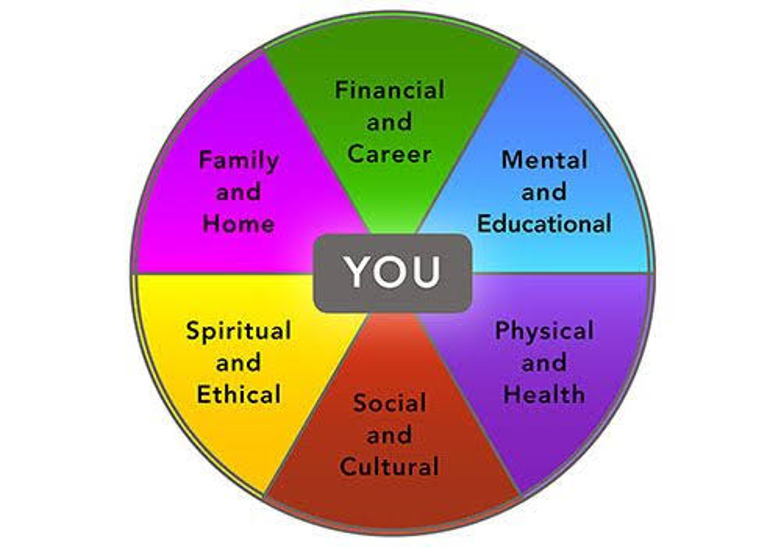
Which Areas of Life Should You Included in You Wheel of Life Self-Assessment Audit
Effective self-assessments turn scattered daily busyness into visual clarity, allowing you to identify where to focus energy for greater life satisfaction. While you can tailor categories to your own unique situation, most successful frameworks lean on a core set of fundamental domains to cover the whole of life without becoming overwhelming.
Choose the right categories for a comprehensive personal self-assessment
| Core Category | Why It Matters | Focus Area |
|---|---|---|
| Physical health | Forms the foundation of your daily energy and longevity | Exercise, nutrition, and sleep quality |
| Career growth | Reflects your professional satisfaction and sense of purpose | Daily work, goals, and skill development |
| Personal finances | Measures your security and stability in achieving future goals | Budgeting, savings, and financial management |
| Meaningful relationships | Connects you to others for support and shared experience | Family, friends, and romantic partnerships |
Choosing Your Categories
Refining your focus helps you avoid the common trap of rating areas that do not emotionally resonate with your actual life. You should choose a short, manageable list, as tracking more than ten categories often turns an assessment into a spreadsheet you might dread completing.
- Personal development provides a structured way to gauge your learning, self-awareness, and progress toward long-term values.
- Spiritual growth explores your connection to something larger, whether through meditation, faith, or simply interactions with the natural world.
- Recreation and leisure serves as a vital balance to your workload, ensuring you carve out enough time for rest and fun.
- Physical environment encourages you to examine how your living space impacts your mood, productivity, and overall well-being.
Conducting Your Audit
A yearly stock-take is designed to provide a clear snapshot of your current reality rather than acting as a rigid five-year plan. By assigning a simple score and writing one honest line of explanation for each area, you can pinpoint exactly where to dedicate your attention for the coming year.
- Honest self-reflection is the core of an effective assessment, as it helps you identify strengths to build on rather than just listing your shortcomings.
- Actionable change becomes much easier when you isolate one or two low-scoring areas to prioritize rather than trying to fix everything at once.
- Visualizing balance by mapping your scores on a wheel diagram makes it easier to spot neglected domains that were previously hidden from view.
Regularly reassessing your categories ensures the tool remains dynamic and relevant as your life circumstances continue to evolve.
To Evaluate Your Current Performance and Follow These Three Core Steps:
- Step 1: Radical Honesty – Rate each pillar of the “Wheel of Life” or each of the 7 Forces on a scale of 1 to 10.
- Step 2: Identify the Gap – Ask yourself the three core questions found in the Mastery Interactive Playbook:
- What Section of the “Wheel of Life” am I in?
- What Section of the “Wheel of Life” am I really in?
- What Section of the “Wheel of Life” do I need to be in?
- Step 3: Move Across the 3 Levels of Mastery – Transition your assessment scores from simple Cognitive Understanding (knowing what is wrong) to Emotional Mastery (feeling the leverage to change), and finally to Physical Mastery (building continuous operational reps until execution is automatic).
To help narrow this down, please let us know:
- Are you evaluating your personal life balance or auditing a specific company’s operations?
- What industry is your business in, and what stage of growth is it currently facing?
We can provide a tailored checklist or specific action steps based on that focus.
How to Gauge Your Life Audit
To perform the assessment, we integrate a pyramid with a tool called the “Wheel of Life” or the Gap Map. The goal is to define your baseline so you can close the gap between where you are and where you want to be.
- Rate Each Category: Grade yourself in each of the 7 areas on a scale from 0 to 100 (or 1 to 10) based on where you currently stand versus your ultimate vision.
- Identify the Weakest Spoke: Plotting these points on a circle reveals your “life wheel”. If you score a 90 in Career but a 20 in Physical Body, your wheel is misshapen and your ride through life will be incredibly bumpy.
- Audit the Sequence: Look at your lowest scores through the lens of the pyramid hierarchy. For example, if you are struggling with your Career (Level 5), look down the pyramid—is a lack of Time Mastery (Level 4) or low Physical Energy (Level 1) the hidden root cause?
Assess The Sections of “Wheel of Life” Audit
We teaches that ignoring a lower tier will eventually cause the higher tiers to erode or crumble, no matter how much effort you put into them.
- Physical Body (The Foundation): Your health, physical vitality, nutrition, and energy levels. Without energy, you lack the capacity to sustain progress in any other area of life.
- Emotions & Meaning: Master your emotional state. we note that you can be highly successful, but if your default states are frustration or stress, your quality of life remains low.
- Relationships: Building deep, fulfilling connections with partners, family, and peers. The quality of your life mirrors the quality of your relationships.
- Time Management: Learning how to master your time rather than letting time master you, aligning your day-to-day schedule with what truly matters.
- Work / Career / Mission: Finding your true purpose, passion, and mission in professional life rather than just doing a job for a paycheck.
- Finances: Achieving financial freedom, stability, and intelligent wealth management to eliminate economic stress.
- Celebrate & Contribute (The Peak): Giving back to the community and serving a purpose greater than yourself, which we cite as the ultimate source of lasting human fulfillment.
Would you like to walk through a personal “Wheel of Life” self-assessment right now by rating your current satisfaction in these areas, or are you looking for specific strategies to improve a particular tier of the “Wheel of Life”?
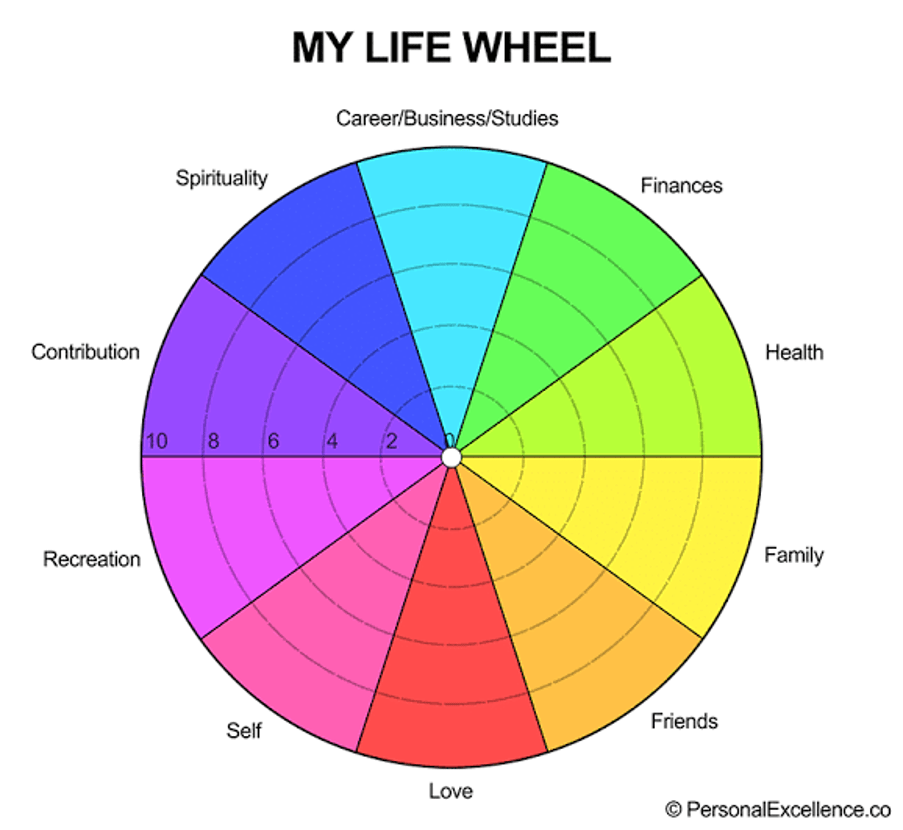
[1]: Assessing Your Life Mastery Assessment Audit
The foundational “Wheel of Life” framework is designed to map out the critical life areas of focus required to build an extraordinary, deeply fulfilled life.
We coach and teach that fulfillment requires structural balance; if you excel in your career but neglect your health, your overall life experience collapses.
The assessment tool used to measure these levels is called The Gap Map or the Wheel of Life, where you score yourself from 0% to 100% in each category to find your precise starting point.
The Sections of Life Mastery (From Base to Peak) Audit
The “Wheel of Life” framework is arranged in a deliberate hierarchical sequence. Each bottom layer directly acts as the operational foundation for the layers above it:
- Physical Body (The Foundation): Your energy, health, and vitality. Without physical strength, every other layer degrades.
- Emotions & Meaning: Master your daily emotional states. Your emotions dictate how you evaluate your problems and opportunities.
- Relationships: The quality of your life corresponds directly to the quality of your intimate, familial, and social connections.
- Time Mastery: Learning how to manage and structure your time productively so you control it, rather than letting time control you.
- Career / Mission: Discovering, pursuing, and excelling in your work with a deep sense of purpose, rather than just treating it as a job.
- Finances: Creating economic freedom and strategic investments so financial pressure does not stress the rest of your life.
- Contribution & Spirituality (The Apex): The ultimate level of fulfillment, achieved by giving back, celebrating life, and serving something beyond yourself.
Take the Mini-Assessment Audit
To evaluate your current life alignment right now, rate your satisfaction from 0 (Deeply Unsatisfied) to 100 (Absolute Mastery) for each level:
- Physical Body: Do you live in peak energy, sleep well, and feed your body effectively?
- Emotions & Meaning: Are you driving your emotions, or are your daily frustrations driving you?
- Relationships: Are your closest personal relationships growing, or are they experiencing quiet friction?
- Time: Do you maximize your schedule, or are you consistently stressed by deadlines and lack of time?
- Career: Does your daily work fulfill you and align with a grander personal mission?
- Finances: Are your finances optimized, with clear habits for saving and wealth generation?
- Contribution: Are you consistently donating your time, energy, or resources to elevate others?
An unbalanced score shows exactly where the “wheel” is flat, giving you a targeted roadmap of where you need to raise your standards.
Would you like us to guide you through a step-by-step scoring of your lowest areas, or help you draft a custom execution plan using our strategies to close the gap?
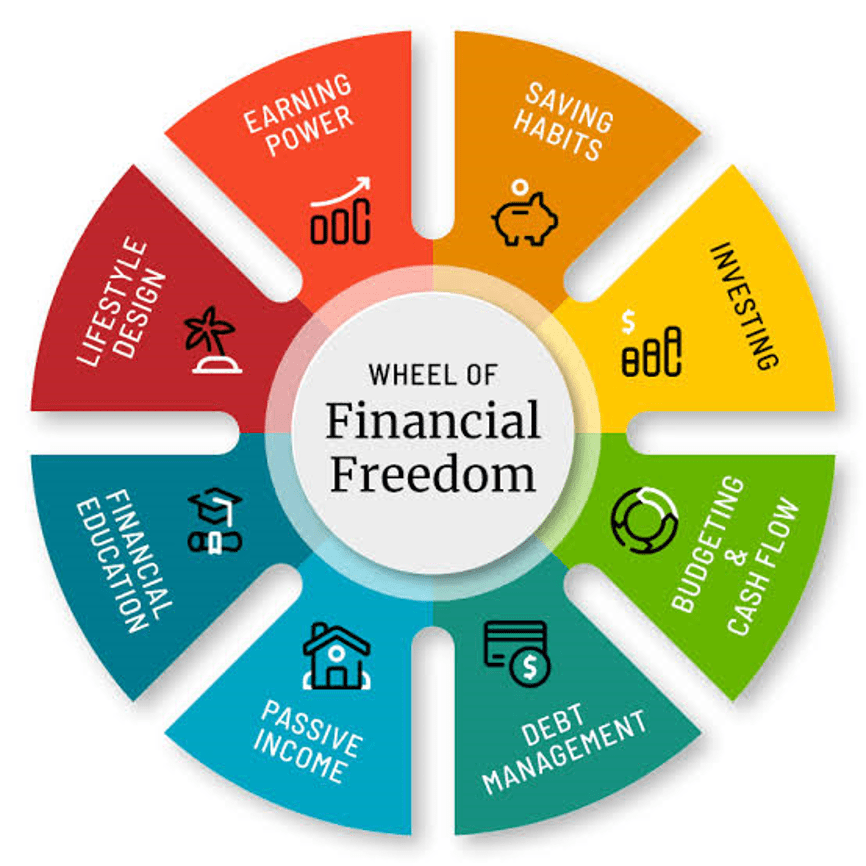
[2]: Assessing Your Wealth Mastery Assessment Audit
The Wealth Mastery Wheel is a framework that emphasizes the importance of mastering various dimensions of life to achieve true wealth and fulfillment. It typically includes areas such as finances, relationships, health, and personal growth, encouraging individuals to assess and improve each aspect for holistic success.
The Wealth Mastery Assessment evaluates your position across the levels of the Mastery and measures your financial health using the “Wealth Wheel”.
The core philosophy is that 80% of wealth is psychology and only 20% is mechanics. To assess your financial standing, the framework looks at specific sequential levels of financial freedom and foundational life structures. [
We emphasizes that you cannot master wealth if the base layers of your life are eroding. The assessment maps your life hierarchy from bottom to top:
The 5 Levels of Financial Well-Being
- Financial Security: Having enough passive income/savings to cover basic needs (mortgage/rent, utilities, food, basic insurance, and transportation).
- Financial Vitality: Having enough to cover basic needs plus a few modest luxuries, entertainment, and clothing.
- Financial Independence: Having enough investment income to fully maintain your current lifestyle indefinitely without ever having to work again.
- Financial Freedom: Having enough investment income to afford significant luxuries and philanthropic desires completely free of financial constraints.
- Absolute Financial Freedom: Having enough money to fulfill any dream, anytime, ensuring total independence and legacy wealth.
- Rate Yourself in each area on a scale of 1 to10.
The Wealth Wheel Categories
During the practical assessment, you rate yourself from 1 (poor) to 10 (mastery) across the core mechanics of the Wealth Wheel:
- Cash Flow: Tracking income and intentionally aligning spending habits.
- Debt Strategy: Eliminating toxic liabilities while prioritizing high-interest debts.
- Security Bucket: Maintaining 2 to 6 months of liquid cash, safety nets, and basic insurance.
- Growth Bucket: Automating allocations toward compounding, market-beating investments.
- Dream Bucket: Setting aside fun money to celebrate milestones and enjoy immediate wealth.
Would you like us to help you calculate your specific numbers for the Financial Security or Financial Independence levels, or would you prefer a blank breakdown template to score your own Wealth Wheel categories?
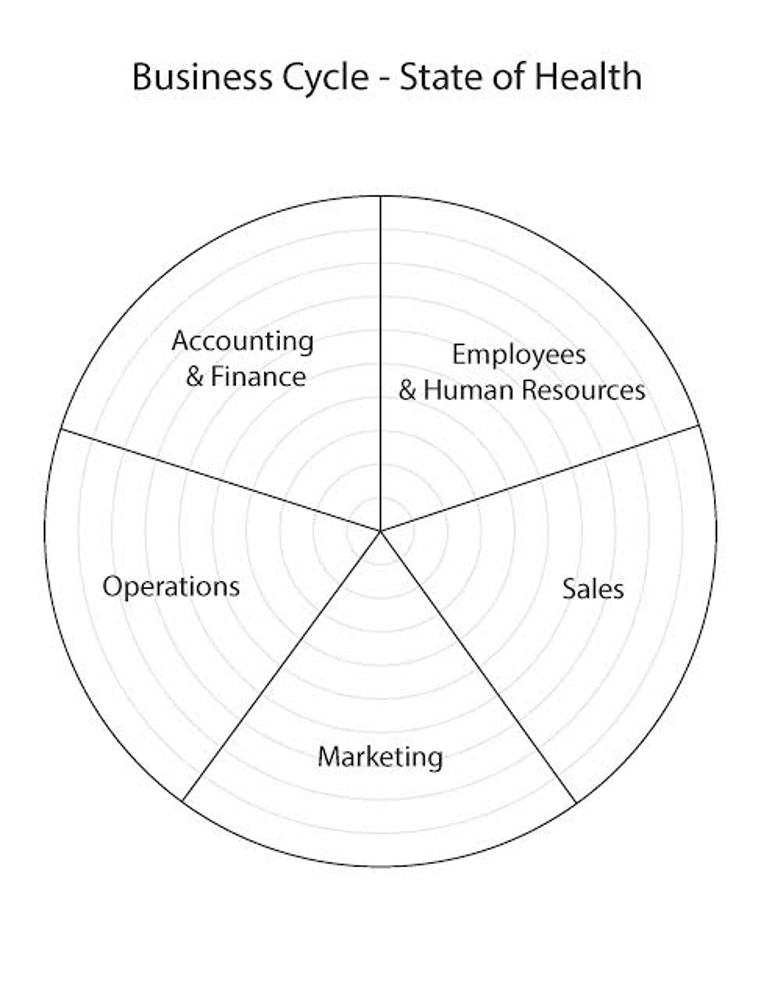
[3]: Assessing Your Business Mastery Assessment Audit
The Business Evaluation Assessment frameworks was created to help entrepreneurs audit their companies. We use the Wheel of Business to rate your overall business balance, and the Business Evaluation Quiz to evaluate a company across the Forces of Business Mastery.
The Forces of Business Assessment Framework
Business evaluations use seven key operational and strategic pillars:
- An Effective Business Map: Knowing your exact current stage, industry patterns, and a clear path to your destination.
- Constant & Strategic Innovation: Building product and service reinvention directly into company culture.
- World-Class Marketing: Creating precise strategies to attract ideal buyers and generate continuous leads.
- Sales Mastery: Converting incoming marketing traffic and leads into closed transactions.
- Financial & Legal Analysis: Anticipating fiscal metrics and legal structures to manage the business safely in any economy.
- Optimization and Maximization: Improving internal execution, processes, team culture, and leadership capabilities.
- Raving Fan Customers: Delivering a level of value that turns standard consumers into active brand advocates.
The Forces of Business Evaluation Audit
If you take the specific business assessment, you will be scored on its health across these seven competitive advantages:
| Force | Focus Area | Core Objective |
|---|---|---|
| 1. Business Map | Strategic Planning | Know where you are and create an effective map. |
| 2. Strategic Innovation | Evolution | Embed constant innovation into your company culture. |
| 3. World-Class Marketing | Lead Generation | Build a comprehensive strategy to find ideal clients. |
| 4. Sales Mastery | Conversion | Understand customer psychology to close deals easily. |
| 5. Financial & Legal Analysis | Risk Mitigation | Anticipate cash flow hurdles and protect your assets. |
| 6. Optimization & Maximization | Efficiency | Maximize your people, processes, and execution. |
| 7. Raving Fan Customers | Retention | Anticipate and exceed the deepest needs of your clients. |
The Three Distinct Phases of Mastery
When reviewing your assessment scores, we emphasize that knowing your numbers is only the first step. Real growth requires moving through three distinct phases:
- Cognitive Mastery: Intellectual understanding of the data (the starting line).
- Emotional Mastery: Aligning your psychology and feeling deep motivation to change.
- Physical Mastery: Executing systems via repetition until they require no conscious thought.
Contact us to find your exact scores and identify your hidden business bottlenecks.
Are you taking this assessment to audit your personal life balance or to solve a specific bottleneck in your business? If it is for business, let us know your industry and current growth stage so we can share relevant strategies.
Business Self-Assessment Audit
- Step 1: Radical Honesty – Rate each pillar of the Forces on a scale of 1 to 10.
- Step 2: Identify the Gap – Ask yourself the three core questions
- What business am I in?
- What business am I really in?
- What business do I need to be in?
- Step 3: Move Across the 3 Levels of Mastery – Transition your assessment scores from simple Cognitive Understanding (knowing what is wrong) to Emotional Mastery (feeling the leverage to change), and finally to Physical Mastery (building continuous operational reps until execution is automatic).
To help narrow this down, please let us know:
- Are you evaluating your personal small business or auditing a specific company’s operations?
- What industry is your business in, and what stage of growth is it currently facing?
We can provide a tailored checklist or specific action steps based on that focus.
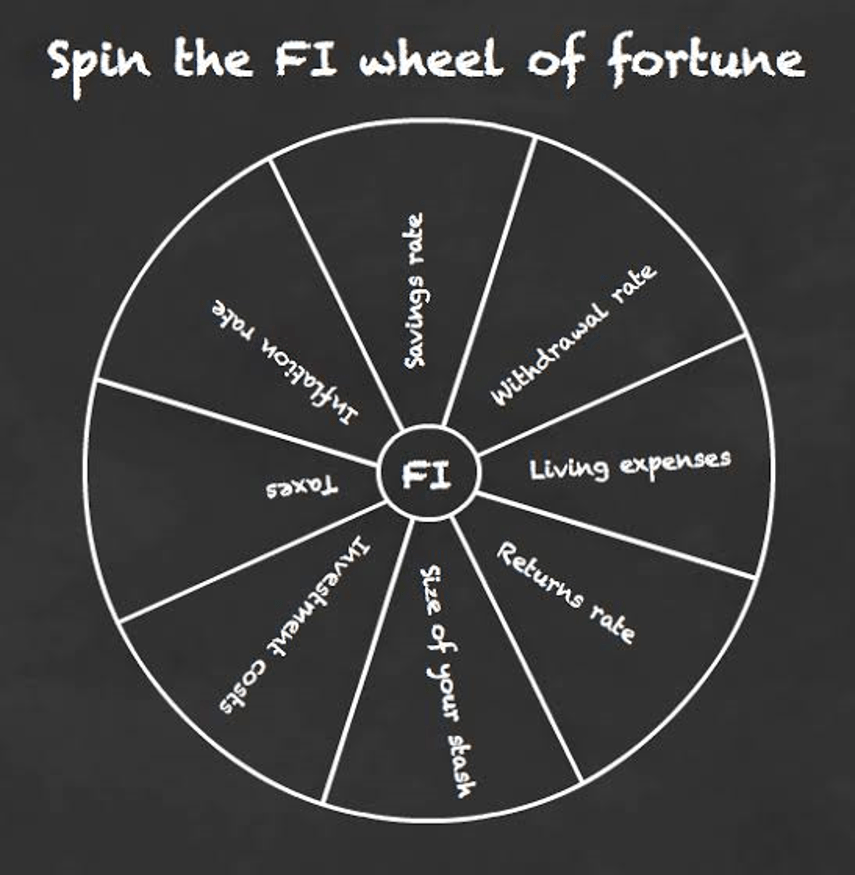
[4]: Assessing Your Retirement Mastery Assessment Audit
Retirement mastery means transitioning from basic saving to optimizing your wealth, minimizing taxes, and securing lifelong income. True mastery requires shifting your mindset from accumulation (building wealth) to decumulation (strategically spending it down).
Retirement mastery involves managing money, time, and lifestyle so you can live a secure and happy life after work. Key areas to focus on include building steady cash flow, planning your daily routine, and protecting your health.
Retirement Financial Planning and Money Habits Audit
- Safe withdrawals: Use guidelines like the 4% rule to safely take money from your savings over a 30-year period.
- Avoid excess cash: Keep only 2 to 4 months of living expenses in cash; invest the rest so inflation does not lower your buying power.
- Manage healthcare: Learn how Medicare and other insurance plans work to avoid unexpected medical costs.
Lifestyle and Time Management
- Create a routine: Plan what you will do each day so you stay active and feel purposeful.
- Build social connections: Keep in touch with friends and family to stay healthy and happy.
- Pursue new goals: Turn hobbies into projects or find new activities that bring you joy.
For tips on how to understand safe withdrawal amounts and to plan your funds: you must master a multi-phase framework built on solid foundations, strategic drawdowns, and structural optimization.
Financial Foundations
Before optimizing your investment portfolio, you must secure your foundational defense mechanisms to prevent unexpected capital depletion.
Longevity Insulation: Structural protections like annuities or low-risk income streams to ensure you do not outlive your assets.
Emergency Reserve: Maintain 6 to 12 months of living expenses in cash or liquid cash equivalents.
Toxic Debt Elimination: Clear all high-interest liabilities, including credit cards and personal loans, before retiring.
Healthcare Protection: Secure robust health coverage, bridging any gap between early retirement and Medicare eligibility at age 65.
Evaluate Retirement Readiness and The Formula
To run this assessment on yourself, you must evaluate both your life balance and your financial mathematical readiness using these steps below.
Step 1: The Wheel of Mastery Audit
Retirement success is meaningless if your wheel life is broken or out of balance. Rate yourself from 1 to 10 on each of the seven layers, starting from the foundation:
- 1. Physical Body: Do you have the physical energy and health to actually enjoy retirement?
- 2. Emotions & Meaning: Are you in control of your emotional state, or do fear and stress rule you?
- 3. Relationships: Do you have deep love, connection, and a strong support network?
- 4. Time: Are you the master of your time, or are you constantly controlled by it?
- 5. Work / Career / Mission: When you step away from your job, what will your new purpose be?
- 6. Finances: Do you have financial certainty and regular growth?
- 7. Celebrate & Contribute: How will you give back to society and live a life of fulfillment?
If your health (Layer 1) or relationships (Layer 3) are failing, a massive retirement fund will not give you an extraordinary life.
Step 2: The Retirement Math Formula
Once you balance the Wheel of Life, we use a strict baseline formula to calculate your actual retirement target.
- Find your baseline cost: Track exactly what you spend annually to maintain your current lifestyle (not what you earn). For example, if you earn $100,000 but live comfortably on $70,000, your baseline is $70,000.
- Multiply by 20: According to the our Retirement Guide, multiplying by 20 gives you a conservative working assumption of what you need to sustain that lifestyle through your retirement years.
- $70,000 x 20 = $1.4 Million nesting goal.
Step 3: Shift from Consumer to Owner
To achieve the numbers found in Step 2, our core financial philosophy relies on shifting your psychology. We advocate for the Wealth Mastery System which outlines these action steps:
- Pay Down High-Interest Debt: Resolve debts before trying to invest aggressively.
- Pay Yourself First: Automatically routing a minimum of 10% of your income straight into an investment account.
- The All Seasons Strategy: Protecting your nest egg to balance against inflation and market crashes.
.Strategic Drawdown Roadmap
Retirement Mastery relies on an execution plan organized by clear, actionable time horizons rather than rigid mathematical formulas.
Phase 1: Pre-Retirement Optimization (Ages 50–60)
- Maximize Catch-Up Contributions: Utilize IRS catch-up limits for 401(k) and IRA accounts to accelerate tax-advantaged growth.
- Establish a De-Risking Window: Gradually shift 3 to 5 years of upcoming expenses out of highly volatile equities into fixed income.
- Build a Multi-Bucket Structure: Allocate capital across three separate distinct tax buckets: Pre-tax, Roth, and Taxable Brokerage.
Phase 2: Early Retirement & Drawdown (Ages 60–72)
- Sequence of Returns Mitigation: Avoid selling depressed equity assets during market downturns by spending from your cash bucket.
- Execute Strategic Roth Conversions: Convert pre-tax IRA funds to Roth IRAs during low-income calendar years to minimize lifetime tax bills.
- Optimize Social Security: Delay filing for Social Security benefits toward age 70, maximizing your guaranteed annual payout by up to 8% per year of delay.
Phase 3: Late-Stage & RMD Management (Ages 73+)
- Automate Required Minimum Distributions: Satisfy mandatory IRS distributions from traditional accounts to prevent hefty 25% tax penalties.
- Utilize Qualified Charitable Distributions: Direct up to $105,000+ of your RMD straight to eligible charities tax-free if you do not need the income.
- Finalize Generational Wealth Transfer: Align your beneficiary designations and trust structures to pass assets to heirs with minimal friction.
Exposing Hidden Wealth-Degrading Mechanics
Failing to plan for structural costs can silently erode decades of diligent saving. Master these three critical levers to protect your net worth:
| Wealth Erosion Vector | Financial Impact | Mitigation Strategy |
|---|---|---|
| Tax Torpedo | Higher tax brackets and increased Medicare premiums (IRMAA surcharges). | Fill lower tax brackets early via systematic, annual Roth conversions. |
| Investment Fees | High expense ratios and hidden advisory fees compounding over decades. | Migrate assets into low-cost, passively managed index funds or ETFs. |
| Inflation Drag | Loss of real purchasing power over a 30+ year retirement horizon. | Maintain a core allocation of growth equities and inflation-protected bonds (TIPS). |
Diversification Guardrails
While aiming for mastery, remember that concentrating too much capital into a single asset class or investment vehicle exposes you to severe risk. A truly masterclass portfolio balances dividend-growth equities, fixed-income ladders, and liquid cash reserves.
Always keep in mind that aggressive, concentrated, or unhedged investing strategies carry the distinct potential for total capital loss. Prioritize broad diversification to defend your financial freedom across all market cycles.
To build a highly customized retirement roadmap share a few details about your current situation?
- What is your target retirement age or current age?
- What is your approximate current portfolio balance and annual savings rate?
- How is your wealth currently split across Pre-tax (401k), Roth, and Taxable Brokerage accounts?
With this information, I can run realistic, simulated dollar-amount examples to optimize your specific drawdown strategy.
Join us for wealth, income growth and retirement success from 20% to 120% in 12 to 18 months.

Reitenbach-Kissinger Institute
Sydney Reitenbach
Michael Kissinger
Text: 650-515-7545
Email: mjkkissinger@yahoo.com
LinkedIn: https://lnkd.in/gE7s99mP
See: Reach Your Peak Performance Results With Coaching. Embrace Your Unlimited Potential With World Class Experts and More. Valued Between from $2,350 to $5,500+
This is a Free event, but you need to Contact us, Qualify and Register for it. mksmasterkeycoaching.com


