How Wealthy Families Use Mastery to Create, Build and Preserve Generational Wealth

Professor Kissinger’s transformative coaching and practical tools on generational wealth mastery emphasizes deep insight mindset shifts, strategic planning for creating, preserving generational wealth while transitioning from a consumer mindset to an owner mindset to achieve abundance. Concrete coaching, strategies and tools that have transformed thousands of people at every financial life and business stage.

Transformative Experience – Mindset Shifting – Life-Changing – Actionable Wealth-Building Strategies – Practical Tools – Supportive Environment Preserving Wealth Across Generations

Discover the Secrets to Lasting Wealth: Strategies for Generational Prosperity

Professor Michael Kissinger and The Reitenbach Kissinger Institute emphasizes that wealthy families utilize mastery principles to create, build, and preserve generational wealth through strategic financial education and mindset shifts.

By adopting the psychology and tools of top investors, families can ensure their wealth is not only accumulated but also sustained across generations.

Financial freedom through Professor Kissinger’s MKS Master Key System Coaching involves mastering the psychology and strategies of elite investors to secure your future.

Rather than focusing on simple numbers, the approach centers on transforming your relationship with money, creating sustainable wealth-building habits, and shifting from a mindset of scarcity to one of abundance.

Professor Kissinger Advises Families to Structure a Family Office

Core PillarStrategic FocusImplementation
MKS Master Key System Wealth Mindset Coaching ShiftsMoving away from scarcityReplacing limiting beliefs about affordability with actionable growth goals
MKS Master Key System Core Principles CoachingBuilding lasting frameworksProtecting your principal while seeking asymmetric returns and tax efficiency
MKS Master Key System Compound Growth Coaching PowerLeveraging consistent habitsAutomating contributions to investments starting early to build wealth over time
MKS Master Key System Giving and Contribution CoachingAttracting more abundanceIncorporating generosity into financial planning to open energetic channels for success
Cultivating a Wealth Mindset

True generational success begins by examining the subconscious beliefs about money that often take root early in life. By shifting from a perspective of financial fear to one of personal empowerment, you can move toward a life designed on your own terms.

  • Financial purpose clarity anchors your motivation, turning vague desires into measurable goals like passive income targets or specific savings milestones.
  • Psychology of wealth helps you shed the internal barriers that cause you to plateau, allowing for more sustainable financial momentum.
  • MKS Master Key System Generational Wealth Mastery Program Coaching provides the peer accountability and expert frameworks necessary to turn financial breakthroughs into automatic life practices.

Your journey toward lasting prosperity depends on these consistent habit shifts and the willingness to treat wealth management as a foundational skill.

Strategic Wealth Execution

Managing money effectively serves as the backbone of financial power, moving your strategy beyond mere account balances. Through proven investment frameworks, you can reduce risk and accelerate your path to security.

  • Budgeting with intention allows you to align your daily spending habits with the values that matter most to your family’s future.
  • Strategic debt elimination prioritizes high-interest obligations to ensure your capital is working for you rather than against you.
  • Tax efficient investments rely on deep diversification and principal protection to help you grow smarter throughout different market cycles.

Taking control of your finances today is the surest way to build a legacy that provides security for your family in the years ahead.

Wealth Mastery Principles

Wealthy families implement specific strategies to maintain their financial legacy.

  • MKS Master Key Generational Wealth System Financial Education — Wealthy families prioritize financial literacy, enabling informed investment decisions.
  • MKS Master Key Generational Wealth Mindset Mastery System — They cultivate a wealth-oriented mindset, focusing on abundance rather than scarcity.
  • MKS Master Key Generational Wealth System Strategic Planning — Long-term financial strategies are developed to ensure wealth preservation and growth.
  • MKS Master Key Generational Wealth System Investment in Assets — Wealthy families often invest in appreciating assets, such as real estate and stocks, to build wealth.
  • MKS Master Key Generational Wealth System Legacy Planning — They engage in estate planning to pass on wealth effectively to future generations.

Mindset Shifting — Wealth begins with a mindset that views money as a tool, not an end goal

Professor Kissinger’s coaching creates a new financial reality by empowering individuals with strategies for wealth creation, mindset shifts, and actionable insights tailored to their unique situations.

His approach combines psychological principles with practical financial advice, enabling clients to break through limiting beliefs and achieve financial freedom.

Financial success begins with shifting your internal psychology to overcome limiting beliefs, a foundation that Professor Kissinger argues accounts for 80% of wealth-building results while the remaining 20% covers mechanics.

By addressing how you approach money and replacing scarcity-based thoughts with an abundance mindset, his coaching aims to transform your daily financial reality.

Key Aspects

Professor Kissinger MKS Master Key Coaching System focuses on several transformative elements.

  • Mindset Shift — He emphasizes the importance of changing one’s money mindset to overcome limiting beliefs and foster a wealth-oriented perspective.
  • Wealth Strategies — He provides actionable strategies for wealth building, including investment tips and passive income generation.
  • Personalized Coaching — Professor Kissinger tailors his coaching to individual needs, ensuring that clients receive relevant advice that aligns with their financial goals.
  • Emotional Mastery — His coaching integrates emotional intelligence, helping clients manage fear and anxiety related to finances

Professor Kissinger’s Financial Coaching Program Work for Beginners

Focus AreaCore StrategyIntended Result
MKS Master Key System Psychological Foundational CoachingRemoving limiting beliefs about moneyTransforming fear into productive action
MKS Master Key System Systematic Process CoachingCreating disciplined rules for tradingRemoving emotional bias from decisions
MKS Master Key System Wealth Habits CoachingAutomating investment of incomeBuilding assets through consistent growth
Mastering the Money Game

The underlying psychology of your financial life determines whether you master money or let it master you, according to Professor Kissinger. His coaching emphasizes that emotional triggers—such as fear, greed, or the desire for instant gratification—often cause investors to sabotage their own long-term success.

  • Financial freedom serves as the primary goal, achieved by connecting specific actions to a deeper purpose and utilizing measurable SMART goals.
  • Priming routines involving gratitude and posture adjustments allow you to change your emotional state instantly when reviewing financial statements or investment performance.
  • MKS Master Key Generational Wealth System Systematic Processes replace gut-feeling decisions with checklists and criteria, which helps investors maintain discipline even during periods of high market volatility.
Mechanics of Wealth Building

Building wealth effectively relies on the power of compounding rather than needing an immense starting fortune. By automating savings and shifting your perspective from that of a consumer to an owner of assets, you can capitalize on the same wealth-generating systems used by major investors.

  • Asset allocation acts as the cornerstone of financial security, ensuring that you manage risk rather than simply chasing the highest possible returns.
  • Diversified portfolios spread risk across various sectors, geographies, and asset classes to smooth out returns and provide a more stable foundation.
  • Pay yourself first principles ensure that a portion of your income is prioritized for investments before any other bills or discretionary expenses are addressed.

One final key to sustaining this growth is maintaining a long-term perspective, as financial independence is a marathon that rewards patience and consistent action over rapid, speculative gains.

Many individuals appreciate this approach to wealth creation and generational wealth building. Emphasizing not just financial gain but also personal growth and purpose.

Diverse Generational Investments — Explore various investment strategies tailored for different life stages, especially retirement.

To build and preserve multigenerational, “old money” wealth, you must shift from active income generation to systemic capital preservation and structured compounding.

Establish the Governance Framework

  1. Family Office Structure: Establish a single-family or multi-family office to centralize investment, legal, and tax management.
  2. Private Trust Instruments: Utilize irrevocable trusts, generation-skipping transfer (GST) trusts, and dynasty trusts to shield assets from litigation, divorce, and estate taxes.
  3. The Family Constitution: Draft formal governance documentation defining the family’s financial philosophy, voting rights, and distribution rules.
  4. Perpetual Capital Rules: Enforce a strict mandate where only a fraction of investment returns (typically 3% to 4%) can be spent, keeping the principal untouched.

Optimize the Asset Allocation System

  1. Core-Satellite Investment Framework: Place 75% to 80% of capital into foundational, low-risk preservation assets and 20% into high-growth “satellites.”
  2. Direct Private Equity: Bypass traditional public markets to acquire controlling or significant minority stakes in private, cash-flowing businesses.
  3. Institutional Real Estate: Focus on premium commercial real estate, agricultural land, and high-density residential properties for inflation-hedged yields.
  4. Farmland and Timberland: Invest heavily in non-correlated, tangible commodities that yield steady, long-term operational cash flows.
  5. Alternative Credit Systems: Engage in private lending, mezzanine financing, and structured debt to act as the bank, securing high-yield senior positions.

Implement Capital Preservation Mechanics

  1. The Sovereign Diversification Strategy: Distribute institutional custody and physical assets across multiple legal jurisdictions to mitigate geographic risk.
  2. Value-Investing Core System: Anchor public equity allocations in deeply undervalued, wide-moat blue-chip corporations with a history of increasing dividends.
  3. Tax-Efficient Asset Location: Structure investments through tax-advantaged vehicles like Private Placement Life Insurance (PPLI) to allow tax-free compounding.
  4. Physical Asset Vaulting: Maintain a dedicated percentage of net worth in physically secured, non-digitized allocations like physical precious metals.

Manage Cash and Leverage Systematically

  1. Strategic Arbitrage Cash Management: Keep massive liquidity reserves in ultra-short-duration Treasury bills to instantly exploit market liquidations and distress.
  2. Non-Recourse Asset-Based Lending: Utilize security-backed lines of credit (SBLOCs) to fund lifestyle or new acquisitions without triggering capital gains taxes.
  3. The Infinite Banking Concept: Deploy high-cash-value whole life insurance structures to self-finance major family investments while compounding capital simultaneously.

Build Generational and Legal Safeguards

  1. Multigenerational Financial Apprenticeship: Require heirs to complete formal financial training and external professional work before gaining trust access.
  2. Incentive-Based Trust Distributions: Match trust distributions to constructive milestones like completing higher education, starting a business, or philanthropic leadership.
  3. Aggressive Entity Isolation: Separate every major business asset, property, and investment portfolio into distinct LLCs and holding companies.
  4. Philanthropic Capital Systems: Establish private family foundations or Donor-Advised Funds (DAFs) to eliminate tax liabilities while training heirs in capital management.

Implement Wealth Preservation Systems: Elite Families Teach Their Children

“Old money” families build lasting generational wealth by prioritizing financial literacy over consumption. Instead of simply handing children lump sums, they install systems that teach kids to think like owners, leverage compound interest, and view money as an actual tool t acquire productive assets.

Wealthy families use specific educational and structural systems to pass down financial wisdom. These methods focus on capital preservation, stewardship, and entrepreneurial skills.

These core systems and frameworks demonstrate exactly how wealthy families train their children to earn and invest millions:

Lay The Foundation: Mindset & Financial Literacy

  1. View Money as Unlimited: They teach that wealth is not a finite pie to be fought over, but an expanding resource that rewards problem-solving and creation.
  2. Prioritize Long-Term Horizons: Where most think in weeks or quarters, old money families plan in decades or centuries, focusing on legacy rather than instant gratification.
  3. Become Fluent in the Language of Wealth: Children are taught to read balance sheets, understand compound interest, and casually discuss market trends.
  4. Treat “Work” as Ownership: Heirs are taught early on that trading time for a salary creates a glass ceiling. The focus is always on owning the asset or business that hires the workers.
  5. Differentiate Assets vs. Liabilities: They engrave the rule that money must flow into their pockets (assets) rather than just flowing out (liabilities).

Create Strategic Earning: Business & Leverage

  1. Start Small, Scale Fast: Children are encouraged to run micro-businesses (e.g., e-commerce, services, or crafts) early on to understand the basics of profit, loss, and customer acquisition.
  2. Solve High-Value Problems: They are coached that earning millions comes from addressing massive, scalable problems rather than small, local ones.
  3. Master the Concept of Leverage: They teach kids to use OPM (Other People’s Money) and OPT (Other People’s Time) to multiply their own earning capacity.
  4. Build Multiple Income Streams: Millionaires rarely rely on a single paycheck. Heirs are taught to build 5 to 7 diverse revenue streams like investments, royalties, and business profits.
  5. Embrace Calculated Risk: Old money families view failure as data. They teach children to identify asymmetrical risks where the potential upside is in the millions and the downside is controlled.

Accumulate Wealth: Growth & Protection

  1. Start Compounding Early: They put money to work in tax-advantaged vehicles (like 529s or Roth IRAs) the moment a child is born, giving compounding interest the longest possible runway.
  2. Understand the Tax Code: Instead of seeing taxes as a burden, they teach kids to use tax-efficient investment structures to accelerate growth and keep what they earn.
  3. Invest in Real Estate: It is the bedrock of generational wealth. Heirs are taught how to leverage real estate for cash flow and long-term appreciation.
  4. Avoid Lifestyle Creep: Even as income grows, they maintain a wide gap between their earnings and spending, reinvesting the surplus rather than inflating their expenses.
  5. Buy Time, Not Just Things: Children are taught to outsource low-value tasks so they can focus on high-value activities, strategic thinking, and networking

Build the Mindset

  • The “Owner” Mentality: Teaching kids to invest in assets that produce cash flow, rather than purchasing depreciating liabilities or consumer goods.
  • Deferred Gratification: Practicing patience. The ability to hold off on instant rewards builds self-control and long-term planning.
  • Financial Literacy as Identity: Viewing financial management not as a chore, but as a core family duty and identity.
  • Value of a Dollar: Requiring children to work for things they want, teaching them the effort required to earn capital.
  • Saying “No”: Explaining why certain expensive purchases aren’t worth the money, teaching children to weigh the actual utility of an item.
Early Education & Mindset
  • The Four-Jar System: Dividing allowances into distinct buckets for spending, saving, investing, and charity.
  • Family Bank Simulation: Acting as a lender to teach children how interest works through real loans.
  • Boardroom Exposure: Inviting teenage children to sit in on real business meetings as observers.
  • The “Producer” Filter: Training kids to view products as business owners rather than everyday consumers.
  • Delayed Gratification Benchmarks: Matching a child’s savings to reward long-term financial patience and discipline.

Systematic Investing and Systems

  • Custodial Stock Portfolios: Allowing children to pick stocks from companies they use in daily life.
  • Compounding Visualizers: Using charts to show how small, early investments grow over fifty years.
  • The 10% Innovation Rule: Letting heirs manage a tiny fraction of wealth in high-risk startups.
  • Generational Real Estate Walks: Touring physical properties together to explain equity, debt, and cash flow.
  • Mock Portfolio Competitions: Gamifying market tracking between siblings using fake money with real rewards.
Family Governance
  • Junior Family Councils: Organizing formal meetings where the next generation practices making group decisions.
  • Family Constitutions: Writing a shared document that outlines the core financial values of the family.
  • The Three-Generation Rule: Explicitly studying how past global families lost wealth to avoid repeating mistakes.
  • Philanthropic Allocations: Giving children control over a charitable budget to teach impact and management.
  • Legacy Mentorship Matches: Pairing young adults with trusted family advisors, lawyers, or top accountants.

Wealth Preservation

  • Trust Fund Transparency: Revealing trust structures slowly based on age and emotional maturity milestones.
  • Pre-Nuptial Education: Normalizing legal protections early so they are viewed as standard business practices.
  • Asset Protection Basics: Teaching the legal separation between personal identity and corporate entities.
  • Debt Discrimination: Training heirs to sharply differentiate between productive leverage and destructive consumer debt.
  • The Stealth Wealth Protocol: Emphasizing low-profile living to protect the family from financial predators.

Advance Financial Education Systems

  • The Family Bank: Children pitch business ideas to a family board for loans.
  • Matching Investment Funds: Parents match 1:1 every dollar a child saves and invests.
  • Shadow Board Seats: Young adults sit in on board meetings as non-voting observers.
  • Phased Trust Distributions: Trust funds unlock only at specific milestones like ages 25, 30, and 35.
  • Mandated External Employment: Children must work outside the family business for several years first.
  • Family Philanthropy Committees: Kids manage a small charitable budget to learn capital allocation.

Optimize Mindset & Capital Systems

  • Human Capital Priority: The family funds unlimited education but restricts lifestyle handouts.
  • Social Capital Training: Youth attend curated networking events to build high-net-worth relationships.
  • Fail-Safe Funding: Families provide a safety net for business failures, treating losses as tuition.
  • The 10% Reinvestment Rule: Families mandate that 10% of all personal earnings go back into investments.
  • Annual Wealth Summits: Multi-generational retreats are held to review total family asset performance.
  • Legacy Storytelling: Regular history lessons detail how past ancestors built and lost family fortunes.

Master Social Capital & Networks

  • Boardroom shadowing: Sitting in on corporate meetings early.
  • Mastering soft power: Learning high-stakes negotiation via family dinners.
  • Leveraging introductions: Using family connections for early-stage capital.
  • Philanthropic leadership: Managing charity galas to build elite networks.

Allocate Capital & Investments

  • Trust fund matching: Matching the child’s earned income with investment capital.
  • Simulated portfolio management: Mandating childhood investing using real family office data.
  • Angling for equity: Prioritizing stock options over base salaries.
  • Generational debt mechanics: Using low-interest family bank loans to buy assets.

Consider Entrepreneurship & Business Systems

  • Intraprenuership mandates: Launching a new subsidiary inside the family business.
  • The “Clean Slate” rule: Funding a brand-new business outside the family domain.
  • System acquisition: Buying existing cash-flowing businesses instead of starting small.
  • Licensing and IP: Creating scalable intellectual property like software or brands.
Real Estate & Hard Assets
  • Live-in development: Buying distressed property, renovating it, and flipping it.
  • Commercial syndication: Co-investing in multi-family units using family equity.
  • Land banking: Teaching the long-term appreciation value of zoning changes.
  • Asset-backed lending: Using family hard assets as collateral for new ventures.

Use Old Money Asset Protection

Old money” wealth preservation relies on systemic asset protection rather than a single silver bullet, combining legal entity structuring, tax-efficient trusts, and diversified capital allocation to shield assets from lawsuits and generational wealth depletion.

The core asset protection and wealth-building mechanisms used by high-net-worth families include:

1. Legal Entities & Risk Separation
  • Family Limited Partnerships (FLPs): Allows you to retain control of assets as the general partner while gifting limited partnership units to family members, shielding assets from the creditors of limited partners.
  • Family Holding Companies: Parent entities that own various subsidiary LLCs, preventing a liability in one business venture (e.g., real estate) from touching the rest of your wealth.
  • Limited Liability Companies (LLCs): Utilized to isolate operational liabilities; single-member or multi-member structures use charging orders to prevent creditors from seizing company assets.
  • Series LLCs: Allows for the creation of separate, distinct series within a single LLC, each with its own assets, members, and liabilities.
2. Trust Structures
  • Irrevocable Trusts: Assets placed here are legally removed from your estate, shielding them from future lawsuits, creditors, and estate taxes.
  • Asset Protection Trusts (APTs): Specialized trusts (often domiciled in jurisdictions with favorable laws like Nevada or the Cook Islands) designed to protect assets from claims while allowing you to remain a beneficiary.
  • Dynasty Trusts: Designed to last for multiple generations, avoiding estate taxes across generational transfers.
  • Special Needs & Spendthrift Trusts: Provides asset protection and controlled distributions to heirs, protecting the principal from the heir’s future creditors or reckless spending.
  • Charitable Remainder Trusts (CRTs): Irrevocable trusts that allow you to put highly appreciated assets into a trust, receive income for life, and distribute the remainder to charity, bypassing immediate capital gains taxes.
  • Grantor-Retained Annuity Trusts (GRATs): An estate planning tool used to transfer wealth to family members with minimal to no gift tax, moving future appreciation out of your taxable estate.
3. Capital Allocation & Investment Vehicles
  • Private Placement Life Insurance (PPLI): High cash-value life insurance policies used by ultra-high-net-worth individuals to grow investment portfolios tax-deferred and shield assets from lawsuits.
  • Captive Insurance Companies: Creating your own licensed insurance company to underwrite the risks of your operating businesses, transforming risk costs into tax-deductible premiums.
  • Family Offices (Single or Multi-Family): Dedicated private wealth management advisory firms that handle investments, asset protection, and tax planning.
  • Offshore Accounts & Structures: Utilizing international banking jurisdictions with strong privacy laws and creditor-protection thresholds.
4. Generational Governance
  • Family Charters: Formal, legally binding or socially enforced constitutions that dictate how the family’s wealth, business, and assets are managed, preventing family disputes.
  • Private Foundations: Nonprofit legal entities that help manage philanthropic capital, ensuring continuous family control and legacy.
  • Buy-Sell Agreements: Operating agreements that restrict who can buy into a family business, protecting shares from being sold to outside creditors or hostile parties in the event of a divorce or death.
  • Uniform Transfers to Minors Act (UTMA) & 529 Plans: Used to transfer and protect wealth for younger generations while retaining tax-advantaged growth.
  • Asset-Backed Lending (The “Buy, Borrow, Die” Strategy): Instead of liquidating assets and triggering capital gains taxes, wealthy individuals borrow against their asset portfolios to fund investments or living expenses, preserving principal.

Cultivate the Secrets to Lasting Wealth: 100% Financial Breakthroughs

Step 1 Personalized Call

In this 15-60 minute session, we will start to deep dive with you on what your biggest financial challenges, disputes or goals are and any current challenges you are having with achieving them.

Step 2 Match You

We’ll match you with a coaching strategist to help you uncover the root cause to what’s truly stopping you from getting what you financially want. 

Step 3 Results Coaching Plan that Exceeds Expectations

You’ll get started with the Reitenbach Kissinger Institute Financial Coaching Team and close the gap to where you want to be quickly and efficiently.

Informed by four decades of extraordinary results, Michael Kissinger‘s Results Coaching is built to help you discover ways to grow your finances and profits exponentially. He provides the tools for you to create massive, lasting change in your life finances, and business.

It significantly reduces costs, prevent delays, and improves financial outcomes by identifying issues early and ensuring robust documentation and communication throughout the lifecycle. 

It provides proactive strategies—such as comprehensive money management and thorough record-keeping—proves far more cost-effective than adversarial resolution processes. Research shows that effective money management can prevent project wealth generational failure and cost overruns achieve favorable outcomes.

“The path to financial success is to take massive, determined action.”

If not now, then when?

Consider the Alternative…FAILURE

Poverty to Lasting Long Term Wealth

Professor Kissinger’s MKS Master Key Generational Wealth coaching options and programs vary widely in format and cost, ranging from entry-level digital collections to intensive, multi-year certification tracks.

Whether you are looking for professional coaching or training or personal growth strategies, the investment depends on the depth of the commitment and the level of direct mentorship provided.

MKS Master Key System Generational Wealth Growth Coaching typically ranges from $6,995 for a MKS Master Key System Business Results plan to $4,500 to $18,000+ for multi-month or annual packages.

Understanding the pricing structure can help in decision-making.

  • MKS Master Key System Generational Wealth Results Plan — Costs around $6,995 for a structured coaching program.
  • MKS Master Key Generational Wealth System Multi-Month Packages — Range from $4,500 to $18,000+, depending on the duration and services included.
  • One-on-One Coaching — Prices can vary significantly, often between $500 to $3,000 per hour.
  • Annual Coaching Programs — Results Coaching can range from $15,000 to $75,000 per year.

Professor Kissinger’s Legacy

Professor Michael Kissinger is an owner and executive business coach, performance strategist, and former academic who operates the Reitenbach-Kissinger Success Institute and the MKS Master Key Coaching

Based out of San Francisco, California, he has spent over four decades working over 5,000+ business owners as a confidential business manager, analyst, and speaker focused on small business growth, leadership, and financial freedom.

Core Programs and Methodology

  • The MKS Master Key Generational Wealth System: A structured, diagnostic framework built around six distinct core pillars: mindset, wealth, health, relationships, business, and leadership. The philosophy emphasizes that success is 80% psychology and 20% mechanics.
  • MKS Master KEy Generational Wealth Strategic Makeover Sessions: The institute offers targeted diagnostic sessions designed to audit business growth levers and outline scalability tracks for companies generally yielding between $400,000 and $3 Million in annual revenue.
  • Contracted Engagements: Programs are heavily tailored to custom small business, corporate or personal timelines rather than flat-rate fees. Standard six-month operational contracts typically range from $4,500 to over $8,200 depending on the scope of the dynamic tracking involved.

Academic and Professional Background

  • Teaching Career: He served over 17 years as an adjunct professor instructing courses in business and law at multiple California institutions, including San Francisco State University, Golden Gate University, and Cañada College where he coached and trained over 10,000 university students and small business owners. Author of over 14,000 LinkedIn Articles that have created 18,650 followers and contacts.
  • Martial Arts and Other Accomplishments: He holds a 4th Degree Kukkiwon Certified Taekwondo Black Belt and has active ties spanning 40 years as an instructor at the Reitenbach Institute of Taekwondo. He is a former US Army Honorably Discharged Special Forces Vietnam Member. He also served over 20 years as a minister at Unity Church and St Stevens Church.

You can view his complete professional breakdown directly on his LinkedIn Profile.

Let‘s Get Started on Lasting Wealth

Are you looking for specific generational wealth creation details to schedule a diagnostic session, or would you like a breakdown of a particular coaching to get rich? Contact us.

Professor Kissinger emphasizes the importance of continuous improvement as a key to personal, business, financial and professional growth. By constantly acquiring new knowledge and skills, individuals can adapt to changes, overcome challenges, and achieve their goals more effectively.

Continuous learning and improvement is a fundamental principle in Professor Kissinger’s coaching philosophy.

  • Adaptability — Continuous improvement helps individuals adapt to changing circumstances and environments.
  • Skill Development — Regularly updating and improving skills can lead to better performance in both personal and professional settings.
  • Resilience — Learning and updating new strategies and perspectives fosters resilience, enabling individuals to navigate challenges more effectively.
  • Goal Achievement — Lifelong learning and improvement is essential for achieving long-term goals, as it equips individuals with the tools needed for success

Contact to discuss how leverage, ownership, scalability, necessity, attention, and compounding can create completely different financial outcomes for you.

  • Reitenbach Kissinger Institute
  • Sydney Reitenbach
  • Professor Michael Kissinger
  • Text: 650-515-7545
  • Email: mjkkissinger@yahoo.com
  • Reach Your Peak Performance Results. Embrace Your Unlimited Potential. Valued Between from $2,350 to $5,500+
  • This is a Free event, but you need to Contact us, Qualify and Register

Have Riches Forever? If not, Use the Mastery Strategies the Rich Use to Create and Preserve Generational Wealth Forever

While others chase quick profits, the ultra-rich build generational fortunes with assets that stand the test of time! Real Estate, Stocks, ⁠Education, Precious Metals, Government Bonds, ⁠Fine Art & Collectibles, ⁠Cryptocurrency and More!

Reach Peak Generational Wealth and Performance Starting Today

With the World’s
#1 Coaching System.

You’re Committed to Achieving Your Generational Wealth Goals.

Reitenbach Kissinger Institute emphasizes that  creating and protecting personal wealth requires shifting from an earn-only mindset to a comprehensive strategy focused on creating and preservation, smart investing, and long-term thinking. For generational wealth specifically. We advocate creating systems and education that ensure prosperity endures beyond the initial wealth creator, combining disciplined investment practices with family governance and financial literacy across generations.

We’ll Help You Get There Faster with this Simple System
Discover Your Generational Wealth Purpose

Supercharge your focus on the objectives that will radically change your life.

Break Through Your Limits

Learn how to isolate and reframe limiting beliefs that have held you back.

Spark Massive Action

Get the proven tools, strategies and support of a highly-trained Results Coach to achieve transformative change in your finances, relationships, health and more.

Crush Your Generational Wealth Goals

Renew your energy, reset your mindset and get the results you’ve been looking for.

Commit to Excellence

Get the guidance you need to create a life you love.

Create Lasting Change

Build momentum that will make you unshakeable when life generational wealth gets tough.

Best Personal Wealth Generation Asset Building Plan

The foundation of personal wealth generation rests on three pillars: establishing emergency savings and eliminating high-interest debt, building a diversified investment portfolio aligned with your time horizon and risk tolerance, and implementing tax-efficient vehicles to minimize long-term wealth drains. 

Real estate and business ownership represent powerful long-term asset classes, while life insurance and estate planning structures like trusts ensure generational wealth transfer and protection.

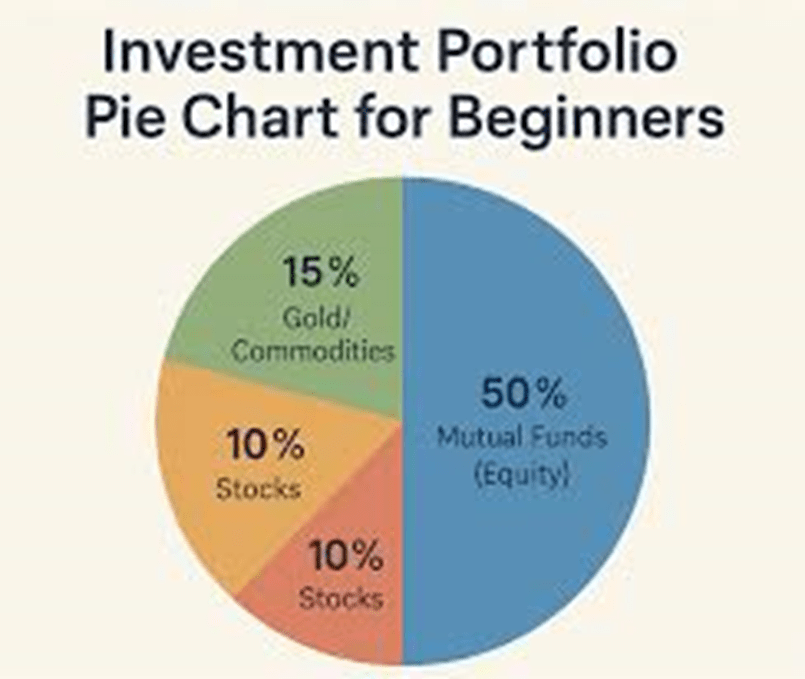
How should you allocate you portfolio between stocks and real estate?

StrategyTime HorizonKey BenefitBest For
Emergency Fund & Debt PaydownImmediate (3–6 months)Financial stability foundationAll wealth builders
Tax-Advantaged Retirement Accounts20–40+ yearsCompound growth + tax deferralLong-term wealth accumulation
Diversified Investment Portfolio10+ yearsRisk-adjusted returns across asset classesConsistent wealth growth
Real Estate & Rental Properties15–30+ yearsAppreciation + monthly income + tax benefitsGenerational wealth
Business OwnershipVariableHigh income potential + asset transferEntrepreneurs
Life Insurance & Estate PlansLifetimeTax-free death benefits + creditor protectionWealth transfer
Build Your Foundation

A wealth plan begins with financial stability, not investment sophistication.

  • Emergency savings — Save 3 to 6 months of essential expenses before investing aggressively. This buffer prevents forced asset liquidation during downturns.
  • High-interest debt elimination — High-interest consumer debt (credit cards at 18–24% APR) erodes net worth faster than most investments grow. Prioritize repayment using debt avalanche or snowball methods.
  • Employer 401(k) match — Contribute enough to capture the full employer match—it is like free money and immediate guaranteed returns.

Once these foundations are secure, you can confidently focus on wealth-building assets.

Core Wealth-Building Assets

Generational wealth typically flows from a mix of investment vehicles and tangible assets.

  • Diversified securities portfolio — Securities like stocks and bonds in a diversified mix offer exponential growth potential over decades, plus dividend and interest income for reinvestment and distribution.
  • Real estate ownership — Real estate is one of the most common and reliable ways to build generational wealth. Property appreciation, rental income, and home equity provide both immediate cash flow and long-term appreciation.
  • Business interests — A family business can become a lasting asset for future generations when paired with succession planning. Established businesses generate significant income and transfer value across generations.
  • Life insurance (permanent policies) — Cash-value life insurance provides tax-free death benefits to heirs and allows borrowing for your own financial needs, making it a financial stability tool for affluent families managing estate taxes.
Align Investments to Goals & Risk Tolerance

Asset allocation is the cornerstone of long-term returns—not individual stock picking.

  • Personalized asset mix — Asset allocation models give flexibility to tailor your portfolio to your unique goals, time frame, and risk tolerance rather than accepting one-size-fits-all fund structures.
  • Risk-return balance — Proper asset allocation provides a mix of potential and protection, allowing less risk and more overall protection while capturing capital market upside. Reassess allocation consistently as circumstances change.
  • Age-based customization — Long-term goals are individualized using diversification and risk management, with allocation customizable based on personal risk appetite and life stage (younger investors tolerate more volatility; near-retirees shift toward stability).
  • Target-date funds — These automatically rebalance and de-risk as retirement nears, offering an accessible all-in-one solution for hands-off investors.
Protect & Transfer Wealth Across Generations

Building wealth means nothing without legal structures to preserve and direct it.

  • Estate planning essentials — Trusts provide a legal framework for passing down assets while maintaining control over distribution timing and conditions—funds can be restricted to education or living expenses, preventing misuse while protecting assets from creditors.
  • Comprehensive wealth plan — Establishing tax, retirement, legacy and business plans alongside net worth and insurance assessment ensures you have a clear view of your key wealth considerations for the next 5, 10, and 15 years.
  • Tax efficiency in transfer — A comprehensive generational wealth strategy should include estate planning with trusts and legal structures that allow controlled, tax-efficient distribution while shielding heirs from creditor claims.
  • Professional guidance — Work with advisors to navigate trusts, wills, and clear and complete estate planning—these legal structures often require expert setup to maximize tax benefits and asset protection.
Build Your Foundation With the Best, Rarely Explained Assets for Permanent Generational Wealth Building

1. Irrevocable “Spendthrift” Trusts 

While not a physical asset, this is the single most important vehicle. By moving assets into an irrevocable trust, you legally relinquish ownership, shielding the assets from lawsuits, divorces, and creditors of both you and your beneficiaries.

  • Why it’s rarely explained: It requires upfront legal costs and a shift in mindset from “owning” to “controlling”.
  • Key Advantage: It can prevent heirs from wasting the money by employing a corporate trustee to manage disbursements. 

2. High Cash-Value Permanent Life Insurance (Bank on Yourself) 

Used by the wealthy as a private, tax-advantaged vault. Unlike stocks or bank accounts, the cash value of a permanent policy generally cannot be seized by creditors. 

  • The Secret: You can borrow against the policy’s cash value to purchase other assets (like real estate) without triggering taxable events, while the original, underlying money continues to grow.
  • The “Never Lost” Factor: It offers a guaranteed death benefit, ensuring a legacy payout regardless of market performance. 

3. “Dynasty” Land and Specialized Real Estate

Owning land directly, particularly in a trust, is an imperishable asset that often appreciates. The key is focusing on land that can be used for generational income (timber, farming, or strategic development) rather than just residential houses, which require high maintenance. 

  • Why it works: It’s a “hard” asset that can be passed down without being “lost” to market volatility, provided it’s not over-leveraged. 

4. Human Capital (Education and Family Constitution)

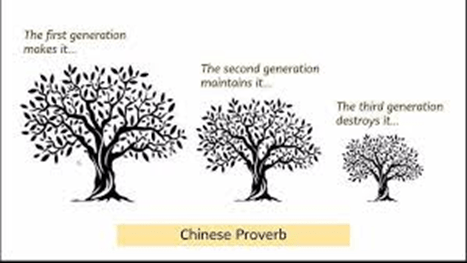
The most overlooked asset is the financial literacy of your heirs. Wealth often disappears by the third generation (the “shirt sleeves to shirt sleeves in three generations” proverb). 

  • The Asset: Educating children on money management, investing, and establishing a “Family Constitution” (a document detailing the vision for the family’s wealth) ensures the money is managed rather than consumed.
  • Why it’s never lost: Knowledge cannot be taxed, stolen, or crash in the stock market. 

5. Intangible “Assets” (Intellectual Property & Business)

Owning the rights to copyrights, patents, or a family business that is structured to outlive its founder. A well-structured family business, operated through a trust, creates a perpetual income stream. 

Summary of Rarely Explained Principles

  • Stepped-up Basis: When heirs inherit appreciated assets (like real estate or stock) through a trust, they pay no capital gains tax on the appreciation that occurred during your lifetime.
  • GST Tax Exemption: Using a Generation-Skipping Trust (GST) allows assets to pass to grandchildren or beyond without being taxed in the children’s estate, avoiding double taxation. 
Rarely Explained Assets for Permanent Generational Wealth

1. Irrevocable “Spendthrift” Trusts 

To build generational wealth that cannot be lost, you must look beyond standard stocks and real estate. True permanent wealth relies on structures and assets that resist inflation, lawsuits, taxes, and family mismanagement. Here are the ultimate, rarely explained assets and vehicles for permanent generational wealth:

1. Private Family Banks (Infinite Banking)

  • The Asset: Specially structured Dividend-Paying Whole Life Insurance.
  • How it works: You fund the policy heavily in the early years.
  • The Secret: The family borrows against the cash value to buy cars, homes, or businesses.
  • The Loophole: The policy continues to grow compound interest on the full amount, even the borrowed portion.
  • The Legacy: When a family member dies, the tax-free death benefit replenishes the “bank” for the next generation. 

2. Dynasty Trusts (The Legal Fortress) 

  • The Asset: An irrevocable trust established in specific states (e.g., South Dakota, Nevada, Delaware, Alaska).
  • How it works: Standard trusts expire in 90 to 110 years due to the “Rule Against Perpetuities.”
  • The Secret: These specific states abolished that rule, allowing trusts to last forever.
  • The Loophole: Assets inside the trust are entirely shielded from future generations’ divorces, lawsuits, and creditors.
  • The Legacy: Wealth compounds for centuries without ever being hit by federal estate taxes (currently up to 40%) at each death. 

3. Mineral Rights & Subsurface Commodities

  • The Asset: Ownership of the oil, gas, gold, or water underneath a piece of land, severed from the surface land.
  • How it works: You lease the rights to extraction companies.
  • The Secret: Surface land can degrade or lose value, but raw, essential global resources rarely do.
  • The Loophole: Generates completely passive royalty checks month after month.
  • The Legacy: These rights are easily divided legally among dozens of heirs without dividing physical land.

4. Controlled Foreign Corporations & International Foundations

  • The Asset: Offshore entities in jurisdictions with strict asset protection and zero wealth tax (e.g., Cook Islands, Panama, Liechtenstein).
  • How it works: The family moves global business operations or intellectual property into these structures.
  • The Secret: You legally own nothing, but you control everything.
  • The Loophole: Because the assets do not belong to you personally, domestic courts cannot seize them.
  • The Legacy: The wealth is untethered from the political and economic instability of any single nation. 

5. Intellectual Property Royalties (The Invisible Stream)

  • The Asset: Patents, trademarks, or copyrights on evergreen software, music, or industrial processes.
  • How it works: Companies pay your family estate to use these assets.
  • The Secret: Physical assets decay and require expensive maintenance. IP takes up zero physical space.
  • The Loophole: Copyrights last for 70 years after the creator’s death, providing guaranteed multi-generational runway.
  • The Legacy: Can be placed inside a Dynasty Trust to compound tax-free for centuries

Never Lost Invisible Assets for Permanent Generational Wealth

These assets are education, specialized knowledge, and intellectual property. While real estate and financial portfolios can be taxed, seized, or destroyed, knowledge and the capability to generate value can never be taken away. 

1. The “Invisible” Assets (Never Lost)

These assets are passed down through education, discipline, and shared family culture. 

  • Education & Financial Literacy: Teaching heirs how to manage money is the most sustainable form of wealth. Without this, material wealth often disappears by the third generation.
  • Family Business/Enterprise: A family business acts as a training ground, teaching work ethic and entrepreneurship, while offering tax advantages.
  • Reputation & Networks: A strong family reputation and professional network create opportunities that money cannot buy.
  • Intellectual Property & Royalties: Patents, trademarks, or creative works can generate passive income for decades. 

2. Tangible “Hard” Assets (Hard to Eradicate) 

These are physical assets that rarely go to zero and can be leveraged across generations. 

  • Land & Real Estate: “You cannot lose with real estate over time,” particularly when owned outright and passed through generations to receive a stepped-up tax basis.
  • Fine Art & Collectibles: High-end, rare items can act as a store of value that is not directly correlated to the stock market, often appreciating over decades.
  • Commodities (Gold/Precious Metals): Used to hedge against inflation and currency devaluation. 

3. The Structural “Hidden” Tools

These are legal structures that protect assets from being “lost” to taxes or legal challenges. 

  • Irrevocable Trusts: Placed in a trust, assets are shielded from creditors, lawsuits, and, in some cases, excessive estate taxes, ensuring they stay in the family.
  • Permanent Life Insurance: A cash-value life insurance policy can provide tax-free death benefits and liquidity, allowing heirs to pay estate taxes without selling inherited real estate or business assets. 
These Are Not Explained Often

These Strategies Are Not Explained Often Because these strategies require long-term planning, legal structuring, and intense focus on education rather than simple, passive investing, which most financial advisors focus on. 

To help you get started, telus have you:

  • Set up a Trust?
  • Created or use top educational resources for teaching your kids about money
  • Apply the tax benefits of real estate in your generational wealth building

Which of these is most interesting to you?

Generational Wealth Asset Protection Structures

Asset protection combines legal structures, insurance, and strategic planning to shield your wealth from lawsuits, creditors, and financial risks. 

Trusts and LLCs are foundational tools—irrevocable trusts remove assets from your estate while LLCs separate personal wealth from business liabilities—and they’re often most effective when layered together with insurance and retirement account protections.

How does an irrevocable trust shield personal assets from legal claims?

StrategyStructure TypePrimary BenefitBest For
Irrevocable TrustsTrust-basedAssets removed from estate, creditor protectionHigh-net-worth individuals, estate tax reduction
Domestic Asset Protection Trusts (DAPTs)Trust-basedSelf-settlor and beneficiary access while protecting assetsIndividuals in high-liability professions
Revocable TrustsTrust-basedAvoid probate, maintain controlAnyone wanting flexible estate management
Limited Liability Companies (LLCs)Entity-basedSeparate personal and business liabilitiesBusiness owners, real estate investors
Dynasty TrustsTrust-basedMulti-generational protection from taxes and creditorsFamilies preserving wealth across decades
Spendthrift TrustsTrust-basedRestrict beneficiary withdrawalsFamilies concerned about spending habits
Umbrella InsuranceInsurance-basedAdditional liability coverage beyond standard policiesAnyone facing large lawsuit or accident risk
Homestead ExemptionsState-basedPrimary residence protection from creditorsHomeowners in favorable states
Retirement Account InsulationAccount-basedProtected retirement contributions from creditorsAnyone with retirement savings
Professional Liability InsuranceInsurance-basedProtection from malpractice claimsHigh-liability professionals
Trust-Based Structures

Trusts are flexible legal tools that allow you to protect assets while controlling their distribution across generations.

  • Irrevocable Trusts — Transfer control to a trustee, removing assets from your estate and shielding them from creditors; the tradeoff is you cannot alter the trust without beneficiary consent
  • Domestic Asset Protection Trusts (DAPTs) — Allow you to be settlor and discretionary beneficiary while gaining creditor protection; effectiveness varies by state jurisdiction
  • Dynasty Trusts — Preserve value across generations, potentially spanning hundreds of years, while keeping inherited assets outside heirs’ taxable estates and shielding them from future divorces or creditor claims
  • Spendthrift Trusts — Restrict a beneficiary’s ability to withdraw funds, protecting inherited wealth from poor spending decisions or personal instability
  • Revocable Trusts — Avoid probate, a lengthy and costly public process, while allowing you to maintain full control and modify the trust as needed
Entity & Business Structures

Separating personal and business assets through legal entities creates distinct liability shields.

  • Limited Liability Companies (LLCs) — Combine liability protection of a corporation with tax flexibility of a partnership; business lawsuits or debts cannot reach personal assets like your home or savings
  • Corporations — Standard vehicle for separating personal and business assets, though less commonly used than LLCs for small businesses due to higher compliance costs
  • Layered Structures — Combine offshore trusts with LLCs for multi-level protection, particularly effective for high-net-worth individuals managing complex asset portfolios
Insurance & Account-Based Protections

Insurance policies and retirement accounts offer immediate, practical barriers against creditor claims.

  • Umbrella Insurance — Provide additional liability coverage beyond standard homeowner or auto policies, protecting personal assets from large claims stemming from accidents or lawsuits
  • Professional Liability Insurance — Shield from malpractice claims for those in high-liability professions such as medicine, law, or consulting
  • Retirement Account Protection — Maximize contributions to protected retirement accounts; these accounts are typically beyond creditor reach and receive preferential legal treatment
  • Homestead Exemptions — Certain states offer protections for a primary residence, shielding a portion of home equity from creditors, though protections vary significantly by jurisdiction
Planning Considerations

Effective asset protection requires matching strategies to your specific risks and circumstances.

  • Ideal Candidates — People in high-liability professions and anyone with assets viewed as a “deep pocket” vulnerable to lawsuits benefit most from multi-layered approaches
  • Jurisdictional Choice — DAPT laws vary by state, so selecting a favorable jurisdiction is crucial for trust-based strategies; Delaware and Cook Islands trusts are popular for robust protections
  • Timing & Proactivity — Asset protection planning is most effective when implemented before lawsuits or creditor threats arise; attempting protection after a claim is filed may be viewed as fraudulent transfer
  • Professional Guidance — Estate planners should view themselves as asset protection lawyers, crafting robust strategies that address both traditional and emerging financial risks across your wealth picture

Core 4 Investment Principles

We distill wealth protection into four foundational rules that form the backbone of sustainable financial success.

  • Protect Your Principal — Warren Buffett’s Rule #1 is to never lose money. Robbins emphasizes that recovering from significant losses takes years; a 50% loss requires a 100% gain just to return to your starting point, making preservation the first priority.
  • Seek Asymmetric Returns — Focus on investments where potential gains far outweigh risks. This aligns with our Core 4 principles designed to reduce risk while growing smarter over time.
  • Maximize Tax Efficiency — Tax deductions and smart positioning can save hundreds or thousands annually, accelerating your path to financial freedom and keeping more of what you earn.
  • Diversify Deeply — Intelligent diversification across asset classes, industries, and geographies protects against unpredictable market downturns and was proven effective during the 2008 financial crisis.
Building Generational Wealth: Systems Over Luck

Creating wealth that survives multiple generations requires intentional structure, not just accumulation. Wealthy families succeed by establishing repeatable systems and instilling values before handing down assets.

  • Education as Foundation — Wealthy families prioritize financial literacy beyond traditional schooling—teaching budgeting, investing, and stewardship early. Many create junior investment accounts where children practice decisions on smaller sums before managing larger wealth.
  • Patient Capital Mentality — Think in decades, not quarters. Successful wealth builders resist get-rich-quick schemes, instead holding quality investments through market cycles and making decisions based on impact across generations rather than immediate gains.
  • Family Governance — Family constitutions outline shared values and decision-making processes, with regular meetings ensuring alignment on major financial moves. Professional family offices or trusted advisors handle management while maintaining family control and oversight.
  • Mindset Shift — Reitenbach Kissingr Institute stresses that you cannot earn your way to wealth—many people make money but lose it equally fast. The real difference is having systems, discipline, and emotional control to preserve and grow what you earn.
  • Create or Protect Hidden with a Wealth Expert? Who has 40 Years’ Proven Business and Wealth Experience with over 5,000+ happy clients? and 17 Years of Teaching Business, Management and Wealth Creation at 3 Universities?

How it Works

Step 1 Personalized Call

Step 1: In this 15-60 minute session, we will start to deep dive with you on what your biggest generational wealth building goals are and current challenges you are having with achieving them.

Step 2: Match You

We’ll match you with a coaching strategist to help you uncover the root cause to what’s truly stopping you from building generational wealth and getting what you want. 

Step 3: Results Coaching

You’ll get started with the Reitenbach Kissinger Institute Results Coaching team and close the gap to where you want to be quickly and efficiently.

Join Us to Build an Extraordinary Business, Wealth and Life?

Let’s cultivate a 100% Breakthrough for you!

Reitenbach-Kissinger Institute
Sydney Reitenbach
Michael Kissinger

Text: 650-515-7545
Email: mjkkissinger@yahoo.com
LinkedIn: https://lnkd.in/gE7s99mP

See: Winning the Game
mksmasterkeycoaching.com

The Truth About Generational Wealth No One Explains https://youtu.be/-VxUgVN7IOg?si=phh0MSEeff7PmIN5

See: Estate Planning 101 How to Protect Your Wealth for Generations https://www.youtube.com/watch?v=ZbKqwy1LGjo

Se: Old Money Habits vs Poor Mindset: The Real Reason Wealth Survives Generations https://www.youtube.com/watch?v=APDev6klM4M

See: THE HIDDEN DISCIPLINE BEHIND OLD MONEY WEALTH https://youtu.be/UG-DTKZ3JJw?si=HOX4l52_WBJ2Lux8

Shark Tank Businesses Collapse After Initial Hype. Will Yours?

 Will Your Winning on Shark Tank Result in Business Failure? Do not Know. Consider this Solution.

Shark Tank businesses fail. The ventures that fail share predictable patterns rooted in poor execution, market misjudgment, and operational challenges that surface during scaling or due diligence.

Understanding these failure modes helps entrepreneurs avoid costly mistakes before pitching or after securing investment.

 Key Reasons for Failure

1. Product flaws and technical issues: Bad product execution stands as a main reason deals fall apart. Undermines core value proposition

2. Manufacturing and scaling problems: Toy Garoo couldn’t find toys cheaply or manage shipping costs. Inventory and logistics collapse

3. Poor post-deal execution: Scaling too soon without operational readiness. Revenue doesn’t follow investment

4. Weak marketing and branding: Body Jac lacked expertise to market and scale effectively. Poor customer acquisition

5. Regulatory and compliance failures: Breathometer’s inaccuracy triggered FTC refunds and shutdown. Legal liability and brand destruction

6. Saturated market with no differentiation: Competition without advantage in crowded segments. Cannot compete on price or features

7. Unclear brand identity: Hill Billy struggled defining its identity and target audience. Message doesn’t resonate with customers

8. Inadequate financial planning: Background checks and valuation disagreements during closing. Deals fall apart before funding arrives

9. Founder skill gaps: Missing expertise in operations, marketing, or finance. Investor money spent inefficiently

10. Niche market too small. Product solves real problem but addressable market is tiny. Revenue never reaches break-even

11. Supply chain dependencies: Reliance on single suppliers or unreliable vendors. Cost overruns, delays, quality issues

12. Timing and market readiness: Pitching before product-market fit is proven. Early traction doesn’t sustain

13. Deal terms misalignment: Entrepreneur and shark disagree on equity dilution post-close. Founder changes mind after negotiations

14. Overestimating demand: Sales projections don’t match real market interest. Revenue shortfall vs. burn rate

15. Poor unit economics: Cost per acquisition exceeds customer lifetime value. Unprofitable at scale

16. Ineffective use of shark capital. Mark Cuban criticized misuse of funds on luxuries instead of R&D. Money wasted on non-business priorities

17. Inability to pivot successfully: Breathometer pivoted to Mint but failed again. First failure indicates deeper problems

18. Insufficient due diligence: Financial or legal red flags discovered after deal announced. Shark backs out; deal never closes

19. Loss of founder momentum post-show: Initial hype fades without sustained marketing efforts. Business loses momentum after episode airs

20. Underestimating competitor response: Incumbents enter market or cut prices aggressively. Margin compression; customer defection

 2. The Hard Numbers Behind Shark Tank Failures

Only 6% of Shark Tank ventures collapse compared to 90% of typical startups—yet 408 companies have failed out of all participants.

The failure rate among Shark Tank products stands at about 24.6%, nearly one in four ventures eventually closing.

* Deal closure gap — More than half of TV deals don’t actually close after airing, usually due to background checks, valuation disputes, or entrepreneur second-guessing

* Post-show dropout — Even with investment secured, 45-50% of announced deals don’t close because sales spike post-broadcast and founders decide they don’t need the shark’s equity stake

* Most common cause — Product flaws and technical issues surface during scaling, making bad execution the leading reason deals collapse

 3. Execution Failures are the Biggest Killers

Most Shark Tank failures stem not from bad ideas but from operational breakdowns after the camera stops rolling.

* Scaling too fast without infrastructure

* Missing expertise in marketing and operations

* Regulatory and quality control disasters

* Branding and market fit misalignment

 4. Strategic Missteps and Market and Competitive Gaps

The businesses that look good on camera often enter markets without truly understanding demand or competitive dynamics.

* Saturated markets without differentiation

* Niche markets too small to scale

* Poor unit economics

15 Reasons to Reconsider Your Pitch

#1. Equity Sacrifice:

Many entrepreneurs are under too much pressure on the show. They even risk their share of equity in their company to attract an investor. There have been times when entrepreneurs have bluntly accepted offers that are a total risk for them. This is an utter blunder if the business has a high chance of being profitable later. The founder of The Elephant from Season 1, Episode 1, even accepted an offer of 55% equity from Barbara.

#2. Pressure to Accept Deals:

Entrepreneurs who are in search of investors might see Shark Tank as an easy option. However, it has its flaws. The scenario of the show puts a lot of pressure on the business owners. Everyone wants to have an investor at the end of the show. This can lead them to make wrong decisions and lots of regrets later. The main cause of the limited time session of each business pitch. College Boxes from Season 1, Episode 2 is a perfect example of it.

#3. High-Stress Environment:

Entrepreneurs are normal people who can get puzzled under high pressure due to time restraints or fear of losing. Many entrepreneurs get confused, emotional, and even lost when Sharks begin their queries. This leads Sharks to lose interest in a product and lack confidence in owners too. The Perfect Pear from Season 1 Episode 2 is an example of it.

#4. Limited Long-Term Support:

Some entrepreneurs expect the Sharks to stay on their business terms forever. That can’t be true. As Sharks, they are bonded for some limited time till the business has shifted from its crisis time. They provide the investment and financial skills that a business requires. Such as Turbobaster from Season 1 Episode 3. Kevin invested in the product but it never launched.

#5. Unrealistic Valuation:

Some entrepreneurs are unprepared for the pitch, as Shark’s queries. Some entrepreneurs don’t know the actual value of their businesses. This leads Sharks to mistrust the company and lose their confidence in them. No investor would like to have a business partner to lie or forge the actual data. Return Home from Season 1 Episode 2 stated the valuation to be $40 million, which wasn’t true.

#6. Risk of Idea Theft:

Shark Tank Show is aired on national TV, where entrepreneurs share their business secrets and skills live. This may lead to exposing their business and becoming afraid to imitate it. Especially if they confirm that the patent isn’t approved yet. This can be a golden opportunity for copycats. Matador Legging from Season 15 Epsidoe 2 faced the same problem. 

#7. Negative Publicity:

Unfortunately, some entrepreneurs acquire poor marketing and branding skills. This leads the business to negative publicity. This means the product is related to the logo or its name. This misleads the customers to the wrong product. Eventually, Sharks don’t trust any misleading business. Minus Cal from Season 11 Episode 2 and Chill Systems from Season 12 Episode 17 are such examples. These products don’t represent their logo or business idea.

#8. Mismatched Investor Goals:

Sharks at the show have their own business experience from various fields. For entrepreneurs, a professional tip is to study and dig up information about the Sharks and their businesses. This will be helpful if you have any Shark that has prior experience in your industry. Otherwise, it can be problematic for investors to provide proper assistance. Just like the Tik Pik from Season 15 Episode 6, where Mark invested in a business in which he had no prior experience.

#9. Pressure for Financial Performance:

As investor, Sharks expect a quick recovery of their investment. But, this can be troublesome for business owners. As an owner, they understand that progress takes time. This can put a lot. Eventually, this leads to wrong decisions.

#10. Deal Complexity:

Many entrepreneurs are in a rush to get an investor. This leads them to miss out on minor things of deals. Understanding the terms and then approving them is a better approach. This can cause a lot of misunderstanding and legal issues.

#11. Loss of Control:

With investors involved, owners might lose their control of command. This happens when a dominant investor is involved that will surely guide you. But will also have a sense of control over them. 

#12. Public Missteps:

As Shark Tank is viewed by millions around the globe, there is no room for mistakes. A lie or mistake can be a nightmare. From trolling to social media memes, things can go wild. So, entrepreneurs should be prepared and well-practiced. Mosh from Season 15, Episode 22, has made such mistakes that flooded the Internet with memes and criticism.

#13. Limited Investor Pool:

A restricted number of Sharks on the show is just another cause that provides entrepreneurs with limited options. Moreover, this restricts them to limited industry experience and causes them to lose a good business. Entrepreneurs from versatile industries are turned due to the lack of knowledge in that industry by four Sharks. So, this is also a potential reason to lead down a good deal.

#14. Casting Over Business Merit:

Shark Tank is an exclusive TV show. Casting is always the priority of any on-air premiere. This leads to more cosmetic effects than realistic-based business talk. This is also why entrepreneurs with good businesses couldn’t present their best and have excellent business advice. Limited pitch time and rating-based content are more valuable for business discussions.

#15. Restricted Feedback Quality:

Due to the limited time for each pitch, there is a certain to present their business idea. Investor have a certain timespan to observe and share their opinions on the product. The time restrictions limit the potential business growth.

Final Verdict

Every entrepreneur expects to have a deal from Shark Tank. But few succeed while others turn back empty-handed. This above-detailed list can be helpful for entrepreneurs who plan to go to the Shark Tank in search of investors. These points are worth the time to learn rather than to regret later. So make sure to read and understand the points well so pinpoint them and rectify them before you step in front of Sharks. 

Don’t Compete in Business Without a Proven 40 Year Industry Consultant-Coach Who Has Successfully Helped over 5,000+ Business Owners

Go from a Troubled Business Owner to a Highly Successful CEO

Running a business without proven management is tough. Long hours, constant stress, and endless jobsite problems make it feel like you’re stuck working in the business instead of on it. Many owners hit the same wall: reaching six-figure months but struggling to break through to seven figures.

The truth is, what got you here won’t get you there. Most owners try to scale by spending more on ads and chasing projects — but without the right systems, this only creates more chaos: unhappy clients, bad reviews, and lost profit.

That’s where Michael Kissinger’s business coaching program comes in. Since 1980, he has helped hundreds of business owners step out of the chaos and become true CEOs of their businesses.

  • Create a business that provides freedom, stability, and long-term financial security
  • Eliminate claims or disputes
  • Build a reliable, high-performing team
  • Put systems in place to run jobs smoothly and profitably
  • Free up your time and focus on growth

If you’re ready to stop fighting fires and start building a business that works for you, without claims or disputes Michael Kissinger’s coaching is the next step.

Michael Kissinger’s Results Coaching is a personalized coaching program designed to help you achieve breakthroughs in all aspects of your business .

You’ll get crystal clear on your goals, create an action plan to achieve them, and have the accountability and momentum you need to ensure results. Whether it’s business or or profitability, this is how you’ll gain the edge you need for truly incredible results.

If you want access to the same proven techniques and methodologies Michael used for over 5,000+ business owners a Reitenbach Kissinger Institute Results Coach is your answer.

Reaching Peak Performance Results with this Three Step Process

Step 1 Personalized Call

In this 15-60 minute session, we will start to deep dive with you on what your biggest challenges, disputes or goals are and any current challenges you are having with achieving them.

Step 2 Match You

We’ll match you with a coaching strategist to help you uncover the root cause to what’s truly stopping you from getting what you want on your project. 

Step 3 Results Coaching Plan that Exceeds Expectations

You’ll get started with the Reitenbach Kissinger Institute Coaching Team and close the gap to where you want to be quickly and efficiently.

Informed by four decades of extraordinary results, Michael Kissinger‘s Results Coaching is built to help you discover ways to grow your business and profits exponentially. He provides the tools for you to create massive, lasting change in your life and business.

It significantly reduces costs, prevent delays, and improves project outcomes by identifying issues early and ensuring robust documentation and communication throughout the lifecycle. 

It provides proactive strategies—such as comprehensive contract management and thorough record-keeping—proves far more cost-effective than adversarial resolution processes. Research shows that effective management can prevent project termination and cost overruns, while experts specializing in profit resolution help stakeholders achieve favorable outcomes.

5,000+ Happy Clients Increased Profits, Reduced Costs or Improved Their Life Substantially within 12-18 Months

Change Your Life or Business Destiny with These Confidential Testimonials…

Here are real-life confidential testimonials of successful contractors who he helped who have broken through barriers who can provide inspiration and motivation.

 mksmasterkeycoaching.comhttps://mksmasterkeycoaching.com › testimonials

“The path to success is to take massive, determined action.”

If not now, then when?

Consider the Alternative…FAILURE

Approximately 20.4% of U.S. small businesses close within their first year, with cumulative failure rates reaching roughly 49.4% after five years and 65.3% by the end of a decade latest industry data. While thousands of ventures shutter annually, the total population of small business entities remains robust at 36.2 million across the country.

Join Us to Build an Extraordinary Business?

Let’s cultivate a 100% Breakthrough for you!

Reitenbach-Kissinger Institute

Sydney Reitenbach

Michael Kissinger

Text: 650-515-7545

Email: mjkkissinger@yahoo.com

LinkedIn: https://lnkd.in/gE7s99mP

See: Winning the Money Game

mksmasterkeycoaching.com

See less