

Welcome to Reitenbach-Kissinger Business Coaching
Join Us in this Diagnostic Assessment Evaluation
Reitenbach-Kissinger Institute and MKS Master Key Abundant Business Coaching Uses it to Create and Build Your Abundant Life
As a proud leader in the personal, professional and business development community, we hire and train only the most qualified professional coaches – members of are accredited and personally instructed by our outstanding world class coaches and mentors.
Here are the evaluation questions to explore in your abundant life business coaching session, focusing on understanding your current situation, identifying your goals, and planning for future action.
The questions cover a range of topics, from core beliefs to concrete steps for achieving desired outcomes. Please complete each question with your coach and return it to mjkkissinger@yahoo.com
Upon receipt we will schedule a live Abundant Life Business Coaching session with you in 24 hours to determine how we can help you?
Assessment Tests
TEST 1: Topic: Optimization
How can your business work better and harder for YOU? Detect and identify areas where this is completely possible with this 300-question “Company Profile Questionnaire” that we uses to learn more about our own private clients, well before they ever meet in person.
We sometimes refers to this as our “Monster” questionnaire because it provides a comprehensive view of the areas, factors, and angles Jay uses to analyze a businesses assets and potential for growth.
TEST 2: Includes an additional 87-question questionnaire to discover “How Do You and Your Business Stack Up?” This self-diagnostic assessment will maximize your insight into how your business could be, and should be, delivering more pay-off to YOU!
AREAS FOR YOUR BUSINESS EVALUATION
Introduction………………………………………………………………………………
Personal Profile ………………………………………………………………………….
Professional Background………………………………………………………………
Corporate Profile………………………………………………………………………….
Company Infrastructure ……………………………………………………………….
Client Base …………………………………………………………………………………
Sales Force…………………………………………………………………………………. Marketing…………………………………………………………………………………..
Internet Marketing ………………………………………………………………………
Social Media Marketing ………………………………………………………………..
Space Advertising…………………………………………………………………………
E-mail & Direct Mail…………………………………………………………………….
Strategic Partners……………………………………………………………………….
Unique Selling Proposition…………………………………………………………..
Competition Profile …………………………………………………………………….
30 Standard Options (Attachment 1)……………………………………………..
Methods to increase the number of clients …………………………………….
Methods to increase the average transaction amount……………………..
Methods to increase your transaction frequency…………………………….
How do You and Your Business Stack Up?…………………………………….
How Do You and Your Business Stack Up? Diagnostic Assessment Evaluation
Monster Business Profile Questionnaire
Please return to: mjkkissinger@yahoo.com
Name:
Title: Company:
Phone:
Email:
Time-zone / Best time to call:
Address:
Type of business:
Gross revenues: ______________
# of employees: ____________
Products / services offered:
Market served:
What ‘buying influencer’ do you target within that market:
Website / Social Media Site(s):
Introduction
This questionnaire is a multi-purpose resource. Not only will it give us a comprehensive overview with which to begin to understand your company, it will also almost certainly give you cause to think about areas of your business that you have not previously had reason or awareness to think about.
We would like to suggest that you view it as a ‘living document’, a resource to be periodically reviewed and updated. Not all areas / questions will apply to all businesses.
We suggest you address the sections and questions pertaining to your business and don’t allow yourself to become ‘stuck’ on any given question.
Where necessary / appropriate, you might enlist the aid of key company personnel to provide the data / answers required.
Personal Profile
1. What people, books, and life factors have influenced and impacted you in your career?
2. Describe the specific trainings, interests, and hobbies you have. What do you do when you’re not at the office? Why?
3. Describe your family. Are you married? Are you divorced? How many children do you have?
4. What is the greatest life achievement you have achieved so far?
5. Are you an active member of your community? Describe.
6. Do you take regular time off / vacations to rest and recharge? Describe.
Professional Background
1. Describe your current position.(Role, title etc.)
2. How long have you owned or been with your company?
3. Describe your background – what did you do before you started, bought or came into this business?
4. Describe exactly who the owner or owners are.
5. Share what you know about the primary goals of the owner.
6. What is the operating philosophy that the business has been built on?
7. Do you have your client’s best interests at heart in everything that you do? Does every member of your team reflect your core values and preeminent attitude in every interaction with your clients? How do you incorporate that philosophy into every touchpoint of the client experience?
8. Is the business internally financed? Bank financed? Are there outside investors?
9. My business vision for my company is:
10. What do you want from your business? What is your strategic goal? Is it: Lifestyle? Rapid Expansion? ‘Exit’? Acquisition? Elaborate.
11. Explain in which areas your time is being spent. Where should it be spent?
12. What is your management structure?
13. What initially got you started in your business? (What motivation, occurrence, etc.?)
14. How have your methods for doing business, or the product(s) or service line(s) you market, changed since the inception of your business?
15. Have you ever acquired any other business products or services?
• If yes, when?
• What were they?
• How did they perform?
• What was the basis of their acquisition? e.g. cash
16. If you could buy another business that would benefit your company, what kind would it be? The same business? A complimentary business? (Something people buy before, during or after.) A competitor? An alternative business?
17. What ‘competitive business’ intelligence sourcing do you have? How do you monitor your competition? Do you know what your competition does in the various different aspects of business? If so, how are you monitoring it?
18. What one thing, more than anything else, do you want to accomplish in your business before you exit or move on?
19. If you had a magic wand that could do anything, would you rather attract more new clients, or gather more money from your existing clients? Why?
20. What is your long-term strategy? Do you want to own one business forever? Do you want to set it up for someone else to run it for you? Do you want to sell it? Or do you just want to make money and then stop? Elaborate.
21. If you had as much money as you wanted, what would you do to improve your product or service and what impact would that have on your clients? Describe / illustrate priority of actions.
22. Where do you see your industry in five years?
23. What is your vision for your business for the next: 6 Months: 1 Year: 3-5 Years: 10 Years:
24. What is your biggest opportunity to achieve this vision?
25. What is your greatest strength? Is it consistent with this opportunity?
26. What is your greatest problem or weakness in achieving this vision? What’s the solution?
Corporate Profile
1. Where are you based / located geographically? Is this your ‘operational center’?
2. Describe your marketplace / geographic client-base. Is it: Local? Regional? National? International?
3. Would you classify your activities as Business to Business or Business to Consumer – or both? Explain as appropriate.
4. List your gross sales and approximate profits (pre-tax) over the last five years.
5. Indicate all costs of sales.
6. List all overhead factors, showing breakdowns of what the overhead includes.
7. Describe – in detail – what your business does.
• Products and services you sell and how you sell them?
• Who you sell to by industry?
• Commercial category or specific niche?
8. What are your year-to-date sales levels?
9. Where does most of your business come from?
• Product or service
• Category of client
• Geography
• Who has the highest propensity of buying from you?
10. What is your business philosophy as it relates to your clients?
11. When was the last time you introduced a new product or service to your market (both existing clients and prospects)?
• How well did it work?
• What was the reason?
12. In a nutshell, what is your company’s competitive strategy?
13. Do you think there is any link between your corporate strategy and success? (Yes or No) Yes: No: • If yes, what is it?
14. Do you have a strategy of pricing? Or is it just done arbitrarily and tactically? (Yes or No) Yes: No: If yes, what is it?
15. Do you think your people’s performance and compensation should be linked to your strategy? Explain.
16. What is the power structure / basic infrastructure?
• Is it hands on? Hands off? Explain
• Who runs things?
• What kind of turf or political environment you are dealing with
• Who are the decision makers? (For example: “I own the business but I’m never there, and I defer to my manager.”)
17. Who does your bookkeeping / accounting?
18. Who is going to be our operative? (The operative needs to be enrolled in this process.)
19. Explain, realistically, how much more business you can add without having to add any more people, equipment, service or space.
20. To grow beyond that point, what incremental increases are required in each category?
Company Infrastructure
Diagram Please provide a visual diagram of your current organizational structure in the space below.
If you don’t have one in digital format, please draw the diagram on a separate sheet of paper and send it as a separate email attachment.
It should have several boxes with the Name, Title, and brief Job Function of each Employee, Investor, Advisor, Coach, Consultant, Independent Contractor etc. that is currently involved in your organization.
Be sure to include all departments, i.e. Operations, Marketing, Sales, Finance, Legal, Research & Development, I.T., Business Development, Human Resources, Technology, Product Development, Virtual Assistants etc…
<< Please insert diagram here or send as a separate attachment>>
1. How do you explain your company to someone outside your industry (i.e. at a party)? Keep it as simple as possible.
2. Describe your company in one sentence, but from a different angle than question #1.
3. How do you explain your company to someone in the industry (i.e. to a potential buyer or client)? This is the “company pitch,” NOT the product pitch.
Client Base
1. How many active clients / buyers do you have?
2. Exactly what kind of data do you have on them? (Include everything you know about your clients: names, addresses, telephone numbers, fax numbers, e-mail addresses, types of businesses, location, what and when they have bought from you, how you attracted them, the last date of contact with them, etc. If your business relationship is such that it warrants, do you have birthdays, spouse’s & children’s names?)
3. How many “dream” clients are there (the 20% who drive 80% of – 15 – your sales)?
4. What does it cost you to acquire a new client? If you have many different sources & types, please explain by each category. (e.g. if you ran an advertisement that costs $1,000 and you attained two new clients it would be $500.)
5. What are the average sales and profits generated from a new client in the first year? (By category, if appropriate.) How is that information useful in your overall marketing strategy?
6. What’s the “lifetime value” of your typical client? (By category.) (i.e. how much revenue will they generate for you over the entire period they do business with your company?)
7. Explain where all your business is coming from (demographics / sources, media, distribution channels), versus where all your time is being spent.
8. What is your biggest and best source of new business?
9. Are you doing everything possible to secure this business? If not, why not?
10. As a percentage, how much of your business comes from referrals?
11. Go through all 30 of the standard options in the “Three Ways to Grow a Business” model
(See Attachment 1 – “30 Standard Options.”) and tell us what you do. For example, do you have a referral program? If the answer is no, explain why not. If the answer is yes, describe how it works, what you do. Include all the details.
Sales Force
- Selling infrastructure:
• Describe Your Sales Force
• Do you have inside sales people?
• Who does what?
• How they are paid?
• What are their average income levels?
• Have you tried different types of compensation programs? If so, was there an effect on sales?
- If you have a lot of different sales people, indicate the variance of performance, from best to worst.
• What the best excels at and what the worst excels at?
• What their strengths and weaknesses are and where they’re utilized.
3. What is your average order amount per transaction, category or source, and what are the steps you can take to increase it?
4. What are your sales (gross and net income) per salesperson – per period? Is that above, below, or equal to your industry average and what are the steps you are taking (or going to take) to improve?
5. What are the standards / criteria for hiring salespeople?
6. How much professional sales training have you personally had?
7. What type of training do you offer your salespeople (both junior and senior)? Identify Trainer, Program, Method / Technique
8. What other training do you offer? (i.e. Product training, Account management training, or Time management training)?
9. How is it offered (Internally, Externally, etc.)?
10. How often is training provided?
11. How often is re-training provided?
12. What is the turnover rate for salespeople?
13. Describe the typical sales cycle to close a sale (i.e. from generating the lead through to a close):
• How many contacts / ‘touches’ does it take to close a sale?
• How many different people do you usually meet with to close a sale?
14. Describe the length of cycle from initial contact to close?
15. What are the most frequent objections you hear?
16. How do you / your people best overcome them?
17. If you target 10 prospects, how many will you close? (Provide the closing ratio.)
18. How do your closing ratios fare against that of competitors?
19. As a percentage, with how many clients are you dealing directly with the top decision maker?
20. List three things you could do to strengthen your relationship with the top decision maker: i. ii. iii.
21. What are the top three reasons that a prospect would do nothing at the end of the sales cycle? i. ii. iii.
22. What do you do with the prospects you don’t close?
23. What do you do with past inactive clients / buyers?
24. Do you utilize another form of direct sales (i.e. independent sales reps, dealers, manufacturer’s reps)? If you do, have you ever compared the results to an inside or outside sales force?
25.What has your prospecting approach been?
26. What prospect data do you have (i.e. lists, etc.)?
27. Do you go to trade shows? What do you do, and how do you show / exhibit? What is your preparatory approach? What promotions do you do in conjunction with trade shows?
28. Summarize your selling presentation.
29. Write out your sales proposition (“pitch”).
30. If there’s a basic premise that you use, describe exactly what it is. 31. What kind of ongoing sales management do you have?
• Do you have a defined, designated person as a sales manager?
• Describe her / his duties and objectives. How do they coincide and fit with the overall marketing strategy?
• Do your sales people manage themselves?
32. How many unsold prospects do you have? How many inactive past clients / buyers?
33. After the initial sale, are there systematic, formal methods you use to communicate and resell your client?
• If so, what are they?
• If not, should there be?
34. How much time per week do you personally devote to sales activities or your salespeople?
35. What sales functions did you perform when you started your business?
36. Do you (the business) do anything at the point of sale to increase the order? Explain
37. Do you add on other products or future products or services (up sell)? Explain • If so, what are they?
38. How long does it take you to fill an order after you receive it? If you improved, would it have a dramatic effect on your sales?
39. Is “buyer’s remorse” a current problem in your business? If so, how do you overcome it?
40. Do your clients feel your Customer Service department is prompt and courteous? Explain.
41. What type of training do you offer your service personnel?
Marketing
1. What are your target markets and how did you determine this?
2. What is your market(s)potential (universe)? How did you determine this? What is your current share of that market?
3. Does your business market locally, regionally, nationally, or internationally?
4. What changes are required to satisfy the projected outcomes of your business?
5.Describe the company’s marketing philosophy.
6. ***Do you have a written marketing plan that you adhere to? If so, explain it.
7. Is the plan based on a fixed budget number (e.g. $5,000 per month for Google AdWords / Facebook ads)? Is it a variable percentage of sales?
8. ***What is your current, primary-mode of marketing? What percentage of your business comes from this?
9. Do you have a marketing budget? (Yes or No)
• What is it? What is it based on?
• How is it allocated?
• How has it been used in the past?
10. Do you understand maximum allowable cost factor as it relates to the lifetime value / marginal net worth of a client? Describe.
11. I know the difference between strategy and tactics. (Yes or No)
• If “yes”, define your understanding of the two below
Strategy Means:
Tactics Are:
12. I have an overriding business strategy driving all my business activities – specifically, all of my marketing activities.(Yes or No)
• My business strategy is:
• My master marketing strategy (which is different from my general business strategy) is:
• My marketing strategy has _____ different elements pillars or Foundational “pylons” supporting it. (See my description of ‘Power Parthenon’)
• They are (please list general categories)
13. My marketing strategy is based on the following key strategic / tactical objectives:
14. Describe every successful advertising, selling or marketing program you have engaged in for the last three years.
• Of these, how many have you continued?
• How many were a “one shot” promotion?
15. How many different applications do you have of every marketing tactic you use? (i.e. 22 different referral generating approaches / methods.) • List Below
16. Do you know the difference between an approach/ method or system—and a strategy? (Yes or No)
• If “yes,” please describe and define both in your own words 17. What books or people have influenced your strategic thinking? Name Author Subject
18. What are the biggest insights, realizations, directions / concepts you got from the above?
19. If you have a marketing strategy plan in place explain how each / all of your marketing tactics integrate and combine to deploy or execute your main / overall strategic objective.
20. Do you have a systematic back-end (selling your own or others’ products to existing clients)? Describe how it works.
21. Do you use direct response marketing concepts (those designed to induce an immediate and measurable response)?
• If not, Why not?
22. How much of your time each month do you devote to marketing?
23. How much time will you devote in the future?
24. ***Do you have a marketing director? If so, describe her / his primary responsibilities and duties?
25. Do you use creative advertising, marketing, or advisory services?
• If so, who do you use?
• Describe what they do.
• What do you pay them?
• What have their contributions been, and how have you used these contributions?
26. Do you analyze anyone else’s marketing strategy? (Yes or No)
• If yes, who?
• What did you learn?
• How did you use it?
27. What’s the most revolutionary marketing strategy you’ve ever seen a company use? What is the best one you have ever used?
28. Do you regularly plan your marketing strategy and execution, or are they just reactive on your part? (Yes or No)
29. What do you think marketing strategy REALLY is?
30. Do you think you’re having trouble with your business or marketing strategy? (Yes or No)
• If so, where would that be?
• How?
• Why?
31. Does your business have a solid growth strategy in place? (Yes or No)
• If “yes”, describe what it is
32. Do you have a separate sales strategy that’s distinguishable from how you market? (Yes or No)
• If “yes”, briefly describe below.
33. Do you have a unified marketing strategy that controls and integrates all the tactics you deploy? (Yes or No)
34. Do you have a brand driven business? (Yes or No) If yes, what does your brand stand for?
35. What’s your Social Media marketing strategy, in a nutshell?
36. What competitive forces do you think most shape YOUR marketing strategy?
37. Do you have a winning business strategy you follow? (Yes or No) • If “yes”, what is it briefly?
38. How do you communicate your marketing strategy to the people who work for you?
39. Whose business strategy do you most admire?
• Why?
40. Is client lifetime value (marginal net worth) reshaping your marketing strategy? (Yes or No) Explain
• If so, how?
41. Describe below,the most advanced marketing concepts or tools you currently use to sell more products to more people?
42. Who is the most masterful business or marketing strategist you’ve ever known? How did he / she best apply their strategic genius? Describe their biggest strategic “coup.”
43. Do you have a profitable business / marketing strategy for the internet? (Yes or No)
• If yes, describe briefly below and share performance details.
44. How do you explain your marketing strategy to someone outside your industry (i.e. at a party)? Keep it as simple as possible.
45. Now describe your marketing game plan in one sentence.
46. Describe the different marketing tactics you successfully use.
47. What do you think the Strategic benefits of each tactic are?
48. What are the ‘advantages’ you offer that motivate people to choose your company / product or service (i.e. your USP)? Describe briefly.
49. What sequential marketing (if any) does a prospective client get when initial contact is made vs. when they buy your product / service?
50. What marketing efforts / activities do you want to be doing right now that you are not?
• Why?
51. Describe your competition and any effective marketing strategy or tactic they use that you don’t.
52. Do you have a long-term written marketing game plan? (Yes or No) If yes, how often do you review it?
• If yes, include a written copy as an attachment with this questionnaire & tell us how you do accomplish your marketing goals?
53. Briefly describe the complete strategic marketing cycle, from:
• Generating the lead.
• Through to closing the sale.
• To requesting repurchase.
• And all follow-up referral generating that you do.
54. How do you currently prospect for / generate new first-time buyers?
55. What frequency of communication do you have with your prospects and active or inactive clients / buyers? Describe.
56. What forms of communication do you employ (call, visit, letter, etc.)?
57. What tactics do you use to overcome frequently posed objections?
58. What is your strategy for reclaiming windfall profits from prospects you don’t sell or close?
59. Describe five of your most formidable competitors and their marketing approaches.
60. What are the top two reasons that you lose business to the competition?
61. How much follow-up do you do with a client – AFTER they buy?
• With a prospect if they don’t purchase?
• And with a client AFTER they buy.
62. Do you ask for referrals? (Yes or No)
• How?
• How of
63. List three things you could do to strengthen your marketing effectiveness now.
64. List the materials, products, programs of mine you’ve been exposed to. Plus, how often?
65. How well have you studied and honestly applied each one?
66. What’s holding you back from doing more and better consistent marketing?
67. What would make your current marketing strategy more effective?
68. Do you know what the highest and best performingmarketing approaches you have available are? (Yes or No)
• How they are best used?
69. Do you continuously repeat successful marketing, sales generating activities on a systematic, scheduled basis? (Yes or No) If not, why not?
70. How often do you send clients interesting information that is not about your product, but could be relevant to them or their business?
• If often, provide examples of what you include
71. Do you or your people contact every active and inactive client at least once every 3-6 months? (Yes or No) If no, why not?
72. Do you know what your client attrition rate is? (Yes or No)
• If so, do you have a plan in place to reduce or eliminate? List perspective.
73. Where does most of your business come from? (Products or services, types of client and geography industry.)
74. Do you have a segmented database?
• If so, describe all the ways you use it for ongoing marketing purposes.
75. Do you have your database segmented by category, products, geography, etc.? (Yes or No)
76. How often do you follow-up with each category of buyer prospect? Every day, week, month or year?
77. How often is your company in touch with clients as a corporate initiative? (Not something that depends on the mood or skills of an individual rep!)
78. Do you use advertising tactically or strategically? (Yes or No)
• Give Examples.
79. Do you use my “Three Ways to Grow a Business”model? (Yes or No) See attachment 1, page: 67
• If so, describe each category of what you do. 80. Do you have regularly scheduled methods of communication? (i.e. e-mail, newsletter, monthly update letter, etc.) (Yes or No) If no, why not?
81. How do clients perceive your company among everyone else in the industry?
82. How do clients perceive your products / services, sales people, and marketing?
83. How do your competitors see your marketing? Describe their perspective.
84. What-strategic alliances, if any, do you have, or have you ever had, in place?
• How did they fare?
• How did they affect your business?
85. Who stands to gain more than you if you grow? (i.e. people / businesses who have products or services that are purchased after your products or services are purchased, or concurrently purchased with the product / service, etc.).
86. What are this year’s strategic goals?
87. Explain where all your marketing effort, time and money is being spent versus where it should be spent.
88. How much of your business comes from referrals?
89. How much of your business comes from advertising?
90. How much of your business comes from direct sales?
91. Describe your marketing positioning.
92. What’s your Marketing structure?
93. Do you have an adequate supply of client testimonials, and is there a system in place for their capture?
94. Are they written or digital, and how are they (or will they be) used in your marketing?
95. Do you actively solicit referral business? If yes, how does it work and if not, why not?
96. How many inactive past buyers do you have?
97. Have you ever tried to reactivate your former clients and nonconverted prospects? Explain.
98. Have you ever tried selling or ‘joint-venturing’ a list of your non-converted prospects to your competitors? Explain.
99. Do you make consistent efforts to communicate with and educate your clients about what your company is doing to help them?
100. How formal, informal, or systematic is the process?
102. Do you use bonuses in all your sales / marketing
propositions?
103. How has it affected the response?
104. What is Your Risk Reversal?
105. Do you use risk-reversal in your marketing propositions?
Explain its effectiveness.
106. What kind of guarantee or warranty do you give your clients?
107. How does it compare with your competitors or with the industry at large?
108. ***How do you capture the names, email addresses, mailing addresses, and phone numbers of all your clients and prospects?
109. How do you use each of them in your marketing programs?
110. In what other ways have you obtained your existing clients?
• Rank your methods from best to worst. (i.e. website / digital media, spot advertisements, direct mail, direct sales, telemarketing, etc.).
111. What is your selling season, if any?
112. Are you actively looking to sell other complimentary products or services during the slower periods? If so, how do they interrelate?
113. How loyal are your clients?
• Is that normal, high, or low relative to your industry?
• What is the reason?
• How can it be improved?
114. Briefly describe the niche you fill in the marketplace?
115. What need do you fill in the client’s mind? Are they the same?
116. Do you provide incentive bonuses to your employees for creating new and better marketing methods for your company? Explain.
117. When you first started, how did you attract your first clients? (i.e. what process, method or action did you use?)
118. Why did clients originally buy from you?
119. Why do clients buy from you now?
120. What has been your biggest marketing success to date? (i.e. a specific promotion, advertising campaign, telemarketing script, etc.)
• Are you still using it or a version of it?
121. If you had as much money as you wanted, what would you do to improve your marketing? (i.e. what is your biggest marketing problem or challenge today?)
122. Do you have a PR effort?
• If so, what does it consist of?
• How often do you do it?
• How well does it work?
• What benefits have you received?
123. Who is responsible for PR?
124. How does the press view your company?
125. Do you have a brochure / media kit?
• If so, how is it utilized?
Internet Marketing
1. What percentage of your sales are generated by online activities vs ‘traditional marketing’?
2. Do you have a written Internet Marketing Strategy? If yes, describe. If no, why not?
3. Are you GDPR (General Data Protection Regulation) compliant? What steps have you taken – or will you be taking – to become so?
4. List all elements you are currently using for Internet Marketing. e.g. – website, emails, Social Media etc.
5. How do you currently handle / implementSEM (search engine marketing) SEO (search engine optimization)?
6. How do you monitor the effectiveness of your SEM, SEO, PPC activities?
7. Describe how your company stays current with the everchanging technology, platforms, marketplace of Internet Marketing.
8. Does your website contain a ‘History’ section that includes a compelling story (in narrative form) about the founding / history of your company? If not, why not?
9. Do you keep your clients current with your activities by means of a blog or similar narrative format? If not, why not?
10. Do your marketing activities include Blogs, Webinars, Special Interest Groups? Describe.
11. Do you have an affiliate marketing program? If not, why not?
12. Describe your affiliate marketing program, including its share of your overall revenues.
13. Do you sell on Amazon? If yes, describe the types and level of Amazon marketing activities involved.
14. Is your website designed / maintained internally / externally?
15. Who is responsible for ensuring that it is up to date?
Social Media Marketing
1. What percentage of your sales are Social Media generated?
2. What is your overall SM marketing strategy? How much of your content is paid vs organic?
3. Do you have a Social Media (Marketing) Manager / Department? Describe how they keep your company current with the everchanging platforms and client communication preferences.
4. What platforms are you active on? List posting frequency on each one.
5. Is your content produced ‘in-house’ or subcontracted to an outside production facility? Who provides the creative input?
6. Is your company active on YouTube? Describe.
7. Is your YouTubecontent produced ‘in-house’ or subcontracted to an outside production facility? Who provides the creative input?
8. Do you have formal audit / monitoring tools in place to monitor & verify response and conversion results and alert you to marketplace changes?
9. Do you do regular testing to see how the different platforms (and different content) might perform? If yes, describe. If no, why not?
10. Do you use ‘influencers’? Should you be using influencers?
11. Describe your influencer marketing program, including its share of your overall business revenue.
Space Advertising
1. What is your advertising philosophy?
2. What influenced or forged your thoughts on this?
3. Do you apply this philosophy to your ads?
• If so, how does that happen?
- Do you use direct response advertising (ads that cause a client to take action), as opposed to “image” advertising?
• If yes, please describe the essence of the offer or proposition you typically make. If no, why is that?
5. Are your ads working? • How do you know?
6. Do you use two-step advertising (i.e. step one generates qualified leads, step two converts those leads to clients)?
• If so, describe your steps.
7. What is your conversion ratio? (i.e. out of every “x” leads, you get “y” clients or sales.)
8. What are the different techniques you have used to improve your ratio?
9. What is your advertising cost per sale? (i.e. when you run an ad that costs $1,000, you generate $x of sales.)
10. Have you tested different approaches to increase this number? If yes, describe.
11. Do you use a conversion kit (a package of follow-up materials) to convert prospects to sales?
• If so, describe your kit. If not, describe the steps you take to convert a prospect.
12. Does your conversion kit contain a sales letter which: • Educates the reader about the rest of the material?
• Educates the reader about your company?
• Names what problems your company can solve for them?
13. Do you test the different aspects of your advertising?
• If so, what do you test? – Copy? – Media?
– Offer? – Headline? – Price? – Size? – Illustrations? – Publication Position?
E-mail / Direct Mail
- How much prospecting mail do you drop each month?
• To Whom?
• Why?
- Describe your e-mail efforts.
• Type
• Frequency
• Objective
• Results
- Do you use a list broker?
- • If not, where do you get your names from?
• Are there non-competing companies who sell complimentary products / services that you could approach? (e.g. a carpet cleaner approaching a carpeting company.) Do you test the different aspects of your mailings?
• If so, what do you test? – Copy? – Offer? – Price? – Media? – List? – Headline?
- What is the return on investment for your mailings?
- How do you think it could be improved?
- How often do you mail to your own list of clients?
• Is your mail informational? – 57 – • Do you solicit additional sales from them?
8. Do you rent out your client and / or prospect lists? Explain.
9. Have you ever used telemarketing as a follow-up to an email or direct mailing?
• If yes, what is its effectiveness? If no, why haven’t you?
Strategic Partners
1. What strategic alliances do you currently have?
2. What strategic alliances did you have in the past?
• How did they fare?
• How did they affect your business
3. ***Who (which businesses) stands to gain more than you if you grow? (i.e. Companies whose products / services are purchased after your products / services are purchased. Companies whose products / services are concurrently purchased with your product / service?)
4. Who are your suppliers or other providers of products or services that benefit massively when you are successful?
5. ***What products or services do people normally buy prior to, in conjunction with, and right after your product is purchased?
Unique Selling Proposition (USP)
1. Indicate every unique aspect of either the performance of, the
construction of, the buying of, or the rendering of your product.
(I’m looking for unique selling proposition points.)
2. List what your product / service brings to a client or client.
Provide a very specific, measurable, and detailed explanation of
the following:
• Results:
• Advantages:
• Benefits:
• Protections:
• Enhancements:
• Prestige factors:
- What do you believe your single most competitive advantage is?
- What are you most proud of about your business, product or service?
- *** What problem does your product or service solve for the client?
- Describe your client’s needs and the positive results your product/ service provides.
- Give a specific assessment of the transactional implication your product or service has in the end-user’s life. (i.e. If / because someone has your product or service, they save $400 a month forever on electricity… tell me about that. If you’re a real estate person and you put someone in a greater lifestyle, and get them a house that can appreciate in value… I want to know all about that.) • List All Factors:
- What is your Unique Selling Proposition or USP?
- Why do your clients buy from you?
- What is it about your product and / or service that distinguishes you from your competition? (You may have more than one for different product / service lines or segments of your business.)
- Why must a prospect buy your product or service? • What would make it irresistible?
- What do your clients really want? (Be specific. Don’t just answer, “A quality product or service.”)
• How do you know?
13. What products / services do clients want that you do not offer?
14. Is your USP a consistent theme in all of your marketing and sales efforts?
• If yes, explain how? If no, explain why not.
Competition Profile
- Describe your competition. (Use criteria in the previous section & rate each on a scale from 1- 10) on Competitor’s Name Product Sales Ability Marketing Ability 1 Marketing Ability 2
- Describe all you know about your competitors • Where are the top 3 located? • What do they do best?
- • What do they do worst? • How do you specifically fill that void?
- Describe, as much as possible, your competitor’s:
• Selling Approaches
• Selling Strategies
• Infrastructure
4. What do they offer that you do not?
5. What steps do you take to offset their advantage
• Are they working? • If not, what needs to be changed?
- What are the top three reasons that you lose business to a competitor?
- Do you buy from your competitors to keep track of what they’re doing right and wrong – sales approach, products quality, delivery, customer-service etc.?
- • Explain how these insights have helped you refine and better focus your overall business strategy
- What is the biggest client complaint about your industry? How does your company address this problem?
- Why do clients buy from you?
- Do they buy from you exclusively?
- Do they also patronize your competitors?
- What steps can you take to get the main portion of their business?
- Do you actively seek information from experts in your field and other fields related to yours? Explain.
Need help? We will provide you with the highest quality, most informative, and mind-blowing coaching.
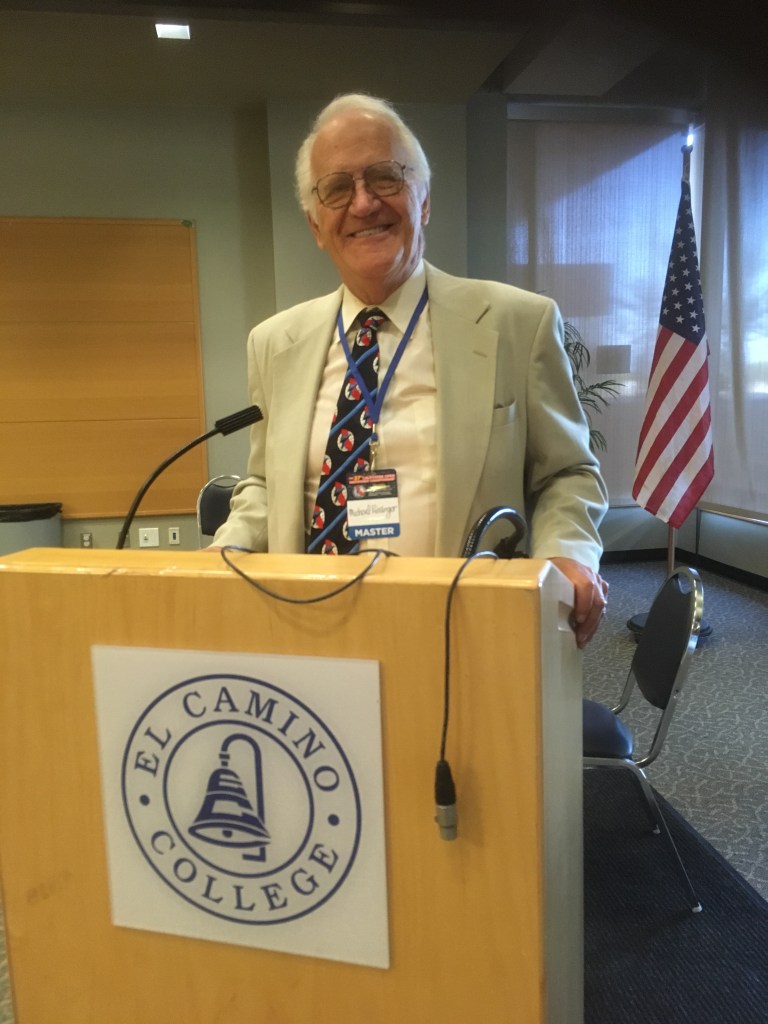
Reitenbach-Kissinger Institute
Sydney Reitenbach
Michael Kissinger
Text: 650-515-7545
Email: mjkkissinger@yahoo.com
See: MKS Master Key Coaching: mksmasterkeycoaching.com
Linked In: https://lnkd.in/gFPY5uT

 REACH YOUR PEAK PERFORMANCE TODAY with the World's #1 Consulting Firm. The Reitenbach-Kissinger Institute and the MKS Master Key Consulting-Law-Engineering Systems. You are committed to achieving your goals. Do not compete without proven consultants. FREE 30-Minute Win the Game of Life or Business Consulting Session Call: 650-515-7545