
Do You Need a Free Million Dollar LLC Business Coaching Plan that is packed with tips, checklists, resources, and scores of helpful examples, to Make Your First Million Dollars
Are you looking for the most valuable one-stop tool available for entering the world of professional coaching.
Do you plan to become a professional million dollar coach who is enhancing your coaching skills to become a better coach or leader?
Or do you just want to know more about how coaching works to help improve the lives of others?
With this concise coaching, you will quickly learn ow to set up your LLC and the main principles and tools for creating a million dollar life coaching business plan.
Are You Making the Right Decision
When starting a life coaching business, one of the most important decisions you must make is choosing the right business entity.
This decision can impact various aspects of your business, including taxes, liability protection, and even your personal assets.
Many people are looking for side hustles and aspiring entrepreneurs want to start their careers as life coaches. However, they may wonder if they need to form an entity for their coaching business or if they can operate as a sole proprietorship.
3 Reasons Why You Should Start a Side Hustle
Starting a side hustle can offer several benefits and opportunities. Here are three reasons why you should consider starting a side hustle:
- Build and Strengthen Your Skills
A side hustle can be a great way to build and hone your skills in areas that may not be a part of your day job. For example, if you’re a social worker working in the field of child welfare, you may choose to start a side business offering consulting services related to parenting or family dynamics.
This will allow you to apply your social work knowledge in a different context while also strengthening or developing new skills.
- Make Extra Money
Side hustles can be lucrative and can help supplement an already stretched salary. With a little bit of creativity and hard work, you can easily find side gigs that will help you bring in additional income.
From providing online counselling services to freelance writing, you have many opportunities to make extra money on the side.
- Add Variety to Your Work
Side hustles allow you to break up the monotony of a regular job and add variety to your work. Taking on a side hustle can also be a great way to explore different career paths and discover new interests. From developing apps to selling vintage items, there are plenty.
The truth is, there is no one-size-fits-all answer. Each business entity has advantages and disadvantages, ultimately depending on your individual goals and needs.
In this post, we’ll explore the benefits of setting up a limited liability company (LLC) for your life coaching business and help you determine if it’s the right choice.
Keep reading to discover how forming an LLC can protect your personal assets, provide tax advantages, and give your business a professional edge.
Why You Need an LLC for Your Coaching Business?
An LLC provides liability protection, tax flexibility, and operational ease, safeguarding personal assets and enhancing professionalism.
- What are the steps to register a coaching business as an LLC?
The five essential steps include choosing a state, selecting a unique business name, filing Articles of Organization, drafting an operating agreement, and obtaining an EIN.
- What are the benefits of an LLC over other business structures?
An LLC offers liability protection, pass-through taxation, credibility, operational flexibility, and simplified administrative requirements compared to sole proprietorships, partnerships, and corporations.
- How can accurate financial records and tax strategies benefit your coaching business?
Accurate financial records and tax strategies help monitor economic health, identify issues early, minimize tax liabilities, and maximize profits, ensuring long-term success and growth.
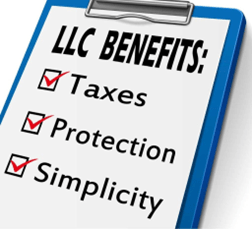
Benefits of an LLC
You may ask why an LLC makes sense for coaching businesses. The short answer is that it provides a balanced blend of liability protection, tax benefits, and operational flexibility that is particularly advantageous for coaching businesses, solo or in partnerships. Below is the long answer broken down into a list.
- Liability Protection
As a coach, client interactions expose you to potential lawsuits. If a client is dissatisfied with your services or suffers losses they attribute to your advice, they could sue. An LLC shields your assets, ensuring that only business assets are at risk in legal actions. This protection allows you to operate confidently without being exposed to grave financial losses.
- Tax Benefits
LLCs offer pass-through taxation, meaning the business is not taxed on profits. Instead, profits and losses are reported on the owners’ tax returns, avoiding the double taxation that C Corporations face. This flexibility can result in significant tax savings, especially for coaching businesses with varying income levels.
- Credibility and Professionalism
An LLC enhances your business’s credibility with clients and other companies. It signals to clients that you are a legitimate, professional entity committed to providing quality services.
This can attract higher-paying clients and more substantial business opportunities, essential for growth and sustainability.
- Operational Flexibility
LLCs have fewer regulatory requirements and administrative burdens than corporations. There are no mandatory board meetings or extensive record-keeping obligations, making it easier to manage your coaching business daily. This operational ease allows you to focus more on providing valuable coaching services rather than getting bogged down by paperwork.
- Growth Potential
An LLC makes adding new members or investors easier. If you plan to expand your coaching business by bringing in additional coaches or opening new branches, the LLC structure provides flexibility without complicated legal restructuring.
By forming an LLC, coaching business owners can protect their assets, enjoy tax benefits, enhance their professional credibility, and manage their operations more efficiently. This combination of benefits makes the LLC an ideal structure for many coaching businesses, supporting current operations and future growth.
When an LLC Might Be Right for Your Business?
Starting an LLC for your coaching business can provide certain benefits like liability protection, growth potential, and tax flexibility. Understanding these aspects will help you decide if it’s the right choice for you.
- If You Have Liability Exposure
As a coach, protecting yourself from personal liability is crucial. Forming an LLC can shield your personal assets from business-related legal claims.
For example, if you’re involved in handling sensitive information or offering advice that could lead to conflicts, an LLC will separate your personal and business responsibilities.
This separation means that in case of legal issues, only your business assets are at risk, not personal ones like your home or car. Taking steps to limit liability can give you peace of mind as you grow your business.
- If You’re Ready for Growth
An LLC can be ideal if you’re planning to expand your business. Having an LLC adds credibility and shows clients and partners that you are serious and professional.
As your business grows, you’ll likely face more complex agreements and higher revenue streams. An LLC structure offers flexibility in terms of management and ownership.
You can have more than one member or partner, which can help in getting more resources. This setup is beneficial when you’re considering expansion or collaboration.
- If You Want Tax Flexibility
One of the advantages of an LLC is the ability to choose how you are taxed. By default, LLCs are typically taxed as sole proprietorships or partnerships, meaning the income passes through to individual tax returns.
If appropriate for your income level, you might consider electing S Corp status, which may offer advantages like saving on self-employment taxes.
This added flexibility in choosing your tax status can align better with your financial goals. Consulting a tax professional is recommended to explore the best option for your situation.
Importance of Choosing the Right Business Entity
Becoming a life coach is exciting and empowering but involves various legal and financial considerations. One of the most important decisions you must make as a new life coach is determining the right business entity.
A business entity refers to the legal structure through which a business follows, and it can have significant implications on taxation, liability, and overall growth potential.
You can choose from several business entities, including sole proprietorships, partnerships, LLCs, and corporations.
The entity you decide upon affects everything from how much control you have over your business operations to how much personal liability you may face in case of legal issues.
Therefore, you must carefully consider and understand each type of entity’s specific characteristics before making your decision.
For instance, sole proprietorships are easy and inexpensive to set up; however, they offer no separation between personal and business assets. If your life coaching practice faces lawsuits or debts, your assets could be at risk.
Partnerships are similar to sole proprietorships but involve two or more individuals sharing ownership and responsibility for the company, putting you and your partner at the same risk.
On the other hand, forming an LLC offers limited liability protection for its owners while allowing them flexibility in managing their company’s operations.
This means that if someone sues your LLC or has any outstanding debts or obligations about the company, only its assets would be at risk rather than yours.
Similarly, corporations offer limited liability protection like LLCs; however, they come with more complex tax filing requirements and may not be suitable for small businesses such as a life coaching practice.
Factors to Consider When Deciding on the Business Entity
Choosing the right business entity will have long-term implications on your personal liability, tax obligations, and overall management of your coaching business.
Therefore, it is crucial to carefully consider all factors before deciding on the best business entity for your coaching business.
- Personal Liability Protection
One key reason for forming an LLC or corporation is to protect personal assets from potential lawsuits or debts incurred by the business. As a coach, you may provide advice and guidance that can potentially lead to legal claims against you.
By forming an LLC or corporation, you are separating your personal assets from those of the company, thereby limiting your personal liability.
- Tax Implications
Another factor to consider when choosing a business entity for your coaching practice is the tax implications. Sole proprietorships and general partnerships are taxed as individual income, while LLCs and corporations have their own separate tax structures.
It is advisable to consult with a tax professional to determine which type of entity would be most beneficial for your specific situation.
- Management Structure
The management structure of each type of business entity differs significantly. Owners have full control over the day-to-day operations and decision-making processes of sole proprietorships and partnerships.
However, specific roles in an LLC or corporation, such as members/owners and managers/officers, oversee different aspects of the business.
- Start-up Costs and Ongoing Fees
When starting a new coaching business, it is essential to consider the start-up costs and ongoing fees associated with each entity type. Sole proprietorships do not require formal filing or registration fees.
While LLCs and corporations require minimal registration fees, the annual filing fees and costs are much lesser for LLCs than for corporations.
- Future Plans and Growth
When deciding on a business entity, it is crucial to consider the best option to grow your coaching business. LLCs and corporations are seen as more established and credible entities, potentially attracting clients and investors.
Sole proprietorships may limit your ability to scale the business in the future. In contrast, LLCs and corporations offer more flexibility in onboarding investors or partners.
Business Structures for Your Life Coaching Business
While an LLC can be a great option for your life coaching business, it is not the only business structure available. Let’s explore other common business structures to help you make an informed decision depending on your needs and goals.
- Sole Proprietorship
This is the simplest and most common form of business ownership. As a sole proprietor, you are essentially the business – there is no legal separation between you as an individual and your coaching services.
This means that all profits and losses belong to you personally, and any liabilities or lawsuits against the business can also affect your personal assets. While this structure offers easy setup and minimal paperwork, it does not provide limited liability protection.
Sole proprietorship business structures give you complete control over how you run your business. You can make decisions quickly without having to consult with partners or shareholders.
This can benefit an ever-changing industry like life coaching, where adaptability is key. This structure may be suitable for those just starting out in their life coaching career or with low-risk businesses.
- Partnership
A partnership may be worth considering if you are starting a life coaching business with another person. One of the main advantages of partnership is the shared responsibility and financial benefits.
With two or more individuals contributing capital and resources, securing funding for your business may be easier than starting as a sole proprietorship. This can also provide a sense of security, knowing that there are multiple sources of income for the business.
Like a sole proprietorship, there is no legal separation between the partners, and their personal assets could be at risk in case of any liabilities or lawsuits against the business.
Partnerships also require extensive agreements and contracts outlining each partner’s responsibilities and rights.
- Corporation
A corporation is considered separate from its owners (shareholders), meaning their personal assets are not at risk in case of business debts or lawsuits. Corporations can choose between tax structures such as Subchapter S (S-Corp) or C Corporation (C-Corp).
In addition to liability and tax flexibility, incorporating adds credibility to your business.
Many clients may feel more comfortable working with a company than individuals when seeking life coaching services.
However, setting up a corporation involves more complex procedures such as choosing directors, issuing stocks, holding meetings, etc., making it more expensive than other options.
- S-Corporation
C-Corporations are subject to double taxation, where corporate profits and dividends issued to shareholders are taxed separately.
On the other hand, S-Corporations offer pass-through taxation, meaning profits or losses flow directly through to shareholders’ personal tax returns without being taxed twice.
Therefore, it combines features of corporations and partnerships/sole proprietorships. So, owners (shareholders) enjoy limited personal liability while being taxed as individuals rather than at the corporate level.
However, certain eligibility requirements exist for an S corporation, such as having fewer than 100 shareholders and only one class of stock.
How Does an LLC Differ from Other Business Entities?
An LLC can be owned by non-US residents as members or other business entities such as corporations or partnerships. One of the main differences between an LLC and other business entities is that an LLC has a separate legal existence from its owners.
This means the LLC can enter into contracts, own property, and conduct business in its name.
Another key difference between an LLC and other entities is how they are taxed. Unlike corporations where profits are taxed twice – once at the corporate level and again when dividends are distributed to shareholders – an LLC allows pass-through taxation.
This means that profits from the LLC go directly to its members’ personal tax returns without being subject to corporate taxes.
An LLC offers more flexibility than a corporation with strict rules regarding management structure and decision-making processes. The owners can choose how they want to run their company, whether through equal ownership among all members or designating certain members with more control over day-to-day operations.
Additionally, forming an LLC requires less paperwork and formalities than incorporating a company. There’s no need for annual meetings or complex record-keeping requirements, which can save time and money for small businesses.
However, it’s essential to carefully consider your business’s specific needs and consult with a legal or financial advisor before deciding on the best entity for your life coaching business.
Remember that you can always change your business structure as your company grows and evolves.
5 Steps to Form an LLC for Your Life Coaching Business
While having an LLC for your life coaching business is not legally required, it can offer many advantages and perks.
Forming an LLC can be a relatively simple process with many benefits. This guide should help you understand the steps needed to start on the right track.
Step 1: Choose Your State
The first step in forming an LLC is choosing the state where you want to register your business. Most entrepreneurs choose their home state, as it can simplify the process and reduce fees.
However, if you plan on conducting business in multiple states or seek specific legal protections or tax benefits, choose a state with lower formation fees and tax savings benefits.
Step 2: Choose a Name
Once you have chosen your state, you must select a name for your LLC.
This should be unique and not already used by another registered entity in the state. In some states, you must also ensure that the name includes “LLC” at the end while abstaining from using some banned words.
Step 3: File Articles of Organization
Next, you must file Articles of Organization with your chosen state’s Secretary of State office.
These simple forms provide basic information about your LLC, including its name, address, purpose, and management structure. Most states allow these forms to be filed online.
Step 4: Draft an Operating Agreement
Although not mandatory in all states, an operating agreement is highly recommended.
It outlines details about ownership rights and responsibilities within the company and can protect against future conflicts between members.
Step 5: Obtain an EIN
An Employer Identification Number (EIN) is a unique number assigned by the IRS to identify your business for legal and financial purposes.
An EIN is also required to open a business bank account for your LLC. This will also make it easier to keep your personal and business assets separate for accounting and tax purposes.
Potential Drawbacks of Forming an LLC
While forming an LLC can benefit your life coaching business, it also comes with a few challenges.
While the advantages far outweigh the drawbacks, learning about them from the start will help you prepare ahead and mitigate them more effectively.
- Ongoing Maintenance
Along with initial setup costs, ongoing maintenance expenses are associated with maintaining an LLC. This includes yearly state filings and potential fees for amendments or changes to the company structure. These costs can add up over time and should be factored into your budget when considering forming an LLC.
- Formality Requirements
An LLC must meet certain formalities to maintain its liability protection status as a separate legal entity from its owners.
These include keeping proper records of meetings and resolutions, adhering to state regulations regarding annual reports and taxes, and separating personal and business finances.
- Limited Growth Potential
Depending on your business goals, an LLC may not offer as much growth potential as other business structures, such as corporations or partnerships.
For example, if you plan on raising investments for your life coaching business from investors, you can make them full-time members of your LLC.
Ready to Set up an LLC Your Life Coaching Business?
The LLC formation process is as simple as a sole proprietorship, yet you can access the liability and tax benefits that corporations enjoy.
Additionally, you don’t need a team when you have MKS Master Key System Coaching in your corner to provide the tools you need to start, manage, and grow your company.
Get started with MKS Master Key System Coaching formation services to set up an LLC for your life coaching business in no time and with minimal effort.
Common Misconceptions About LLCs
While many misconceptions surround LLCs, you should not dismiss them as the top choice for your life coaching business.
In this section, we will debunk some of the most common misconceptions and provide accurate information to help you decide whether an LLC is necessary.
- LLCs are Only for Large Businesses
This is simply not true. While many large companies choose to structure themselves as LLCs, this type of business entity can also be an excellent fit for small businesses, including life coaching practices.
LLCs offer several advantages to small business owners, such as flexibility in management and taxes, limited liability protection, and ease of formation. These benefits can be as valuable to a life coach with a solo practice as to a large corporation.
- An LLC Provides Complete Protection from Lawsuits
While forming an LLC does offer some level of protection against personal liability for business debts and lawsuits, it’s important to note that this protection isn’t absolute.
If a life coach engages in fraudulent or negligent behavior, they may still be personally liable regardless of their business structure.
Additionally, if a client sues the life coach directly rather than the LLC (for example, if no contract was signed between the two parties), the coach may still be personally responsible for any damages awarded.
- An LLC Requires Expensive Legal Fees and Complex Paperwork
Another misconception about forming an LLC is that it involves costly legal fees and complicated paperwork.
While consulting with a lawyer when making important decisions regarding your business structure is always recommended, creating an LLC can be relatively inexpensive legal assistance.
In fact, many online formations service providers can guide you through forming an LLC at a fraction of the cost of hiring a lawyer. Additionally, many states have simplified the paperwork required to create an LLC, making it a relatively straightforward process.
- An LLC Is Only Necessary if You Have Employees
Some life coaches may believe an LLC is only required if employees work for them.
However, this is not the case. Even if you are a solo practitioner with no employees, forming an LLC can benefit independent contractors or freelancers who want to protect their personal assets from potential business liabilities.
Success Tips and Tax Strategies to Succeed After Setting Up Your LLC
Registering your coaching business is just one milestone in your business’s success trajectory. Here are four practical tips for reaching your next milestone and the next one.
- Detach Personal and Business Finances
Once your coaching business runs, you will want to detach your bank accounts. This simplifies accounting and will help you compute your tax liabilities. With MKS Master Key System Coaching by your side, you can get everything you need to run a US business with just a few clicks.
- Accurate Financial Records
Your balance sheet at the end of every tax year will be only as strong as your bookkeeping. Managing and maintaining financial records is a vital foundation of every successful business. We at MKS Master Key System Coaching offer comprehensive bookkeeping services, enabling you to focus on your business while managing your books.
- Regular Financial Reviews
Conduct regular financial reviews to monitor your business’s economic health. This practice helps identify potential issues early and allows for timely adjustments to your business strategy.
- Tax Strategies
Consider the tax advantages of your LLC structure. Depending on the state, nature of your business, and other factors, you can pay a huge chunk of your earnings as taxes.
That is why we offer holistic tax management services that enable you to minimize tax liabilities while maximizing profits.

15 Tips for Building Your Million Dollar Coaching Business
Ready to accelerate business growth? Implement the following strategies to bring in new clients, enhance client outcomes, and improve retention rates.
- Offer Free Consultations or Discovery Calls
Free consultations or discovery calls are a great way to get new clients in the door. Consider offering a 15-minute free consultation or sample session to give potential customers a taste of your coaching style and offerings.
- Create and Optimize a Professional Website
Your website is where many potential customers will get the first impression of your coaching offerings. The interface should be clear, simple, and intuitive. Build branding to resonate with your target audience and coaching style.
- Use Social Media Platforms
Social media platforms offer opportunities to share key coaching information and insights while building subject authority. Post regularly, use SEO best practices, and offer value to customers so they want to see what you produce.
- Collaborate With Other Professionals in Related Fields
Professional collaboration and support can expand your audience and reach. For example, if you focus on business coaching, you might collaborate with a life coach on mindsets to succeed in business and life or use tools that can apply to various parts of professional life. Don’t be afraid to work with other coaches who can help you grow your audience while you also help them.
- Offer Online Courses or Webinars
Online courses and webinars can become an additional income stream while also giving you options to expand your audience. Consider various formats, from free, short webinars to short courses, live courses, asynchronous courses, and live group courses.
- Utilize Email Marketing
The old saying, “out of sight, out of mind” holds true. Email marketing can be a great way to educate your audience and stay in touch. Send weekly or monthly emails with updates, tips, and other information based on the season, current news, or relevant situations related to your coaching expertise.
- Attend Networking Events and Conferences.
Networking events and conferences offer the opportunity to collaborate and learn from other coaches, present ideas, and locate possible collaborations. Be open to new perspectives, additional techniques, and bundled offerings that you could add to your coaching business.
- Develop a Strong Personal Brand
A strong personal brand is essential. Focus on the niche market and deeply understand your ideal customer. A coaching business alone won’t stand out. Highlight your unique value proposition, what you can offer clients, and how to help with their pain points. You’ll want to highlight this across the business website, social media platforms, and email marketing.
- Use Paid Advertising Channels
Paid advertising on Facebook, Google, Instagram, or wherever your ideal customer spends time can be a powerful way to accelerate growth. Work with an experienced marketer and test the performance of various ads to optimize revenue and ROI.
- Collaborate With Influencers or Industry Leaders
Influencers are one of the biggest growing marketing powerhouses today. While major influencers with millions of followers can be costly, you can work with micro-influencers with excellent results. Carefully research whose voice resonates with your message and the influencers whose audience most closely matches your target audience.
- Offer a Variety of Payment Options
Sometimes, the barrier to entry for coaching is payment terms. In addition to accepting cash, credit cards, or checks, consider other digital payment plans. You can also consider a coaching subscription service or payment plan over time to improve accessibility.
- Utilize Video Marketing
You can also advertise on YouTube or create a YouTube channel with free educational resources that can reach a broader audience. You can also speak on podcasts with a video component to reach new audiences and showcase coaching offerings.
- Engage in Public Speaking Opportunities
Public speaking opportunities are a powerful resource to build your brand. From speaking at local business conventions to podcasts to national or international conferences, public speaking can help you reach new audiences. To maximize opportunities, explain your approach, highlight the unique value you offer, and get specific about how you can help the audience with their current problems.
- Implement a Referral Program
A referral program can incentivize existing coaching clients to refer new clients while building loyalty. For your referral program, you’ll want to:
- Set goals and key performance indicators (KPIs) to gauge referral effectiveness.
- Decide on referral program rewards or incentives.
- Create a landing page and customer referral system, codes, or links.
- If necessary, set up the backend programming or software for referral tracking.
- As a simple system, you could give clients a percentage off their next coaching session for each client they refer.
- Promote the customer referral program on your website through email and social media.
- Continuously Invest in Your Professional Development
The best coaches understand that there’s always more to learn. Invest in learning new techniques within your coaching expertise and beyond. New skills, techniques, and marketing strategies can all pay strong dividends in long-term business growth.
Final Thought: Consider Your Unique Business Needs
When thinking about forming an LLC for your coaching business, it’s important to reflect on your goals. Everyone’s business is different, even if they offer similar services. Your needs may not be the same as someone else’s, so it’s key to weigh your own circumstances.
Ask yourself:
- What is the scale of your business?
- How much risk are you willing to take on?
- Do you have personal assets you want to protect?
Think about the legal protection an LLC offers. It separates your personal assets from your business ones. This can be crucial if you face legal issues related to your coaching services.
Consider your long-term plans as well. If you aim to grow your business significantly, an LLC can provide a solid foundation.
Don’t forget about costs. Setting up an LLC involves fees, so it’s good to be aware of your budget. Checking with your state’s requirements can help you understand what setting up an LLC will cost you.
It’s smart to chat with a legal or financial advisor. They can give advice tailored to your situation, making sure you choose what’s best for your business’s future.
Ready For More Profit, Less Time Commitment & More Freedom?
We Qualified to Work with You to Build Your Million Dollar LLC Coaching Business
Contact us and we’ll show you exactly How to Jump Start Your Coaching Business and Accomplish Results. We’ve found millions of dollars in additional profits for our clients. If you are a local service-based startup or business with 3-50 team members, let’s see how we can help you.
We’ll Help You Get Results with Common Sense-No BS-High Performance Executive-Business-Financial-Systems for Developing Your Life, Building Your Net Worth or Turning Your Vision into Reality.
HOW WE HELP YOU FREE
- Budgeting and Financial
- Finding and Retaining Employees
- How to close more sales
- Keys to Business Success
- Marketing Your Business
- Recession Proof Your Business
- Results and Case Studies
- Testimonials
- Time Management Strategies
- Trending Business Growth and Optimization
If our business insights interest you, subscribe to our newsletter.

Reitenbach-Kissinger Institute
Sydney Reitenbach or Michael Kissinger
Text Michael 650-515-7545 Today
Email: mjkkissinger@yahoo.com
WEB: MKS Master Key mksmasterkeycoaching.com
Linked In: https://lnkd.in/gFPY5uT
See: https://lnkd.in/g-CiTSpC
[TESTIMONIALS] – Are You Looking for Solutions that Turn Your …
CHECK LIST FOR SETTING UP LLC
Articles of organization, the document needed to officially register your LLC with the state.
Name check service, to confirm that your preferred business name is available.
Accountant consult to discuss tax savings services
An operating agreement, which helps you set entity guidelines and settle disputes.
An EIN, which is used to file taxes, open bank accounts, and build your staff.
Bookkeeping tools to track expenses, send invoices, and save on taxes—1 year subscription recommended
Unlimited eSignatures to send and sign agreements online—1 year recommended.
Customizable website, to establish your professional online presence
Hands-on guidance from an experienced business attorney that you choose based on state, years of experience, and rating-recommended.
Attorney consultations about new legal topics related to your business-recommended
Any changes to your LLC formation document within the first 30 days-recommended

 REACH YOUR PEAK PERFORMANCE TODAY with the World's #1 Consulting Firm. The Reitenbach-Kissinger Institute and the MKS Master Key Consulting-Law-Engineering Systems. You are committed to achieving your goals. Do not compete without proven consultants. FREE 30-Minute Win the Game of Life or Business Consulting Session Call: 650-515-7545