Can Your Military Service Make You a Millionaire While Your Serving in the Military?

Turn Your Military Career Into 7 Figures. Retire from Your Military Career Financially Free

Becoming a Military Millionaire Is Simple! Follow These Steps and You’ll Be on the Road to Become a Military Millionaire!

Enjoy the Freedoms you Fought For! Follow These Ways and You’ll Be on the Road to Become a Military Millionaire!

There are many legal ways to become a millionaire while serving in the military. Through careful financial planning, taking advantage of benefits such as the GI Bill for education, and potentially obtaining high-ranking positions, it is possible to become a millionaire while or for serving in the military.

1. Avoid expense creep

2. Pay yourself first

3. Increase your income

4. Invest in yourself

5. Make Taxes through Deductions: (40% of your income is taxed in the military)

6. Make your money work for you

a. Thrift Savings Plan

b. Index Funds

c. Rental Properties

7. Marry Intelligently

8. Network with another military millionaire

9. Avoid these Pitfalls on the Road to Becoming a Military Millionaire!

1. New Cars

2. Tattoos/Alcohol

3. Wasting time

15 Reasons You Can Become a Millionaire While Serving in the Military Include

1. Very very few expenses.

You don’t make a lot, but you should be able to easily save and invest over half of your pay check.

2. High-paying military careers

Some high-paying military careers can make you rich (pilots, special operations forces, and certain technical or medical specialties).

3. Education benefits can help military members become millionaires

Education benefits, such as the GI Bill, can provide military members with access to affordable education and training, leading to higher-paying civilian careers.

4. There are investment opportunities for military members.

Military members have access to retirement savings plans and investment opportunities that can help build wealth over time.

5. Military service can lead to civilian job opportunities that can make you a millionaire

Military service can provide valuable skills and experience that are highly sought after by civilian employers, potentially leading to lucrative career opportunities.

6. Financial resources available to military members

Military members have access to resources such as financial counseling, loan programs, and special insurance options.

7. Military members can take advantage of real estate opportunities

Some military members can invest in real estate while stationed in different locations, taking advantage of potential property value appreciation.

8. Military members can start successful businesses and become millionaires

Military members with an entrepreneurial spirit can start businesses, leveraging their skills and experience to achieve financial success.

9. Job benefits can lead to financial success in the military

Job benefits such as housing allowances, healthcare coverage, and retirement plans can contribute to long-term financial stability.

10. Military discipline and training can contribute to financial success

The discipline and leadership skills taught in the military can be valuable in managing personal finances and pursuing financial goals.

11. There are opportunities for military members to earn bonuses and incentives

Some military specialties offer bonuses and incentives for re-enlistment or specialized training, providing opportunities for financial advancement.

12. Military service can impact personal financial management skills

Military training and experiences can positively impact personal financial management skills, leading to greater financial success.

13. There specific financial tips for military members to become millionaires.

Tips for military members include maximizing savings, taking advantage of military benefits, and investing wisely for the future.

14. Military members can access financial planning resources

Military members have access to financial planning resources and services to help them make informed decisions about their financial future.

15. Military members can set financial goals, utilizing educational benefits, investing in retirement savings plans, and seeking out career advancement opportunities.

17 Side Hustles For Active Duty Military to Make Extra Income

1. Write an “app” that takes off.

2. Write a best seller in your spare time

3. Start a Military Blog

4. Start a YouTube Channel

5. Become an Online Fitness Instructor

6. Open an Online Store

7. Sell Digital Products Online

8. Create and Sell An Online Course

9. Write an Ebook

10. Start a Retail Arbitrage Business

11. Become a Writer/Editor

12. Become a Video/Podcast Editor

13. Offer Pet Sitting Services 

14. Offer Graphic Design Services

15. Become a Remote Travel Agent

16. Join Survey Sites 

17. Join MKS Master Key Financial Freedom Coaching Team.

Of course, as an active duty military service member, it’s important for you to consider the effect your side hustle may have on your service. You need to avoid side hustles that may conflict with your obligations to the military, or violate any laws or regulations.

With that said, we’ve researched some of the best side hustles that are ideal for active duty military. 

Read the rest of this blog to learn how you can go from deployment to entrepreneurship to millionaire so you can start supplementing your income right now and build wealth in the future.

The Financial Freedom Project Helps You Become Wealthy

This is intended for US Military Members looking to take control of their finances and get on the road to becoming a millionaire

The Financial Freedom Project is a super-exclusive program that will help you take your business to the first million in revenue. In this 6-12 month program, we will share for the first time ever, everything we did to hit that milestone in such a short time.

Most people don’t become financially independent because they never get to learn the inner game of money. The schooling system across the world never included the financial education in their curriculum. The millionaire project is a humble attempt to spread the knowledge on money and achieving financial freedom.

Through these five courses, you will cover a variety of personal finance topics, including budgets, investing, and managing risk. The readings, videos, and activities will prepare you to understand the current state of your money, as well as take actions to work toward your financial goals. This specialization is geared towards learners in the United States of America.

In each course, learners will get to apply the skills they are reading and hearing about through activity worksheets that allow them to apply the personal finance concepts towards their own money situation – including a budget, financial goals, and strategy. Read more

1. Introduction to Personal Finance

There are 4 modules in this course

This course is a general overview of a variety of personal finance topics – including budgeting, the importance of your credit score, cash flow, setting financial goals, and taxes. Taught by two CERTIFIED FINANCIAL PLANNER™ Professionals, the concepts are broken down through videos, readings, and activities so you can apply what you are learning in real time. The course provides the foundation to build on for the rest of The Fundamentals of Personal Finance Specialization or as a standalone survey course to improve your understanding of basic personal finance terminology, as well as how they apply to your own financial situation.

Whether you are just starting college, nearing retirement, or somewhere in between, this course will provide you with the knowledge to understand your money and actionable steps to manage your finances in the future. This course is geared towards learners in the United States of America.

  • Introduction to Personal Finance
  • Saving Money for the Future
  • Managing Debt
  • Fundamentals of Investing

Whether you are just starting college, nearing retirement, or somewhere in between, this course will provide you with the knowledge to understand your money and actionable steps to manage your finances in the future. This course is geared towards learners in the United States of America.

2. Saving Money for the Future

There are 4 modules in this course

This course is designed for anyone who currently has, or will have in the future have, savings goals. Learners will come to understand the importance of compounding growth, the variables that impact setting goals like retirement savings, and how much money you need to save now to reach future goals. The course will help learners think through individual goals, like retirement, but also how those goals fit into your bigger financial picture. For example, saving for retirement, buying a home, and funding college for your kids all at the same time. The instructors will also cover how preparing for emergencies can prevent the derailment of those financial goals.

The concepts covered in this course are broad but through the activities offered, learners will see how to apply what they are learning about saving money for the future to their lives now. This course is geared towards learners in the United States of America.

  • Introduction to Personal Finance
  • Saving Money for the Future
  • Managing Debt
  • Fundamentals of Investing

3. Managing Debt

There are 4 modules in this course

This course is aimed at anyone who has debt, is thinking of taking on debt, or wants to better understand debt as part of your overall financial picture. It covers a variety of debt types, as well as debt payment options. The course will help you assess your current debt situation and understand the paths to paying off your debt. This includes categories such as mortgages, credit card debt, and student loans. Learn how to differentiate between good and bad debt, as well as how to think about debt as you work towards your financial goals. This course is geared towards learners in the United States of America.

  • Understanding the Basics of Debt and Home Loans
  • Addressing Student Loan Debt
  • Managing Credit Cards and other Debt
  • Paying Down Debt Strategically

4. Fundamentals of Investing

There are 4 modules in this course

This is primarily aimed at novice investors who want to better understand the concept of investing and how it can fit into their overall financial plan. This course will cover different investment vehicles, risk tolerance, diversification, and the difference between active and passive investing, as well as investment fees and taxes.

Whether you are just getting started investing or want to play a more active role in your investment decisions, this course can provide you the knowledge to feel comfortable in the investing decisions you make for yourself and your family. This course is geared towards learners in the United States of America.

  • Understanding the Different Types of Investment
  • Balancing Risk and Return
  • Developing an Investment Strategy
  • Understanding Taxes and Fees

5. Risk Management in Personal Finance

There are 4 modules in this course

This course is primarily aimed at those who want to understand more about how they can protect their finances from unexpected events. This course covers the role insurance plays into your financial plan, including what kinds of insurance to explore, how to determine how much insurance you need, and how different kinds of insurance works. The course includes life insurance, health insurance, disability insurance, homeowners insurance, renters insurance, auto insurance, and umbrella insurance. You will also learn about estate planning, including the documents involved and special considerations for new parents.

This course helps you understand how protecting your money is an important part of financial planning. It is geared towards learners in the United States of America. It is part of The Fundamentals of Personal Finance specialization but can be taken as a standalone course as well.

  • Understanding Basic Insurance Concepts
  • Protecting Against Death and Disability
  • Insuring Your Home Apartment or Car
  • Implementing Estate Documentation

These are Some of the Important Money Lessons that School Failed to Teach Us to Become Wealthy

By understanding the true nature of money, investing wisely, leveraging debt, avoiding social pressure, optimizing tax strategies, and focusing on production, we can break out of the conventional system and achieve financial security. It’s crucial to educate ourselves and take control of our financial future.

If you want to learn how to make smart financial decisions, save more and eliminate debt, you’re in luck. Today there are plenty of free online personal finance classes to sharpen your money-management skills.

Keep in mind that online personal finance courses should be seen as an education resource and not specific personal financial advice “The information learned from taking a MKS Master Key Personal Finance Course should be applied within the context of your own financial situation, rather than following everything that is taught 100% to a T.

Too often, people read or hear something from a personal finance expert or a course that they are compelled to act on. Some things that you learn about in a personal finance course may not be applicable to you or may not be appropriate to implement in your own life.

MKS Master Key Personal Finance Course lessons can not only help you boost your money-management skills but may also inspire you to reflect on saving and spending patterns and help you build a strong foundation for success.

MKS Master Key Personal Finance Course lessons also drill down into topics including Roth IRAs, 401(k)s, stocks, bonds, certificates of deposit and strategies for eliminating credit card debt. In a nutshell, it can never hurt to try and be better informed about how you spend money.

Got $400 a Month? Here’s How to Turn It Into a $3 Million Nest Egg

if you sock away $400 a month over a 43-year period, and your invested savings generate an average annual 10.5% return, then you’ll end up with $3.3 million. And that should be enough money to enjoy your military retirement to the fullest.

From 1957 through 2021, the S&P 500 index graced investors with an average annual return of 10.5%.

If you don’t manage to start saving for retirement until age 30, and you can’t swing more than $400 a month in your IRA or 401(k), then you may need to work until your early 70s to hit that $3 million target.

Review US Military Pay Sale to Find Your $400 Monthly Base: https://militarypay.com/Charts/2024%20Military%20Pay%20Chart.pdf

How can an 18 year old, brand new in the military and on a low income ever hope to become a millionaire?

IT IS EASY! Put $400.00 per month into the ROTH TSP and Become a Millionaire under the Law of Compound Interest.

Get together with someone who is TSP savvy and ask them where you should put your money and then leave it. Put the money in and forget about it until you get out of the military.

If you (at age 18) do this for 4 years, then you will be a millionaire by the time you retire at 65. You may have many millions of dollars depending on what mutual funds you choose.

 How does this work? How does $400.00 per month make me a millionaire: The math is simple:

Year 1: You put in $4,800. You have 47 years until retirement. If you invest your money and receive a 10% annual rate of return, your $4,800 will turn into $423,000 at age 65.

Year 2: You put in an additional $4,800. You have 46 years until retirement. If you invest your money and receive a 10% annual rate of return, your $4,800 will turn into $384,000 at age 65.

Year 3: You put in an additional $4,800. You have 45 years until retirement. If you invest your money and receive a 10% annual rate of return, your $4,800 will turn into $350,000 at age 65.

Year 4: You put in a final $4,800. You have 44 years until retirement. If you invest your money and receive a 10% annual rate of return, your $4,800 will turn into $318,000 at age 65.

If you add up the retirement values of your investments, you come up with $1,475,000.

The most significant factors working against your millionaire status are debt and time. Becoming millionaire is possible, no matter your situation, so long as you can keep these two factors on your side. If you can avoid consumer debt and start investing every month when you’re in your 20s or 30s, you can be millionaire by the time you retire. …

Retire from Your Military Career
Financially Free

Contact and Join MKS Master Key Personal Finance Coaching to Become Wealthy.

Do you want to learn how to build wealth and achieve great success by the time you leave the service?


Sometimes you just need someone to break it down and show you step-by-step how to do it.
 We offer programs at various levels ranging from free / get started bootcamps to hands-on / step-by-step programs that have changes lives.

You’ll learn how you use your military benefits to build wealth through real estate investing, entrepreneurship, and personal finance…so you never have to work a day in your post-military life.

We’ll help you eliminate some of the Biggest Financial Mistakes Young Adults Make and how to manage your money better while utilizing and practicing your other skills so You Achieve Financial Freedom and Success.

Military Service Members And Veterans Only

Our Mission:

Our Mission is to help service members, veterans, and their families learn how to build wealth through entrepreneurship,  small business, real estate investing, entrepreneurship, and personal finance!

If you’re considering joining the military, or already serve, and want to make the most out of your career while building passive income for after your service ends, this is for you.

We’ll help you FREE eliminate some of the Biggest Financial Mistakes Military Members Make and help you to manage your money better while utilizing and practicing your other skills so You Achieve Financial Freedom and Success.

Live Long and Prosperously,

Reitenbach-Kissinger Institute

Michael Kissinger is Universal Law-Business Results Expert-Offering Proven Business Profit Optimization Results, Cash Flow Maximization, Funding, Marketing, Sales, Management, Leadership Coaching. Helped 10K+ Owners Earn/Save $1 Billion+ and an Honorably Discharged US Army Special Forces Member

Text: 650-515-7545

Email: mjkkissinger@yahoo.com

Any Person Who Does this Becomes RICH Regardless Of Their Current Situation

2. We will Teach you How to be a MILLIONAIRE: https://www.youtube.com/watch?v=5fd4Nvse6Mo&t=30636s

3. They will TEACH you how to be RICH According to the Bible: https://www.youtube.com/watch?v=N_ce6kIr2ks&t=2253s

4. Richest Man In Babylon [50/30/20 Rule]: https://www.youtube.com/watch?v=wglndSWrvsM&t=21s

5. The Four Year Career Plan: https://www.youtube.com/watch?v=Cm0e4uaBezg&list=PLoGByZSY8c87Jg01rwf2MYjCnQlm9XF3a

6. MKS Master Key Challenge: mksmasterkeycoaching.com

7. MKS Master Key Testimonials: https://lnkd.in/gMS7XUg8

8. Master Key Experience: https://masterkeyexperience.com/

Need Failproof Methods to GET RICH and Achieve Your Financial Freedom in 2024?

How Can You Make a Million Before 30 or 40 Years Old? Is it Possible for You to Reach the Million-Dollar Mark by Age 30 or 40 or Even 60?

Yes, it’s possible to reach the million-dollar mark by age 30 or40. The secret of how to become a millionaire begins with understanding which financial habits can help you grow wealth.

Anyone fortunate enough to be born in a western nation today can, in fact, become financially successful. With the right set of beliefs and the right mindset, anyone can climb the ladder to success no matter what their background or circumstances.

We became millionaires (net worth of at least $1 million) before our 30th birthday. We’re just a regular “middle class” peple with a job, kids, and a mortgage, just like the next person.

This message outlines some of the things we can attribute to our financial success and that anyone can incorporate into their own lives and achieve similar results. It will help you develop the beliefs and mindset needed in order to start building wealth beyond what you thought was possible.

One of the most powerful tools you have for saving $1 million by 30 or 40 is time. As you save and invest, your money earns interest.

Stop focusing on trying to become a millionaire by 30 and start focusing on replacing your salary with cash flow,

1. Focus on earning

“You cannot save your way to millionaire status. The first step is to focus on increasing your income in increments and repeating that.

Read about how to bring in additional income, some high-paying jobs you can do on the side, how you can earn passive income, and the first step to take before starting any business.

2. Develop multiple streams of income

One way to earn more is to increase your streams of income.

A five-year study of self-made millionaires, found that many of them develop multiple streams of income: 65% had three streams, 45% had four streams, and 29% had five or more streams. These additional streams include real-estate rentals, stock market investments, and part-ownership in a side business.

3. Save to invest, don’t save to save

The only reason to save money is to invest it. Put your saved money into secured, sacred (untouchable) accounts. Never use these accounts for anything, not even an emergency. This will force you to continue to follow step one (increase income).

The simplest starting point is to contribute to your 401(k) if your employer offers one, and take full advantage of your company’s 401(k) match program — which is essentially free money — if it has one.

Next, consider contributing money toward a Roth IRA or traditional IRA, individual retirement accounts with different contribution limits and tax structures — which one you can use depends on your income.

If you still have money left over, you can research low-cost index funds, which Warren Buffett recommends, and look into the online-investment platforms known as “robo-advisers.”

The key to consistently setting aside money is to make it automatic. That way, you’ll never even see the money you’re contributing and you’ll learn to live without it.

4. Be disciplined and decisive

After studying over 500 millionaires, journalist and author Napoleon Hill found that they all shared one quality: decisiveness. Analysis of several hundred people who had accumulated fortunes well beyond the million dollar mark disclosed the fact that every one of them had the habit of reaching decisions promptly,

Review: Think and Grow Rich.

5. Don’t show off — show up

Don’t buy your first luxury watch or car until your businesses and investments were producing multiple secure flows of income. Be known for your work ethic, not the trinkets that you buy.

6. Change your mindset about money

Getting rich begins with the way you think and what you believe about making money,. The secret has always been the same: thinking. While the masses believe becoming wealthy is out of their control, rich people know that making money is really an inside job.

7. Invest in yourself

Many modern-day successful and wealthy people are voracious readers. Take Warren Buffett, for example, who estimates that 80% of his working day is dedicated to reading. They also focus on healthy.

8. Ditch the steady paycheck

Rich people are typically self-employed and determine the size of their own paycheck. It’s not that there aren’t world-class performers who punch a time clock for a paycheck, but for most this is the slowest path to prosperity, promoted as the safest. The great ones know self-employment is the fastest road to wealth.

While the world-class continue starting businesses and building fortunes, average people settle for steady paychecks and miss out on the opportunity to accumulate great wealth.

The masses almost guarantee themselves a life of financial mediocrity by staying in a job with a modest salary and yearly pay raises.

9. Set goals and visualize achieving them

If you want to make more money, you have to have a clear goal and then a specific plan for how to achieve that goal. Money won’t just appear — you have to work at it.

Rich people choose to commit to attaining wealth. It takes focus, courage, knowledge, and a lot of effort, self-made millionaire.

It’s possible if you have precise goals and a clear vision: The number one reason most people don’t get what they want is that they don’t know what they want. Rich people are totally clear that they want wealth.

10. Start hanging out with people you admire

Andrew Carnegie, who started with nothing before becoming the richest man in the US, credits all of his riches to one principle: the Master Mind Principal.

The idea is to surround yourself with talented people who share your vision, because the alignment of several smart and creative minds is exponentially more powerful than just one.

Plus, we become like the people we associate with, which is why the rich tend to associate with others who are rich.

In most cases, your net worth mirrors the level of your closest friends. Exposure to people who are more successful than you are has the potential to expand your thinking and catapult your income. The reality is, millionaires think differently from the middle class about money, and there’s much to be gained by being in their presence.

11. Shoot for $10 million, not $1 million

The single biggest financial mistake I’ve made was not thinking big enough. We encourage you to go for more than a million. There is no shortage of money on this planet, only a shortage of people thinking big enough.

Because being a millionaire is a big goal a lot of people go for. But many actually don’t want millions. They want millions because they think it will allow them to quit their job and be free. But a million in itself is not enough to quit your job at least not forever anyways.

So if your goal is freedom and specially not working at your job then you need to shift your focus not necessarily to obtaining as much money as possible but instead to obtaining as much income outside of your job as possible.

So what is your goal?

Define it. It isn’t money or maybe it is. If its just money and you want to spend as much as possible and work your job forever and just want to invest for appreciation then go for it.

We doubt that is many people’s goal. Most people want freedom, they want time. So, if that is you, shift your focus to “How can I make more money outside of my job?

And the answer to that lies within entrepreneurship, stock market, rental properties, freelancing and starting businesses.

You can use any combination that your heart desires but just make sure to do two things: educate yourself on the topic and make sure that it aligns with your life skills, goals and plans.

Conclusion:

If you would like to breaks down the most important ways for you to have a million by age 30, 40, or even 60 have us show you and bring them into your life today so you begin generating lifelong financial freedom. Contact us now.

Live Long and Prosperously,

Reitenbach-Kissinger Institute

Sydney Reitenbach and Michael Kissinger

Text: 650-515-7545

Email: mjkkissinger@yahoo.com

REVIEW Some of Our MKS Master Key Coaching Challenge Programs Now:

“Have you ever wondered how your financial choices shape your future? If the dream of financial freedom is part of your goals, these videos are a must-watch. Discover the fundamental strategies to get rich and build a prosperous future.

The first strategy addresses the true utility of money, going beyond material acquisitions.

Understanding that money is a tool to achieve our desires is crucial, but it’s also important to avoid traps like overworking, compromising relationships, and health.

The temporal strategy, the second on the list, emphasizes the importance of controlling time to control finances. Learn to maximize your earnings by understanding that time is a limited resource that must be managed wisely.

The protection strategy, the third, highlights the importance of safeguarding your resources.

Avoid financial adversaries by setting priorities, making conscious choices, creating reserves for emergencies, and seeking financial knowledge.

The strategy of minimal savings, the fourth, challenges the traditional concept of saving. Instead of just depositing money in the bank, learn to invest wisely in assets that offer solid returns. Diversification and knowledge are essential in this process.

The expectation strategy, the fifth on the list, addresses the trap of postponing happiness in pursuit of financial goals. Learn to value what you have and find satisfaction in achievements, closing the expectation gap for true financial fulfillment.

The obligation strategy, the sixth, emphasizes the need to balance acquisitions and financial responsibilities. Avoid being overwhelmed by debts by prioritizing their payment to achieve financial freedom.

The planning strategy, seventh on the list, highlights the importance of having a solid financial plan. Set realistic goals, create budgets, invest wisely, and adjust the plan as needed to achieve financial success.

Finally, the persistence strategy, the eighth and last, reinforces that getting rich is not easy, but persisting in the face of challenges is the path to financial success. Remember, every step towards your goals is a victory.

If you’ve made it this far review all these MKS Master Key Coaching Programs. Congratulations on your persistence!

1. Dollars Want Mehttps://lnkd.in/gFNrDnYZ

2. Work with the Laws to Become Wealthy: https://lnkd.in/g42td9QR

3. How to Become a Millionaire-Earl Shoaff: https://www.youtube.com/watch?v=qxLMWbjoGiM&t=453s

4. 16 Lessons On How To Get What You Want: https://www.youtube.com/watch?v=5yOGPcwZIgI&t=1602s

5. 8 Failproof Methods to GET RICH and Achieve Financial Freedom in 2024: https://www.youtube.com/watch?v=07WYSKn6WBA

5. The 10 Pillars of Wealth: https://lnkd.in/gRe3xrfA

6. MKS Master Key Challenge mksmasterkeycoaching.com

7. MKS Master Key Testimonials https://lnkd.in/gMS7XUg8

How Much Debt Do You Want to Eliminate Today?

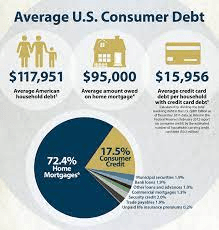
The Average American Has $90,460 in Debt

Borrowing money is often an important part of a long-term financial plan, whether it’s to access education and career opportunities, buy a car for your commute or find a place to call home.

However, debt also involves a little risk and can be expensive.

Not only do you pay interest and fees, borrowing of any kind requires you to make your payments on time in order to keep your account and credit score in good standing.

It’s not uncommon for consumers to make a few common mistakes while learning how credit works and establishing lifelong money habits.

While the average American has $90,460 in debt, this includes all types of consumer debt products, from credit cards to personal loans, mortgages and student debt.

The Average Debt Balances by Age Group


Gen Z (ages 18 to 23): $9,593

Millennials (ages 24 to 39): $78,396

Gen X (ages 40 to 55): $135,841

Baby boomers (ages 56 to 74): $96,984

Silent generation (ages 75 and above): $40,925

Millennials have seen the largest increase in debt in the last five years: They carried an average of $78,396 in total debt — an increase of 58% in five years.

The youngest consumers, Gen Z, have the lowest overall debt balance on average, but they struggle the most to make payments.

About 12.24% of Gen Z’s credit card accounts were 30 days or more past due in 2019.

Gen X has the highest average debt balance in all categories, except for personal loans.

The Debt Breakdown

Credit cards: Gen X have the highest credit card balance compared to other age groups, at $8,215.

Auto loans: Gen X have the highest auto loan balance, at $21,570.

Mortgage loans: Gen X have the highest average mortgage balance, at $238,344. Millennials were a close second, at $224,500.

Personal loans: On average, baby boomers have the highest personal loan balance of $19,253 (compared to the lowest, Gen Z, at $4,526).

Student loans: Gen X have the highest amount of student loan debt, an average of $39,981.

HELOC: Home equity lines of credit (HELOCs) averaged highest for Gen X, at $49,221.

Average Debt of Most Consumers, Professionals and Small Business Owners

The average debt in America is $104,215 across mortgages, auto loans, student loans, and credit cards.

Average debt loads vary among professions: in US dollars, $200,000 for physicians (2019), $183,014 for veterinarians (2019), $40,000–54,999 for graduate level nurses 

For civil engineers, however, the average student loan debt is $24,035 while the average starting salary is $59,892.

About 50% of lawyers surveyed said they owed more than $150,00, and about 25% of lawyers surveyed said they owed $200,000 or more. That doesn’t include debt students took out to pay for undergraduate degrees. The ABA report found that the average debt total after law school graduation — including undergraduate loans — was $164,742.

According to data from Statista, 17 percent of small and midsize businesses have outstanding debt that ranges between $100,000 and $250,000. Businesses can use debt to manage cash flow, supplier payments and payroll. How much business debt is too much to carry?

Will an extra 30k-75k, on top of what you currently earn change your life a little bit? Start now to lay the foundation to a great 2024.


Want the Best Ways to Eliminate Debt, Gain Wealth in 2024, Improve Your Earnings and Credit Scores? Contact and join us in the MKS Master Key Wealth Challenge to Succeed now and we will get it.

Live Long and Prosperously,

Reitenbach-Kissinger
Sydney Kissinger and Michael Kissinger
Text: 650-515-7545
Email: mjkkissinger@yahoo.com

DEBT TO WEALTH COACHING

PS. When reducing your debt you’ll want to consider your earning style, your budget, your risk tolerance, your budget for investing and assess growth.

MKS MASTER KEY COACHING DEBT REDUCTION AND DEBT CONSOLIDATION GUIDE

Financial freedom can feel like an unattainable goal to many, especially when they are trapped in a cycle of never-ending payments. Debt relief through consolidation services is a viable solution that can provide much-needed financial stability.

However, it’s crucial to educate yourself about the ins and outs of debt consolidation before diving in. By conducting research and familiarizing yourself with the process, you can avoid potential pitfalls and obstacles.

In our MKS Master Key Debt Reduction Challenge we will explore with you FREE the key components of debt consolidation services, including APR (Annual Percentage Rates), terms, early payoff penalties, and more to help you make an informed decision about your debt relief options.

Factors to Keep In Mind

If you’re struggling with overwhelming debt, it may be worth considering debt relief options such as debt consolidation or debt settlement.

MKS Master Key Coaching Services can help you to lower your overall debt burden, reduce the interest rates you’re paying, and potentially even negotiate with creditors to forgive a portion of your debt.

However, it’s important to do your research and compare different debt relief providers to ensure that you’re getting the best possible terms and fees.

Remember that debt relief is a serious financial decision, and it’s crucial to choose a reputable provider that will help you achieve your goals without putting you at further risk.

When considering your options for debt relief, it’s important to understand the potential risks and downsides of longer repayment terms.

While lower monthly payments may seem appealing, they can result in higher overall costs and a longer period of time spent in debt.

It’s also important to consider the APR you’ll be paying, as this can have a significant impact on the total amount you’ll owe.

Some debt consolidation services may also have additional fees and costs beyond the APR, such as origination fees or late payment penalties.

Be sure to carefully review all terms and conditions before accepting any offers.

Finally, keep in mind that the approval process for debt relief services can vary widely, so be prepared for potential delays or uncertainties.

Pros

  • One payment instead of many
  • Simplifies debt payments
  • Lower monthly payment

Cons

  • You could pay more interest in the long run
  • Applicants need a good credit score

Bottom Line

Debt relief, including debt consolidation, can be a helpful tool for those struggling with high levels of debt. However, it’s important to approach these options with a clear understanding of your own financial situation and goals.

Consider factors such as your total debt load, your ability to make consistent payments, and the potential impact on your credit score.

Additionally, be sure to research the reputation and track record of any debt relief provider you’re considering, as well as the specific terms and conditions of any offers you receive.

Ultimately, debt relief can be a valuable tool for those looking to regain control of their finances, but it’s important to proceed with caution and make informed decisions every step of the way.

Frequently Asked Questions(FAQ)

How Much Debt Do You Want to Eliminate in 2024?

How much debt do you owe?

$10k – $20k : ____ $20k – $40k : ____ $40k – $100k: ____ Over $100k: ____

Debtor Reduction Confidential Assistance Action Steps:

  1. Take our simple 3-minute assessment; no cost involved
  2. Provide details about your situation and discover your debt free options with no obligation
  3. We pair you with a debt solution partner
  4. Confirm your tailored plan chosen from our product offerings
  5. Enjoy lower monthly payments
  6. Regain financial stability in as little as 24-48 months
  7. It’s free and will not affect your credit score

8. Have You Been paying debt regularly? Paying above the minimums Paying the minimums Not keeping up with the minimums

9. Total of debt owed.

10. Provide a complete list of people or businesses you owe.

How Does Debt Consolidation Work?

Debt consolidation can be a good solution if you have multiple debts and often struggle to manage your finances.

Debt consolidation involves combining multiple debts such as credit cards, bills, or other payments into a single debt, which means making a single monthly payment instead of several ones.

Debt consolidation makes it easier to handle debts and manage your budget as it reduces the number of monthly bills you need to pay.

Moreover, debt consolidation means you won’t have to deal with multiple creditors every month, which can be a daunting and overwhelming process.

Implemented properly, according to the nature of the debts you need to pay and your monthly budget, a debt consolidation program can help you save money as it can lower your overall monthly interest rate. In an ideal situation, debt consolidation enables you to manage to pay off your debts faster.

When you consolidate your debt, you can apply for several consolidation options. After the application is approved, you either receive the money that allows you to pay off your debts, or your debt refinancing service may pay your debts directly.

Since debt consolidation programs help you lower the amount you have to pay each month; the debt resolution period is normally extended.

What Are the Benefits of Debt Consolidation?

Debt consolidation entails different benefits.

First and foremost, it offers borrowers who are struggling to manage their finances while paying off multiple debts the possibility to cope easier with their debts by simplifying their payments.

Instead of worrying about multiple due dates and necessary payments, by accessing a debt consolidation program, you combine all your debts into a single one so that you only make one monthly payment.

Secondly, debt consolidation can lower the amount of money you have to pay each month as it allows you to bundle all your debts into a single payment and repay by making lower monthly payments. However, keep in mind that this will result in extending your debt over a longer period of time.

Another advantage of debt consolidation is the fact that this procedure helps you eliminate the need to deal with multiple creditors each month. After you apply for debt consolidation, your lender provides you the amount you need to tackle all your debts. Afterward, you will only have to pay back the money you owe to the bank or non-bank lender that covered your debts.

By consolidating your debts, you can also benefit from a lower overall interest rate. Moreover, depending on your financial situation, you might be able to pay off your consolidated debts sooner, especially if you have a large amount of debt.

Since debt consolidation makes it easier to repay debts, it can also help you improve your credit history and prevent you from missing payments, which is one of the factors that negatively impact your credit score.

Debt consolidation enables you to streamline your finances, waste less time while making multiple payments, and gain more peace of mind as you will only have one single service to pay off.

How Much Can I Save With Debt Consolidation?

Most people want to know if and how much money they can save with a debt consolidation program. However, as you might expect it, there is no definite answer to this question.

How much money you might be able to save by paying lower interest rates (if possible) will depend on the amount you owe, your credit score, the number of debts you have, and the terms that will regulate your consolidation loan.

To manage to save money by consolidating your debt, you would need to find a service that involves a relatively low interest rate. Basically, the interest rate of your consolidation solution should be lower compared to the interest rates that currently apply to the various debts you have to pay.

To compare your current interest rate with the one you would pay for your consolidation service, you can calculate the total amount you are now paying for all your debts.

Then, compare this rate with the one you would pay for your consolidation loan. To know the value of this interest, you can use an online calculator.

There are different online services that enable you to calculate your potential interest rate for a debt consolidation service based on the amount of your debt.

Alternatively, you might also find different interest rates advertised online, depending on the service you access.

Debt consolidation programs can also help you save money on fees and other charges, but all these depend on the amount of your debt, how many debts you’ve got, and ultimately, what interest rates your lender imposes.

To understand how much you could save, it is useful to seek free financial advice for your specific financial situation.

Why Consolidate Debt?

You might want to choose debt consolidation if you have to cope with different creditors and you want to streamline your payments. Debt consolidation allows you to bundle all your debts into a single one to repay it monthly.

This way, you only make one payment instead of several ones, which can be an easier and more practical solution.

The reason why many people resort to debt consolidation is that they find it easier to only be responsible for a single debt. Overall, this solution might be good for borrowers who know they have the necessary cash flow to afford to pay a consolidation debt service which usually extends over a longer period of time compared to the individual debts that are consolidated.

By consolidating your debt, you will be able to streamline your payment schedule and enjoy more peace of mind. Ultimately, consolidating your debt should mean less financial stress as you would have fewer monthly payments to make, and you wouldn’t have to worry about calls from creditors or debt collector.

Another advantage of debt consolidation for your mental wellbeing is that accessing this type of program enables you to know when you will become free of debt.

Debt consolidation services usually have set terms so you will know when you have to make the last payment and manage your budget accordingly. Furthermore, debt consolidation might also help you improve your credit score.

There are many companies that offer debt consolidation services and free consultancy. Before you apply for this type of program, it’s a good idea to use the consultancy services first so that you can become aware of what debt consolidation implies in the long term.

What to Consider When Choosing Debt Consolidation Services?

There are many factors to take into consideration before applying for debt consolidation as this is not a solution that fits all debtors.

Debt consolidation can be a good choice for borrowers who know they can commit to paying off their debts as they expect to have sufficient cash flow for this purpose.

Therefore, it is typically a good solution for those who have a safe and steady source of revenue that allows them to make monthly payments over a longer period of time, which is usually the case after applying for debt consolidation.

Generally, debtors who have managed to improve their credit score and are confident that they will not accumulate further debts are those who find it easier to qualify for debt consolidation.

Conversely, you might not want to choose debt consolidation if you won’t have sufficient cash flow to cover your monthly payments and you are likely going to apply for new debts in the future.

Moreover, this solution is usually tailored to those who have a consolidated debt that can’t be paid off in one year. If you have less, you might not qualify for debt consolidation. You might also want to avoid prolonging your repayment period for more than a year by accessing a debt consolidation program.

How to Qualify for Debt Consolidation?

Each lender has a different approach when they accept debt consolidation applications. Therefore, if you apply for debt consolidation through a bank or a third party that connects you with potential lenders, you have to carefully read the terms and conditions of each potential lender that offers to help you.

Make sure you understand the qualifications each lender poses as some of them might be costly.

Generally, lenders are looking for four major debt consolidation qualifications when they review an application: credit history, proof of income, financial stability, and equity.

Your credit history will be evaluated based on your credit reports and your payment history. People with fair and exceptional credit scores are those who have higher chances to get approved.

Proof of income is the most important criteria lenders consider when issuing this type of service as they want to work with clients who have a steady income that will allow them to meet the terms of service.

Therefore, if they consider you have poor financial stability, your application might be rejected. Especially for larger debts, these services ask for collateral such as home equity. The collateral you have to provide will depend on the amount of your debt and the period of time you need in order to pay it off.

How Will Debt Consolidation Affect Your Credit Score?

Debt consolidation can have a positive or negative impact on your credit score.

Your credit score is one of the most important aspects lenders will want to check once they receive your debt consolidation application. And applying for this type of service can also affect your credit score.

First of all, this happens as there is a credit inquiry that automatically takes place after you apply for a debt consolidation service or a credit card. These inquiries may take less than five points off your credit score according to FICO. The more services you apply for in a short period of time, the more inquiries will appear on your report, which can affect your credit score.

The impact debt consolidation inquiries may have on your credit also depend on your credit history. The inquiries will remain on your credit report for two years after they were made but will only impact your FICO credit score for a year.

Increased credit utilization can also have a negative impact on your credit score. This happens when you close the credit lines you’ve consolidated into your new debt.

However, debt consolidation can also help you achieve positive results in terms of your credit score. This is mainly possible when it allows you to have less debt, which leads to lower credit utilization.

Debt consolidation can enable you to pay a lower amount of debt each month, with lower interest rates. This can help you pay a larger amount of your debt faster, which will increase your credit score.

Debt consolidation can also help you improve your credit score by reducing or eliminating late payments, which leads to good payment history – a factor that accounts for more than a third of your credit score.

As you will only have a single debt to repay each month, it will be easier to keep track of it and eliminate the risk of paying late. And if you can also lower the amount you need to pay monthly, you reduce the likelihood of lacking the necessary cash flow for what you owe

Hard Credit Checks VS Soft Credit Checks

What’s a Hard Credit Check?

A hard credit check, also known as a ‘hard pull’, is a kind of credit data request which involves one’s entire credit details, and extracts points from their credit score. These are normally the kind of checks that are handled by creditors and lenders in accordance to determine if one is eligible to be granted a loan or credit… they are the reason that a short-lived decrease is caused in one’s credit score.

What’s a Soft Credit Check?

On the other hand, a soft credit check may be requested. Procedures of a soft credit check are different than a hard credit check and consists of less data request. Soft credit checks are not stated on one’s credit details and have no influence on their credit score. Free credit statements that one may request themselves, loan data requests from credit marketing services, prequalification authorizations from lenders as well as most circumstantial/ background checks done by employers and landholders are some instances of soft credit checks.

How does a Hard Credit Check affect one’s credit score?

A hard credit check pulled by a lender could lessen one’s score by 10 points or less. It should bounce back up again in due months supposing that the rest in their credit record stay certain. Hard credit checks hit people with a short credit record the most… implying that more points will be knocked off for them as they’re only beginning to build their credit than it could for those that have long credit records. Hard credit checks operate as a timeline of when one had applied for new credit and might remain on their credit details for 2 years, ‘though generally, they influence one’s credit score for 1 year.

How does a Soft Credit Check affect one’s credit score?

Soft credit checks don’t harm one’s credit score. If a lender checks their credit record, checks won’t appear as they are just seen through customer releases and will remain on their credit records for 12 – 24 months.

To conclude, bracing for the impact of a hard credit check should be anticipated when applying for a loan or some form of short/ long term credit, as it poses a bigger risk for the lender, whereas a soft credit check can be seen as a background scan to evaluate one’s credit record.

Do I Have to Consolidate All My Debt?

When it comes to debt consolidation, you have numerous options both in terms of the amount of debt you want to consolidate and the debts consolidation service you choose. However, you have to carefully ponder things before you consolidate your debt and figure out which option is the best for your financial situation

Whether you should consolidate all your debt or not depends on your particular situation. Each borrower’s debts are different, and lenders will apply different terms when they accept to issue a debt consolidation plan.

If you have a limited amount of debt, you might not be required to consolidate all of it and close all your credit accounts. Moreover, a good credit score, can contribute to being able to keep some of your accounts open.

You also have to check if and which of your credit accounts can easily be consolidated as for some services you are required to pay a prepayment penalty if you resort to debt consolidation.

If you opt for debt consolidation services, you will generally be able to get free counselling before you apply for this type of service. This way, a specialist can tell you if consolidating all your debts is possible or necessary in your case.

Debt Consolidation vs. Debt Refinance

Debt refinance through a balance transfer is a method many people resort to in order to lower their interest rates. This process involves transferring your credit card balance from a card that has a high interest rate to another one that offers a better pricing structure.

Credit card refinancing is often used as an alternative to credit card consolidation, but it revolves strictly around lowering your interest rate. Unlike debt consolidation programs, balance transfers don’t enable you to access a new debt refinancing plan that covers all your existing debts, they simply help you save money by paying lower interest rates.

The advantage of using the balance transfer method is that it can help you pay off your credit card debt with little-to-no interest. This is mainly possible in the first 12 – 18 months, afterward the terms may change.

This method is ideal for borrowers who have a relatively small credit balance that could be paid off within a year. However, many companies charge a transfer fee that can be so high that the money you save on the lower interest rates basically goes into paying your fee.

Moreover, if you don’t manage to pay off your credit card during the introductory period when you benefit from a low interest, your interest rate could increase significantly afterwards which might mean actually paying more than what you owed before the balance transfer

Will an extra 30k-75k, on top of what you currently earn change your life a little bit? Start now to lay the foundation to a great 2024.

FREE MKS MASTER KEY DEBT ELIMINATION PROGRAMS

Review: For Those With Pressing Debts: https://www.youtube.com/watch?v=ibJ5ySQiFW0&t=1s

Review: Overcoming Indebtedness: https://www.youtube.com/watch?v=gMp0-mqOqDw&t=463s

Review: THE 3 EASY STEPS TO GET OUT OF DEBT: https://www.youtube.com/watch?v=ndjTdeJeBFw

Review: How to stay Debt Free: https://www.youtube.com/watch?v=_JfUCGwHmbY

Review: Blueprint For Prosperity: https://www.youtube.com/watch?v=XjgedtP10AA&t=1131s

FREE MKS MASTER KEY WEALTH BUILDING PROGRAMS

Review: How to Become a Millionaire:
https://lnkd.in/gAzt-aps

Review: How to Become a Millionaire:
https://lnkd.in/ghhikrTh

Review: Multi-Millionaire Success Secrets: https://lnkd.in/g7qE-bhB

Review: MKS Master Key Business and Financial Challenge mksmasterkeycoaching.com

Review: MKS Master Key Business and Financial Testimonials https://lnkd.in/gMS7XUg8

Review: 10 minutes of Financial Abundance Affirmations: https://www.youtube.com/watch?v=a-UTL-oHEME&t=699s