

A FREE 5 DAY TRADITIONAL BUSINESS MASTER CLASS To MASTER YOUR MINDSET, BUSINESS AND PROFITS FOR PERSONAL SUCCESS AND BUSINESS GREATNESS!
MasterMind Business and Money-Making Power Coaching for Your Business Success and Incomes of 5-8+ Figures!
The difference between merely getting by and making a large fortune in business is totally dependent upon a few key MasterMind Business strategies and actions that you take that your competitors don’t recognize or act on!
The RKI MasterMind Business System and Coaching shows you how to take maximum advantage of the hidden opportunities, assets, and advantages you possess NOW, the advantages that all super-successful people capitalize on as a matter of principle.
You will discover a kaleidoscopic array of possibilities you can implement immediately to exponentially increase your success, income, and opportunity base.
You’ll uses time-tested strategies in a unique layered approach that will free you from business worries as they iron-clad your future success.
Hundreds of people have become millionaires or multimillionaires by following this advice.
Thousands of people have doubled, tripled, and even quadrupled their sales or income.
The secret they know is this: 98 out of 100 people use tunnel vision in their own business endeavors, never looking beyond the traditional ways of doing business in their own field.
Through this system and coaching you will expand your view of what is possible and learn a myriad of ways to keep your customers coming back for your product or service permanently.
You will discover how to bring a customer into your sphere of influence and never let him or her go, with strategies to optimize each business relationship.
You will learn how to see opportunities differently than you have before, to remove obstacles and view things from a non-myopic standpoint.
You will uncover the small distractions and adjustments you can easily make to them increase your business, not laterally, but exponentially.
In The RKI MasterMind Business System and Coaching you’ll learn:
* The difference between good leverage and bad leverage
* Tunnel vision vs. funnel vision
* To develop a strategy of preeminence
* The Power Parthenon strategy for your business
* The only three ways to increase your business
* The power of a great referral system
* Why your business will become the only choice for your clients
* How to increase the size and frequency of all your future business transactions
This coaching will make elegant solutions evident to you so that you can start looking at making important connections: project connections, business connections, and money connections.
You’ll look at things differently and gain the ability to think outside the box and look outside your normal range of business applications to find solutions – solutions that mean big profits to you.
You’ll be able to look at your business and personal life as a series of connected skills, each skill, each element building and bringing you an even greater competitive advantage.
When you’re implementing the techniques outlined for you in The RKI MasterMind Business System and Coaching, you’ll soon realize that the scales have become tipped in your favor, you’ve leveled the playing field for everyone else and exalted yourself.
Your business has become your clients’ only choice. You’re having fun. You’ve dominated, redefined the rules. You’ll soon set the pace for what others in your industry will try to do. When you’ve got things clicking with The RKI MasterMind Business System and Coaching, there’s no limit to what you and your business can do.

BUSINESS RICHES: The method by which DESIRE for riches can be transmuted into its financial equivalent, consists of six definite, practical steps, viz:
. If you truly DESIRE money so keenly that your desire is an obsession, you will have no difficulty in convincing yourself that you will acquire it.
- First. Fix in your mind the exact amount of money you desire. It is not sufficient merely to say “I want plenty of money.”Be definite as to the amount. (There is a psychological reason for definiteness which will be described in a subsequent chapter).
- Second. Determine exactly what you intend to give in return for the money you desire. (There is no such reality as “something for nothing.)
- Third. Establish a definite date when you intend to possess the money you desire.
- Fourth. Create a definite plan for carrying out your desire, and begin at once, whether you are ready or not, to put this plan into action.
- Fifth. Write out a clear, concise statement of the amount of money you intend to acquire, name the time limit for its acquisition, state what you intend to give in return for the money, and describe clearly the plan through which you intend to accumulate it.
- Sixth. Read your written statement aloud, twice daily, once just before retiring at night, and once after arising in the morning.

SEE, FEEL AND BELIEVE YOURSELF ALREADY IN POSSESSION OF WHAT YOU WANT. APPLY THE SUCCESS SYSTEM THAT NEVER FAILS!
It is important that you follow the instructions described in these six steps and the Success System That Never Fails. It is especially important that you observe, and follow the instructions in the sixth paragraph. You may complain that it is impossible for you to “see yourself in possession of money” before you actually have it.
Here is where a BURNING DESIRE will come to your aid. If you truly DESIRE money so keenly that your desire is an obsession, you will have no difficulty in convincing yourself that you will acquire it.
The object is to want money, and to become so determined to have it that you CONVINCE yourself you will have it.
To the uninitiated, who has not been schooled in the working principles of the human mind, these instructions may appear impractical. It may be helpful, to all who fail to recognize the soundness of the six steps, to know that the information they convey, was received from Andrew Carnegie, who began as an ordinary laborer in the steel mills, but managed, despite his humble beginning, to make these principles yield him a fortune of considerably more than one hundred million dollars. Napoleon Hill-We Teach Small Business Owners How to Skyrocket Their Team Growth…
Finally, a step-by-step game plan to get you INSTANT positive results! We’ll send easy-to-use skills videos so you can accelerate your success…

WHO ARE YOU?
In the unfolding tapestry of your life, there lies a profound truth, one that whispers of the interconnectedness of all things. These episodes you are invited to dance with the cosmos, to understand that you are not just a part of the universe, but the universe is a part of you.
Every atom within you, every beat of your heart, is a note in the grand symphony of existence. You are a vital part of a greater whole. Just as a flower cannot bloom in isolation from the soil, the sun, and the rain, your spirit cannot flourish in isolation from the universe.
You are a harmonious blend of matter and spirit, woven intricately into the fabric of all that is. You are both the creator and the observer of your reality. Your thoughts, emotions, and actions are brushstrokes on the canvas of your existence.
Yet, at the same time, you are the canvas, the paint, and the artist. You are awakening to the divinity that has always been within you.
You are a co-creator with the universe, an integral part of the infinite tapestry of existence. In this realization lies the key to freedom, joy, and the fulfillment of your deepest desires.
“You Are Amazing” is not just a statement about your potential; it is a declaration of your inherent nature. As you step into this understanding, embrace the magnificence of your true self, and walk confidently on the path of your divine journey.
- You Are Amazing
- You Are The Source
- You Are The Power
- You Are The Word
- Alan Watts YOU ARE IT
- You Are The Love
- You Are A Cosmic Portal
- Choose Who You Are
- Dr Joseph Murphy – You Are The Master Of Your Destiny
- 10 minutes You Are Prosperous Wealth
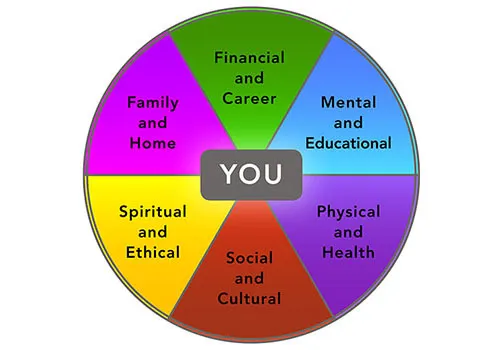
What Do You Want in Your Life? And How to Get It!
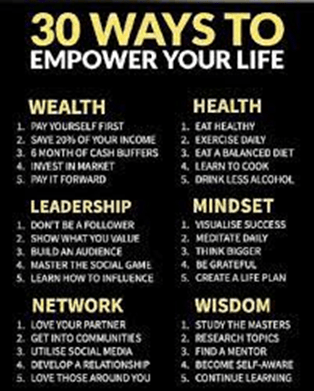
See: Genevieve Behrend – On How To Get What You Want
See: Orison Swett Marden – How To Get What You Want
See: Magnetizing What You Want
See: Wallace Wattles – How To Get What You Want
See: Earl Shoaff – 16 Lessons On How To Get What You Want
See: How To Acquire A Prosperity Consciousness
See: Norvell How to Build The Million Dollar Consciousness
See: Ernest Holmes See Yourself As You Want To Be Your Aladdin’s Lamp
See: Law of Assumption – Start Assuming You Have It All in 2024

The Universal Laws of Success and Achievement
THE QUESTION UPPERMOST in the world of thought today is whether a man has the capacity, equipment, and power to control his life; whether he can be what he wants to be; or whether he is a drop in the great ocean of life.
Millions are affected by unemployment, poverty, and want. Can they help it? Where we have thousands of homes broken on the rocks of matrimony, can such a breach be repaired?
Millions complain of sickness and disorder in countless forms. All this gives rise to the belief that we are victims of circumstance over which we have no control. Such belief makes of us fatalists and karmic addicts instead of masters and controllers of our destinies.
A fatalistic belief is contagious, and when man submits to its influence, believing that the circumstances around him are stronger than the power within him, that man is defeated before the race is run.
All failures in life are due to taking sides with the finite around us. All success in life is due to taking sides with the Law within us. Thus working with the Law may be considered the same as taking the Law into our minds and lives as a silent partner. We are then conscious of the source and creator of all power, and realize and receive the many benefits that surround us.
- All Thought Is Creative… The Powers Of The Mind! (Law Of Attraction)
- Charles Haanel The Truth And The Law
- Deepak Chopra 7 Spiritual Law of Success Full
- Raymond Holliwell – Working The Law
- Raymond Holliwell – Working The Law36:22
- The Law Of Compensation1:04:02
- The Law Of Increase
- The Law Of Sacrifice
- The Law Of Success
- The Law Of Receiving
- The Law Of Forgiveness
- The Ten Laws Of Abundance
- 50 Universal Laws That Shape Reality
- The New Laws Of Manifestation In Fourth Density
- Anthony Norvell – Utilizing The Law Of Demonstration
- 12 Universal Laws – The Ultimate Guide of Life and How to Apply Them
- UNIVERSAL LAWS – UNLOCKING THE SECRETS OF THE UNIVERSE FOR AN ABUNDANT LIFE
- How To Use The Universal Laws Of Life
- Brian Tracy | The Universal Laws Of Success And Achievement

THE SECRETS TO LIFE or BUSINESS GROWTH
In this ground-breaking information, leading scientists, authors, doctors, and philosophers reveal the great Secret that has transformed the lives of all those willing to live it. This is The Secret to everything – joy, health, money, relationships, love, happiness… everything you have ever wanted.
This astonishing information explains, with simplicity, the Universal law that governs all lives, and offers the knowledge of how to create – intentionally and effortlessly – a joyful life filled with peace, love, well-being, and abundance. And as you learn The Secret, you too will come to know how you can have, be, or do anything you want. And you will come to know the true magnificence that awaits you in life.
PERSONAL POWER AND GROWTH
Knowing your powers s very important in the starting and growing a business. The programs below with tell you who you really are and that you are powerful enough so you can build any business you desire and be very successful with it.
You’ve made significant progress in breaking through the fears and paralysis that have kept you constrained through the years. You’ve learned how your fears hold you back and keep you from doing the things you want to do. You’ve learned to explore new arenas and avenues for self-expression by creating a vision and working toward it.
We are going to discuss taking actions toward the vision and the notion of getting to the edge of your comfort zone and the ability to move beyond it by taking the next step in the gap. This idea of getting to the edge and pushing yourself beyond it can feel like risk taking.
Pushing yourself to take a risk deals with your confidence to drop the self-doubts of the past and take responsibility through action for who you want to be and are becoming. An important aspect of gaining self-confidence and eliminating self-doubt is expressing what you want and speaking from a voice of certainty.
It is a key method to break through certain inhibitions and the need to control the responses of others. Expressing what you want provides you an opportunity to assert not only your thoughts but also your rights and what you want in the face of your own anticipatory fear that you might offend people or be rejected.
An important aspect of gaining self-confidence and eliminating self-doubt is expressing what you want and speaking from a voice of certainty. It is a key method to break through certain inhibitions and the need to control the responses of others. Expressing what you want provides you an opportunity to assert not only your thoughts but also your rights and what you want in the face of your own anticipatory fear that you might offend people or be rejected.
Review these materials and listen to them several times for the best benefit.
- The Power of I AM – by David Allen: Chapter 111:04
- Discover Your Power
- Unleash Your Power
- You Are The Power
- The Power To Change Yourself
- All Power To You By Dr Robert H Bitzer
- How To Unleash Your Secret Mental Powers
- Guided Meditation – Infinite Power Within (With Binaural Affirmations)
PERSONAL DEVELOPMENT AND GROWTH
No doubt, as a small business owner, you bring an incredible amount of value to the table. It’s a huge task to get a company up and running and make it profitable. Most certainly, it requires a lot of attention and dedication. You might get so busy running your business that you forget about yourself. However, as your business grows, you should, too.
Personal growth is the process of growing stronger, more confident, and more effective as a person and an agent of change for your own life. It relates to how you see and perceive yourself, interact with others, engage with the world, and envision your future and your possibilities.”
This is why it’s important to cultivate a lifestyle that encourages personal growth alongside business growth, to allow for multiple levels of success. When you care about personal development (your own and that of any employees you oversee), you’ll foster a more engaged workplace, more efficient employee performance, and greater profitability over time.
Why Business Owners Should Focus on Personal Development
Here are significant benefits of personal development for business owners like you:
- It sharpens your hidden skills and gives them room to shine. You’ll never know until you try, right? A personal development journey might expose some hidden talents in you— something which you excel in and could use to grow your business.
- It helps build not just personal but client and employee confidence. Better workers result in a better workplace. This healthy environment allows for a more positive experience for a client and will eventually prompt the client to recommend your business to someone else.
- It improves productivity and effectiveness. Improving your personal skills improves your work life. If you gain knowledge and acquire skills through personal development, you are empowering yourself to produce better results.
- It boosts work motivation and job satisfaction. Working on personal development will motivate you to work harder. You’ll experience higher satisfaction when you have a clear path to follow. You’ll see a domino effect on your productivity and the overall productivity of your business.
- Personal growth equals professional growth. Your personal development journey is the root of your growth as a business owner. An investment in yourself is never wasted!
- As A Man Thinketh (1903) by James Allen
- THE 7 DAY MENTAL DIET | EMMET FOX
- U.S. Andersen – The 30 Day Mental Diet
- The Secret Documentary Trailer
- The Secret: View first 20 minutes
- The Secret by Rhonda Byrne
- The Secret of the Ages by Robert Collier
- Raymond Holliwell – Working The Law
- Live In The End – Whatever You Asked, Believe You Have It
- The Magic Of Believing – Claude M. Bristol
- Review these materials and listen to them several times for the best benefit.
WEALTH, FINANCE, AND GROWTH
Educating yourself on the foundations of life and business finance can assist you in gaining the skills for operating a small business and growing your life. Knowing how and why you may complete certain business finance tasks — such as crafting financial statements, managing payroll or determining salaries — is essential in creating a stable financial situation.
- The Law Of Compensation
- Law of Compensation – Get More by Giving More to the World
- Dr Joseph Murphy: Mastering The Mindset Of Wealth – (Listen To This Everyday!)
- The Power of Your Subconscious Mind by Joseph Murphy
- Dr. Joseph Murphy The Secret Of Wealth
- How To Attract Money By Dr. Joseph Murphy
- Secrets Of Self Made Millionaires by Brian Tracy
- Shift Your Identity And Grow Rich
Wealth Systems
- The Master Key System (1916) by Charles F. Haanel
- Napoleon Hill Think And Grow Rich Full – Change Your Financial Blueprint
- Napoleon Hill’s Think & Grow Rich Condensed and Narrated by Earl Nightingale
- The Science of Getting Rich By Wallace Wattles
- How to become a millionaire ~ Earl Shoaff
- Earl Shoaff – How To Properly Plant Your Seeds
- 16 Lessons On How To Get What You Want
- The Richest Man in Babylon
- Review these materials and listen to them several times for the best benefit.

WHY ARE YOU IN BUSINESS?
The Eleven Components of a Balanced Business
[1]: Product
Without a product or service there is no business. The product comes first and the business will follow. Consider startup companies. They must create, refine and price a product before they can start building the rest of the business. You must constantly be refining your product to meet the need. Create a Product People Will Actually Buy How to Build a Product that Scales into a Company
[2]: Marketing
It is not true that you only have “to open the doors and they will come!” If the world doesn’t know about you and your products there is no market so there is no business! Marketing Mastery Unleashed: 3-Hour Deep Dive with Jay Abraham This ONE Marketing STRATEGY Will Replace EVERYTHING Else! 4 Principles of Marketing Strategy | Brian Tracy
[3]: Sales
If people are to buy your product or service a need must be identified. Sales is about having repeatable processes and systems that make it as easy as possible for your ideal prospects AND clients to buy from you. See: Unlimited sales success – BRIAN TRACY Master The Art Of Selling By Brian Tracy | Brian Tracy The Art of Closing the Sale, BRIAN TRACY The Psychology of Selling Audiobook by Brian Tracy
[4]: Team
You cannot build a business without the help of people. The secret ingredient is finding and keeping the right people for the right positions and at the right time. Leadership 101 Jhon C Maxwell
[5]: Operations
This is the messiest part of a business. This is all those processes and systems and rules and regulations that enable your business to function. Your business is a complex piece of machinery and needs to work flawlessly. 21 ways to Become Outstanding Manager – Career success by Brian Tracy
[6]: Finance and Profit
You are in business to make money! You want a profitable business that funds growth AND pays you a personal income commensurate with your responsibilities and the risks you are taking. To achieve this you need to consistently track and manage your financials and take corrective action immediately when you are off course. EARL NIGHTINGALE : THE BEST FINANCIAL PLAN ! DECIDE 3 Amounts of MONEY You Want to EARN Earl Nightingale – Let’s Talk about Money EARL NIGHTINGALE : MAXIMIZE Your Income 5 Steps to Setting Achievable Financial Goals | Brian Tracy 10 Ways to Finance and Start a Business 10 Tips to Increase Profits and Sales for Your Business | Brian Tracy Brian Tracy, How To Build A Great Business
[7]: Customer Service
Poor customer service is the death knell for companies. It is so insidious because unless you have accurate and timely information about the quality of the service and the satisfaction of the customers, you could find the reputation of your business is being seriously harmed. 4 Levels of Customer Satisfaction | Total Business Mastery – Brian Tracy 3 Strategies to Increase Customer Satisfaction | Brian Tracy 8 Undeniable Tips To Keep Customers For Life | Brian Tracy
[8]: Plan & Manage
A business is complex and as it grows it becomes more complex. It is up to you, the business owner, to plan and manage all eight components to ensure they are working together towards a common goal. It is also up to you to be continually learning so you can handle the increased complexity of your business. This component is at the core of it all. How To Build A Business That Works How To Write A Highly Effective Business Plan In Just 1 Hour – Brian Tracy How to Craft a 5 Year Plan | Brian Tracy Brian Tracy – Time Management Seminar
[9]: Exit Strategy or Plan
Your Exit Plan must set goals, provide accountability and measure results. This is especially important when your goals are to protect and grow value.
It might seem counterintuitive, but planning your business exit strategy from the start can significantly improve your entrepreneurial journey. When you set out on a road trip, you don’t drive around aimlessly — you have a destination in mind. Similarly, as an entrepreneur, having a clear end goal in mind guides your decisions and actions, leading to a more satisfying outcome for all stakeholders.
Let’s explore why looking at the end from the beginning is a strategy that pays off, how to consider various exit options and what steps to take in preparation for a fulfilling and profitable exit.
An exit strategy is often thought of as the way to end a business — which it can be — but in best practice, it’s a plan that moves a business toward long-term goals and allows a smooth transition to a new phase, whether that involves re-imagining business direction or leadership, keeping financially sustainable or pivoting for challenges.
A fully formed exit strategy takes all business stakeholders, finances and operations into account and details all actions necessary to sell or close. Exit strategies vary by business type and size, but strong plans recognize the true value of a business and provide a foundation for future goals and new direction.
Ideally, an entrepreneur will develop an exit strategy in their initial business plan before actually going into business. The choice of exit plan can influence business development decisions.
An exit plan or strategy is often thought of as the way to end a business — which it can be — but in best practice, it’s a plan that moves a business toward long-term goals and allows a smooth transition to a new phase, whether that involves re-imagining business direction or leadership, keeping financially sustainable or pivoting for challenges.
If a business is doing well, an exit strategy should maximize profits; and if it is struggling, an exit strategy should minimize losses. Having a good exit strategy in practice will ensure business value is not undermined, providing more opportunities to optimize business outcomes.
Benefits of an Exit Strategy or Plan
Planning a complete exit strategy well before its execution does more than prepare for unexpected circumstances; it builds purposeful business practices and focuses on goals.
Even though a plan may not be used for years or decades, developing one benefits business owners in the following ways:
- Making business decisions with direction. With the next stage of your business in mind, you will be more likely to set goals with strategic decisions that make progress toward your anticipated business outcomes.
- Remaining committed to the value of your business. Developing an exit strategy requires an in-depth analysis of finances. This gives a measurable value to inform the best selling situation for your business.
- Making your business more attractive to buyers. Potential buyers will place value in businesses with planned exit strategies because it demonstrates a commitment to business vision and goals.
- Guaranteeing a smooth transition. Exit strategies detail all roles within a business and how responsibilities contribute to operations. With every employee and stakeholder well-informed, transitions will be clear and expected.
- Seeing through business — and personal — goals after exit. Executing an exit strategy that’s right for your business’s value and potential can prevent unwanted consequences of exit, like bankruptcy.
- See Exit Plan: https://www.uschamber.com/co/start/strategy/business-exit-plan
Picking Your Exit Path
- In defining your exit strategy, you have various options to consider. There are as many unique paths as there are entrepreneurs; however, here are the typical high-level approaches:
- Selling outright: While not always the goal, selling might be strategically advantageous, especially if a business is declining. Exiting before financial troubles worsen can protect your investment and prevent further loss.
- Keeping it in the family: Passing the business to heirs can create a meaningful legacy. It’s important to ensure they are prepared to take on this responsibility and have the necessary skills or management support required to operate a business.
- Initial public offering (IPO): An IPO generates substantial funding and rapid visibility, advantageous for fast-growth firms.
- Mergers and acquisitions: These deals involve another entity purchasing either a majority or all of your company’s assets, driven by strategic and financial objectives.
- Private equity investment: This route involves private equity firms purchasing companies, granting capital inflows and specialized resources to maximize profits.
- Consider: How your financing impacts your exit strategy. Self-funding gives you more control over your exit strategy and may encourage you to remain independent. In contrast, outside equity can come with investor expectations for specific ongoing or exit outcomes.
- Before bringing in any partners or investors, consider how the additional stakes may influence your long-term objective. If you bring in capital partners, have an open discussion with them about what the possible exits could look like and what they can expect.
- Live In The End – Whatever You Asked, Believe You Have It
[10]: Carving out Your Entrepreneurial Legacy
As you navigate business ownership, be mindful that a successful journey involves more than focusing on the present. Working backward and planning your exit strategy from the start enables you to create a roadmap that aligns your business endeavors with your personal, organizational, and financial goals. Consider where your path will lead and plan your exit strategy accordingly. In doing so, you’ll enhance your chances of success and ensure your entrepreneurial legacy endures. Building a Legacy Through a People-Centric Business | Lou Cardillo | TEDxFarmingdale
[11]: Business Law
In our Business Law course, we will discuss the legal environment affecting business activities. We will begin with an introduction to the law and the legal system. Next we will discuss different areas of the law and how they specifically affect business, such as contract law, tort law, intellectual property, and …
You Can Balanced Your Business
- Review your plans to ensure you have addressed all eight business components.
- Use the Balanced Business Wheel as a template to plan the structure of your team.
- Assess each of the eight components for their effectiveness in supporting the success of the company.
- Make the Balanced Business Wheel a critical component of your company culture by ensuring your team is aware of the importance of each component and of the importance of them all working in harmony.
Business development is a process aimed at growing a company and making it more successful. That can include seeking new business opportunities, building and sustaining connections with existing clients, entering strategic partnerships, and devising other plans to boost profits and market share.
How Business Development Works Within a Large Organization
Business development, sometimes abbreviated as BD, strives to increase an organization’s capabilities and reach in pursuit of its financial and other goals. In that way, it can impact—and also call upon the specialized skills of—a variety of departments throughout the organization.
As the financial services giant American Express puts it, “When it comes to organizational growth, business development acts as the thread that ties together all of a company’s functions or departments, helping a business expand and improve its sales, revenues, product offerings, talent, customer service, and brand awareness.
To grow a successful business you must manage it holistically. You must focus on the complete business and not just its individual parts. The Balanced Business Wheel™ shows us that a business is made up of eight connected components that must all work together in harmony.
With client delivery, and other day-to-day issues of growing a business, business owners often end up focusing their attention on only a few of these components, resulting in an unbalanced business and a lot of anxiety and frustration.
- How To Build A Business That Works | Brian Tracy #GENIUS
- Total Business Mastery Build A million dollar Business Brian Tracy.mp42:33:31
- 3 Hour Marketing MASTERCLASS with Jay Abraham!
- THE POWER PARTHENON STRATEGY of Geometric Business Growth
- Everything You Need To Know About Marketing
- The E Myth by Michael Gerber Full AudioBook
- The E-Myth Revisited By Michael E. Gerber || AUDIOBOOK ||
LEADERSHIP DEVELOPMENT AND GROWTH
Strong leadership builds teamwork, trust, integrity, and commitment from employees and members of your family
- What are the key characteristics of top-rated leaders or managers – and how can you attain them?
- How can you put your career or business on the fast track to the top 20% salary bracket?
Now you can uncover the answers to virtually every question you’ve ever had about sales or management. This comprehensive coaching packs thousands of profitable strategies into sessions designed to help cut costs, increase sales and dramatically improve profits. Brian Tracy on Leadership
Some of the things you will discover are how to guarantee you hire the best person for the job every time, 2 ways to brainstorm for breakthrough ideas, how to sell like a seasoned pro, 21 ways to get extraordinary performance from ordinary employees, how to hold brisk, precise, productive meetings and much, much more.
Your company may not have all the money in the world, but you can still have the best coaching in the world. With the rate of business failures today, it’s important to start out with an effective business strategy. We will teach you all of the various components of an effective business strategy. Learn the same strategies that all successful business are built on.
Driving sustainable, inclusive growth requires the right mindset, strategy, and capabilities. Get steps that could help foster successful growth in your career, profession or business.
Growth is something every CEO, Business Owner, Professional or Business Leader aspires to deliver, but for many, it remains elusive.
About a quarter of companies don’t grow at all, and between 2010 and 2020, only one in eight achieved more than 10 percent revenue growth annually. Sustained, profitable growth is possible, however, and it comes down to “choice.”
Do you, as a leader, make an explicit choice to grow?
Or do you pay lip service to your growth ambitions and let your resolve falter if profit isn’t immediate?
When sustainable, inclusive, and profitable growth becomes a conscious, resolute choice, it shapes decision making across every area of the business.
Growth becomes the oxygen of an organization, feeding the culture, elevating ambitions, and inspiring a sense of purpose.
Growth leaders generate 80 percent more shareholder value than their peers over a ten-year period. Beyond creating shareholder value, growth attracts talent, fosters innovation, and creates jobs.
With only one in ten S&P 500 companies reporting growth above GDP for more than 30 years, sustained, profitable growth may seem difficult. But the choice to grow is paramount—and it is available to every leader, regardless of industry or economic climate.
Indeed, many high-growth companies, including Hewlett-Packard, Burger King, Hyatt Hotels, Microsoft, and Airbnb, to name a few, were founded during economic downturns.
Incumbents have also achieved impressive growth during downturns. US-based retailer Target managed to deliver growth during each of the last two recessions. In 2000, Target doubled down on growth investments, adding new locations, products, and partnerships that resulted in double-digit growth for sales and profits.
In 2008, Target analyzed customer trends and expanded its food offerings to include more fresh meat and produce; the food category has since added billions to annual revenue. In 2020, Target achieved record growth during the COVID-19 pandemic by investing consistently in online services and accelerating its ability to use stores as distribution centers and enable online-order pickups from their parking lots.
The leaders who choose growth and outperform their peers not only think, act, and speak differently; they align around a shared mindset, strategy, and capabilities. In turn, they actively track leading and lagging growth indicators to tie their aspirations to clear and measurable key performance indicators.
They explore and invest in opportunities both within and outside their core business. Their commitment to growth leads them to invest in an appropriate mix of enablers at the right time and scale, and they stay resolutely faithful to their growth vision in the face of unexpected challenges in their business and operating context, even turning disruption to their advantage.
JOHN MAXWELL ON LEADERSHIP
- Leadership 101 Jhon C Maxwell
- How to Be A Leader That People Love To Follow | John Maxwell
- If You Want to be an Effective Leader, Learn These Principles! | John Maxwell
- How to Master the Art of Leadership | John Maxwell
- Maxwell Leadership Insights · Playlist (21 Irrefutable Laws of Leadership – John Maxwell)
- Unlocking Leadership Excellence: The 5 Levels of Leadership by John C. Maxwell
- The Leader’s Greatest Return Attracting, Developing, and Multiplying Leaders by John C. Maxwell
- The Self-Aware Leader: Play to Your Strengths, Unleash… by John C. Maxwell
- Don’t Know Where to Start Your Growth Journey? Start Here! | John Maxwell
BRIAN TRACY ON LEADERSHIP
Qualities Of A Great LEADER | How Great Leaders Think
Make The Next Year Your Best – Brian Tracy
DALE CARNEGIE ON LEADERSHIP
- Dale Carnegie The Leader in You
- The Leader In You By Dale Carnegie Book Summary
- How To Win Friends And Influence People
Are you adequately rewarded for your efforts?
If you answered “no”, RKI Leadership Mastery Coaching Can Help You!
It can put you in total control of your life and make your dreams a reality. It can move your career or put your business on to the fast track and bring you high levels of prestige.
It can make you a powerful communicator with a vast influence over others. Plus, it can improve your relationships, your decision-making ability, and your peace of mind about the world and where it’s headed.
In the RKI Leadership Mastery Coaching, you’ll learn to:
- Gain the respect and admiration of others using little-known secrets of America’s most successful leaders.
- Get family, friends, and co-workers to do what you ask because they want to do it, not because they have to.
- Respond effectively when under crisis using proven techniques for thinking clearly and reducing anxiety under pressure.
- Recognize and develop talent in yourself and others while you learn to distinguish between image and substance.

Never have so many people had so much access to
so much knowledge and yet have been so resistant
to learning anything.
The Entrepreneur’s Guide to Building a Successful Business was written with the help of entrepreneurs for entrepreneurs. Some of the information presented goes back over 100-years (entrepreneurs absolutely love historical business stories) and some of the advice may seem contradictory, but this is to be expected when hundreds of practitioners give their input. At the end of the day,
The Entrepreneur’s Guide to Building a Successful Business is meant to:
− Be helpful, enabling, and informative – to promote business success, whet the appetite of students and practitioners and provide further interest in the study of business and entrepreneurship,
− Supplement other books on business and entrepreneurship (because the information presented herein is certainly not definitive),
− Approach the study of entrepreneurship and business development in a practical and understandable manner, and,
− Avoid unreadable prose, unverifiable trends, and overly theoretical material.

A FREE 5 DAY START UP MASTER CLASS to MASTER YOUR MINDSET, MASTER YOUR BUSINESS, PERSONAL SUCCESS AND BUSINESS GREATNESS!
MasterMind Coaching for Start Up Entrepreneurs to Skyrocket their Life and Business Success
Applying the Success System that Never Fails
If you’re ready for real principles, examples and actionable steps with no B.S… the Success System that Never Fails is for You!
Follow the same authentic roadmap thousands have used to access and harness the remarkable power already within you to create an abundance, prosperous, healthier, happier more successful life and business.
This program is more in-depth and more direct than simply reading Think and Grow Rich. It is an Offer You Can’t Refuse. It Transforms Your Life or Business with Enduring Success.
Here is what I mean.
You get a FREE 14th Week program that includes Private Membership, The Success Formula, the Think & Grow Rich Book, a Think & Grow Rich Workbook, Coaching to Creating Your Definite Chief Aim in life or business, Worksheets, Concentration Exercises, the 7 Laws of the Mind,
the Man or Women in the Glass Exercises, The Seven Day Mental Diet Program, Weekly 2-3 Hour Trainings, Notes and more.
Why is it important?
This allows you to control your emotional impulses that initiates persistent and consistent and successful action toward your goals. Do not Dream About Getting Rich. Do IT!
- The Success System That Never Fails – W. Clement Stone
- THE 7 DAY MENTAL DIET by Emmet Fox, How To Change Your Life in a Week
- the Color Code – Taylor Hartman Color Code
- Success Through A Positive Mental Attitude: Napoleon

REITENBACH-KISSINGER INSTITUTE MASTERMIND COACHING

STEP I: The MasterMind Business Analysis a Qualitative & Quantitative Review
Business runs on information, regardless of the industry. The quality and timeliness of information assists business owners with critical decisions. In order to make wise and profitable decisions, it is imperative to have a thorough business analysis.
Similar to the general practitioner, a business analyst is trained to perform an exhaustive diagnostic study of the business. The analyst and support team have experience with similar business operations. An in-depth examination is performed including financial, operational and sales functions of the business to provide recommendations for improvement by identifying strengths and deficiencies.
Don’t leave increased revenue, reduction of costs or increased bottom line profit to chance.
We provide an objective and comprehensive analysis of the business to give an unbiased view of its strengths and weaknesses. The business analysis takes approximately one to three days. Our target market is businesses that range from $600,000 to a hundred of million in annual revenue.
The assigned business analyst will perform the work onsite and consult with a survey services director, located at KBI headquarters, who has access to all company resources.
The resources include, but are not limited to, business and financial data, comparative business performance benchmarks provided by Dun & Bradstreet and our prior consulting case studies.
Furthermore, the headquarter team of survey services directors have an extraordinary range of experience and expertise and are available for collaboration in developing recommendations to address any business problem.
In this practical checklist to the business review, our aim is to help in your journey towards better business building. We introduce the business requirements, as well as showing how a business review can meet the requirements and recommendations for building a highly profitable business.
But before we start, it is worth remembering that the new business review is just one of the initiatives aimed at improving business start-up and growth.

No company wants to find itself lacking adequate cash flow, anemic profits or in a disjointed organization. As a result, many companies are re-evaluating their funding requirements, predetermining their profit margin and rethinking their overall business strategy.
Those are the three most popular reasons that small and medium-size business owners invite us into their business. From the initial introduction by our sales representative, to the diagnostic business analysis, to a full-service coaching engagement, our clients receive maximum value and benefit delivered by professionals.
Clients that have had our coaching business analysis have been challenged by us to:
- Plan for their future
- Take ownership of business problems
- Effectuate positive change
Clients that have utilized our business coaching have been taught by us to:
- Take control of their future
- Eliminate costly business problems
- Engineer their business for maximum shareholder value
- Develop middle management
- Dramatically increase productivity
- Establish fingertip controls
- Define exit strategy
STEP II: The KBI MasterMind Business Coaching at a Glance
We have the opportunity to dramatically impact the quality of life for clients, client employees and families as well as themselves. We impart the knowledge and experience gained thru ten plus years of senior management and/or business ownership on the client and key personnel within the client’s business, to improve the overall operation and bottom line performance.
Our Coaching covers topics of vital importance to anyone who wants to start or grow a business including:
RKI MasterMind Business Coaching Areas
Introduction
- What is an Executive Coach Does for You?
- Considerations in Hiring an Executive Coach
- Developing Your Executive Business Skills
- Business Specializations
How to Deliver Your Business Services
- Conducting a Needs Analysis for a Client
- Establishing the Business Relationship
- Business Techniques
- Ways to Deliver Your Services
Starting Your Own Business
- Starting Full-Time or Part-Time
- Creating a Business Plan
- Legal Matters for Your Business
- Setting Up Your Business
- Financial Matters for Business Owners
- Setting Your Fees and Getting Paid
- Employing Others
Getting Clients
- Choosing Your Target Markets
- Marketing Tools for Your Business
- Marketing Techniques for Your Business
- Creating Proposals for Business Clients
- Client Contracts
The Role of the RKI MasterMind Business Coach
Entrepreneurs begin with a dream, the vision of providing a product or service, jobs to the community and a living for their family. Business plans may be developed, but seldom take in all the contingency plans for the pitfalls of the future.
Changes in the workforce, marketplace and economy may have both positive and negative effects on the path of the dream.
We offer the direction necessary to guide the client back on course. Modifications are recommended and implemented by the Senior Business Coach that are based on the experience and creativity of the Coach.
Requirements of the RKI MasterMind Business Coach
We offer highly experienced, take charge, outgoing professionals who are seeking an opportunity to share their life work with our clients. We require: a Bachelor’s Degree, 10+ years of mid to upper level management experience, basic computer skills (knowledge of Word and Excel required), and the ability to read and interpret financial reports.
Senior Business Coaches must be able to problem solve and apply solutions to the client’s operation. The ability to work independently.
Tools to help you make the most of your business future
Learn about yourself as a business owner and start engineering your business for maximum value.
Getting Started
- Owner Profile
- Business Coaching Analysis
- Business Optimization
- Goal Planner
- Results Driven Results
Exit/Succession Planning
- What return on investment do you need from your business to comfortably retire?

Confidential Michael Kissinger Testimonials
Testimonials are a type of review and social proof. They serve the same purpose (guiding potential customers and helping overcome objections), but they’re different in one big way: Testimonials are sought and selected.
Michael Kissinger had a long history in business, the construction industry and other industries after being Honorably Discharged from the US Army Special Forces.
He taught in the construction programs at Golden Gate University and San Francisco State University for over 16 years. These programs included Construction Contracts, Construction Law, Construction Collections, Professional Liability of Architects and Engineers and many more.
He taught over 1,000+ construction business owners, architects and engineers.
He was also a contributing author in the Daily Pacific Builder for a number of years. For over 125 years, the Daily Pacific Builder has reported on and published construction reports, legal advertising and request for bid notices covering the Northern California and Northern Nevada regions. It is an adjudicated newspaper of general circulation that assists our customers in meeting their project’s legal advertising requirements. It also helps owners, architects, engineers and contractors gather competitive bids and material pricing to meet costing goals.
He also taught small business at Canada College in Redwood City, California for a few years.

He was a carpenter in Carpenter’s Union Local 22 in San Francisco, California where he went from apprentice carpenter to journeyman, to foreman, to superintendent to California licensed general contractor. [TESTIMONIALS] – Is Your Income Cutting It? Does It Pay All …
ABOUT REITENBACH-KISSINGER INSTITUTE
“You become what you think about”
A Message from Michael Kissinger
I have always believed that thoughts and ideas are our most powerful possessions. For an idea can change the way we look at the world and the way we think. And, it can also improve every area of our life – career, business, relationships, personal wealth, prosperity, abundance, and self-confidence.
Powerful ideas are at the very heart of success and are the driving force behind everything we do at the Reitenbach-Kissinger Institute. We are a leader in self-development and business-development and it is our aim to help you reach your highest and most desired destination.

Our Coaching Guarantee: At Reitenbach-Kissinger Institute, we stand behind our coaching 100%. Absolutely No Risk!
RKI Solution-Centered Pricing.
We price our coaching services based on the solutions/results. Our client Solution-centered pricing ensures that our compensation is tied directly to the results and transformations we help our clients achieve. We align our incentives with your goals, fostering a more productive coaching relationship.
All Clients Receive a Confidentiality Promise. This is a legally binding contract that states the Reitenbach-Kissinger Institute will not share or profit from confidential information. We generally enter into a confidentiality agreement with clients to make sure its trade secrets or proprietary information remains private.
Thank you for over 30+ wonderful years and many more to come
It’s your dream. It’s your time. Let’s get started.
Reitenbach-Kissinger Institute Credo
We hold the belief that we will provide business start-up, growth, development and management consulting services of the highest professional standard.
We are committed to the proposition that every business is unique. As such, we seek to apply individualized creative solutions specially tailored to address the needs and concerns of our clients.
No other company enjoys our reputation for accuracy, knowledge and expertise.
It is our mission to offer our clients a significant return on their investment, and establish long and fruitful relationships.
We can turn your vision into a reality . . .
As the economy constantly changes, businesses must reassess their capabilities, reassess corporate goals and develop improvement strategies to remain competitive and profitable. Existing systems and methodologies need to be evaluated and corrected and new strategic approaches implemented. We help business owners:
- Assess the strength and weakness of their organization
- Determine the most cost effective strategy for positive change
- Establish, measure and manage performance benchmarks
- Incentivize employees to maximize productivity
- Create a business process to ensure ease of operations
Our approach encompasses planning, development and complete implementation. The results are measurable company performance improvement in:
- Growth
- Profit
- Cash management
- Ease of operations
- Enhanced company value
- Return on investment

Industries We Serve . . .
During the past years, we have served many industry sectors in North America from construction small retail shops to small businesses to midsized corporations.
Construction
Single Family Homes Contractor, Industrial Building Construction, Commercial and Institutional Building, Underground Utility Construction, Highway Street and Bridge Contractors, Civil Engineering, Concrete Contractors, Masonry Contractors, Glass and Glazing Contractors, Roofing Contractors, Electrical Contractors, Plumbing Heating and Air Conditioning Contractors, Drywall and Insulation Contractors, Painting and Wall Covering Contractors, Floor Contractors, Tile and Terrazzo Contractors, Finish Carpentry Contractors and Specialty Trade Contractors.
Wholesale Trade
Automobile, Tire and Tube, Lumber Plywood Millwork, Brick Stone and Related Construction Materials, Roofing Siding and Insulation, Office Equipment, Medical Dental and Hospital Equipment, Metal Service Centers, Electrical and Electronic Appliance, Industrial Supplies, General Line Grocery Merchant, Fish and Seafood, Meat and Meat Product, Grain and Field Bean, Petroleum Bulk Stations and Terminals and Farm Supplies.
Retail Trade
Furniture Store, Floor Covering Stores, Household Appliance Stores, Paint and Wallpaper Stores, Hardware Stores, Nursery Garden Center and Farm Supplies Stores, Convenience Stores, Beer Wine and Liquor Stores, Pharmacies and Drug Stores, Gasoline Stations with Convenience Stores, Mail Order Houses and Liquefied Petroleum Gas Dealers.
Transportation and Warehousing
General Freight Trucking, Taxi Service, Bus Industry, Motor Vehicle Towing, Freight Transportation Arrangement, Packing and Crating, Couriers, General Warehousing and Storage, Refrigerated Warehousing and Storage.
Finance, Insurance and Leasing
Insurance Agencies and Brokerages, Residential Property Managers, Passenger Car Rental, Construction Mining and Forestry Machine and Equipment Rental and Leasing, Office Machinery and Equipment Rental and Leasing.
Professional and Technical Services
Offices of Lawyers, Architectural Services, Landscape Design Services, Engineering Services, Surveying and Mapping Services, Testing Laboratories, Graphic Design Services, Advertising Agencies, Display Advertising, Direct Mail Advertising and Veterinary Services.
Administrative and Support Services
Facilities Support Services, Employment Placement Agencies, Collection Agencies, Security Systems Services, Exterminating and Pest Control, Janitorial Services, Landscaping Services, Carpet and Upholstery Cleaning Services.
Other Services
Automotive Repair, Automotive Body Paint and Interior Repair and Maintenance, Automotive Glass Replacement Shops, Car Washes, Appliance Repair and Maintenance, Funeral Homes and Linen Supplies.
Business Owners Don’t Plan to Fail, They Fail to Plan.
How current is your business plan?
We look forward to addressing your business concerns.

Wishing you health, prosperity and abundance,
Michael Kissinger
Reitenbach-Kissinger Institute
Business Development Director
San Francisco, California Phone 650-515-7545 Email: mjkkissinger@yahoo.com
LinkedIn:: https://www.linkedin.com/in/michael-kissinger-a66b214/ WEB: https://mksmasterkeycoaching.com/

Results Only-ROI and Performance Based Fee Business Consulting and Life Strategy Coaching:
DISCOVER YOUR SECRET WEALTH to Build the Lifestyle, Business or Financial Freedom You Want in 1-5 Years or Less. Start Today!
Tell Us What You Want, and We’ll Show You How to Get It With a Proven Blueprint for Your Greater Success!
Contact us NOW for this once-in-a-lifetime FREE Discovery Coaching Session. Get a 100% Guarantee.
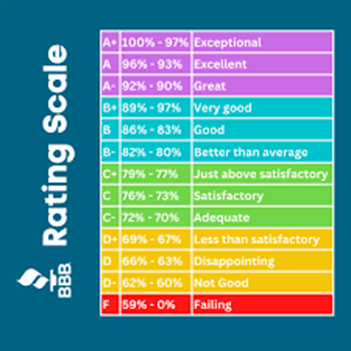
THE RKI MASTERMIND RATING ASSESSMENT AND 36 POINT CHECKLIST
How do you rate yourself in each of the following areas?
1 for Excellent to 10 Bad or Poor or Give Yourself a Rating from A to F
Ask Your Self the following 6 questions in each category
- Are you doing the Activity in your Business?
- What is it costing you to do the Activity?
- How the Activity is improving your business?
- What is it costing your business not to have done the Activity?
- What is it costing your your family because you have not done the Activity?
- What could you have done to improve the Activity it in your business?
Check and Consideration: 1. Do You Have What It Takes? How do you rate yourself in each of the following areas. 1 for Excellent to 10 Bad or Poor.
1. Stage I: The Right Attitude
2. Stage II: Implementation (Putting Plans into Action)
3. Stage III: Diligence (Going the Distance)
4. The Four Main Fears of Entrepreneurship
5. The Top Ten Myths of Entrepreneurship
6. Overcoming Negativity
7. Developing a Healthy Definition of Success
8. The Other End of the Scale: Overconfidence
9. Advice from the Pros
Check and Consideration: 2. Starting Your New Business: Why, When, and Where How do you rate yourself in each of the following areas. 1 for Excellent to 10 Bad or Poor.
1. Should You Do It?
2. Starting a New Business
3. Good Reasons for Starting a New Business
4. Poor Reasons for Starting a Business
5. When is the Best Time to Start a New Business Venture?
6. Where is the Best Place to Start a Business?
7. Advice from the Pros
Check and Consideration: 3. Finding a Good Business Idea How do you rate yourself in each of the following areas. 1 for Excellent to 10 Bad or Poor.
1. How Stupid is a Stupid Idea?
2. The Need for New Ideas Never Ends
3. Advice from the Pros
Check and Consideration: 4. Setting Up Your New Business: The Options How do you rate yourself in each of the following areas. 1 for Excellent to 10 Bad or Poor.
Part-Time Businesses
Full-Time Businesses
The Start-Up Business
Buying an Existing Business-Franchising
Advice from the Pros
Check and Consideration: 5. An Introduction to the Importance of Business Research How do you rate yourself in each of the following areas. 1 for Excellent to 10 Bad or Poor.
Step Number 1: Building a Strong Foundation
Defining Market Research
The Objectives of Market Research
Tools for Conducting Market Research
Sources of Secondary Data Collection
Sources of Primary Data Collection
Don’t Walk Away from the Hard Work and Time Research Demands
Advice from the Pros
Check and Consideration: 6. Suggestions for Conducting Business Research How do you rate yourself in each of the following areas. 1 for Excellent to 10 Bad or Poor.
Conducting External Research
Making Adjustments
Conducting Internal Research
Researching the Cost of Overheads
SWOT Analysis
Advice from the Pros
Check and Consideration: 7.Choosing a Location How do you rate yourself in each of the following areas. 1 for Excellent to 10 Bad or Poor.
Questions to Ask When Choosing a Business Location
Learning about Leases
Advice from the Pros
Check and Consideration: 8. Finding a Manufacturer or Supplier… How do you rate yourself in each of the following areas. 1 for Excellent to 10 Bad or Poor.
Beginning the Search
Keeping Manufacturers and Suppliers
Selecting an Overseas Manufacturer or Supplier
Advice from the Pros
Check and Consideration: 9.Business Models How do you rate yourself in each of the following areas. 1 for Excellent to 10 Bad or Poor.
What’s Good for the Goose is not always Good for the Gander
Sales Volume vs. Profit Margins
Trying to Get It Right: The Paradox of Business Models
Profit Margins vs. Sales Volume
High Prices vs. Low Prices
Market Share vs. Profitability
Less Choice vs. More Choice
Competition vs. Cooperation
Lean Thinking vs. Business as Usual
Selling vs. Sales and Service
Persistence vs. Stubbornness (or Knowing When to Stop and Change)
There are No Guarantees in Business
Advice from the Pros
Check and Consideration: 10. The Thirteen Main Reasons Why New Businesses Fail (and How to Prevent Them) How do you rate yourself in each of the following areas. 1 for Excellent to 10 Bad or Poor.
Inadequate Planning
Underestimating the Commitment it Takes to Succeed
Cash Flow Problems
Poor Management
Not Understanding the Importance of Customers
Staffing Problems
Inflexibility
Poor Marketing and/or an Inability to Sell
Not Enough Capital
Pricing Problems
Lack of a Competitive Edge
Going It Alone
Growing too Fast
Advice from the Pros
Check and Consideration: 11. Writing a Business Plan How do you rate yourself in each of the following areas. 1 for Excellent to 10 Bad or Poor.
Why Write a Business Plan?
The Essentials of Good Planning
A Sample Business Plan Layout
The Most Common Mistakes Made When Writing a Business Plan
Additional Tips for Writing a Solid Business Plan
Advice from the Pros
Check and Consideration: 12. Finding Finance (Sources of Finance) How do you rate yourself in each of the following areas. 1 for Excellent to 10 Bad or Poor.
Banks
Corporate Venturing
Equipment Loans
Crowdfunding
Family and Friends
Government Help
Grants
Issuing Shares
Small Business Administration Loans
Soft Loans
Trade Credit
Venture Capitalists
Mixing up the Options
Advice from the Pros
Check and Consideration: 13. A Brief Look at Bookkeeping, Numbers, Taxes, and Formulas How do you rate yourself in each of the following areas. 1 for Excellent to 10 Bad or Poor.
The Importance of Numbers
Audits
Balance Sheets
Basic Bookkeeping
Break-Even Point
Cash Register Sales
Cost of Goods Sold
Inventory
Ledger Books
Monthly Net Profit
Profits
Taxes
Advice from the Pros
Check and Consideration: 14. Naming Your Business (or Product) and Other Tasks Before Getting Started How do you rate yourself in each of the following areas. 1 for Excellent to 10 Bad or Poor.
Naming the Business (or Product)
Choosing a Logo
Obtaining a Business Mailing Address and Phone Number
Opening a Separate Bank Account
Setting Up a Website
Ordering Business Cards and Stationary
Establishing a Separate Work Space and Work Time
Insurance
Advice from the Pros
Check and Consideration: 15. Making Your Business Legal. How do you rate yourself in each of the following areas. 1 for Excellent to 10 Bad or Poor.
The Sole Proprietorship (or Sole Trader)
Partnerships
Limited Liability Companies
Incorporation
Subchapter S Corporations
Staying Legal (or, Keeping Abreast of the Law)
Advice from the Pros
Check and Consideration:16. Protecting Your Business with Copyrights, Trademarks, Patents, and UPC Codes. How do you rate yourself in each of the following areas. 1 for Excellent to 10 Bad or Poor.
Copyright and Trademarks
Patents
Three Do’s and Don’ts Regarding Patents
Playing It Safe
Obtaining a UPC Number and Bar Code for a Product
Advice from the Pros
Check and Consideration: 17. Re-Energizing. How do you rate yourself in each of the following areas. 1 for Excellent to 10 Bad or Poor.
Feeling Overwhelmed and Its Relation to Time Management
The Warning Signs of Stress and/or Overwork
Suggestions for Eliminating Stress
Advice from the Pros
Check and Consideration: 18. Announcing the Existence of Your Business How do you rate yourself in each of the following areas. 1 for Excellent to 10 Bad or Poor.
Preparing to Advertise
Getting the Word Out
Grand Openings
Advice from the Pros
Check and Consideration: 19. A Front-Line Marketing and Promotion Checklist How do you rate yourself in each of the following areas. 1 for Excellent to 10 Bad or Poor.
In-House Marketing
Point-of-Sale Areas
In-Store Promotion
In-Store Advertising
Internal Public Relations
Out-of-House Marketing
Unique Selling Points
Community Relations
Direct Sales Campaigns
Indirect Sales Campaigns
Suggestions for Ensuring that Marketing Attempts Obtain Results
Advice from the Pros
Check and Consideration: 20. Developing Internal and External Customers How do you rate yourself in each of the following areas. 1 for Excellent to 10 Bad or Poor.
Evaluating Customers and Employees
Establishing a Customer Data Base
Developing and Enhancing Employees (or, Training Employees)
Monitoring Employees (Job Evaluations)
Dealing with Consistently Poor Performance
Dealing with Consistently Poor Performance
Work evaluations should avoid
Nothing Recedes Like Success
Advice from the Pros
Check and Consideration: 21. Management How do you rate yourself in each of the following areas. 1 for Excellent to 10 Bad or Poor.
The Choices of Management
Common Management Styles
So Which Style is Best… And When Should it Be Used?
Management is about Doing What is Best for the Business
One Last Time: Management is about Service
Advice from the Pros
Same Theme, Different Story
Getting Back to Basics
Check and Consideration: 22. Business 101 How do you rate yourself in each of the following areas. 1 for Excellent to 10 Bad or Poor.
Lip Service vs. Customer Service
How Important are Personalized Customer Relationships?
Elementary Customer Mathematics (or, Penny Wise and Pound Foolish)
What is Good Customer Service?
What Do Customers Want?
Two Examples of Good Customer Service
The Ten Commandments of Business Success
The Customer Paradox (or, Customer Wants vs. Customer Needs)
Dealing with Difficult Customers
Thinking in the Long Term
The Final Word
Advice from the Pros
Check and Consideration: 23. The Basic Levels of Every Product How do you rate yourself in each of the following areas. 1 for Excellent to 10 Bad or Poor.
How Well Do You Know Your Product?
Which Product Level Attracts the Most Customers?
What to Do When a Major Competitor Moves Into Town
Which Product Element Results in the Most Sales?
Sometimes What Customers Want is Just So Simple
Advice from the Pros
Check and Consideration: 24. The Importance of Marketing How do you rate yourself in each of the following areas. 1 for Excellent to 10 Bad or Poor.
A Definition of Marketing
The Marketing Mix
The Promotion Mix
Product Life-Cycle
Increasing a Product’s Life
Don’t Go It Alone
Marketing Doesn’t Require Fancy Schemes or Costly Expenses
The False Illusion Inherent in ‘Digital’
Advice from the Pros
Check and Consideration: 25. Competitive Advantage Strategy How do you rate yourself in each of the following areas. 1 for Excellent to 10 Bad or Poor.
Types of Strategies
Sometimes a Good Strategy is so Obvious it’s Difficult to See
Small Business Advantages
Which Strategy is Best?
The Ten Commandments of Business Strategy
Matching Strategy to the Business
Advice from the Pros
Check and Consideration: 26. Quality How do you rate yourself in each of the following areas. 1 for Excellent to 10 Bad or Poor.
W. Edwards Deming’s Points for Achieving Quality
Condensing the Master
The Eight Dimensions of Quality
Benchmarking
Putting Quality into Action
The Mother of All Battles
Advice from the Pros
Check and Consideration: 27. Pricing How do you rate yourself in each of the following areas. 1 for Excellent to 10 Bad or Poor.
Facts about Pricing
Common Mistakes in Pricing
Starting the Pricing Process
Internal and External Factors that Affect Pricing
Pricing in Action
Summing up Pricing
Advice from the Pros
Check and Consideration: 28. Selling How do you rate yourself in each of the following areas. 1 for Excellent to 10 Bad or Poor.
The Art and Science of Selling
Selling 101: Understanding Customer Motivation
Doing Your Homework (or, Knowing Where Your Customers Are)
What Every Good Salesperson Learns
Two Basic Sales Approaches
Sales Calls
The Do’s of Making a Sales Call
The Don’ts of Making a Sales Call
Advice from the Pros
Check and Consideration: 29. Closing a Sale How do you rate yourself in each of the following areas. 1 for Excellent to 10 Bad or Poor.
When the Customer has an Objection
When the Customer Displays Buying Signals
When the Customer Says No
When the Customer Says Yes
Issues that Should be Pondered Towards the Close of a Sale
Closing the Sale
What to Do When the Customer Balks
Advice from the Pros
Check and Consideration: 30. Getting the Most from Employees How do you rate yourself in each of the following areas. 1 for Excellent to 10 Bad or Poor.
Motivating Employees: Four Separate Theories
Maslow’s Pyramid
McClelland’s Theory of Three Essential Motivations
Herzberg’s Two-Factor Theory
Alderfer’s Existence-Related-Growth Theory
Which Theory is Best?
Getting to the Top of the Pyramid
Taking the Fear out of Delegation
Making Delegation Work for You
Taking the Next Step
Employee Empowerment
Empowerment in Action
Making Empowerment Work for You
Another Example of Empowerment in Action
For managers, empowerment involves:
The Importance of Feedback
Reprimands and Punishment
Modifying Unacceptable Behavior
The End Desire
Advice from the Pros
Check and Consideration: 31. Ethics and Social Responsibility How do you rate yourself in each of the following areas. 1 for Excellent to 10 Bad or Poor.
An Introduction to Social Responsibility
Doing Good is Good for Business
More Examples of Social Responsibility Leading to Increased Profits
Learning Right from Wrong
Recognized Reasons for Behaving Ethically
Trying to Rationalize Unethical Behavior
How to Make an Ethical Decision
An Overall Ethical Litmus Test
The Bottom Line
Advice from the Pros
Check and Consideration: 32. Cooperative Networking How do you rate yourself in each of the following areas. 1 for Excellent to 10 Bad or Poor.
Cooperating Businesses
Getting over the Hurdle
What Type of Business Prospers Most
Getting Started
Advantages and Disadvantages of Business Networks
The Rules of Cooperative Networking
Advice from the Pros
Check and Consideration: 33. Manufacturing New Products and Services(and Selling Them) How do you rate yourself in each of the following areas. 1 for Excellent to 10 Bad or Poor.
Manufacturing a New Product
Product Accessibility (Getting the Word Out): Push vs. Pull Strategies
For Retailers: Choosing the Best Products to Sell
Stocking New Products: Determining if a Good Decision has been Made
Advice from the Pros
Check and Consideration: 34. Expanding into Foreign Markets How do you rate yourself in each of the following areas. 1 for Excellent to 10 Bad or Poor.
Why Go International?
Before Going Abroad
Classifying Your Product
Getting Help
Establishing Entry Mode
Exporting
Joint-Venturing
Direct Investment
Developing an Overseas Strategic Marketing Plan
Advice from the Pros
Check and Consideration: 35. Sustainability: The New Frontier Population Increases How do you rate yourself in each of the following areas. 1 for Excellent to 10 Bad or Poor.
Population Increases
Sustainability and the Circular Economy
Agricultural Woes
Disease, Toxins, and Health Problems
Economic Troubles
Opportunities
Check and Consideration: 36. Putting It All Together How do you rate yourself in each of the following areas. 1 for Excellent to 10 Bad or Poor.
The Five Components of A Successful Business
Recap Advice

THE RKI MASTERMIND COST ASSESSMENT CHECKLIST
Average Cost of Starting a Small Business
Key Small Business Cost Statistics:
* On average, small business owners spend $40,000 in their first full year. (Shopify)
* The least expensive cost is the incorporation fee, which is around $145, while the most expensive can be equipment, typically $11,000 to $125,000. (Forbes Advisor)
* 76% of startups without employees used personal funds to finance their business (Fed Small Business)
* The top financial challenges for nonemployer startups are inflation as well as meeting operating expenses. (Fed Small Business)
* Average hourly pay for an administrative assistant is $22. (Salary)
* Average cost to build a website is $200 and costs $50 monthly for maintenance. (WebsiteBuilderExpert)
* Average cost of adding a new employee to your payroll usually ranges from $4,000 to $20,000. These costs don’t factor in the employee’s salary and benefits. (Indeed)
How much does it cost to start a small business?
Industry averages can help give you a general idea of how much you can expect to spend when starting a small business. As your business grows, you’ll need to be strategic about keeping costs low and opting for the most affordable materials.
By keeping costs low, you’ll see the biggest returns on your investment from business products and services. Your actual costs will vary depending on:
* Size of your business
* Physical or online location
* Number of employees
* Cost of inventory needed
* Cost to produce goods, such a labor and raw materials
Online business vs. brick-and-mortar stores
Whether you have a physical location or an online-only presence will play a significant role in your business overhead costs.
For example, an online store could cost you around $2,000 to $20,000 to build, based on Shopify data. That range estimates the cost of hosting and designing a custom e-commerce site. The exact cost may be different if you have a leaner or more robust business model.
Your location can also influence small business costs: The 2021 Business Cost Index by Approve found Texas, Oklahoma, and Kentucky are the three cheapest states to run a business. California, New Jersey, and Vermont are the most expensive.
Employee payroll or contractor services
Employees are another big expenditure. According to the Bureau of Labor Statistics, the average non-government employee costs your business $41.03 to $43.26 per hour.
Given that there are 2,080 working hours in a year, the average employee may cost you roughly $85,000 to $90,000 per year, based on the Bureau of Labor Statistics wage. So if you have five employees, you’ll have to project for $425,000 to $450,000 in costs.
Another way to calculate total employee costs is to budget for their salary, employee benefits and taxes. The Small Business Administration suggests estimating employee costs to be 1.25 to 1.4 times their salary. Using that information, an employee with a $50,000 annual salary would cost you between $62,500 and $70,000.
Average cost by industry
Your average startup costs will vary greatly depending on the field or industry you’re hoping to tap into. Your industry will determine your entire business model, your inventory needs, your marketing strategy and your costs to produce your goods or services. Here’s a closer look at a few industry averages:
Industry Averages
* Food and restaurants – $375,000
* Construction – $37,390
* Retail – $39,210
* Arts – $32,960
* Entertainment – $12,272
Types of costs for your small business
Startup Costs: How Much Cash Will You Need?
Starting a business may be an exciting process, but it costs money. When determining business startup costs, it’s important to be realistic. Things like office space, legal fees, payroll, business credit cards and other organizational expenses can really add up.
It’s possible to start a business with a small initial investment (as little as $100) depending on what it is. For example, if you’re starting an online shop or freelancing service, you likely won’t have many upfront costs.
However, other businesses, like brick-and-mortar shops or those with W-2 employees, could cost thousands of dollars (even hundreds of thousands) for location, inventory, payroll, equipment, rent and more.
According to the U.S. Small Business Administration, most microbusinesses cost around $3,000 to start, while most home-based franchises cost $2,000 to $5,000.
Your average startup costs will vary greatly depending on the field or industry you’re hoping to tap into. Your industry will determine your entire business model, your inventory needs, your marketing strategy and your costs to produce your goods or services.
On average, small business owners spend $40,000 in their first full year.
According to the Bureau of Labor Statistics, the average non-government employee costs your business $41.03 to $43.26 per hour.
Most common startup expenses
It’s important to understand the different types of costs you’ll have as a new business. Theoretically, it’s good to take note of what costs are fixed, variable, essential and optional. But let’s get concrete. Here’s a short list of costs you’ll likely have as a new business:
* Web hosting and other website costs
* Rental space for an office
* Office furniture
* Labor
* Basic supplies
* Basic technology
* Insurance
* License or permit fees
* Advertising or promotions
* Business plan costs
Types of costs for your small business
While it’s possible to fund your business with little-to-no upfront costs, you will likely encounter many expenses along the way. You’ll want to gauge whether your costs are essential to running your business or an expense that you can hold off until the business is established.
Key Cost Terms:
Essential costs: Expenses that are necessary to run your business
Optional costs: Discretionary expenses that aren’t necessary to run your business
Fixed costs: Expenses in which the payment stays the same every billing cycle
Variable costs: Expenses that can increase or decrease based on factors like your output and revenue
Essential costs vs. optional costs
Although there are some expenses you can do without or delay, others are unavoidable right from the start. In general, they include expenses such as:
Common essential costs
* Inventory
* Rent
* Website
* Payroll
* Marketing
* Technology
Common optional costs
· New, rather than used or leased, equipment
· Extra office space
· Luxurious business trips and entertaining
· Social media influencers
· A CPA when you can use accounting software instead
· Excess inventory
Fixed costs vs. variable costs
You will find that some of your expenses won’t change from month to month. Others will vary, coming up once or occasionally throughout the year. To ensure that you have enough funds to cover all of your necessary fixed and variable costs, plan ahead.
Common fixed costs
* Rent
* Insurance premiums
* Property tax
* Essential workers salaries
* Internet and cell phone bills
* Loan payments
Common variable costs:
* Packaging and shipping
* Raw materials
* Commissions
* Credit card payments and interest
* Travel
* Consultants
Average small business costs
Whether you’re starting from scratch or expanding your business, you want to get detailed about the business costs and amount you expect to spend. Having an organized business budget can help you plan for these costs and account for any revenue changes that come your way. Here’s a look at how much you can expect to spend on your fixed and variable costs.
Average fixed costs – Fixed cost – Average amount
* Rent- $2,500/month
* Taxes – 13.3% to 26.9% tax rate
* Salaries – $41.03/hour to $43.26/hour
* Insurance – $500/year to $684/year
* Business loan payments: Example: $110,000 loan with 5-year term at 4.50% APR Monthly payment: $2,050.73
* Marketing – 18% to 26% of revenue
* Incorporation fees – $100 to $250
* Website – $200 to build, $50/month to maintain
Average variable costs – Type of variable cost- Average amount
* Packaging supplies – $0.10 to $15.00 per product sold
* Credit card fees – 1.5% to 3.5% per transaction
* Raw materials – Varies by product and industry
* Unfixed utilities – $2.10 per square foot
Inventory – Varies by Industry:
Shipping costs – Depends on shipping method and box size
Example: Flat-rate shipping at UPS costs $10.20 to $26.05
Sales commissions – 20% to 30% of gross margin
Office supplies – $45 to $92/month
Travel – $309.62 per day traveled
Number of businesses that fail in first year?
About 1 in 5 U.S. businesses fail within their first year of operation, according to the latest data from the U.S. Bureau of Labor Statistics (BLS).
20.8% of private sector businesses in the U.S. fail within the first year.
After five years, 48.4% have faltered.
After 10 years, 65.1% of businesses have failed.
The District of Columbia sees the highest business failure rate within the first year. In the nation’s capital, 28.0% of businesses fail in that first year, followed by Missouri and Rhode Island (both 27.2%).
California sees the lowest business failure rate within the first year. In the Golden State, 13.2% of businesses fail in that first year, followed by Washington (16.7%) and Nevada (18.5%). However, even though Washington has the second-lowest failure rate within the first year, it has the highest failure rate after 10 years (78.5%).
Time frame Percentage of businesses that fail
* Within 1 year –20.8%
* After 2 years — 27.6%
* After 3 years — 35.9%
* After 4 years — 42.6%
* After 5 years — 48.4%
* After 6 years — 52.5%
* After 7 years — 56.4%
* After 8 years — 59.2%
* After 9 years — 62.3%
* After 10 years –65.1%
Industries with the worst survival rates
The information industry — which includes processes like producing and distributing information and cultural products and processing data — has the highest percentage of businesses that fail in the first year (26.4%).
“It seems like it would be a difficult space to break into,” says Matt Schulz, LendingTree chief credit analyst. “It involves things like motion picture, sound and publishing companies as well as telecommunications. These industries feature giant players who dominate the space, making it tough to make a name for yourself.”
The industries with the second- and third-highest one-year failure rates are professional, scientific and technical services (23.4%) and administrative and waste services (23.1%) industries. For context, some of the jobs that these include are:
* Legal advice and representation
* Accounting, bookkeeping and payroll services
* Architectural, engineering and specialized design services
* Office administration
* Hiring and placing of personnel
* Document preparation
Once you look at the five-year failure rate, though, the retail industry takes the lead, with 69.6% of businesses failing. Considering that retail relies heavily on walk-in business, it makes sense that it may find a harder time weathering economic ups and downs over these longer periods — especially when a pandemic takes its toll.
Why do small businesses fail?
There can be many factors that contribute to small businesses failing in this day and age:
Inflation:
The cost of materials can make it difficult to own a business. But when you add inflation to the mix — the rate nearly quadrupled from 2020 to 2022 — profit margins can suffer, making it more difficult to survive.
Supply-chain issues:
Supply-chain issues can leave businesses without enough inventory to stay open.
Access to capital:
Between startup costs and paying employee salaries and benefits, weathering the sales dips that naturally occur over a year can be difficult. But on top of that, it can be difficult to access funding, especially if the business owner doesn’t have great credit or the business hasn’t established a track record for itself.
Bad luck:
Yet another reason why businesses might fail is bad luck (think: opening a cafe at the beginning of March 2020). Sometimes the timing isn’t right, or other factors out of their control prevent business owners from success, Schulz notes.
How to succeed in your first year of business
Many businesses don’t survive their first year. But there are things you can do to strengthen yours and make it over that hurdle.
Craft a Solid Business Plan
“Some business owners doom their businesses from the start by failing to do the proper research and come up with a sensible business plan,” Schulz says.
“For example, you have to understand your target customers and your primary competitors and have a sense of how you can make money. Those things may sound super-basic, but taking the time to think through those things matters.”
A solid business plan should include the basics of your business (like how it works and who your audience is), as well as more complex aspects like market analysis, profit margins and financial projections. This can help you lay a solid foundation upon which you can build your business. It can also be a vital step in getting access to a business loan.
“There’s an old saying that failing to plan is planning to fail,” he says. “Making a business successful is a tall enough task. Don’t make it even harder on yourself by not taking the time to make a plan.”
Strengthen Your Credit
Having great credit can not only help you save money on future financial opportunities, but it can also allow you to access products, like startup business loans, which you may not have been able to qualify for.
For context, a “very good” personal credit score starts at 740. Most lenders consider borrowers with that score to be very dependable, so that’s a good goal.
Still, you’ll want to raise your score as much as possible to qualify for the best interest rates and terms available — especially if a loan is necessary to get your business off the ground. And even if you don’t, having great credit is useful should you encounter dips in income. (Eventually, you’ll want to focus on your business credit score, which has different criteria.)
Quick tip: Signing up for autopay, reducing credit card debt and avoiding applying for other lines of credit are just a few ways you can help build your credit over time.
Take Advantage of the Resources Available to You
Owning a small business can feel isolating but it’s something that millions of Americans have done, and it’s an important part of the American economy. There are established resources available to help people in your situation succeed.
For example, the Small Business Administration has tools available to help you do everything from creating a business plan to getting counseling about starting your business, among many other services they provide. Your local chamber of commerce may also prove useful here.
If you’ve never started a business, talking to someone familiar with the details of keeping that business alive can also be extremely helpful. They can help you better understand your industry, and even see the lesser-known issues that may crop up in your business. That way, you’ll be able to plan for those setbacks, and your business will be less likely to falter when you encounter those inevitable hiccups.
Make Marketing a Priority
“The best product or service can’t succeed if no one knows about it,” Schulz says. “As simple as it sounds, taking the time to spread the word about what you have to offer is crucial.”
That’s why marketing your business and products is such an important part of success during the first year, when few people may have interacted with you or your business.
“Leverage social media,” Schulz says. “Network with other businesses in your community. Lean on friends and family to help build word of mouth. Reach out to local media to share your story. There are so many things you can try, but often businesspeople get so wrapped up in other aspects of building the business that they forget one of the most essential tasks: marketing.”

These are just a few tips to look out for when considering when Starting or Growing a Business.
We personally believe this is the best way forward if you are looking for a Breaking Through Your Upper Limits when Starting or Growing a Small Business.
This is for people who have a dream or desire to be financially independent through Entrepreneurship and are willing to put in the hard work to do so.
Wishing you prosperity and success. Remember You Were Born To Win!!
Michael Kissinger and Sydney Reitenbach
They are the co-founders of San Francisco, California-based Reitenbach-Kissinger Institute, specializing in helping entrepreneurs and business owners optimize profits for free, for life. Previously they are the owners of the Reitenbach Institute, a company that taught Taekwondo. It was started in 1973 and was destroyed by fie in 2019. They continue to teach at the University of San Francisco, other universities and at small businesses.
NO Guarantees of Success or Income: Disclosure. This document provides a factual and transparent look at the potential for those who want to start or build a business. We make no guarantees because each individual or business work differently. While if provides all of the best and most researched information to be successful in business, you knowledge, experience, efforts, success will be totally based on your work. these materials are for teaching purposes only. By using these materials you agree there are no guarantees of success or income.
LinkedIn Profile: https://www.linkedin.com/in/michael-kissinger-a66b214/
E-mail: mjkkissinger@yahoo.com
Facebook: https://www.facebook.com/michael.kissinger.35
CONTACT US: [LIFE SUCCESS ASSESSMENT] [READINESS ASSESSMENT] [SERVICES] [ABOUT COACHES] [FAQs] [FEE RANGE] [COACHING AGREEMENT] [SURVEY] [PRESS RELEASE] Home
Web: https://mksmasterkeycoaching.com
Terms of Use | Testimonials and Results Disclosure | Privacy Policy
© Copyright 2023 –Reitenbach-Kissinger Success Institute – All Rights

 REACH YOUR PEAK PERFORMANCE TODAY with the World's #1 Consulting Firm. The Reitenbach-Kissinger Institute and the MKS Master Key Consulting-Law-Engineering Systems. You are committed to achieving your goals. Do not compete without proven consultants. FREE 30-Minute Win the Game of Life or Business Consulting Session Call: 650-515-7545