How Executive Consulting Works Step 1: Personalized Call: In this 15-minute session, we will start to deep dive with you on what your biggest goals are and current challenges you are having with achieving them. Step 2: Match You: We will match you with a consulting strategist to help you uncover the root cause of what is truly stopping you from getting what you want. Step 3: Results Consulting: You will get started with a Results Consulting team and close the gap to where you want to be quickly and efficiently. Step 4: Results that Exceed Expectations Confirmation Step 5. Payment for Performance and Results Only Step 6. Reitenbach-Kissinger Institute’s Executive Consulting Purpose and Mission: To Solve Your Problems with Guaranteed Results, Common Sense-Proven-No BS-High Performance Systems that Help You Transform Your Life, Business, Career or Financial Challenges into Your Desired Vision and Results! Step 7. If Not Now, Then When? Call 650-515-7545- Email: mjkkissinger@yahoo.com WEB: mksmasterkeycoaching.com
Are You ACHIEVING Greater Life, Career, Business, Health or Financial Riches?If Not, ConsiderThis Solution. Apply the Secrets, Laws, the Master Key System and Formulasfor Your Optimal Success
The Reitenbach Kissinger Institute and the Master Key Business Consulting System. Ithas Changed Many Lives with Its Consulting and Programs
You Can Be The Next.
As You’ll See
Our consulting has helped countless people around America
If you’re ready to Discover who you are and what is possible for you and your business, this unique consulting and program gives you everything you need to get started, grow and succeed in your business over the long haul.
Are You Ready to finally Achieve Your Business Goals?
We’ll give you a 60 minute Free business consulting session that can add thousands to your bottom-line, equip you with everything you need to find yourself, define your business dreams, and make them a reality.
YES, Reserve a FREE Consulting Session Now. Call 650-515-7545
HERE IS WHAT WE COVER YOUR FIRSTSESSION
Starting or Growing a Business.
It is Not Easy. You Can Do It in a Day
Chances are high businesses will fail.
We’ve all heard the statistics – it’s brutal out there.
Even if you pour your heart and soul into your dream business, there’s no guarantee of success. It takes a lot more than passion and hard work.
But imagine this…
What if all the groundwork, the planning, the resources you need to build a lasting, fulfilling business were already done?
What if you could skip the struggle and get straight to the fun part?
That’s What You’ll Learn in the 1st Session of Free Coaching
What If We Give You…
Something that has not only already helped thousands of people around the world reach their goals and dreams, but it helps you to reach yours too.
The tools, systems you need to launch, build and grow your business.
Training by a legendary teachers every step of the way.
You could keep your job for as long as you want, have a second business, or develop multiple sources of income..
Think about it…. A business that reflects your goals and brings you personal and financial fulfillment. This consulting is your first step to making that happen.
You’ll Get This
Uncover the secrets successful business owners use to build empires. The common mistakes that trip up most Businesses and how to avoid them.
Actionable strategies you can use to create a lasting and fulfilling business. Valuable Learning that will Change the way you Look at Life and business.
Regular price: $10,999
But We are Offering This for
Absolutely Freefor the FIRST 100 Entrepreneurs
Starting or Growing a Business is Not SoEasy. It Takes Time!
Stop Wasting Time
Learn from our experience and avoid common business pitfalls that can hinder your progress.
Build a Sustainable Business
Discover the secrets to creating a business model that thrives in the long run.
Boost Your Confidence
Gain the knowledge and tools you need to feel empowered and in control of your business destiny.
Connect with Like-Minded Individuals
Find a supportive community of fellow entrepreneurs who share your dream of building a successful business.
Once in a Life Time Opportunity
Changing Your “Thinking into Results”
With The MKS Master Key Consulting System
[1]:THE MASTER KEY BUSINESS POWER SYSTEM AND YOU
[2]:THE MASTERKEY THE CREATIVE POWER SYSTEM
Charles F. Haanel
He was indeed wealthy, having achieved significant financial success during his lifetime. He was a self-made millionaire entrepreneur who owned several major companies and practiced the financial principles he advocated in his writings.
His most notable work, “The Master Key System,” sold over 200,000 copies worldwide, contributing to his wealth. Haanel’s financial success was rooted in his ability to capitalize on various investment opportunities, although some of his ventures were controversial
His work laid the groundwork for modern self-help literature, advocating that concentrated thought can lead to personal success and fulfillment. Born in Ann Arbor, Michigan, he later moved to St. Louis, where he became involved in various business ventures and philosophical pursuits. Master Key Society https://www.youtube.com/@MasterKeySociety
The Master Key System
The term Master Key System is a program focusing on principles using constructive thought, mental visualization, and concentration to control circumstances, business, health and wealth.
It teaches that the external world is a reflection of internal mental states with exercises designed to cultivate the power of the mind and subconscious mind.
The 24 Lessonsand Core Principles:
The core principle is that the “world within” (thoughts/consciousness) creates the “world without” (environment/circumstances), focusing on specific mental, physical or spiritual mastery.
The key principles, lessons and practices progress from physical control to deep mental and spiritual realization:
The World Within: Understanding that the external world is a reflection of your internal state.
The Subconscious Mind: Learning how the conscious mind acts as a “watchman” to program the subconscious.
Solar Plexus: Tapping into the “sun” of your physical body to radiate energy and power.
The Law of Attraction: Realizing that thoughts are causes and conditions are effects.
Mental Chemistry: Using thought as a creative energy to change your environment.
The Power of Attention: Learning to focus exclusively on a single objective.
Visualization: Creating a mental blueprint of your desired outcome.
The Idea: Transforming thoughts into tangible plans and actions.
Your Affirmations: Using words to confirm your mental reality.
The Law of Growth: Understanding that power comes from use and expression.
Inductive Reasoning: Applying logic to spiritual and mental laws.
The Power of Thought: Utilizing the highest form of energy in the universe.
The Power of Silence: Seeking the “Silence” to connect with the Universal Mind.
Creative Power: Mastering the ability to create through focused imagination.
The Law of Abundance: Recognizing that supply is infinite and governed by mental law.
Gaining Insight: Developing the “third eye” or intuition to see through appearances.
Concentration: Mastering the ability to hold a thought until it is manifested.
The Law of Cause and Effect: Ensuring your internal causes lead to desired external effects.
The Power of Will: Using the will to keep the mind on track.
Spiritual Truth: Realizing that Spirit is the only ultimate reality.
Success Principles: Integrating the laws of thought for practical achievement.
The Power of Perception: Seeing the “gold” in every situation.
The Law of Service: Understanding that giving is the secret to receiving.
Mental Alchemy: Transmuting thoughts of lack into thoughts of abundance
Meet the Founders
Sydney Reitenbach and Michael Kissinger
They went from down and out to changing thousands Studied the mind, human potential and themselves with some of the greatest minds the world has ever known for over 30 years
Worked shoulder-to-shoulder with thousands coaching these principles Became a renowned speakers, teachers and experts on the mind, human potential and success. Help thousands of people daily through their University, LinkedIn, Facebook Consulting and Mentoring
We have always believed that thoughts and ideas are our most powerful possessions. For an idea can change the way we look at the world and the way we think. And, it can also improve every area of our life – career, relationships, personal wealth, and self-confidence.
Powerful ideas are at the very heart of success and are the driving force behind everything we do at the Reitenbach Kissinger Institute. We are the world leader in self-development and it is our aim to help you reach your highest and most desired destination.
BE MORE, DO MORE, HAVE MORE
There’s a Better Way to Make All Your Dreams Come True…
Reitenbach Kissinger Institute and Master Key Business Consulting and System.
Uncover the secrets successful of life, business, or finance use to build empires. We’ll break down the common mistakes that trip up most people and how to avoid them.
Get actionable strategies you can use to create a lasting and fulfilling life, business or finances. Walk away with valuable consulting that will change the way you Look at Life.
Contact Us Right Now to Astonish Yourself With What You Can Become.
This Is Not For You If:
You prefer working to fulfill someone else’s dream.
You see your world and the world as whole as being just fine.
You’re looking for “Get Rich Quick” Schemes
Remember, everyone’s journey is unique. This Consulting is a Great First Step for Those Ready to Build a Life, Business or Finances that Thrives.
What Others Say About These Game Changers
They offer personalized consulting services and programs designed to help you achieve breakthroughs in all aspects of your life, career, profession or business.
You’ll get crystal clear on your definite purpose, goals, create an action plan to achieve them, and have the accountability and momentum you need to ensure results.
Whether it’s life, career, profession, business or health, finances or relationships, this is how you’ll gain the edge you need for truly incredible change. You’ll
Discover Your Definite Major Purpose
Supercharge your focus on the objectives that will radically change your life.
Break Through Your Limits
Learn how to isolate and reframe limiting beliefs that have held you back.
Spark Massive Action
Get the proven tools, strategies and support of a highly-trained Results Coach to achieve transformative change in your life, finances, relationships, health and more.
Crush Your Goals
Renew your energy, reset your mindset and get the results you’ve been looking for.
Commit to Excellence
Get the guidance you need to create a life you love.
Create Lasting Change
Build momentum that will make you unshakeable when life gets tough.
If you want access to the same proven techniques and methodologies we uses for the world’s best people, a Reitenbach Kissinger Institute Results Results Consultant is your answer.
Reach Your Peak Performance Today and Win the Game of Life, Business, Law, Finance and Results. Transform Your Current Results into Your Desired Vision and Reality with Proven, Simple, World Class Consulting or Systems!
What Others Say About This.
This works for thousands of others and can work for you too when you implement what you learn.
“Life Saver for me”
“I’ve taken countless business courses, but none of them compared to the practical value I received from this consulting. The strategies they shared were immediately actionable, and I am already seeing positive results in my business. This coaching is a game-changer!”
“It Just Changed the way I think.”
“I was hesitant to attend another consulting session, but I’m so glad I took the chance! Their energy and enthusiasm are contagious. They broke down complex concepts into easy-to-understand steps, and the Q&A session was incredibly valuable. I highly recommend this consulting to anyone serious about building a successful business.”
“Not an Ordinary Consulting Session”
“I was skeptical at first, but this consulting exceeded all my expectations. Their approach is refreshingly honest and practical. They don’t promise magic formulas, but they do provide effective strategies that can be applied to any business.”
“This has been a gamechanger.”
“Before this consulting, I felt lost and overwhelmed with my business idea. These insights completely changed my perspective. Now I have a clear roadmap and the confidence to pursue my dream! Thanks to this consulting, I finally feel like I can stop spinning my wheels and start building something real.”
Thousands of Satisfied Business Owners, Clients and Associates
Get Results That’ll Exceed Your Expectations-Guaranteed!
Lasting results, backed by science. Informed by decades of extraordinary results, Reitenbach Kissinger Institute Results Consulting Programs are built to help you discover your personal power.
Results You Want Are:
By breaking down your limiting beliefs and pushing you forward on your goals, our Results coaches provide the tools for you to create massive, lasting change in your life.
Reitenbach Kissinger Institute Results Consulting significantly enhances various aspects of people’s lives by focusing on personal and professional development.
Here are some areas where Reitenbach Kissinger Institute Results Consulting Programs lead to measurable improvements:
Time Management: Improved scheduling and prioritization can lead to a 25% increase in productivity.
Communication Skills: Enhanced verbal and written communication can boost team collaboration by 30%.
Leadership Development: Effective leadership training can increase team performance by up to 40%.
Problem-Solving Skills: Structured problem-solving approaches can reduce project completion times by 20%.
Adaptability: Training in adaptability can improve employee resilience and reduce stress levels by 15%.
Customer Service: Consulting can enhance customer service skills, leading to a 20% increase in customer satisfaction ratings.
Teamwork: Improved collaboration techniques can enhance team efficiency by 35%.
Interpersonal Skills: Strengthening interpersonal skills can lead to better workplace relationships and a 25% increase in employee morale.
Conflict Resolution: Effective conflict resolution strategies can reduce workplace disputes by 50%.
Goal Setting: Implementing SMART goals can improve project success rates by 30%.
Feedback Acceptance: Training on accepting and utilizing feedback can enhance performance by 20%.
Organizational Skills: Better organizational practices can lead to a 15% reduction in time spent on administrative tasks.
Flexibility: Developing flexibility can improve adaptability to change, enhancing overall job satisfaction by 25%.
Technical Skills: Upskilling in relevant technologies can increase job efficiency by 30%.
Emotional Intelligence: Enhancing emotional intelligence can improve leadership effectiveness by 40%.
Creativity and Innovation: Encouraging creative thinking can lead to a 20% increase in innovative solutions.
Networking Skills: Improved networking can lead to a 30% increase in professional opportunities.
Stress Management: Techniques for managing stress can reduce burnout rates by 25%.
Work-Life Balance: Consulting can help individuals achieve a better work-life balance, improving overall life satisfaction by 20%.
Career Advancement: Personalized career coaching can increase promotion rates by 30%.
Contact us and advise which results you want.
These improvements not only enhance your individual performance but also your contribute to a more productive and positive, life, career, family or workplace environment
At Reitenbach Kissinger Institute, We Stand Behind Our Consulting and Programs 100%.
Disclaimer: This is educational information and is not affiliated with Joseph Murphy, Neville Goddard, Shinn, Wallace D Wattles, Nepoleon Hill, Charlie Munger, Warren Buffett, Berkshire Hathaway, or any related entities.
All content is created for educational and informational purposes only, based on publicly available sources and widely discussed investment principles. Any voices used are digitally generated for narration and storytelling. They are not authentic voices and are not intended to impersonate or misrepresent any individual.
At What Net Will You Transition from Being Pooror Middle-class to Well-Off toTruly Wealthy?
The transition from being well-off to truly wealthy is often marked by a net worth threshold of around $2 million. This figure is commonly cited as the point at which individuals or households are considered part of the wealthiest segments of society.
For instance, a recent analysis indicates that to be in the top 10% of U.S. households by net worth, one needs approximately $1.8 million. However, many financial experts suggest that a net worth of $2 million or more is a more accurate benchmark for being classified as truly wealthy.
This distinction is not solely about the amount of money one has but also involves the ability to generate passive income through investments and assets, which is a hallmark of true wealth.
So, if you’re aiming for that next level of financial success, focusing on building your net worth to that $2 million mark could be a great goal! Work With Us Keep Pushing Forward to Your Next Level!
Here’s How to Understand, Apply and Master the 7 Levels of Financial Freedom From Solvency to Independence and Legacy in Your Life.
You can navigate from financial uncertainty to ultimate wealth with the seven levels of financial freedom. This guide can help make it feel more tangible. More possible. We will show how each level contributes to your financial growth, tangible tools, and personal peace of mind. Straightforward and without fluff, get ready to transform your approach to finances and begin your ascent up the MKS Master Key Financial Coaching Ladder to financial prosperity today.
Identify Your StageKey Takeaways
Financial Freedom is reached through incremental levels, starting from getting financial clarity and setting goals, then moving toward self-sufficiency, stepping up, refining your strategy, flexibility, elevation to financial independence, legacy and attaining abundance and ultimately achieving the ability to live off passive income and abundant wealth.
Key Strategies in ascending the levels include budgeting, eliminating debt, building emergency funds, increasing income, optimizing expenses, investing smartly, and diversifying investments.
Reaching the Pinnacle of Financial Freedom allows for living a dream lifestyle and giving generously, illustrating the importance of managing finance with purpose, and planning for a lasting legacy.
Why Financial Freedom?
In today’s hyperconnected, digitally driven, and rapidly changing world achieving financial freedom is not just a lofty goal but a necessity. We need to take our future into our own hands, so that we can bring the most good to the world possible.
It is more than just accumulating wealth. It is about gaining the freedom to live life on your terms, free from financial stress and constraints.
Just as Neville Goddard notes in his coaching on “Financial Freedom,” this journey is not about being rich; it is about living richer. It is about being part of the FIRE movement (Financial Independence, Retire Early), where you set long-term financial goals and strategize to achieve them, eventually reaching a point where your rent covers more than just your living expenses. And it’s about living your own life by design, not by default, along the way.
The objective is to construct a life where money serves as a tool rather than a constraint.
MKS Master Key Financial Coaching Ladder to Financial Freedom Level 1: Clarifying Your Vision of Financial Independence
Imagine a ship setting sail without a destination. It is likely to be tossed around by the waves and winds, right? The same is true for your financial journey.
But just like that ship, the destination may change over time. Sure, French Polynesia sounds great when you start your round-the-world sailing adventure, but you may get stalled out in the Mediterranean and pivot to a European RV tour. Hey, it could happen.
The initial stage of financial freedom involves:
Gaining financial clarity
Comprehensive evaluation of your personal finances
Establishing financial goals
Formulating a budget (or not, more on that below)
The aim is to comprehend your current financial position and chart a course to your desired destination. Think of it as setting the coordinates for your financial ship, giving it a clear direction to sail towards.
Assessing Your Finances
You cannot begin a journey without knowing your starting point, and the journey to financial independence is no different. It begins with assessing your finances. This involves:
Conducting a financial audit to track both your fixed and variable expenses
Enhancing your financial literacy to make informed decisions
Developing a habit of regularly tracking your financial progress
Think of it as a medical check-up, but for your finances. You are getting a clear financial picture of your financial health, understanding the state of your cash flow, and identifying areas that need attention. This step is crucial as it lays the foundation for your financial stability.
Do not judge yourself here. Just write it all down. If there are expenses that make you cringe, know that they are working toward either not making the same decision again or being able to afford those luxuries with ease.
Setting Financial Goals
With a lucid understanding of your financial condition, the next step is to determine your financial objectives or long-term financial goals. These are the destinations you want your financial ship to reach. Your goals could be anything from saving for a dream vacation, buying a home, or planning for retirement. The key is to make your goals specific, measurable, and time bound. This approach not only creates a sense of urgency but also provides a clear plan for achievement.
Bear in mind, these objectives serve as your compass, steering your financial journey and providing motivation to persist.
Creating a Budget
This is my least favorite step. I will tell you why after I present the reasons for doing this.
Imagine trying to stay within the speed limit without a speedometer. Sounds challenging, right? That is what trying to manage your finances without a budget is like. A budget functions akin to a financial speedometer. It aids in monitoring your income and expenses, helping to prevent overspending and ensure alignment with your financial objectives.
It involves listing all your monthly expenses and projecting how much you can spend in each category. Then, you will verify them by reviewing bank and credit card statements from previous months. Regularly reviewing your budget helps you stay on track and adjust, as necessary. Remember, a budget is not about restricting your spending; it is about understanding and managing it.
I do not like them because I have found that budgets require a level of time and scrutiny that I simply do not have. However, I am not a chronic over-spender (my upbringing and scaring from a money-scarce house did me well there I guess), so I do not naturally spend way more than I make.
That being said, I do go back and look at my expenses every few months to see if my general feelings about how much I am spending match my reality. Do what works for you but find a way to analyze your regular spending habits.
MKS Master Key Financial Coaching Ladder to Financial Freedom Level 2: Foundation of Self-Sufficiency
Armed with a clear financial outlook, the next phase is to achieve self-sufficiency on your way to reach financial independence. This stage is all about standing on your own two feet financially. It is composed of three essential thresholds:
Earning enough to cover all your expenses without relying on external financial help. Think of it as learning to swim. First, you might need floaties or a lifeguard to keep you afloat. But with time and practice, you learn to swim on your own, becoming one of those financially independent folks.
Establishing an emergency fund. This is part of the essential foundation of financial security because you never when what can happen to your paycheck. The construction of an emergency fund functions as your financial safety net, ensuring you have enough money during unforeseen circumstances.
Eliminating debt. You will want to get to the point where you are not paying to borrow money (except for your primary residence, likely). The attainment of personal finance self-sufficiency requires debt elimination.
Building an Emergency Fund
An emergency fund resembles a lifeboat for your financial vessel. It is a buffer against unexpected expenses like unplanned medical bills or job losses. Building an emergency fund involves making small savings contributions and using windfalls such as tax refunds or bonuses.
The size of the fund should be tailored to your needs, typically covering around three to six months’ expenses. Remember, an emergency fund is not just a safety net; it is a peace of mind fund. It is there to ensure that even in the face of financial storms, your ship stays afloat. It is the rebar in your foundation.
Eliminating Debt
Debt is like a leak in your financial ship. It can slow you down and, if left unchecked, can even sink your ship. That is why eliminating debt, including credit card debt, is a crucial part of achieving financial security. This involves formulating a plan to pay off high-interest debt, such as credit cards.
Strategies like the snowball method, where you pay off the smallest balance first before moving on to the next, can create momentum and psychological wins. It is about taking control of your financial situation and steering your ship away from the stormy waters of debt.
MKS Master Key Financial Coaching Ladder to Financial Freedom Level 3: Stepping Up and Taking Your Financial Independence to New Heights
With the establishment of a firm foundation, the subsequent phase is to ascend to the launchpad. This stage is all about:
Gaining financial breathing room
Increasing your income
Optimizing your expenses
Starting to invest
Think of it as filling up your ship’s fuel tank, checking the engines, and preparing for launch. You are getting ready to take your financial journey to new heights.
Increasing Your Financial Income
Fueling your financial ship involves increasing your income. But now that you are not paying debt, this gets easier and easier.
This could involve advancing your career, selling personal items, or renting out unused assets. Each of these strategies can supplement your income, contributing to the forward momentum of your financial journey.
But remember, earning more does not mean having more. It is also about managing your income effectively and directing it towards your financial goals. This is where you need to be super careful to not let non-intentional lifestyle creep in.
Optimizing Expenses
While fueling your financial journey, it is equally vital to streamline your expenses. This involves creating a more refined budget, eliminating unnecessary costs, and adopting money-saving habits. By doing so, you will have living expenses saved, which can be thought of as streamlining your ship, reducing drag, and ensuring efficient use of your fuel.
Starting to Invest
As your financial ship gains momentum, it is time to start investing. Investing is like adding rocket boosters to your ship. It is about putting your money to work for you, generating passive income, and growing your wealth over time.
Commencing investments early and utilizing tax-advantaged savings and investment accounts can facilitate exponential growth of your wealth.
It is essential to start investing as soon as possible, so do not skip this step!
Start Real Estate Investing Early
One of the powerful rocket boosters you can add to your financial ship is real estate investment. By starting real estate investing early, you can create a passive income stream that grows alongside your career income.
Whether through crowdfunding platforms or rental properties, real estate can be a key engine of financial growth.
MKS Master Key Financial Coaching Ladder to Financial Freedom Level 4: Refining Your Financial and Investment Strategy
Now that your financial journey is underway, the next step involves refining your financial strategy. This is the fourth level of the seven levels of financial freedom, where you calculate your FI number, diversify your investments, and plan for unexpected events. It is about fine-tuning your financial ship’s course, ensuring it is set for the right destination.
Calculate Your Financial Independence (FI) Number
Your Financial Independence number (FI number) is the amount of wealth you need to have invested in to live off the passive income indefinitely. For stock market index fund investors, this is found by taking your annual expenses and multiplying by twenty-five. You could pull 4% of that number every year without depleting your principle to zero.
For real estate investments, your FI number may be when the cash flow is enough to cover your current living expenses. Because you will be reinvesting the proceeds and original capital with every asset sale, your wealth will continue to grow (fast), allowing you to have more and more cash flow every year.
Diversifying Investments
Diversification can be likened to having multiple engines propelling your financial journey. It is about spreading your investments across various asset classes to reduce risk and provide more stable returns over time.
Whether it is real estate, equity stakes, or bonds, diversification in your investment portfolio can help smooth out your financial journey.
Planning for Unexpected Events
As you sail towards your financial destination, you need to plan for unexpected events. This involves having insurance policies in place to protect you from large, unforeseen expenses. It is about preparing for the unknown storms that might come your way, ensuring your financial ship remains resilient.
Upon reaching the fifth stage of financial freedom, you start to enjoy financial flexibility. This is when your passive income starts to cover a significant portion of your living expenses, allowing you to explore new ventures and even take periods of rest.
It is like reaching a safe harbor where you can take a break, replenish your supplies, and prepare for the next leg of your journey.
This stage is reached when you have 50% of your expenses covered by your investments.
Alternative Income Streams
At this stage, you may have the opportunity to explore alternative income streams that could support you into retirement, beyond just portfolio income. These can include starting a side business, or other passive income opportunities. This is the time to play with some of your dream ideas while also helping to pay your living expenses.
Each new income stream, contributing to your annual income, is like a fresh gust of wind, propelling your financial ship further along its course and helping you break free from living paycheck to paycheck.
Lifestyle Changes
Achieving financial flexibility also involves making lifestyle changes. This may mean embracing simplicity or exploring creative living arrangements. Each change is like adjusting your sails, catching the wind more efficiently, and speeding up your financial journey.
MKS Master Key Financial Coaching Ladder to Financial Freedom Level 6: Elevate to Financial Independence
Upon departing the safe harbor of financial flexibility, you are prepared to ascend to the ensuing level: financial independence. At this level, you reach a point where you can live solely off the income generated from your investments, passive real estate investments, or rental properties. It is like reaching the open sea, where you are free to sail in any direction you choose, having achieved financial independence.
This is one of the higher levels of financial freedom that many aspire to attain, and understanding the levels of financial freedom can help guide your journey. You may choose to quit your job or take on a passion project.
Smart Investing
Navigating the open sea requires smart investing. This involves:
Refining your investment strategy to generate portfolio income
Making sure each investment serves its intended strategic purpose.
Steering your financial ship with precision and expertise, ensuring it stays on course.
Passive Income
In the open sea of financial independence, passive income becomes a significant reliance. This income stream is like a constant wind, steadily pushing your financial ship forward. Whether it is from rental properties, crowdfunded real estate platforms, or other investments, passive income is key to sustaining your journey towards financial independence.
Disciplined Spending
In the vast expanse of the open sea, resources are finite, underscoring the necessity for disciplined spending. It is about managing your resources wisely, ensuring you have enough to last the journey.
Whether it is adopting a frugal mindset or distinguishing between needs and wants, disciplined spending is key to navigating the open sea of financial independence.
MKS Master Key Financial Coaching Ladder to Financial Freedom Level 7: Legacy and Attaining Abundant Wealth
Ultimately, you arrive at the pinnacle of financial freedom: abundant wealth and a lasting legacy. Here, you have more money than you may ever need, effectively eliminating financial concerns from your life. It is like reaching a tropical paradise, where you are free to enjoy the fruits of your labor and live life on your own terms.
However, you may find at this stage that money does not actually buy happiness. Here’s where true happiness can unlock, when we explore what it means to live intentionally and what brings us the most meaning.
Living Your Dream Lifestyle
In this blissful utopia, you have the liberty to lead your dream lifestyle. This could involve traveling to exotic locations, spending quality time with loved ones, or pursuing personal passions. It is about enjoying the journey and the destination, living a life that truly reflects your values and interests.
Giving Generously
With abundant wealth, you are also free to give generously. Whether it is donating to causes you care about, tipping generously, or participating in community service, giving back is a way to share the fruits of your labor with others. It is about making a positive impact and leaving a legacy that lasts beyond your journey.
Frequently Asked Questions
What are the seven levels of financial freedom?
The seven levels of financial freedom start with clarity and build to abundant wealth. It is a journey that takes time and commitment.
What are the stages of financial freedom?
Financial freedom can be broken down into stages, such as building an emergency fund, paying off debts, and growing investments. It is a journey that requires patience and discipline.
What is the MKS Master Key System for Thinking into Results?
The Thinking into Results System comprises key principles designed to facilitate personal, financial and professional transformation. These principles focus on mindset, financial literacy, goal-setting, and effective problem-solving.
Here’s a brief overview of some of the core principles:
Definiteness of Purpose: Establishing clear goals is essential for success.
The Power of Thought: Thoughts shape reality; positive thinking leads to positive outcomes.
The Law of Attraction: Attracting what you focus on through your mindset.
Self-Image: Developing a strong self-image is crucial for achieving goals.
Overcoming Fear: Addressing and overcoming fears to unlock potential.
Persistence: Consistent effort is key to achieving long-term goals.
Creative Visualization: Using imagination to visualize success.
The Power of Habits: Forming productive habits to support goals.
Taking Action: Implementing plans and taking decisive steps.
Continuous Learning: Emphasizing the importance of lifelong learning.
These principles are designed to work together, creating a comprehensive framework for achieving success, financial independence and personal growth.
What are the MKS Master Key System for the Laws of Wealth Coaching?
Do You Feel a Secret Shame in Wanting More Money? If so, Consider this.
This crippling internal conflict is one of the greatest lies ever sold to humanity, but the truth is it’s your divine responsibility to be rich through these Universal Laws of Wealth.
1. The Law of Cause and Effect: Your financial decisions will lead to specific outcomes.
2. The Law of Attraction: You attract what you focus on.
3. The Law of Abundance: Abundance is your natural state.
4. The Law of Clarity: Being clear about your financial goals helps you achieve them more effectively.
5. The Law of Flow: Money is energy that flows.
6. The Law of Giving and Receiving: What you give comes back to you. Generosity creates a cycle of abundance.
7. The Law of Intention: Setting clear intentions about your financial goals can help manifest them into reality.
8. The Law of Non-Attachment: Letting go of the need to control outcomes allows for greater flow of wealth.
9. The Law of Action: Taking consistent action towards your goals is essential for achieving financial success.
10. The Law of Vibration: Your thoughts and feelings emit vibrations that attract similar energies.
11. The Law of Compensation: You will receive rewards in proportion to your efforts and contributions.
12. The Law of Manifestation: Your beliefs and thoughts can create your financial reality.
13. The Law of Rhythm: Recognize the cycles in your financial life and learn to navigate them.
14. The Law of Polarity: Understanding that opposites exist helps you appreciate the full spectrum of financial experiences.
15. The Law of Relativity: Your financial situation is relative to your perspective; gratitude can shift your viewpoint.
16. The Law of Gender: Both masculine (action) and feminine (intuition) energies are necessary for balanced wealth creation.
17. The Law of Perpetual Transmutation of Energy: Energy can change forms; your thoughts can transform into financial results.
18. The Law of Opportunity Cost: Every choice has a cost; be mindful of where you invest your time and resources.
19. The Law of Happiness: True wealth includes emotional and spiritual fulfillment, not just financial gain.
20. The Law of Discipline: Consistent habits and discipline are crucial for building and maintaining wealth
Need Help to Learn, Understand Apply the Laws of Wealth?
We have always believed that thoughts and ideas are our most powerful possessions. For an idea can change the way we look at the world and the way we think. And, it can also improve every area of our life – career, relationships, personal wealth, and self-confidence.
Powerful ideas are at the very heart of success and are the driving force behind everything we do at the Reitenbach Kissinger Institute. We are the world leader in self-development and it is our aim to help you reach your highest and most desired destination.
Thank you for over 40 wonderful years and many more to come.
Our Unconditional Guarantee
At the Reitenbach Kissinger Institute, we stand behind our coaching and programs 100%.
If you decide for any reason within the next 30 days that your coaching program is not for you, simply contact us in writing with your reason for a refund or exchange.
Contact us for MKS Master Key Coaching to discover the timeless universal laws that govern the flow of wealth and how to align yourself with these powerful forces of abundance. Learn why traditional financial advice fails and how understanding these wealth laws creates unstoppable prosperity through energetic alignment
Need Help to Get Rich in Your Future?
Contact us for MKS Master Key Financial Coaching to create a Plan and apply proven strategies to help you by following proven strategies so you can build wealth gradually and ensure it lasts for the long term
Who is Michael Kissinger?
He is a founder of Reitenbach-Kissinger Institute and partnered with Sydney Reitenbach. They Created Evolution of Dreams Executive Coaching: Focused on Your Life, Business and Lifelong Results. where he Transforming Your Current Results into Your Desired Vision-Reality through MKS Master Key Coaching-Law-Engineering! [650-515-7545]
Their Focus isBusiness Coaching/Consulting • Financial Advisory • Executive Coaching • Leadership Development • Change Management • Corporate Training • Public Speaking • Team Building • Training • Life Coaching
Briefly, Michael has over 40 years experience helping and coaching over 25,000 entrepreneurs and companies. He is graduate from the University of San Francisco, obtained a law degree, started his own consulting firm, has taught in 3 California Universities for over 17 years, is an world class author, and is an Honorably Discharged US Army 10th Special Forces Member and Vietnam Veterans
Reitenbach-Kissinger Institute Sydney Reitenbach Michael Kissinger
We take pride in our fast and courteous customer service. For customer service inquiries, send us a message, at All Messages are responded to within the next business day
Email Support: mjkkissinger@yahoo.com
MKS Master Key System Financial Coaching and Trainings that Will Rewire Your Brain and Transform Yoor Life and Wealth
14 of the Most Useful Personal Finance Ratios to Establish Finncial Health
Consider these Money Ratios Within the Context of Your Life
Let’s go through a lot of math—take a breath! Now is the time to consider math math equations that are most insightful when you put them into context. A single ratio isn’t going to provide a comprehensive view of your financial health.
You should never feel bad if some of your ratio results are above or below the ideal numbers. You don’t have to live and die by money ratios! They’re just a guide, and there’s always room for exceptions and flexibility based on your unique situation.
Maybe your desired college degree doesn’t come with an amazing starting salary…but it’s a field you’d love working in, with great future growth opportunities. Don’t rule it out because of a math equation.
Consider them all within the context of your personal core values, needs, and goals to make them work for you.
Why are personal finance ratios important for you?
These ratios are great ways to distill tried-and-true financial wisdom into simple formulas that anyone can use.
If you want to know whether your savings are on track—there’s a ratio for that. Curious if you’re spending too much on housing? There’s a ratio for that.
Knowing your financial numbers can help you improve your life
Furthermore, keeping a record of these numbers lets you reflect on where you came from. As you learn new frugal life hacks, you can pare down your expenses and improve your cash flow ratio.
As your income grows and you pay off debt, those debt ratios shrink in front of your eyes while your net worth swells.
They’re some satisfying little equations that give you another way to track your finances and set new goals.
Monthly cash flow ratio
Monthly expenses divided by monthly income
The monthly cash flow formula helps you understand what percentage of your income is dedicated to your monthly expenses. Think about the cash flow ratio as how much cash flows in vs flowing out.
2. Savings ratio
Monthly savings divided by monthly income
This is basically the flip side of the one above. Instead of telling you how much you’re spending monthly, it tells you your savings rate.
3. Emergency fund ratio
Essential monthly expenses x 6
An emergency fund exists to protect you in the event of unexpected expenses or job loss. It’s money you want to keep easily accessible so you can use it as soon as needed.
4. Liquidity ratio
Liquid assets divided by monthly expenses
The liquidity ratio is one of the personal finance ratios closely tied to your emergency fund since they both revolve around the idea of liquidity. Put simply, liquid assets refer to (A) cash or (B) other financial assets you can quickly convert into cash.
5. Debt-to-assets ratio
Total liabilities divided by total assets
Now we’re getting into some potentially less fun territory: a couple of debt ratios. Don’t be scared if your numbers are higher than you’d like at first. It’s all part of your debt reduction journey!
If you don’t know where you’re starting from, you’ll just be stumbling around in the dark, hoping your debt will be gone one day.
6. Debt-to-income ratio
Annual debt payments divided by annual income
This is one of the personal finance ratios that will help you figure out how much of your income is being funneled toward your debts each year.
To start your equation, look at the debts you gathered above. But this time, add up your yearly payments towards each of them.
7. Net worth ratio
Total assets minus total liabilities
The net worth ratio is going to be short and sweet! Grab the same numbers you used in #5, but instead of dividing, we’ll simply subtract.
Assets minus liabilities help you calculate your net worth! It’s motivating and fulfilling to watch this number grow over time.
8. Debt to net worth ratio
Total liabilities divided by net worth
This is very similar to the debt-to-assets ratio.
However, you aren’t just comparing total debt to total asset value with this one. Instead, you’re comparing your debt to the net worth figure from #7—where debt has already been subtracted from your asset value.
The ratio is meant to help you determine how much debt you’ve taken on relative to your net worth.
If your ratio is over 100%, you may feel over-leveraged and struggle with payments. The lower the result, the more comfortable you’ll feel with your debt levels.
9. Housing-to-income ratio
Monthly housing costs divided by monthly income
You’ve probably heard some advice for spending a certain percentage of your income on housing. In the past, the rule of thumb number was 30%. Now, there’s a slightly more detailed model called the 28/36 rule.
The first part (28) means you should aim to spend no more than 28% of your income on your total house payment, including taxes and insurance.
The second part (36) adds your mortgage payment to all your other debt payments and recommends that this total not exceed 36% of your income. It’s effectively the same thing as your debt-to-income ratio from #6 (but a mortgage-inclusive version).
The 28/36 rule is a way to help you weigh whether your home purchase would put you in too much debt.
For instance, if a potential home purchase would bump you too far over the 36% debt-to-income figure, you might want to look at cheaper properties.
Otherwise, you run the risk of becoming house poor! If you’re spending $1,000 a month on housing while making $3,500, you’re spending $1k / $3.5k = just about 28% on housing
10. Needs/wants/savings budget ratio
50/30/20, 60/20/20, or other
Want a personal finance ratio that gives you a quick guide on dividing your expenses? There are several ways to do this.
Usually, the simplest methods involve breaking down your expenses into needs, wants, and savings. Needs are everything you can’t live without, wants are the nice-to-haves, and savings are what you put aside for your future.
The 50/30/20 rule
One common budget ratio is called the 50-30-20 rule. In this formula, 50% of your income goes to necessities, 30% is reserved for discretionary income, and 20% gets saved.
Let’s see how this might work for someone who makes $3,000 a month.
The 50/30/20 ratio would mean $1,500 goes to needs, $900 to wants, and $600 to savings/investments.
Other percentages
All of these numbers can be tweaked depending on your situation.
So if you’re spending 60% of your income on necessities, you might want to aim for more of a 60 20 20 breakdown or even the 70-20-10 budget.
11. Retirement ratio
25x your annual expenses
Ever find yourself asking, “Can I retire yet?” Once you stop working, you want to be confident that your savings and investments will be able to continue funding your life.
It’s a tried-and-true method for understanding what you need in retirement. It’s also based on something called the 4% rule, which refers to the idea that a retiree can safely withdraw 4% of their savings each year with little risk of running out.
Calculating your retirement expenses
Look at your current annual expenses and try to figure out if they’ll be higher or lower in retirement. Perhaps you’ll have a paid-off house by then and eliminate rent/mortgage expenses.
On the flip side, you might want to try full time traveling or have extra for medical care. It never hurts to pad the numbers, but the 25x expenses formula is a great place to start.
Someone who spends $50,000 a year would ideally want $50,000 * 25 = $1.25 million to retire confidently.
12. Credit utilization ratio
Sum of credit card balances divided by total available credit
Your credit card utilization ratio helps show how effectively you manage your available credit. High utilization could signify that you have an unhealthy reliance on debt.
Utilization is also a big factor in determining your FICO credit score, so it’s worth paying attention to if you’re trying to improve your credit. Understanding and managing this ratio can positively impact your creditworthiness and financial well-being.
Figuring out your credit utilization
To calculate it, take the current sum of your revolving credit account balances and divide it by the total credit limits across all your accounts.
A lower credit utilization rate helps your credit score. Avoid going over a 30% credit utilization ratio—keeping it at or below the 10% range is ideal. Focus on paying off outstanding debts and limiting the balances you carry from one month to the next.
Consider a scenario where your credit card balances amount to $2,000, and your total credit limits across all cards are $10,000. The credit utilization ratio would be $2k / $10k = 20%. This indicates that you’re using 20% of your available credit.
The good thing about utilization is that it essentially changes every month. Even if you have a high ratio for one month, you can pay down your balances and return to a low utilization in no time.
13. Student loan debt to starting salary ratio
Total amount of student loan, divided by expected starting salary
College is notoriously expensive. And unless you know how to get a full ride scholarship or have a college fund, it can be hard to stare those student loan offers and interest rates in the face and ask yourself, is it worth it?
The debt-to-salary ratio provides a simple guide for college students and their families to help answer this question. Will your degree be worth the debt in the long term?
This formula helps you determine the maximum loan amount to borrow for a particular degree program.
How do I tell if my college degree will be worth it?
Since you can’t predict the future, it’s impossible to calculate the exact ROI (return on investment) for a college degree. But you can look at the job market in your target field and determine what starting income you can expect after graduation. Websites like salary.com can help with this research.
Your results will also help you plan a realistic debt repayment schedule for your college loans. As a rule of thumb, students should limit their debt-to-starting-salary ratio to less than 100% to repay the loans over approximately a 10-year period. (Of course, interest rates can affect the exact timeline.)
So, let’s say you take out $30,000 in loans, and your anticipated starting income is $50,000. The debt to starting salary ratio would be $30,000 / $50,000 = 60%. The result indicates that your debt would be 60% of your expected starting salary, which is relatively conservative and reasonable.
On the other hand, borrowing $60,000 for a degree that leads to an average starting salary of $30,000 does not make as much financial sense. That would put the ratio result at 200%—double the recommended amount.
14. Loan-to-value ratio
Remaining mortgage amount on a property, divided by its appraised value
The loan-to-value (LTV) money ratio is a crucial metric in the realm of real estate financing. Lenders reference this ratio as a part of the mortgage approval process. They also consider it for refinancing and home equity line of credit (HELOC) applications. A low LTV is good because you owe less on the loan.
Whether you’re a current homeowner or a prospective first time home buyer, this personal finance ratio will be relevant to you.
How the LTV ratio works for new home buyers
If you’re buying a home, your initial LTV will depend on the size of your house down payment. Let’s say you put 20% down on a house valued at $200,000, so your down payment is $40,000 and your mortgage is $160,000.
That makes your LTV ratio equation $160,000 / $200,000 = 80%.
If you only put 10% down, you’ll be left with an LTV of 90%. Higher LTVs on new home purchases can come with additional costs, like higher mortgage interest rates and private mortgage insurance (PMI).
The larger your down payment is, the smaller your LTV will be, and vice versa. Saving up at least a 20% down payment will get you the most favorable terms.
How the LTV ratio works for homeowners
For current homeowners, the LTV represents how much equity has built up in your home, i.e. how much of the mortgaged property you own. This figure also determines whether you can refinance at a lower interest rate or access a home equity line of credit.
Your LTV will decrease as you pay your mortgage, but it can also change if your appraised property value changes.
In some cases, LTV can increase if a property’s market value drops. It can happen if there’s property damage (e.g. from flooding) or a recession hits. But it’s much more common for your LTV to decrease as your real estate value grows, which is a beneficial change.
Let’s say you bought our example home when it was valued at $200,000. After five years, you still owe $125,000, but your property value has appreciated to $250,000. That new value is the figure you’ll use for the ratio: $125,000 / $250,000 = 50% instead of $125,000 / $200,000 = 62%. It’s like getting extra equity for free!
Now Consider money ratios within the context of your life
Okay, you’ve just gone through a lot of math—take a breath! Now is the time to remember these math equations are most insightful when you put them into context. A single ratio isn’t going to provide a comprehensive view of your financial health.
You should never feel bad if some of your ratio results are above or below the ideal numbers. You don’t have to live and die by money ratios! They’re just a guide, and there’s always room for exceptions and flexibility based on your unique situation.
Maybe your desired college degree doesn’t come with an amazing starting salary…but it’s a field you’d love working in, with great future growth opportunities. Don’t rule it out because of a math equation.
Consider them all within the context of your personal core values, needs, and goals to make them work for you.
What are the most important ratios for money?
Finance is a highly individualized journey, so the importance of specific ratios can vary based on individual circumstances and financial goals. But in general, there are a few ratios that everyone should be paying attention to.
The emergency fund ratio is one of our top recommendations for the beginning of your financial journey. Life can throw curveballs at anyone, anytime.
Having at least six months of expenses squirreled away helps give you a runway to figure things out if you get laid off, need to pay for a surprise home or car repair, etc.
We’ll also highlight the savings ratio, which includes traditional savings and investments. Savings are essentially your key to the future. They put all your goals in reach, whether it’s buying a house, paying off your loans, or early retirement.
What is a good debt to net worth ratio?
A good debt to net worth ratio strikes a healthy balance between leveraging debt for wealth-building and avoiding excessive indebtedness.
You might think it’s best to strive for no debt.
However, while that may be a worthy goal for some people, it isn’t always the case. In some situations, debt can be a tool to help you better your financial health.
For example, student loan debt or business debt can help you earn more money throughout your lifetime. But credit card debt will eat your income with its high-interest rates.
You can think about it in terms of these ranges:
Safest range: A ratio below 50% is generally considered healthy—indicating that your net worth is at least twice your total debt.
Moderate range: Ratios between 50-100% can still be manageable, depending on the situation. Evaluate the types of debt you have, its purpose, and whether it contributes to your overall financial well-being.
Cautionary levels: Ratios exceeding 100% indicate that your total debt surpasses your net worth. It signals a higher level of financial risk, so proceed carefully and ensure you have a solid debt repayment strategy.
“There is a science of getting rich, and it is an exact science, like algebra or arithmetic. There are certain laws which govern the process of acquiring riches, and once these laws are learned and obeyed by anyone, that person will get rich with mathematical certainty.”
This Science for Getting Rich has inspired countless individuals to achieve wealth and prosperity through the power of thought, will, and action. This enhanced coaching brings you even closer to these transformative principles with added insights and practical steps for achieving your financial goals and dreams.
This Science for Getting Richhas Three Major Components for RICHES:
[1]: SPIRITUAL PRINCIPLES
[2]: INTELLECTUAL PRINCIPLES
[3]: PHYSICAL PRINCIPLES
[1]: SPIRITUAL PRINCIPLES FOR GETTING RICH
Spiritual principles for getting rich often include practices like gratitude, generosity, setting goals, finding purpose, and detaching from an excessive desire for material possessions. Many spiritual traditions also emphasize financial principles such as challenging work, saving, avoiding debt, and living within your means, viewing wealth as a tool to be used wisely and not as the ultimate goal.
Cultivating abundance and mindset
Gratitude: Appreciate what you have to cultivate a mindset of abundance rather than scarcity.
Purpose: Find and commit to a divine or higher purpose, with prosperity being a natural outcome of living that purpose.
Mindfulness: Be present and aware of your thoughts and actions, especially regarding money.
Detachment: Avoid making the pursuit of money your highest goal and be willing to part with wealth as directed, not seeking security solely from it.
Financial practices
Generosity: Give to others, such as through things, as a way to receive and to bless others.
Challenging work: Be diligent and work hard, as many traditions believe God gives the “power to get wealth” through hard work and ability.
Financial planning: Live on a margin, save money, avoid debt, and manage your finances carefully.
Discernment: Differentiate between needs and wants and avoid debt which can presume upon the future.
Connection to the Divine
God as the source: Recognize a higher power as the ultimate source of all wealth and provision.
Honoring God with resources: Use your wealth to honor God, allowing blessings to flow through you to others.
Faith and wisdom: Seek wisdom and have faith in a higher power’s guidance for your financial journey.
Spiritual Principles for Getting Rich
Spiritual principles for achieving wealth emphasize transformation of mindset and alignment of one’s actions with universal or divine laws.
Key principles include cultivating an abundance mindset, practicing gratitude, acting with generosity and purpose, and engaging in focused manifestation practices.
Core Spiritual Principles
Abundance Mindset: True wealth begins with the conviction that resources are limitless, and you are worthy of prosperity. This involves eliminating subconscious “abundance blocks” and negative beliefs about money, such as “money is bad” or “I am not capable of thriving”.
Gratitude: Regularly expressing genuine thanks for the blessings, you already have, no matter how small, is a cornerstone practice. This shifts your focus from a state of lack to appreciation, which is believed to attract more abundance into your life.
Generosity and Circulation: The principle of “giving and receiving” is central to many traditions. Money is seen as energy that must flow, not be hoarded. Generously sharing your resources with others (through tithing, charity, or supporting your community) creates a positive cycle that allows wealth to return to you, often multiplied.
Purpose and Calling: Aligning your financial pursuits with a deeper, divine purpose or passion ensures that wealth is a means to a greater end, not an end in itself. Wealth used to serve others or to make a positive contribution to the world has a redemptive quality.
Faith and Trust: Having unwavering faith in a higher power (or the universe) to provide for your needs helps free you from the fear of loss and the anxiety that often surrounds money. This trust encourages you to take inspired action with confidence.
Diligence and Aligned Action: Spiritual principles do not replace practical effort; they complement it. Hard work, integrity, and wise stewardship are consistently emphasized. The idea is to work diligently in alignment with your values and purpose, not merely for a paycheck.
Visualization and Affirmation: Techniques like visualization (imagining you already have the wealth you desire) and affirmations (positive self-talk) are used to reprogram your subconscious mind and align your emotional state with your financial goals.
By integrating these spiritual principles with practical financial discipline (e.g., avoiding debt, saving, investing, setting clear goals), individuals aim for a holistic prosperity that enriches all aspects of life—spiritually, emotionally, relationally, and materially.
[2]: INTELLECTUALPRINCIPLES FOR GETTING RICH
Intellectual principles for getting rich include mastering financial literacy, setting clear goals, living below your means, and persistently investing in both yourself and assets. Key concepts include creating multiple income streams, using leverage, controlling debt, and developing the mindset of continuous learning and discipline.
Monetary management and planning
Live below your means: Spend less than you earn to create a surplus for savings and investment.
Control debt: Avoid accumulating unnecessary debt and focus on paying down existing loans.
Budget and save: Create a budget to track your spending and save consistently to build an emergency fund.
Set clear financial goals: Establish specific, realistic goals to provide direction for your financial decisions.
Investment and Growth
Invest in the long term: Give your investments sufficient time to grow and benefit from compounding.
Diversify investments: Spread your money across different assets to manage risk.
Create multiple income streams: Do not rely on a single source of income; develop side hustle or other ways to earn money.
Making money works harder: Use leverage, like other people’s money or systems, to your advantage.
Mindset and Personal Development
Cultivate financial literacy: Continuously learn about money management, investing, and the economy.
Invest in yourself: Acquire new skills and knowledge to increase your earning potential.
Be persistent and decisive: Do not give up when faced with challenges and avoid procrastination.
Think differently: Do not compare your journey to others and avoid getting-rich-quick schemes.
Surround yourself with the right people: Engage in a “master mind” group of talented and like-minded individuals.
Intellectual Principles for Getting Rich
“Intellectual principles for getting rich” refer to. specific mindsets, strategic planning, and consistent, disciplined application of financial and business knowledge. These principles go beyond simply earning money and involve a systematic approach to building and managing wealth over time.
Key intellectual principles include:Mindset and Personal Development
Financial Literacy: Continuously educate yourself on personal finance, investment strategies, and economic trends. Understanding how money works is foundational.
Long-Term Vision and Patience: Recognize that building substantial wealth is a marathon, not a sprint. The “magic of compound interest” works over decades, so patience and a long-term perspective are crucial.
Strategic Decision-Making: Develop the ability to make informed decisions quickly. Indecision can be costly, and effective decision-making is a primary skill for seizing opportunities.
Continuous Improvement (Kaizen): Embrace a mindset of constantly improving your skills, business plans, and financial strategies.
Persistence and Grit: Be prepared to push through failures, rejection, and fatigue. Persistence and determination are considered “omnipotent” for achieving success.
Focus and Intentionality: Direct your mental energy toward productive activities, problem-solving, and planning, rather than “wasteful leisure”. Where your focus goes, prosperity grows.
Invest in Yourself: The most significant investment you can make is in developing new skills or perfecting existing ones. This increases your earning potential and value in the marketplace.
Strategic Financial Application
Earn More Than You Spend: A fundamental principle is to live below your means and consistently save a portion of your income. It is not how much you make, but how much you keep that matters.
Automate Savings: Make saving and investing automatic, right from your paycheck or bank account. This “set it and forget it” approach ensures consistency.
Manage Debt Wisely: Focus on eliminating “bad debt” (especially high-interest credit card debt) as quickly as possible. Use debt as leverage for investments that generate income, not for lifestyle consumption.
Take Calculated Risks: Avoid the riskiest strategy of all: avoiding risk entirely. Smart risks have “unbounded upside and limited downside”. This often involves investing in assets that fluctuate in value, such as stocks or real estate.
Invest Your Savings: Do not let inflation erode your savings in a basic bank account. Put your money to work through shrewd, diversified investments to generate growth.
Build Multiple Income Streams: Relying on a single source of income can be risky. Explore side hustles, business ventures, or other investments to diversify your income sources and fuel financial growth.
Plan for Taxes: Develop a strategy to minimize taxes now and in retirement. An effective tax strategy can significantly impact the amount of wealth you accumulate and keep over time.
Practical Implementation
Set SMART Goals: Define specific, measurable, achievable, relevant, and time-bound financial goals (e.g., “I will save $5,000 for an emergency fund in 10 months”).
Seek Qualified Advice: Consult with a fiduciary financial advisor who is legally required to put your interests first, especially if you have a complex financial situation. You can find resources on financial planning through organizations like the Certified Financial Planner Board of Standards.
Build Wealth, Don’t Just Look Rich: Focus on accumulating assets (investments, business equity, real estate) rather than luxury consumption (expensive cars, large homes with debt) that create ongoing liabilities.
[3]: PHYSICAL PRINCIPLES FOR GETTING RICH
There are no direct “physical principles” for getting rich, but there are connections between physical health and financial success through the shared principles of discipline, goal-setting, and long-term planning.
Financial principles like earning, saving, budgeting, and investing are the core components of wealth building, while the mindset of “physical wealth” (health) often enhances the ability to pursue these financial goals through increased discipline and energy.
Financial principles
Earning: Actively seek ways to increase your income.
Budgeting: Control spending and create a plan for your money.
Saving: Save a portion of your income, live on the rest, and give some away.
Investing: Make your money work for you, which often involves principles like compounding interest and investing in assets like real estate.
Psychological and Physical Principles
Discipline and Goal Setting: Individuals who are disciplined in their physical fitness often apply the same discipline to their financial goals.
Long-Term Planning: Both financial and physical wealth require a commitment to long-term planning and consistent effort, rather than seeking immediate results.
Health as a Foundation: Maintaining physical health (physical wealth) provides energy and mental clarity to pursue financial goals effectively.
The “physical principles for getting rich” can be described as tangible actions and consistent behaviors that align with fundamental financial and psychological principles. These principles involve creating, managing, and leveraging resources effectively over time.
Key Principles for Building Wealth Include:
Foundational Principles
Value Creation: Wealth is directly proportional to the value you provide to the world. To generate significant wealth, develop in-demand skills and offer them to a large audience.
Leverage: True wealth building involves leveraging systems, technology, or other people’s time to create a scalable system that works for you, rather than solely relying on your own labor.
Direction Over Speed: Focus more on the consistent, long-term direction of your finances (e.g., investing in retirement) than on “get rich quick” schemes. Slow, steady progress in the right direction leads to better outcomes than fast, risky ventures.
Delayed Gratification: Practicing self-regulation and self-control allows you to focus on long-term financial well-being rather than immediate desires, such as impulse purchases.
Practical Application Principles
Earn, Save, invest: The core mechanics of personal finance involve generating income, saving a portion of it, and then investing those savings so your capital can grow exponentially over time.
Live Below Your Means: Meticulously track all expenses and reduce unnecessary costs to increase the amount of money available for saving and investing. As the saying goes, “a small leak will sink a great ship”.
Invest Intentionally: Put your savings into assets that generate returns (e.g., real estate, stocks, a business). Reinvesting gains accelerates the wealth-building process.
Acquire Financial Knowledge: Continuously educate yourself on financial matters. Understanding how money works and staying informed on market trends is crucial for making sound decisions.
Take Calculated Risks: Focus on “good risks” which have limited downside but unbounded upside (e.g., starting a business or learning a new skill).
Consistency and Discipline: Achieving financial success requires consistent, disciplined habits over an extended period. Like physical fitness, financial fitness is about establishing good routines early and sticking with them.
By aligning actions with these enduring principles, individuals can create a robust framework for generating and sustaining wealth.
Overview of Michael Kissinger’s Interpretation
A renowned motivational speaker and author, has dedicated over forty years to studying the principles of wealth and success.
His interpretation of “The Science of Getting Rich,” originally written by Wallace D. Wattles, simplifies complex concepts into actionable insights. He asserts that getting rich is an exact science, governed by universal laws that, when understood and applied, make wealth a mathematical certainty.
Key Principles
Belief in Abundance: He emphasizes the importance of believing that you can attract anything you desire in life. This foundational belief is crucial for manifesting wealth and success.
Defining Your Purpose: He encourages individuals to ask themselves what they want and to discover their purpose. This clarity is essential for applying the principles of wealth creation effectively.
Practical Application: He provides practical ways to implement the concepts from “The Science of Getting Rich” into daily life, helping individuals to overcome obstacles and achieve their financial goals.
Mindset and Paradigms: Understanding and shifting your mindset and paradigms is vital for breaking free from limiting beliefs that hinder financial success.
“The Science of Getting Rich” emphasizes that wealth creation is governed by specific laws, and understanding these laws can lead to financial success.
Science of Getting Rich Coaching
“The Science of Getting Rich” refers to the classic book by Wallace D. Wattles, which has influenced many well-known mindsets, success, and prosperity coaches. The book is a foundational text in the New Thought movement and modern self-help genres.
Michael Kissinger has been heavily influenced by the book’s principles:
Michael Kissinger (Reitenbach-Kissinger Institute): A prominent wealthy and successful coach who studied Wattles’ principles for decades and developed entire seminars and programs around them. The Reitenbach-Kissinger Institute offers comprehensive programs on the topic.
Michael Kissinger is an award-winning entrepreneur and educator who provides coaching on money management and entrepreneurship and offers a course on “The Science of Getting Rich.”
Michael Kissinger: The CEO of the Reitenbach-Kissinger Institute and a Minister with over 20 years’ experience coach and University Professor at 3 California Universities discusses and coaches on the principles of the book through various channels.
MKS Master Key Coaching-Law and Engineering focuses on the philosophical and mindset aspects of wealth creation, such as positive thinking, vision, gratitude, and focused action, rather than specific investment strategies or traditional financial advice, which are typically handled by certified financial advisors.
We individuals who teach principles from Wallace D. Wattles’ book, often through programs, workshops, and coaching sessions focused on mindset, positive thinking, and consistent action to achieve financial success and personal fulfillment. We emphasize creating wealth through a “thinking into results” approach, using concepts like gratitude, focusing on creation rather than competition, and holding a vision of already having what you desire.
Common Principles and Approaches
Mindset and positive thinking: We emphasize changing one’s mindset from one of lack to one of abundance, believing that “thinking into results” is key to success.
Vision and gratitude: Our core practice is to create an unclouded vision of what you want and to regularly give thanks for it as if you already have it.
Creation over competition: Our philosophy encourages focusing on creating value rather than competing with others, based on the belief that there is enough for everyone.
Consistent action: We stress the importance of daily, consistent action aligned with your vision, which they see as a key part of the “science” of getting rich.
Personal development: Our focus is often on becoming the “highest and best version of yourself,” which includes improving yourself and having a positive impact.
Important Considerations
Critics sometimes describe the book’s methods as a “power of positive thinking” approach rather than legitimate financial or investment strategies, notes Wikipedia.
We reject “get-rich-quick” schemes and expect commitment to challenging work and self-improvement from their students.
What to Expect from a “Science of Getting Rich” Coaching
Our Coaching typically focuses on:
Mindset and manifestation: Emphasizing the power of positive thinking and aligning one’s self-image with success.
Vision and purpose: Guiding clients to define what they want from life to motivate extra effort.
“Efficient action”: Focusing on doing a few things extremely well and adding high value to others.
Universal laws: Teaching that working in harmony with certain universal principles will lead predictably to riches.
It is important to note that the content of “The Science of Getting Rich” is commonly regarded as pseudoscientific in nature and focuses on a philosophical approach rather than specific, regulated financial investment advice. Individuals seeking specific investment strategies should consult certified financial advisors.
Contact us for MKS Master Key Financial Coaching to create a Plan and apply proven strategies to help you get and prosper so you recognize, seize more opportunities, and build wealth through strategic activities, underpinned by disciplined habits.
Reitenbach-Kissinger Institute Sydney Reitenbach Michael Kissinger


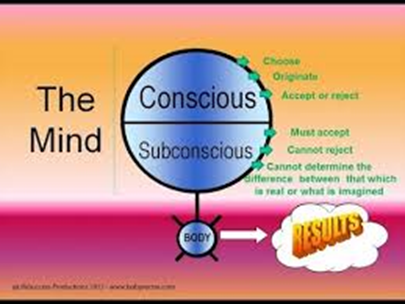



















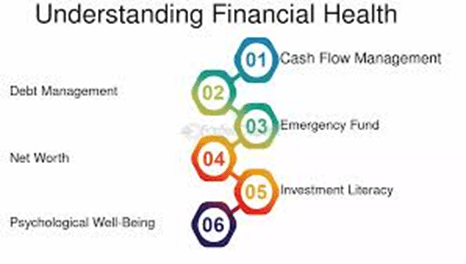






 REACH YOUR PEAK PERFORMANCE TODAY with the World's #1 Consulting Firm. The Reitenbach-Kissinger Institute and the MKS Master Key Consulting-Law-Engineering Systems. You are committed to achieving your goals. Do not compete without proven consultants. FREE 30-Minute Win the Game of Life or Business Consulting Session Call: 650-515-7545